


Evans, known for his versatile performances in film and theater, has embraced the opportunity to explore the complexities of Frank-N-Furter. His portrayal is marked by a blend of charisma and vulnerability, resonating with audiences and critics alike. This revival not only highlights Evans’ talent but also reflects a growing cultural conversation around gender fluidity and acceptance. For more insights on the evolving narratives in theater, check out this article on missing Oscar trophies.
The current production has made headlines for its inclusive casting and innovative staging, which aim to engage a new generation of theatergoers. With a diverse ensemble cast and modernized choreography, the show seeks to honor the original while making it relevant to contemporary audiences. This approach is particularly significant as discussions around representation in the arts continue to evolve.
As the revival gains momentum, it has sparked discussions about the role of musical theater in addressing social issues. The themes of the story, which challenge traditional norms around sexuality and identity, resonate strongly in today’s society. This timely exploration of freedom and acceptance underscores the importance of the arts in fostering dialogue and understanding within communities.
The cultural significance of Rocky Horror
The Rocky Horror Picture Show, released in 1975, emerged during a time of significant social upheaval in the United States and around the world. The late 1960s and early 1970s were marked by the sexual revolution, which challenged traditional norms surrounding sexuality, gender roles, and personal expression. The film became a cult classic, resonating with audiences who were beginning to explore their identities in ways that had previously been stigmatized or suppressed. This legacy continues to inspire discussions, much like the recent journey of Matt Damon in film.
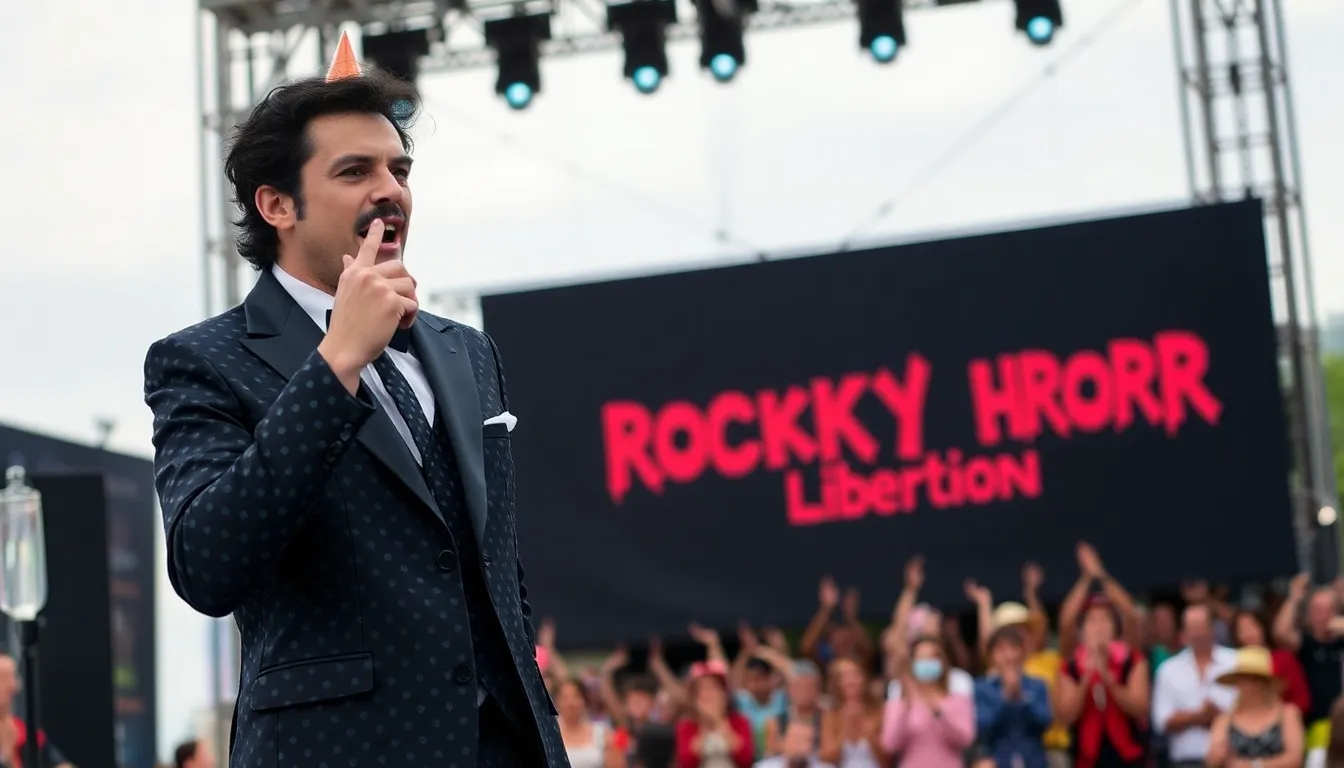
At its core, Rocky Horror is a celebration of sexual liberation and non-conformity. The film’s characters, particularly Frank-N-Furter, embody a fluidity in gender and sexuality that was groundbreaking for its time. This representation not only provided a voice for the LGBTQ+ community but also encouraged a broader acceptance of diverse sexual identities. The film’s catchy musical numbers and campy aesthetic further solidified its place in pop culture, leading to a unique interactive experience that continues to thrive in midnight screenings across the globe.
Key milestones in LGBTQ+ representation
The cultural impact of Rocky Horror can be traced alongside key milestones in LGBTQ+ representation in media. For instance, the decriminalization of homosexuality in many Western countries throughout the 1970s paved the way for more open discussions about sexual orientation. Additionally, the rise of the feminist and gay rights movements provided a backdrop for Rocky Horror’s themes of liberation. The film’s influence can be seen in subsequent works that challenge societal norms, from the rise of queer cinema to mainstream acceptance of LGBTQ+ narratives in film and television.
As the decades progressed, the legacy of Rocky Horror has continued to inspire artists and performers, including Luke Evans, who brings a contemporary interpretation to its themes. The ongoing conversations about sexual identity and freedom highlight how the film’s message remains relevant, reflecting the evolution of societal attitudes towards sexuality and the importance of embracing one’s true self. You can explore more on contemporary issues in film by reading about Kimi Antonelli’s latest triumph.
Exploring themes of sexual liberation in the performance
The revival of ‘Rocky Horror’ featuring Luke Evans has sparked discussions among various stakeholders, including performers, production companies, and advocacy groups. Each of these entities has distinct interests that influence their engagement with the themes of sexual liberation presented in the show.
One of the primary actors in this landscape is the production company behind the revival, which seeks to attract diverse audiences while remaining true to the original message of the musical. Their interest lies in balancing commercial success with artistic integrity, ensuring that the themes of sexual liberation resonate with both new and returning fans.
Additionally, advocacy groups focused on LGBTQ+ rights and sexual freedom play a crucial role in this dialogue. They view the performance as a platform for promoting acceptance and challenging societal norms. However, these groups may also face conflicts regarding the portrayal of sexual themes, as they strive for representation that accurately reflects the complexities of sexual identity.
- Conflict of Interest: The production’s desire for profitability may clash with advocacy groups’ calls for authentic representation.
- Legal Considerations: Issues surrounding censorship and public decency laws may arise, impacting how sexual themes are presented.
- Economic Factors: The financial implications of staging a provocative performance could influence ticket pricing and marketing strategies.
- Audience Reception: The diverse reactions from audiences can create a feedback loop that influences future performances and adaptations.
Ultimately, the interplay between these stakeholders highlights the ongoing evolution of cultural narratives surrounding sexual liberation, raising important questions about representation, acceptance, and the role of art in social discourse.
The impact of Evans’ portrayal on audiences and the LGBTQ+ community
Luke Evans’ portrayal in ‘Rocky Horror’ resonates deeply with various groups, particularly within the LGBTQ+ community. This representation not only affirms identities but also encourages conversations around sexual liberation and acceptance. Audiences from diverse backgrounds are finding empowerment and validation through Evans’ performance, which highlights the ongoing struggle for visibility and rights.
In the short term, the film is likely to boost engagement within the entertainment industry, prompting other creators to explore similar themes. This could lead to an increase in productions that celebrate sexual diversity, which may positively influence ticket sales and streaming viewership. Businesses related to LGBTQ+ culture, such as pride events and themed merchandise, may also experience a surge in interest and participation.
However, there are risks associated with this heightened visibility. Some conservative groups may react negatively, leading to potential backlash against the film and its message. This could manifest in calls for boycotts or censorship, which might affect box office performance and the willingness of studios to produce similar content in the future.
Mid-term, the impact of Evans’ role could lead to policy discussions surrounding LGBTQ+ rights and representation in media. As audiences demand more inclusive narratives, there may be increased pressure on policymakers to address inequalities faced by the LGBTQ+ community. This could result in stronger support for anti-discrimination laws and funding for LGBTQ+ initiatives.
- Increased visibility and representation of LGBTQ+ issues in media.
- Potential backlash from conservative groups affecting public discourse.
- Opportunities for businesses catering to LGBTQ+ audiences.
- Influence on policy discussions regarding LGBTQ+ rights.
A: Luke Evans plays the character of Frank-N-Furter, a flamboyant and sexually liberated figure who challenges societal norms. A: The performance explores sexual freedom, identity, and acceptance, resonating with audiences seeking representation. A: Audiences have praised Evans for his bold interpretation, noting its emotional depth and connection to the LGBTQ+ community. A: Yes, this production brings a fresh perspective, emphasizing modern themes of inclusivity and self-expression. A: Evans continues to take on diverse roles, and his involvement in projects that promote acceptance and diversity is likely to grow.
Frequently asked questions about Luke Evans and Rocky Horror
Key takeaways and future outlook on the performance
Luke Evans’ portrayal in ‘Rocky Horror’ signifies a pivotal moment in the evolution of musical theater, particularly in its exploration of themes surrounding sexual liberation and identity. His performance not only honors the legacy of the original work but also breathes new life into its message, resonating with contemporary audiences who seek authentic representation and freedom of expression.
As the production continues to gain traction, it will be essential to observe how this adaptation influences future theatrical interpretations and the broader cultural discourse surrounding sexuality. The success of this performance could pave the way for more inclusive narratives in mainstream media, encouraging artists to push boundaries and challenge societal norms.
- Expect increased interest in productions that explore LGBTQ+ themes and narratives.
- Monitor audience reactions and critical reviews, which may shape the direction of future adaptations.
- Watch for potential collaborations between established artists and emerging talent in the theater scene.
- Consider the implications of this performance on the portrayal of sexuality in other media forms.