


In 2018, Sears filed for Chapter 11 bankruptcy, marking a pivotal moment in its history. This filing was intended to facilitate a turnaround plan that aimed to keep the company afloat, but subsequent efforts have fallen short of expectations. Notably, the closure of over 400 stores since the bankruptcy has severely limited its market presence and ability to compete with online retailers. For more insights into the impact of financial crises on retailers, visit this article.
Key stakeholders, including former CEO Eddie Lampert, have been criticized for their management decisions during this tumultuous period. Lampert’s strategy to sell off valuable assets while attempting to maintain core operations has left the company in a weakened state. As of late 2023, the lack of a clear and effective business model has led to skepticism among investors and consumers alike.
The ongoing situation is further complicated by the broader retail landscape, where e-commerce continues to dominate. Competitors have rapidly adapted to changing consumer preferences, while Sears has struggled to modernize its offerings. This failure to innovate has contributed to its declining relevance in a market that demands agility and responsiveness.
The Historical Context of Sears’s Decline
Sears, Roebuck and Company, once a titan of American retail, has seen its prominence wane dramatically over the past few decades. Founded in 1892, Sears emerged as a revolutionary force in retail, introducing the mail-order catalog that allowed customers across the United States to purchase a wide array of goods from the comfort of their homes. This innovative approach not only democratized shopping but also set the stage for the company to become a household name, with its iconic department stores becoming synonymous with American consumer culture. To explore how brands can engage with consumers today, check out this related article.
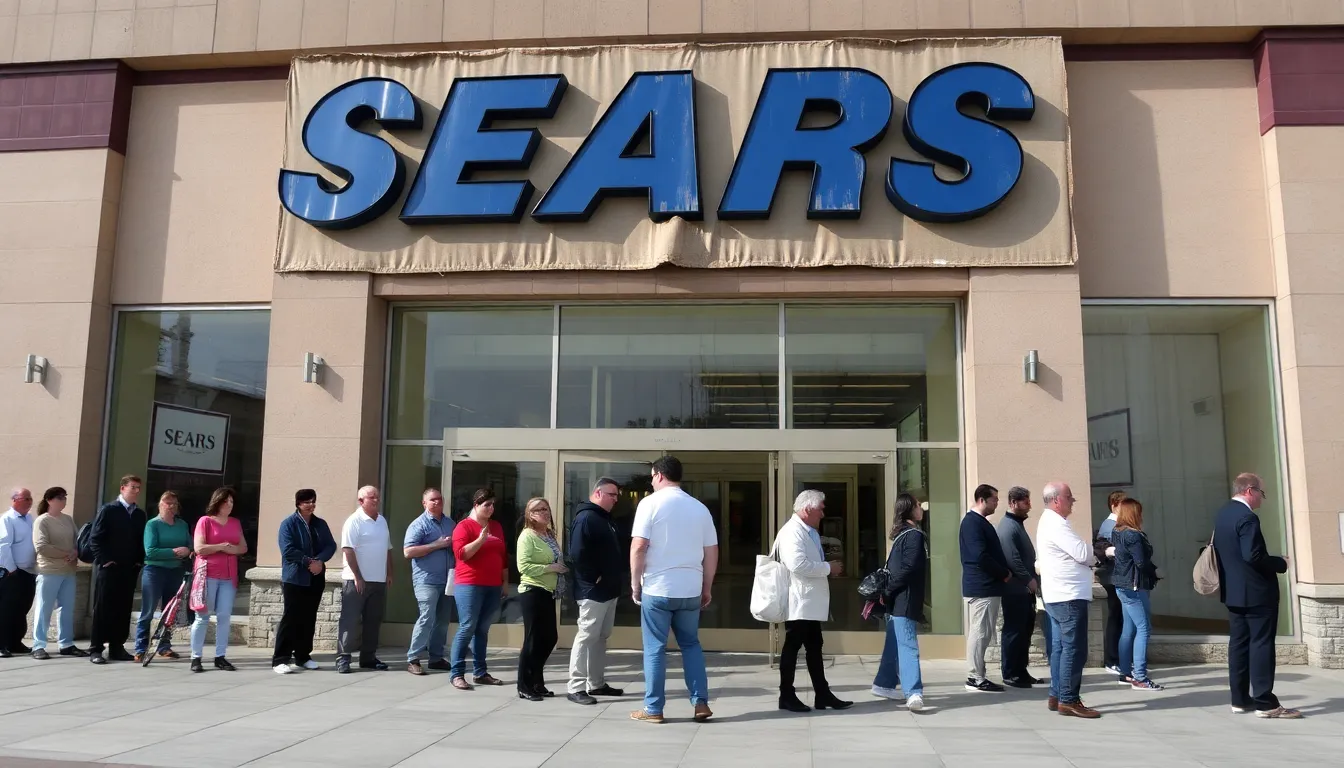
However, the rise of big-box retailers in the late 20th century marked a significant turning point for Sears. As competitors like Walmart and Target expanded their reach, offering lower prices and a wider selection of products, Sears struggled to adapt to the changing retail landscape. The company’s reliance on its traditional business model, which focused heavily on its brick-and-mortar stores, became a liability as online shopping began to take off in the early 2000s.
The Impact of Economic Changes
The economic landscape also played a crucial role in Sears’s decline. The 2008 financial crisis and subsequent recession shifted consumer spending habits, with many shoppers prioritizing value over brand loyalty. Sears, which had long positioned itself as a middle-class staple, found itself unable to compete effectively in a market that increasingly favored discount retailers and e-commerce platforms. This shift not only affected sales but also led to a series of store closures and layoffs, further eroding the company’s market presence. For further reading on shifts in consumer behavior, you can visit this article.
In an attempt to revitalize its brand, Sears made several high-profile promises, including a focus on e-commerce and a commitment to reinvesting in its stores. However, these promises often fell short of expectations, leading to skepticism among consumers and investors alike. The lack of a coherent strategy to navigate the rapidly evolving retail environment ultimately left Sears vulnerable, culminating in its bankruptcy filing in 2018.
As Sears’s last great hope hinged on promises that never materialized, the company serves as a cautionary tale of how failure to innovate and adapt to market changes can lead to the downfall of even the most established brands. The decline of Sears is not just a story of a single retailer; it reflects broader trends in the economy and shifts in consumer behavior that continue to shape the retail industry today.
Key Stakeholders and Issues Surrounding Sears
The landscape surrounding Sears has been shaped by various stakeholders, each with distinct interests and concerns. Key actors include the company’s management, employees, creditors, and customers, as well as larger entities such as investors and competitors in the retail sector. Each group has a vested interest in the company’s performance and future viability.
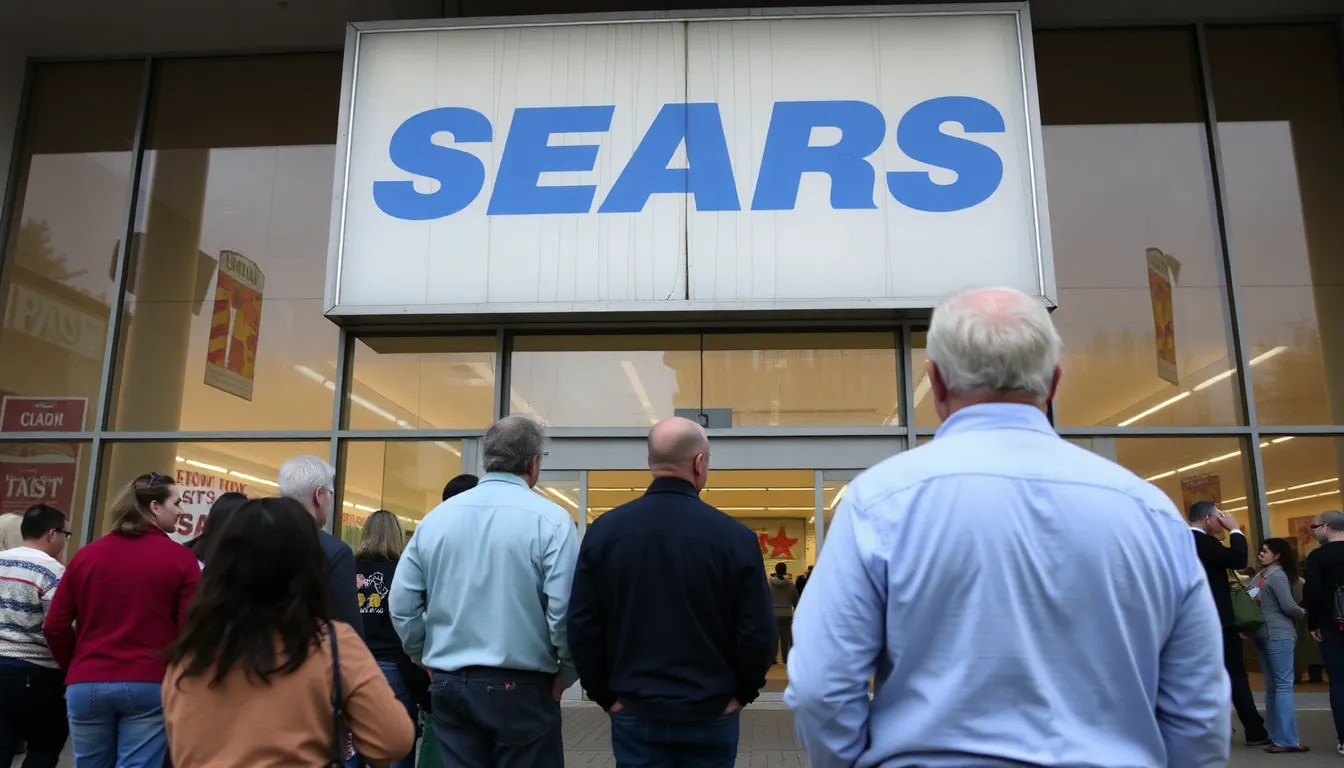
Management, under the leadership of Eddie Lampert, aimed to revitalize Sears through strategic initiatives and financial restructuring. However, this approach often led to tensions with employees who faced job insecurity and reduced benefits as the company sought to cut costs. The interests of creditors also came into play as they pressed for repayment of debts, complicating Sears’s ability to invest in its operations.
Customers, once loyal to the brand, began to seek alternatives as the shopping experience deteriorated due to store closures and inventory shortages. This shift highlighted the conflict between maintaining a traditional retail model and adapting to the evolving landscape of e-commerce. As competitors like Amazon gained market share, Sears struggled to redefine its value proposition.
- Financial Strain: Sears faced mounting debts and declining sales, leading to bankruptcy filings that affected all stakeholders.
- Employee Morale: Job cuts and restructuring efforts created a challenging environment for employees, impacting productivity and loyalty.
- Consumer Trust: The decline in service quality and product availability eroded customer trust and loyalty, further driving down sales.
- Market Competition: The rise of e-commerce and discount retailers forced Sears to compete in a rapidly changing market, often to its detriment.
- Legal Issues: Bankruptcy proceedings and litigation with creditors raised complex legal challenges that complicated the company’s recovery efforts.
Overall, the interplay between these stakeholders and the issues they faced created a complex environment that contributed to Sears’s decline. The promise of a turnaround remained unfulfilled, as the company struggled to balance the competing interests and pressures from both internal and external forces.
The Impact of Sears’s Failure on the Retail Market
The decline of Sears has far-reaching implications for various groups, industries, and regions. Primarily, the retail sector has been shaken, as the fall of such a long-standing giant signals broader vulnerabilities within the industry. Smaller retailers, particularly those in close competition with Sears, may struggle to fill the gap left by its absence, leading to a more concentrated market dominated by a few major players.
Regions that housed Sears stores, especially in suburban areas, face immediate economic challenges. These locations often relied on the foot traffic generated by the department store. The closure of Sears not only affects job losses for employees but also impacts local businesses that depended on the customer base Sears attracted. This disruption can lead to a decline in local economies and potentially increase vacancy rates in shopping centers.
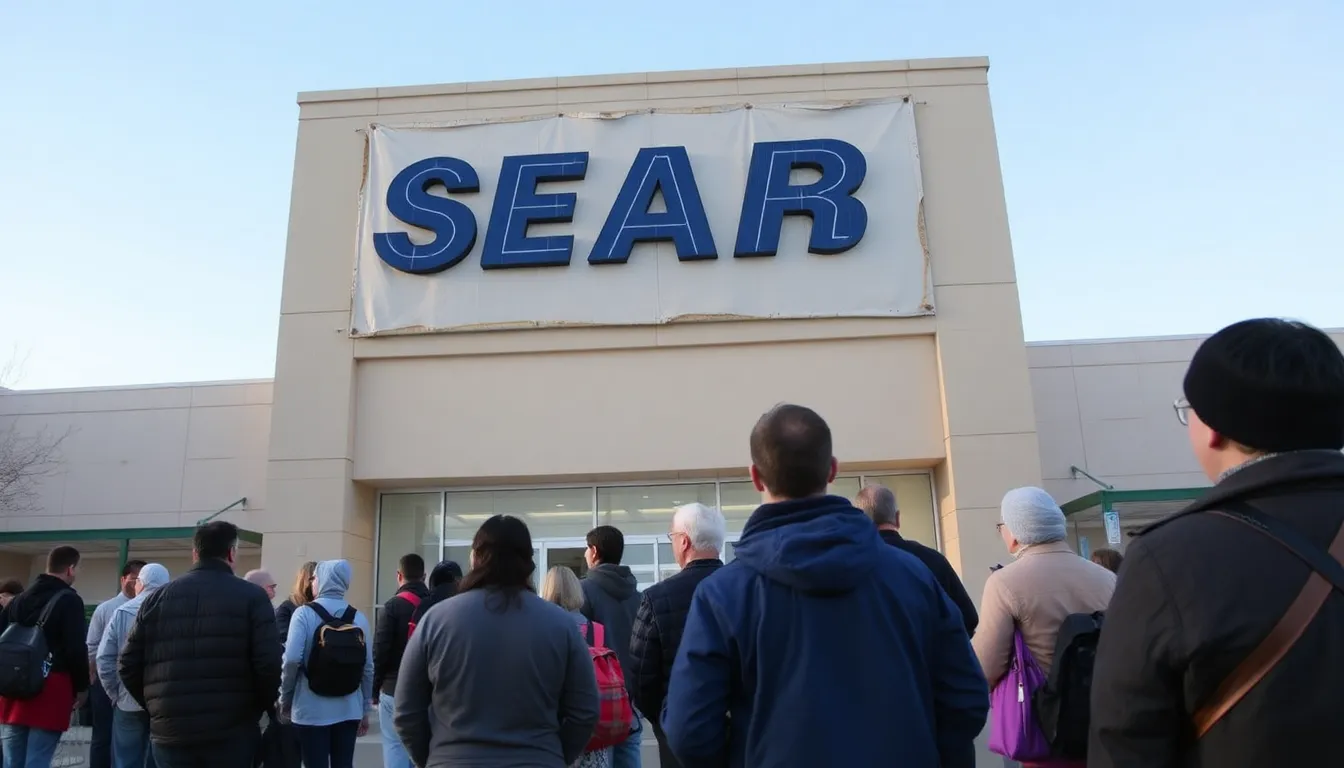
In the short term, consumers may see fewer choices and higher prices as competition diminishes. The lack of a major player like Sears can lead to reduced sales promotions and less variety in product offerings. However, there are potential opportunities for e-commerce and online retailers to capitalize on this shift, as consumers increasingly turn to digital shopping platforms for convenience.
- Job Losses: Thousands of employees face unemployment, impacting their families and communities.
- Local Business Impact: Nearby businesses may see a decrease in foot traffic and sales.
- Market Consolidation: Fewer competitors could lead to higher prices and reduced consumer choices.
- Opportunities for E-commerce: Online retailers may gain market share as shoppers seek alternatives.
Mid-term impacts may include shifts in consumer behavior, with a growing preference for online shopping, which could force traditional retailers to adapt quickly. Additionally, policymakers might need to consider strategies to support affected regions and workers, potentially leading to new initiatives aimed at revitalizing local economies.
A: Sears faced numerous challenges including increased competition, changing consumer preferences, and poor management decisions that led to its decline. A: The last great hope for Sears was a strategic plan to revitalize its brand and stores, which ultimately did not materialize as expected. A: The revival promise failed due to lack of effective execution, insufficient investment in infrastructure, and failure to adapt to online retail trends. A: Sears’s failure serves as a cautionary tale for other retailers about the importance of innovation and responsiveness to market changes. A: While recovery is challenging, some believe that a focused approach on niche markets could provide a path forward for Sears.
Frequently Asked Questions About Sears’s Situation
Insights on the Future of Sears and Retail
The journey of Sears serves as a cautionary tale for retailers navigating the complexities of a rapidly evolving market. The promise of transformation through strategic initiatives has often fallen short, highlighting the critical need for companies to adapt in real-time to changing consumer behaviors and technological advancements. As the retail landscape continues to shift, the lessons learned from Sears’s challenges will be instrumental for other brands aiming to avoid a similar fate.
Moving forward, retailers must prioritize innovation and consumer engagement while also maintaining a clear vision for sustainability. The failure to deliver on promises made can erode consumer trust, making transparency and accountability vital components of any successful strategy. Observing how other retailers respond to these challenges will provide valuable insights into the future of the industry.
- Watch for shifts in consumer preferences towards online shopping and how retailers adapt their strategies to meet these demands.
- Monitor the impact of technological advancements on inventory management and customer experience in retail settings.
- Consider the importance of brand loyalty and how transparency can strengthen relationships with consumers.
- Evaluate the role of diversification in retail strategies, particularly in response to economic fluctuations.
- Keep an eye on the evolution of physical retail spaces and their integration with digital platforms to enhance customer engagement.