


On March 15, 2023, a significant protest took place in Gurugram, where activists highlighted the destruction of forest cover and the threat to wildlife habitats. The demonstrators included local residents, environmental organizations, and students, all united in their demand for the government to halt mining operations that are seen as a direct threat to the fragile ecosystem of the Aravalli hills.
In response to the growing unrest, the Haryana government announced a temporary suspension of mining licenses in April 2023, but activists argue that this is insufficient. They are calling for a comprehensive review of all mining activities and a commitment to long-term conservation strategies to protect the hills from further exploitation.
The situation has drawn national attention, with several prominent figures, including environmentalists and politicians, voicing their support for the protests. As the movement gains momentum, it underscores the broader conflict between economic development and environmental preservation in India, raising critical questions about sustainable practices in resource management.
Understanding the Historical Significance of the Aravalli Range
The Aravalli Range, one of the oldest mountain ranges in the world, stretches across the western Indian states of Rajasthan and Haryana. Its geological history dates back over 3.2 billion years, making it a crucial part of India’s natural heritage. The range has not only shaped the geography of the region but has also played a significant role in the cultural and economic development of the surrounding areas. Historically, the Aravallis have been a source of various minerals and resources, which have attracted human settlement and economic activity for centuries.
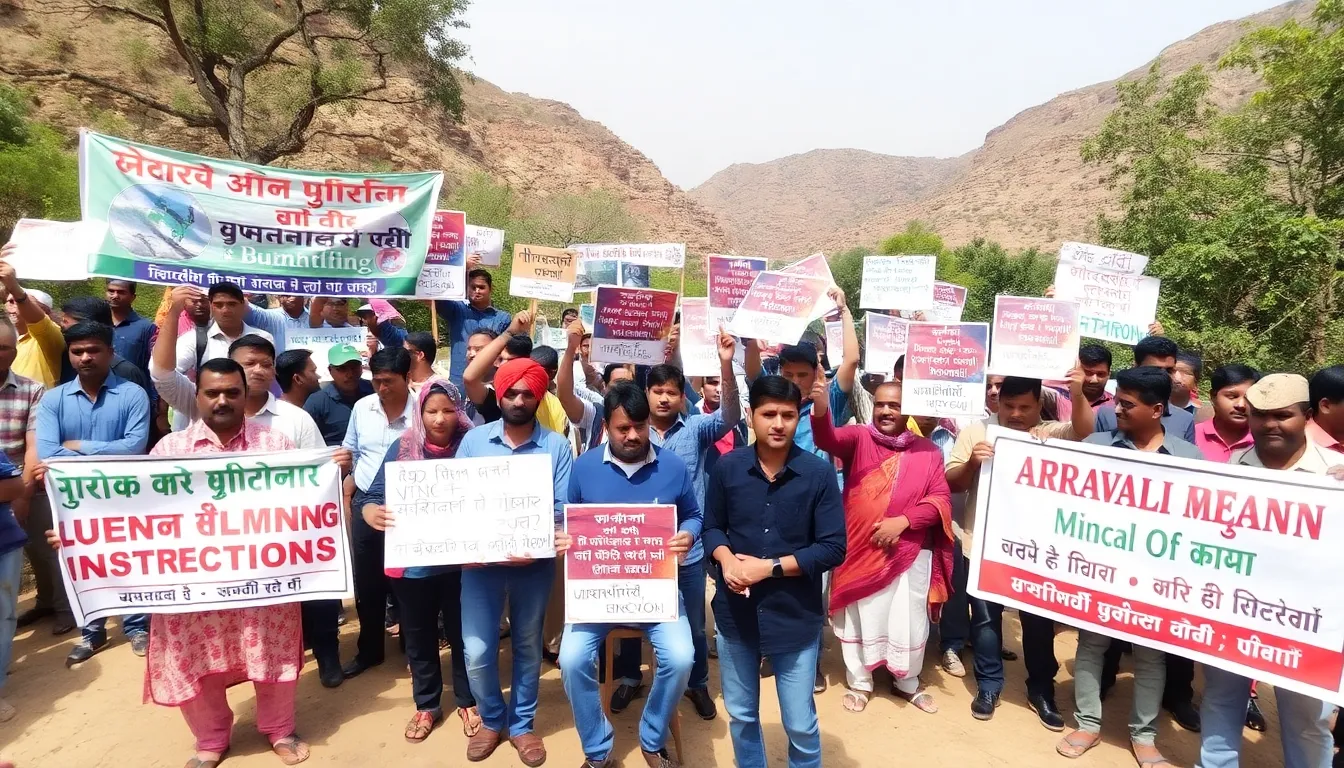
In the late 20th century, the Aravalli hills began to face increasing pressure from urbanization and industrialization. The rapid growth of cities like Gurgaon and Faridabad, located at the foothills, has led to extensive mining and land development. This has raised concerns about environmental degradation and the loss of biodiversity, sparking protests from local communities and environmental activists. The hills, which once served as a natural barrier against desertification, are now at risk due to unregulated exploitation.
Political and Economic Factors
The political landscape surrounding the Aravalli Range has also contributed to the growing unrest. Government policies aimed at promoting economic development often prioritize industrial growth over environmental conservation. The 2009 Supreme Court ruling that restricted mining activities in the region was a significant milestone, highlighting the legal struggles surrounding environmental protection. However, the enforcement of these regulations has been inconsistent, leading to ongoing conflicts between local residents, environmentalists, and corporate interests.
Socially, the Aravalli hills are home to various indigenous communities who depend on the land for their livelihoods. As mining and construction projects encroach upon their territory, these communities have found themselves marginalized and voiceless. The protests emerging from this backdrop are not just about environmental concerns; they also reflect a broader struggle for rights and recognition in the face of economic pressures and political neglect.
As awareness grows regarding the ecological and cultural significance of the Aravalli Range, the protests have gained momentum, drawing attention from national and international media. This situation serves as a critical case study on the intersection of development, environmental sustainability, and social justice in India, emphasizing the need for a balanced approach to resource management and community rights.
Key Stakeholders and Issues in the Aravalli Protests
The Aravalli hills, a crucial ecological zone in India, have become a focal point of escalating protests involving various stakeholders. These include local communities, environmental activists, government bodies, and private developers, each with distinct interests and agendas.
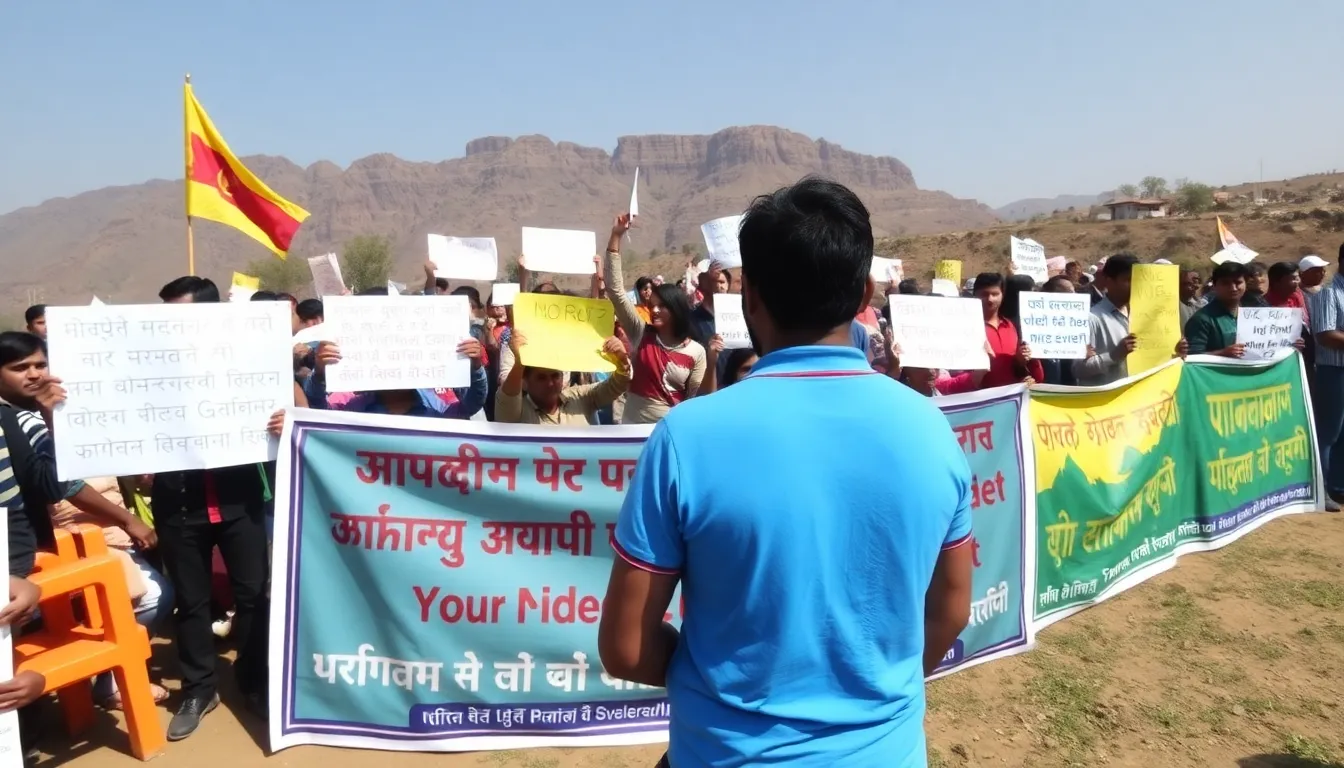
Local communities, particularly indigenous groups, seek to protect their ancestral lands and the natural resources provided by the Aravalli hills. Their primary concern is the preservation of biodiversity and the prevention of environmental degradation caused by mining and urban development. In contrast, private developers and industrialists view the hills as a potential site for lucrative projects, including mining and real estate development, which they argue could contribute to economic growth and job creation.
Government bodies, including state and central authorities, are often caught in a complex web of interests. They face pressure to promote economic development while also being tasked with environmental protection. This dual responsibility has led to conflicting policies, with some government actions favoring development at the expense of ecological integrity. Legal frameworks surrounding land use and environmental protection are frequently contested, leading to a tug-of-war between development and conservation.
- Environmental Degradation: The potential destruction of habitats and biodiversity due to mining activities raises significant concerns among environmentalists.
- Economic Development: Proponents of development argue that projects in the Aravalli region can boost local economies and provide employment opportunities.
- Legal Conflicts: Ongoing legal battles over land use rights and environmental regulations complicate the situation, often delaying projects and exacerbating tensions.
- Community Rights: Indigenous and local communities advocate for their rights to land and resources, emphasizing the need for their voices to be heard in decision-making processes.
- Public Awareness: Growing public awareness and activism surrounding environmental issues are mobilizing citizens to protest against perceived injustices in the region.
As these conflicting interests collide, the situation in the Aravalli hills continues to evolve, highlighting the challenges of balancing development with environmental sustainability. The protests serve as a reminder of the need for inclusive dialogue and collaborative solutions that consider the diverse perspectives of all stakeholders involved.
Who is Affected by the Protests in the Aravalli Region?
The ongoing protests in the Aravalli hills of India are impacting a diverse range of groups, including local communities, environmental activists, and various industries such as mining and tourism. The region, known for its rich biodiversity and ecological significance, has become a focal point for those advocating for environmental conservation and sustainable development.
Local communities, particularly indigenous populations, are facing immediate repercussions as their livelihoods are threatened by industrial activities. The encroachment on their land not only jeopardizes their agricultural practices but also disrupts their cultural heritage. In the short term, these communities may experience increased displacement and loss of income, while in the mid-term, the degradation of their environment could lead to long-lasting social and economic challenges.
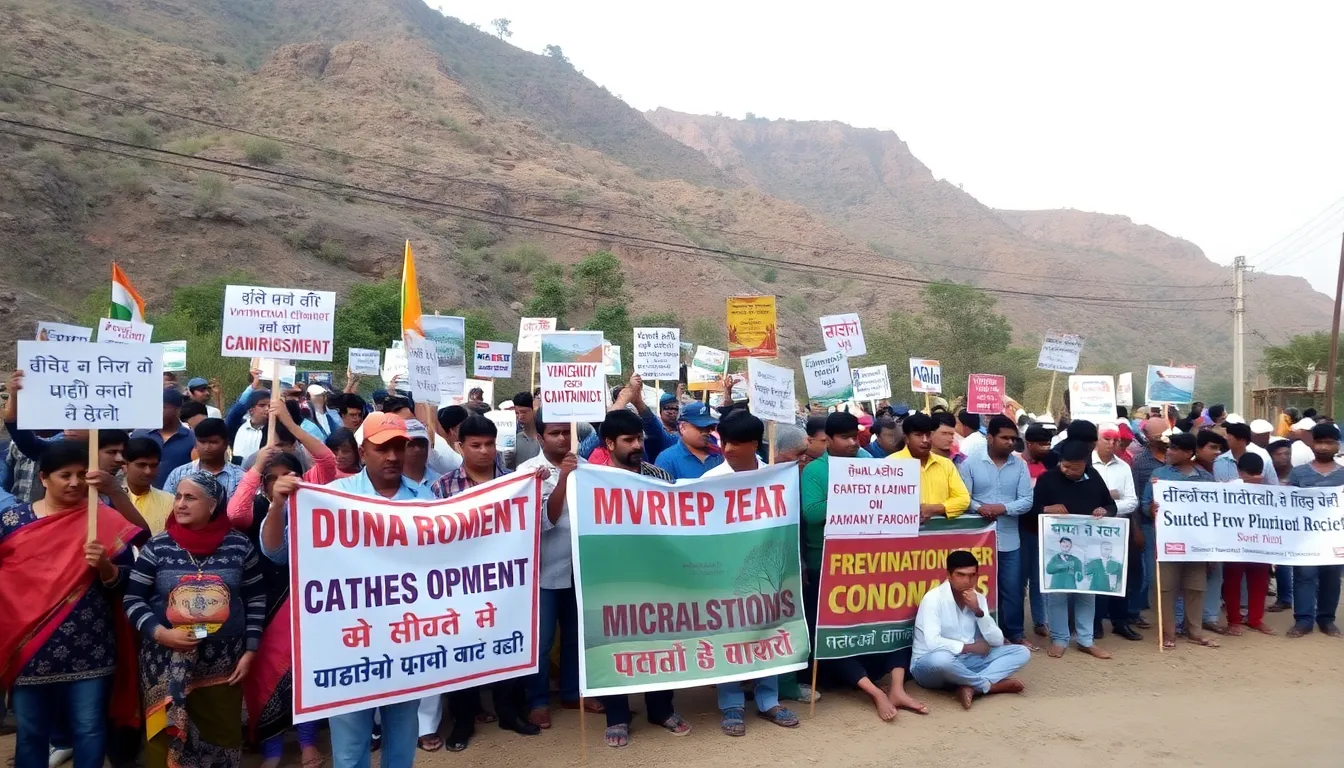
Industries such as mining are at the center of the conflict, with the potential for short-term economic gains clashing with long-term environmental sustainability. While mining companies may benefit from immediate profits, the protests highlight the risks associated with environmental degradation, which could lead to stricter regulations and operational challenges in the future. Conversely, the tourism sector may find opportunities in promoting eco-tourism, leveraging the growing public interest in environmental conservation.
- Short-term impacts: Increased tensions between communities and industries, potential job losses in agriculture.
- Mid-term impacts: Stricter environmental regulations, potential decline in mining activities.
- Opportunities: Growth in eco-tourism and sustainable business practices.
As protests continue to gain momentum, policymakers are also feeling the pressure to address the concerns raised by activists and local communities. This situation may lead to significant policy shifts aimed at balancing economic development with environmental protection, ultimately affecting various stakeholders in the region.
A: The protests are primarily driven by concerns over environmental degradation, illegal mining activities, and the impact on local communities and biodiversity. A: Key stakeholders include local residents, environmental activists, government officials, and mining companies, each with differing interests and priorities. A: Local communities are facing challenges related to land rights, pollution, and loss of livelihood, prompting them to join the protests for their rights and environmental protection. A: The government has initiated discussions with protest leaders and is reviewing policies related to land use and environmental protection in the region. A: The Aravalli hills are one of the oldest mountain ranges in India, rich in biodiversity and cultural heritage, making their preservation crucial.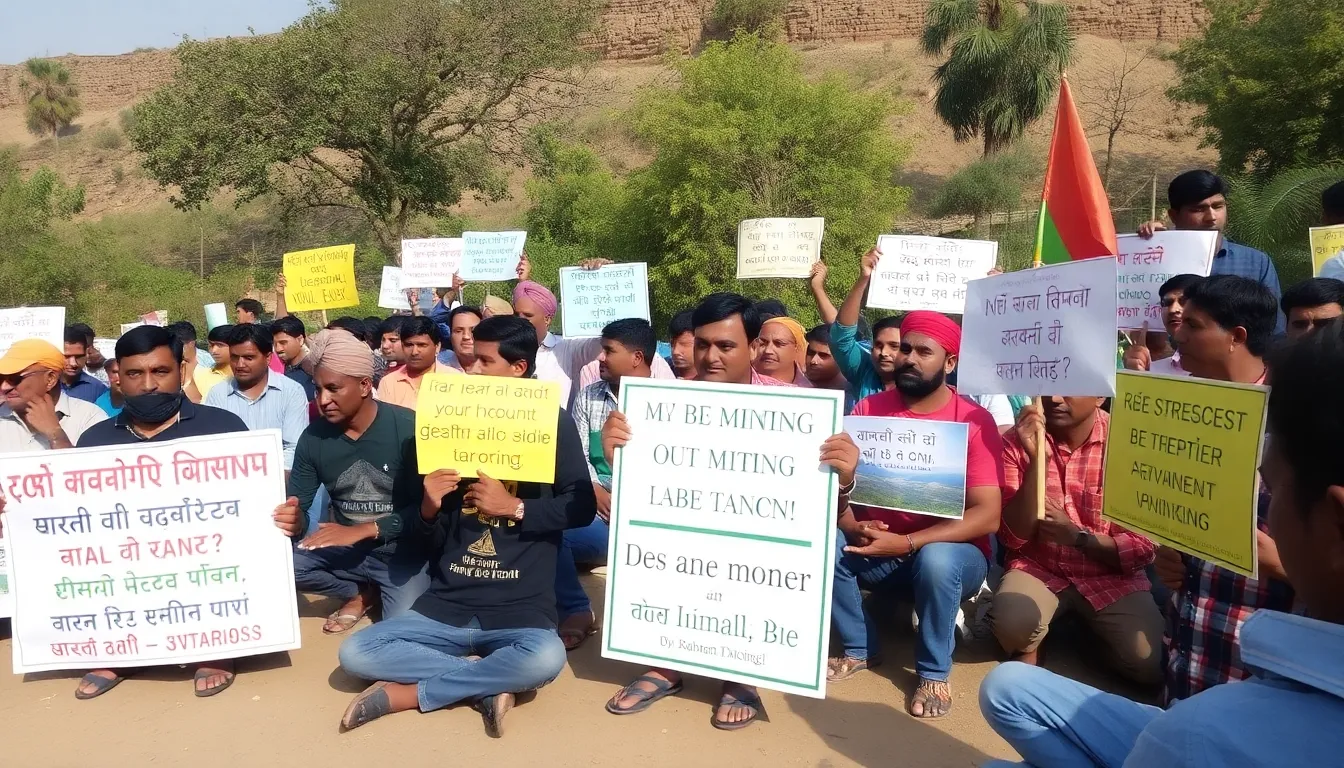
Frequently Asked Questions About the Aravalli Protests
Future Outlook on the Aravalli Hills and Ongoing Protests
The growing unrest surrounding the Aravalli hills highlights not only the environmental concerns tied to urban expansion but also the deep-rooted socio-political dynamics at play. As protests intensify, they signal a broader awakening among communities regarding the importance of preserving natural resources and advocating for sustainable development. The situation serves as a pivotal moment for policymakers, developers, and local residents to engage in meaningful dialogue that prioritizes ecological integrity alongside economic growth.
Looking ahead, the outcome of these protests could set a precedent for how similar environmental issues are handled across India. Stakeholders must navigate the delicate balance between development and conservation, considering both immediate needs and long-term impacts on the region’s biodiversity and the livelihoods of its inhabitants.
- Increased public engagement in environmental issues may lead to more robust policies aimed at protecting natural resources.
- Potential shifts in government regulations could emerge, emphasizing sustainable development practices in urban planning.
- Heightened awareness of ecological concerns may inspire similar movements in other regions facing environmental degradation.
- Collaboration between local communities and environmental organizations could foster innovative solutions to conservation challenges.
- Monitoring the outcomes of ongoing protests will provide insights into the effectiveness of grassroots movements in influencing policy change.