


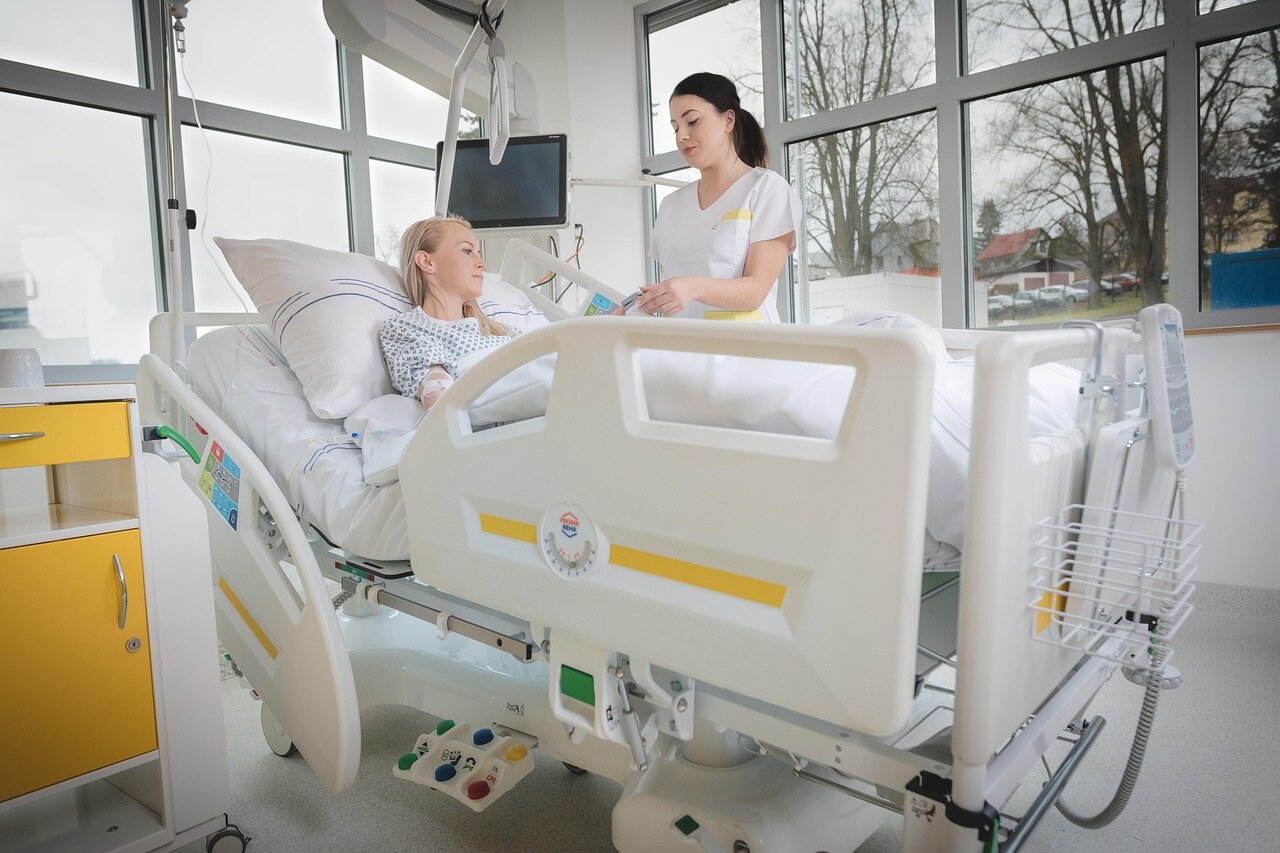
The ward features state-of-the-art medical equipment and a layout that prioritizes both patient comfort and clinical efficiency. With views of the surrounding cityscape, the space is intended to reduce feelings of isolation and anxiety commonly experienced by patients in intensive care, much like the wellbeing garden that opens to combat isolation.
Healthcare professionals have noted that exposure to outdoor environments can significantly enhance mental well-being, which is crucial for recovery. This innovative approach reflects a growing recognition of the importance of holistic care in medical treatment, particularly in high-stress environments like intensive care units, as highlighted in discussions about mental health and environmental factors.
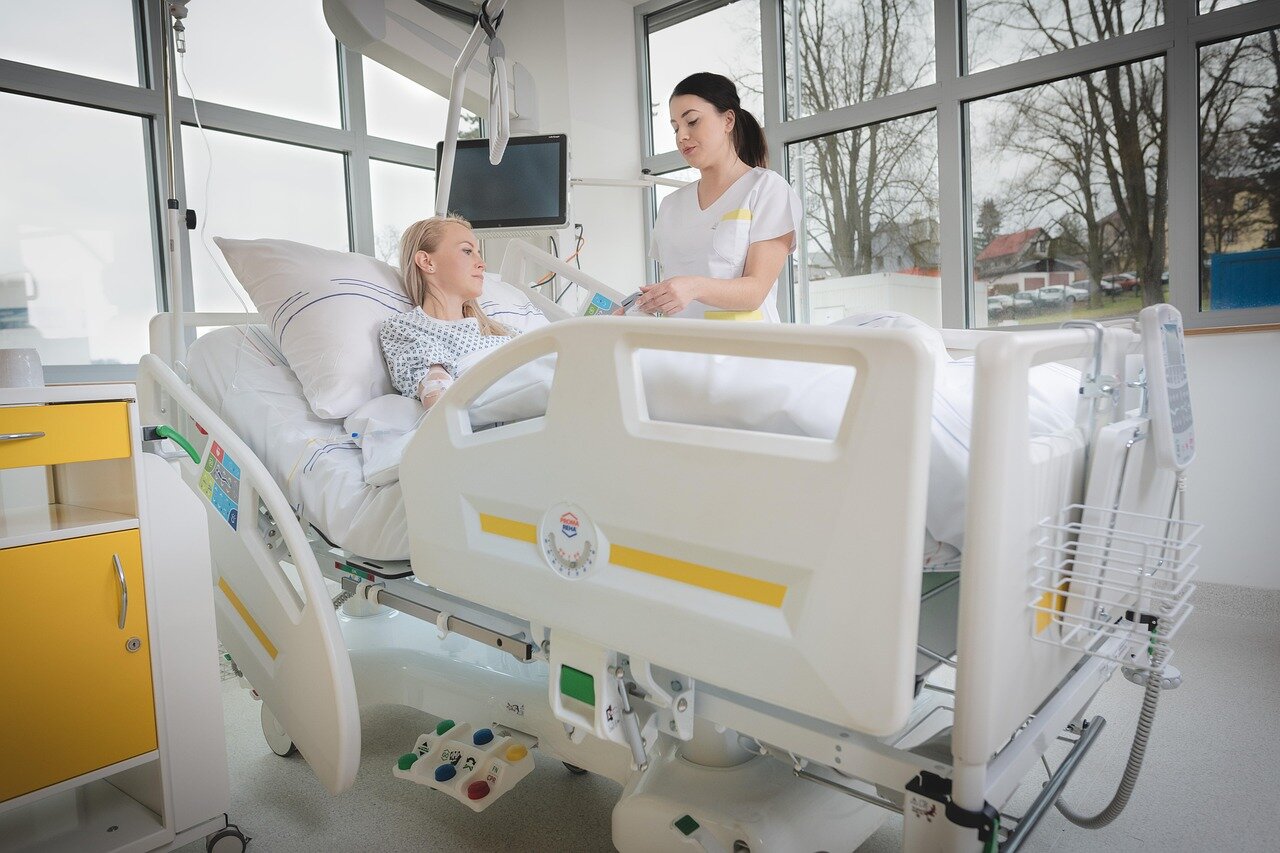
As hospitals continue to adapt to the challenges posed by the COVID-19 pandemic, this new ward represents a forward-thinking response to patient needs. The initiative is supported by both hospital administration and local health authorities, who are keen to see how this model can influence future healthcare practices.
The significance of outdoor access in healthcare settings
Access to outdoor spaces in healthcare settings has long been recognized as a vital component of patient recovery and well-being. Historically, the therapeutic benefits of nature have been documented since the early 19th century, when the concept of “moral treatment” emerged, advocating for fresh air and sunlight as essential elements in the healing process. As hospitals and care facilities evolved, the integration of outdoor areas became increasingly prominent, with gardens and terraces designed to promote mental and physical health.
In recent decades, the relationship between nature and health has gained renewed attention, particularly in the context of mental health. Studies have shown that exposure to green spaces can reduce stress, enhance mood, and improve overall mental health outcomes. This understanding has fueled a push for healthcare environments that prioritize access to nature, leading to innovative designs that incorporate outdoor areas even in urban settings where space is limited.
The impact of the COVID-19 pandemic
The COVID-19 pandemic has further highlighted the importance of outdoor spaces in healthcare. As hospitals faced unprecedented challenges, the need for safe environments where patients could experience the benefits of fresh air and sunlight became critical, similar to the need for innovative solutions in adaptation.
Financially, the investment in outdoor spaces has been justified by the potential for reduced hospital stays and improved recovery rates. As healthcare systems grapple with rising costs and the demand for better patient outcomes, the integration of outdoor access is seen as a forward-thinking solution that aligns with both economic and ethical imperatives in patient care.
Ultimately, the opening of intensive care wards on rooftops represents a significant milestone in the evolution of healthcare design. It reflects a growing recognition of the need to humanize medical environments and promote holistic healing practices that prioritize not just the physical but also the emotional and psychological well-being of patients.
Key stakeholders and their perspectives on the initiative
The opening of an intensive care ward on a rooftop presents a unique intersection of interests among various stakeholders. Key actors include healthcare providers, patients and their families, local government authorities, and community advocacy groups. Each group has distinct perspectives shaped by their roles and responsibilities within the healthcare system.
Healthcare providers, including doctors and nurses, are primarily focused on patient care and the potential benefits of the new facility. They are interested in how the rooftop ward can enhance patient recovery through access to natural light and fresh air, which are often lacking in traditional hospital settings. However, they may also express concerns regarding the logistical challenges of operating a ward in such a location, including access to essential medical equipment and emergency response times.
Patients and their families represent another critical stakeholder group. For them, the rooftop ward symbolizes hope and a chance to experience a more healing environment during challenging times. The psychological benefits of being outdoors can significantly impact a patient’s recovery. However, concerns about safety and the adequacy of medical care in an unconventional setting may also arise, leading to a complex emotional landscape.
- Local government authorities: They have a vested interest in public health outcomes and may support the initiative for its innovative approach. However, they must also consider zoning laws, building regulations, and the allocation of public funds.
- Community advocacy groups: These organizations may champion the initiative as a progressive step towards improving mental health in healthcare settings. Yet, they may also raise concerns about accessibility for all patients, particularly those with mobility issues.
- Insurance companies: Their perspective is largely economic, focusing on the cost-effectiveness of the new ward. They will evaluate whether the benefits justify the expenses associated with such an innovative facility.
Overall, the initiative to open an intensive care ward on a rooftop encapsulates a complex interplay of interests and potential conflicts among stakeholders. Balancing the benefits of innovative healthcare solutions with practical considerations and diverse stakeholder concerns will be crucial as this project unfolds.
How the rooftop ward affects patients and healthcare providers
The opening of an intensive care ward on the rooftop presents significant implications for various groups, particularly patients, healthcare providers, and the broader community. Patients who have been confined indoors for extended periods due to illness may experience a renewed sense of hope and well-being as they gain access to outdoor space. This environment can facilitate mental and emotional recovery, which is crucial in intensive care settings.
Healthcare providers, including doctors and nurses, will also feel the impact of this innovative approach. The rooftop ward may enhance their ability to provide care in a more holistic manner, as they can now incorporate nature into their treatment plans. This could lead to improved job satisfaction and potentially lower burnout rates among staff, as they witness the positive effects of outdoor access on their patients.
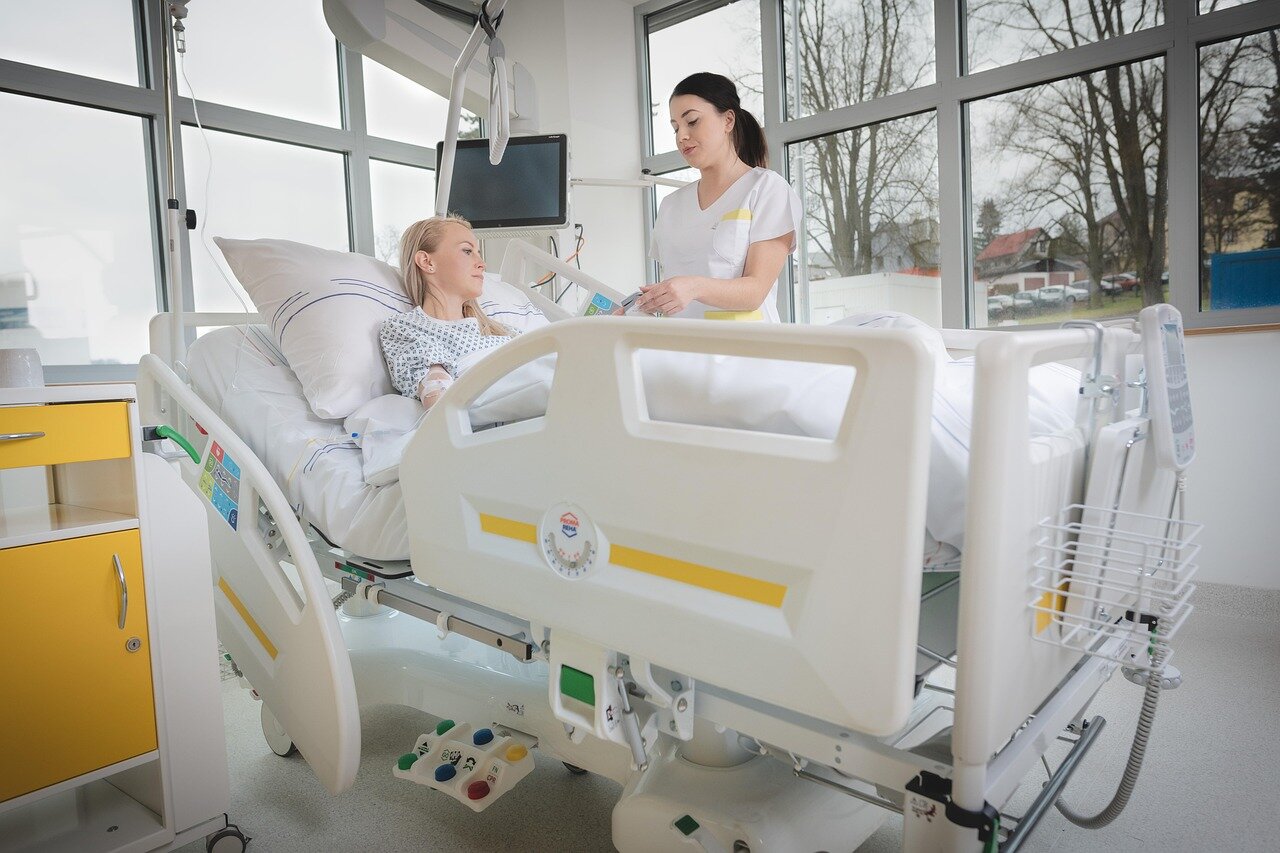
In the short term, the implementation of the rooftop ward may lead to increased operational costs and logistical challenges for hospitals. Facilities will need to adapt to the unique requirements of outdoor care, which could strain resources. However, in the mid-term, hospitals may see a shift in patient outcomes, leading to shorter recovery times and reduced readmission rates, ultimately benefiting the healthcare system.
- Risks: Potential logistical challenges and increased operational costs.
- Opportunities: Improved patient outcomes and enhanced staff morale.
- Community Impact: A potential shift in public perception of healthcare facilities as more humane and patient-centered.
Regions with hospitals that adopt this model may also experience a ripple effect, influencing policy discussions around healthcare infrastructure. As more facilities consider similar initiatives, there may be opportunities for investment in outdoor healthcare spaces, which could reshape the landscape of patient care and recovery.
A: The rooftop intensive care ward is designed to provide patients with access to outdoor environments, which can significantly enhance their mental well-being and recovery process. A: Exposure to natural light and fresh air can reduce stress, improve mood, and promote faster recovery, making outdoor access a valuable component of patient care. A: Safety is a top priority, and the ward is equipped with necessary medical facilities and staff to ensure that patients receive proper care while enjoying the outdoor setting. A: Initial feedback from patients has been overwhelmingly positive, with many expressing joy and relief at being able to experience the outdoors during their recovery. A: The success of this initiative may inspire other healthcare facilities to explore similar outdoor options to enhance patient care and recovery.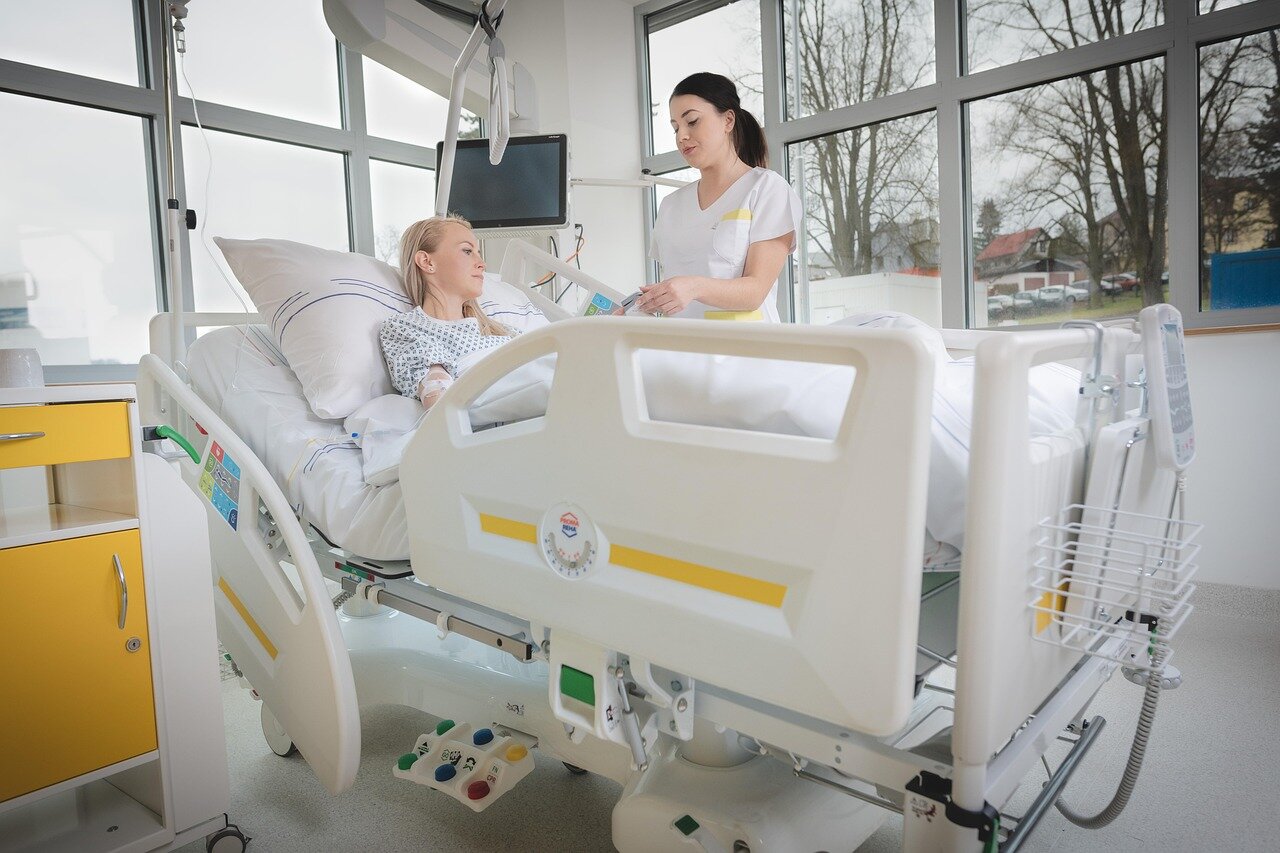
Frequently asked questions about the rooftop intensive care ward
Future outlook on outdoor experiences in healthcare
The opening of an intensive care ward on a rooftop marks a significant shift in how healthcare environments are designed. This innovative approach not only prioritizes patient well-being but also acknowledges the therapeutic benefits of nature and fresh air. As healthcare systems continue to evolve, integrating outdoor experiences could become a standard practice, promoting recovery and enhancing the overall quality of care.
Looking ahead, the implications of this development extend beyond immediate patient care. It signals a growing recognition of the importance of holistic treatment methods that consider the psychological and emotional needs of patients. By creating spaces that connect individuals with the outdoors, healthcare facilities can foster a more healing environment that supports both physical and mental health.
- Watch for increased investment in outdoor spaces within healthcare facilities as a means to enhance patient recovery.
- Monitor how patient outcomes improve with the integration of nature into treatment plans and hospital designs.
- Consider the potential for outdoor experiences to reduce stress and anxiety in both patients and healthcare staff.
- Expect future research to focus on the long-term effects of outdoor exposure on health and wellness in clinical settings.
- Stay informed about policy changes that may encourage or mandate outdoor access in healthcare environments.