


According to a report from the Pew Research Center in 2023, 69% of adults in the United States stated that they felt overwhelmed by the constant flow of information on social media. This overwhelming presence can lead to feelings of inadequacy and social isolation, further impacting well-being, as highlighted in other studies linking excessive social media use to mental health decline.
A study published in the journal “Cyberpsychology, Behavior, and Social Networking” in early 2023 indicated that users often compare their lives to curated online personas, which can distort self-image and lead to dissatisfaction. As a result, many experts are calling for a reevaluation of social media habits and the need for digital literacy education, which can help users develop healthier online behaviors.

In response to these concerns, some countries are beginning to implement regulations aimed at mitigating the impact of social media on public health. For instance, in early 2023, the European Union proposed new guidelines to limit the amount of time minors can spend on social media platforms. These initiatives reflect a growing recognition of the need to address the mental health crisis linked to digital overuse.
Understanding the rise of social media platforms
In the early 21st century, social media platforms began to proliferate, fundamentally altering the way individuals communicate and interact. The launch of platforms like Facebook in 2004, Twitter in 2006, and Instagram in 2010 marked a significant shift in digital communication, allowing users to connect with friends, share content, and engage with a global audience. This rapid evolution of social media was fueled by advancements in technology, including the widespread availability of smartphones and high-speed internet, making it easier for people to access these platforms anytime and anywhere.
As social media gained popularity, it became a powerful tool for self-expression and community building. However, this newfound connectivity also introduced challenges. The addictive nature of social media, driven by algorithms designed to maximize user engagement, has led to excessive usage among individuals of all ages. Studies began to emerge highlighting the correlation between heavy social media use and negative mental health outcomes, such as anxiety, depression, and loneliness. This growing body of research has prompted discussions about the implications of social media on overall wellbeing.

The economic impact of social media
The pressure to maintain an idealized online presence can exacerbate feelings of inadequacy and dissatisfaction, further impacting mental health, much like the findings of emerging research on the interplay between mental health and social media engagement.
Moreover, the political ramifications of social media cannot be overlooked. During pivotal moments such as elections and social movements, platforms have played a crucial role in shaping public opinion and mobilizing action. However, the spread of misinformation and cyberbullying has raised concerns about the ethical responsibilities of social media companies. These issues have led to calls for greater regulation and accountability, as society grapples with the fine line between free expression and the potential harms of excessive social media engagement.
Key issues surrounding social media and mental health
The rise of social media has transformed communication, yet it has also raised significant concerns regarding mental health and overall wellbeing. Various stakeholders, including users, technology companies, mental health professionals, and governments, are deeply invested in understanding and addressing these issues. Each group has distinct interests, often leading to conflicts and trade-offs that complicate the narrative surrounding social media’s impact on wellbeing.
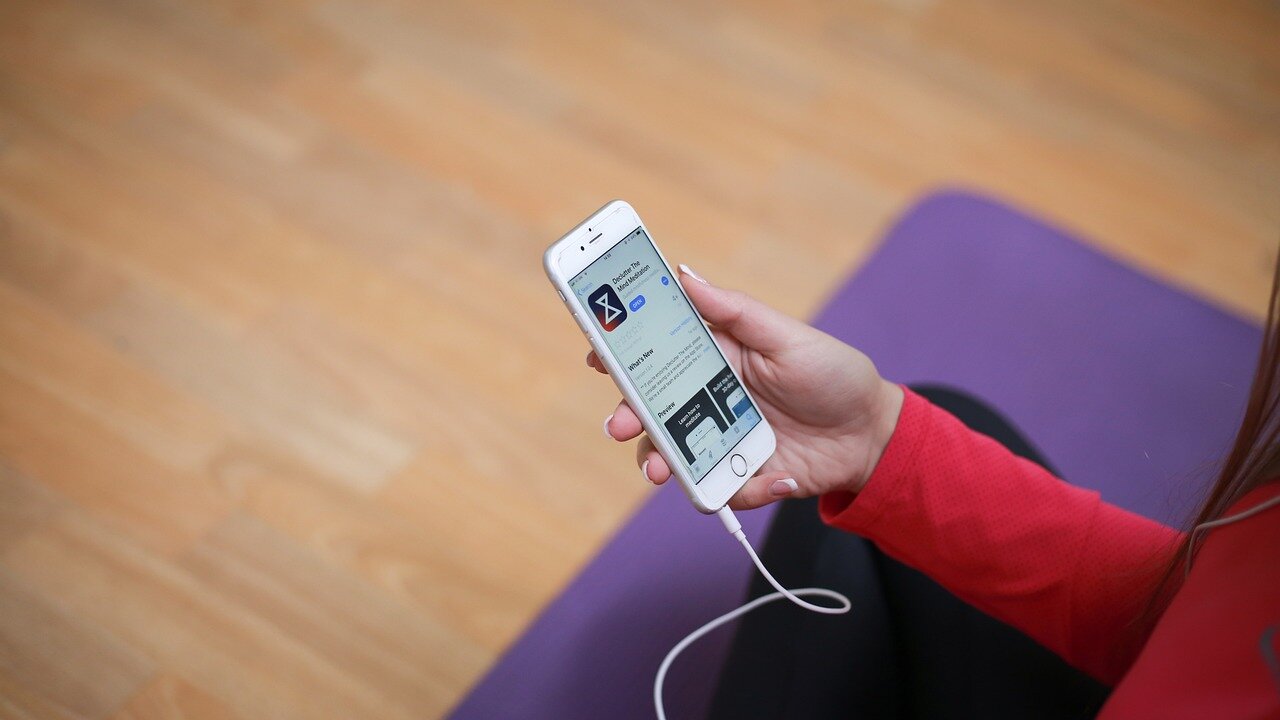
Users, particularly younger demographics, are often drawn to social media for connection and entertainment. However, excessive use can lead to negative outcomes such as anxiety, depression, and feelings of isolation. Mental health professionals advocate for awareness and education regarding these risks, emphasizing the need for balanced usage. This creates a tension between the desire for connection and the necessity for mental health preservation.
Technology companies, on the other hand, prioritize user engagement and revenue generation, often at the expense of user wellbeing. Their algorithms are designed to maximize screen time, which can exacerbate mental health issues. This raises ethical questions about corporate responsibility and the need for regulation. Governments are increasingly called upon to intervene, balancing the interests of innovation with the public’s health.
- Data Privacy Concerns: The collection and use of personal data by social media platforms can lead to privacy violations, impacting users’ mental health.
- Regulatory Challenges: Governments face difficulties in establishing effective regulations that protect users without stifling technological advancement.
- Economic Implications: The economic model of social media relies on advertising, which can conflict with user wellbeing if it encourages addictive behaviors.
- Public Awareness: There is a growing need for public education on the potential risks of excessive social media use and its effects on mental health.
As these stakeholders navigate their interests, the conversation surrounding social media and mental health continues to evolve. The challenge lies in finding a balance that protects users while allowing for innovation and connection in an increasingly digital world.

Who is affected by excessive social media use
Excessive social media use affects a wide range of groups, including teenagers, young adults, and even older individuals who engage with these platforms. The mental health of adolescents is particularly vulnerable, as they are in a critical stage of development where social validation is crucial. Additionally, industries such as mental health services, education, and marketing are also impacted, as they must adapt to the changing dynamics of social interaction and consumer behavior driven by social media.
In the short term, individuals may experience increased anxiety, depression, and feelings of isolation due to the constant comparison with others online. This can lead to decreased productivity in workplaces and educational settings, as attention is diverted to social media interactions rather than essential tasks. The immediate effects can also manifest in physical health issues, such as disrupted sleep patterns and sedentary lifestyles.
In the mid-term, excessive social media use could drive policy changes, particularly in the realm of mental health support and educational programs. Schools and workplaces may implement stricter guidelines on social media use to foster healthier environments. Businesses may also face challenges as consumer trust erodes due to misinformation and negative experiences associated with social media advertising.

- Risks: Increased mental health issues, decreased productivity, and potential regulatory changes.
- Opportunities: Growth in mental health services, demand for digital wellness products, and innovations in social media management tools.
Regions with high social media penetration, such as North America and parts of Europe, are likely to experience these impacts more acutely. However, emerging markets in Asia and Africa are also witnessing rapid social media adoption, which could lead to similar challenges as their digital landscapes evolve. The global nature of social media means that these effects are not confined to any single area, but rather span across various cultures and economies.
A: Excessive social media use can lead to anxiety, depression, and feelings of isolation. Users may compare themselves to others, leading to low self-esteem and negative body image. A: Signs of social media addiction include spending excessive time online, neglecting personal relationships, and feeling anxious when not using social media. It can also manifest as compulsive checking of notifications. A: Yes, social media can foster connections and support networks. However, moderation is key to ensuring that its use remains beneficial rather than harmful. A: Setting time limits, curating content, and taking regular breaks from social media can help mitigate its negative effects on mental health. A: Research indicates that younger individuals, particularly teenagers, are more vulnerable to the negative impacts of social media due to their developmental stage and social pressures.
Frequently asked questions about social media and wellbeing
Key takeaways and future outlook on social media use
The increasing evidence linking excessive social media use to negative impacts on wellbeing highlights the need for a more mindful approach to digital engagement. As individuals navigate their online lives, understanding the psychological effects of constant connectivity becomes essential. The challenge lies in balancing the benefits of social media with its potential drawbacks, particularly concerning mental health and interpersonal relationships.
Looking ahead, it is crucial for users, platforms, and policymakers to consider strategies that promote healthier social media habits. By fostering environments that prioritize wellbeing, we can mitigate the adverse effects while still enjoying the benefits of digital connectivity.
- Encourage regular digital detoxes to foster real-world connections and reduce dependency on social media.
- Advocate for features on social media platforms that promote positive interactions and discourage harmful behaviors.
- Monitor personal social media usage and its effects on mood and mental health to identify patterns and necessary adjustments.
- Engage in discussions about digital literacy to empower users to navigate social media mindfully.
- Support research initiatives that explore the long-term effects of social media on mental health and wellbeing.