


Trivers’ research not only influenced the scientific community but also sparked public interest in the complexities of human behavior. His theories have been applied across various disciplines, including psychology, anthropology, and sociology, highlighting the interconnectedness of evolution and social dynamics, as discussed in related articles on transformations in society.
Throughout his career, Trivers faced both acclaim and controversy, often challenging established norms within the scientific community. His eccentric personality and unconventional methods made him a unique figure, as he frequently emphasized the importance of questioning traditional perspectives on human evolution.
The impact of Trivers’ work continues to resonate, as contemporary researchers build on his insights to explore issues such as cooperation, competition, and the evolutionary basis of morality. His passing is not just a loss for his family and friends, but for the broader scientific community that has benefited from his innovative thinking.
Understanding the contributions of Robert Trivers to science and society
Robert Trivers, who passed away at the age of 83, was a pioneering figure in the field of evolutionary biology and psychology. His work has had a profound impact on our understanding of human nature, particularly in the areas of altruism, deception, and social behavior, which are also explored in pieces regarding cultural shifts.

Born in 1943, Trivers came of age during the social upheaval of the 1960s, a period marked by civil rights movements, anti-war protests, and a growing skepticism toward authority. This environment shaped his views and fueled his desire to explore the complexities of human relationships through the lens of evolutionary theory. His seminal works, including the concepts of reciprocal altruism and parental investment, not only advanced scientific discourse but also resonated with the societal shifts of his time, emphasizing the interconnectedness of individuals within a social framework.
One of Trivers’ key milestones was the introduction of the theory of reciprocal altruism in 1971, which posited that individuals are more likely to help others when they expect a future benefit in return. This groundbreaking idea has since influenced various fields, including psychology, economics, and even political science, as it provides a biological basis for cooperation among individuals. His exploration of deception in the context of evolution further expanded the understanding of human interactions, revealing how traits that seem maladaptive can arise in competitive environments.
The Legacy of Trivers’ Work
Trivers’ contributions have not only enriched academic discourse but have also sparked debates about morality, ethics, and the nature of human relationships. His theories have been instrumental in shaping contemporary views on social behavior, prompting researchers and thinkers to reconsider the motivations behind altruism and self-interest, similar to the discussions observed in current societal debates.
Examining Trivers’ theories and their impact on our understanding of human behavior
Robert Trivers, an influential figure in evolutionary biology, has left a profound legacy through his exploration of human nature and social behavior. His theories, particularly those related to parental investment and reciprocal altruism, have sparked significant discussions among scientists, ethicists, and policymakers. These discussions often center around the implications of his work for understanding cooperation, competition, and the evolution of social behaviors in humans.
Key stakeholders in the discourse surrounding Trivers’ theories include academic institutions, research organizations, and interdisciplinary think tanks. These entities have a vested interest in furthering the understanding of human behavior, which can inform various fields such as psychology, sociology, and economics. Additionally, policy-makers may utilize insights derived from Trivers’ work to shape social policies that address issues like family dynamics, social welfare, and community engagement.
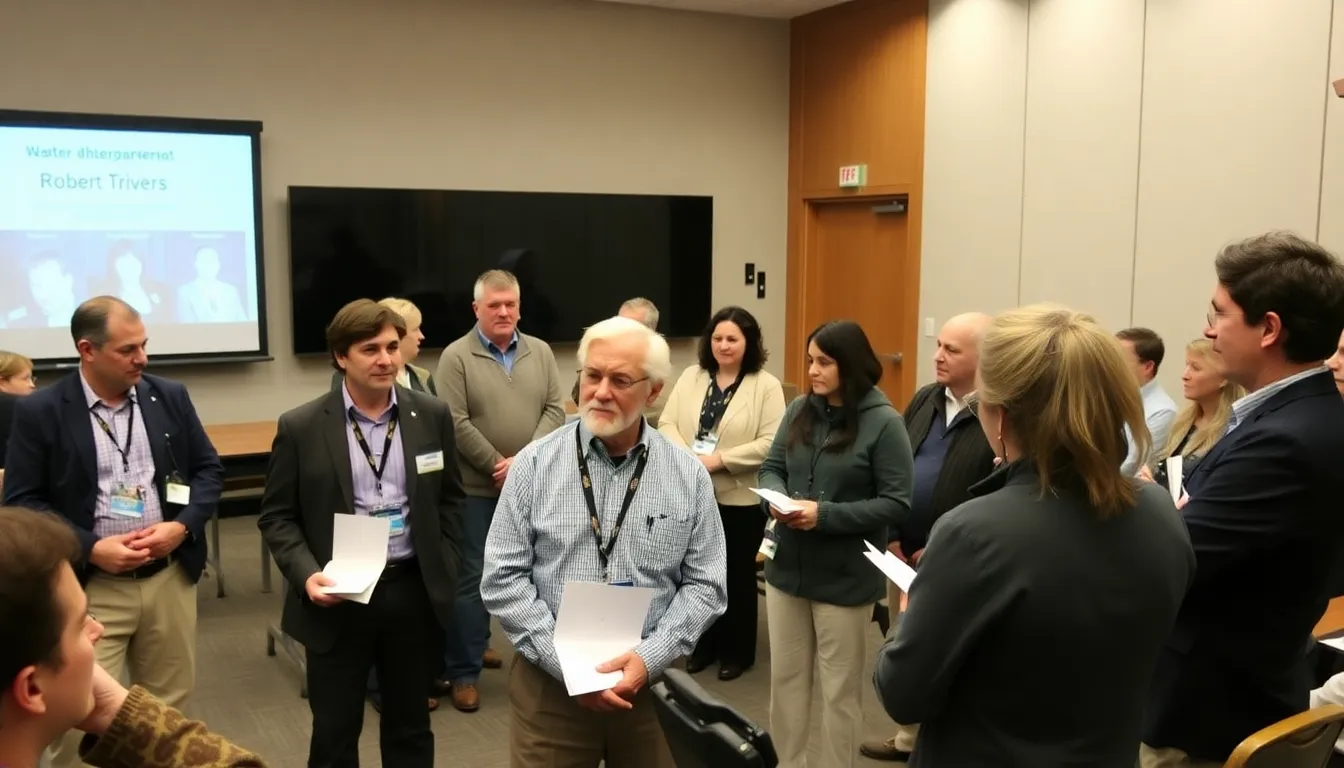
- Academics and Researchers: They seek to build upon Trivers’ foundational theories to explore new avenues in evolutionary psychology and behavioral economics.
- Ethicists: They grapple with the moral implications of Trivers’ findings, particularly in relation to human altruism and selfishness.
- Policy-makers: They are interested in applying insights from Trivers’ work to develop policies that promote social cooperation and address inequalities.
However, the application of Trivers’ theories is not without conflict. Critics argue that some interpretations of his work may lead to deterministic views of human behavior, potentially undermining the role of culture and free will. This tension between biological determinism and sociocultural influences presents ongoing debates within academic circles and beyond.
Moreover, the economic implications of Trivers’ theories can be significant. Understanding the dynamics of cooperation and competition can inform business strategies and economic models. Organizations may leverage insights from evolutionary biology to foster collaborative environments or to navigate competitive markets effectively. Balancing these interests while ensuring ethical considerations remain at the forefront is a challenge that stakeholders must navigate in the wake of Trivers’ contributions.
The legacy of Robert Trivers and its influence on future research
The passing of Robert Trivers, a pioneering figure in the study of evolutionary biology and human behavior, resonates across various academic fields, influencing researchers, educators, and students alike. His work has significantly impacted psychology, sociology, and anthropology, shaping how these disciplines understand human nature and social interactions. The academic community, particularly those focused on evolutionary theory, will feel the loss of his unique insights and provocative ideas.
In the short term, the immediate impact may be seen in the academic circles where Trivers’ theories are foundational. Universities and research institutions may experience a surge in interest in his work, prompting discussions, seminars, and publications that revisit his contributions. This could lead to a renewed focus on evolutionary psychology and behavioral ecology, potentially inspiring new research projects and collaborations.
In the mid-term, industries such as education, healthcare, and public policy may begin to incorporate Trivers’ theories into their frameworks. For example, educators might adapt curricula to include his insights on altruism and cooperation, which could influence teaching methodologies and student engagement. Additionally, policymakers may draw on his research to create programs aimed at fostering cooperation and understanding within communities, enhancing social cohesion.

- Short-term academic engagement: Increased discussions and research initiatives in evolutionary biology.
- Mid-term curriculum changes: Educational institutions may revise programs to include Trivers’ theories.
- Policy development: Potential for new community programs focusing on cooperation and altruism.
- Industry collaboration: Opportunities for interdisciplinary research projects across social sciences.
While the loss of Trivers presents risks of diminished discourse in evolutionary theory, it also opens avenues for new scholars to build upon his work. By revisiting and expanding his ideas, the academic community can foster innovative approaches to understanding human behavior, ensuring that his legacy continues to inspire future generations of researchers and thinkers.
A: Robert Trivers is best known for his theories on reciprocal altruism and parental investment, which have significantly influenced evolutionary biology and psychology. A: His insights into human behavior and social interactions have provided a framework for understanding cooperation and competition among individuals. A: Trivers applied evolutionary principles to human behavior, arguing that many social behaviors can be understood through the lens of natural selection. A: Yes, he received numerous accolades throughout his career, including election to the National Academy of Sciences for his groundbreaking work. A: His passing may inspire new discussions and research directions, as scholars reflect on his theories and their relevance to contemporary issues.
Frequently asked questions about Robert Trivers
Reflecting on the life and work of Robert Trivers
Robert Trivers leaves behind a legacy that challenges our understanding of human behavior and evolutionary psychology. His groundbreaking theories on reciprocal altruism and parental investment have reshaped the discourse on human nature, prompting both admiration and critique. As we remember his contributions, it is essential to consider how his insights can inform current and future studies in biology, psychology, and social sciences.
Trivers’ work encourages a deeper examination of the complexities of human relationships and the evolutionary forces that shape them. The implications of his theories extend beyond academia, influencing practical applications in fields such as conservation, economics, and even artificial intelligence. Observing the ongoing relevance of his ideas will be crucial as society grapples with moral and ethical dilemmas in an increasingly interconnected world.
- Interdisciplinary Approaches: Trivers’ theories can inspire collaborative research between fields like psychology, sociology, and economics to better understand human behavior.
- Ethical Considerations: His work prompts reflection on moral implications in decision-making processes, particularly in areas like healthcare and environmental policy.
- Evolutionary Insights: Continued exploration of his ideas may yield new understanding of social dynamics in both human and animal populations.
- Educational Impact: Incorporating Trivers’ concepts into curricula can enhance critical thinking about human behavior and societal structures among students.