


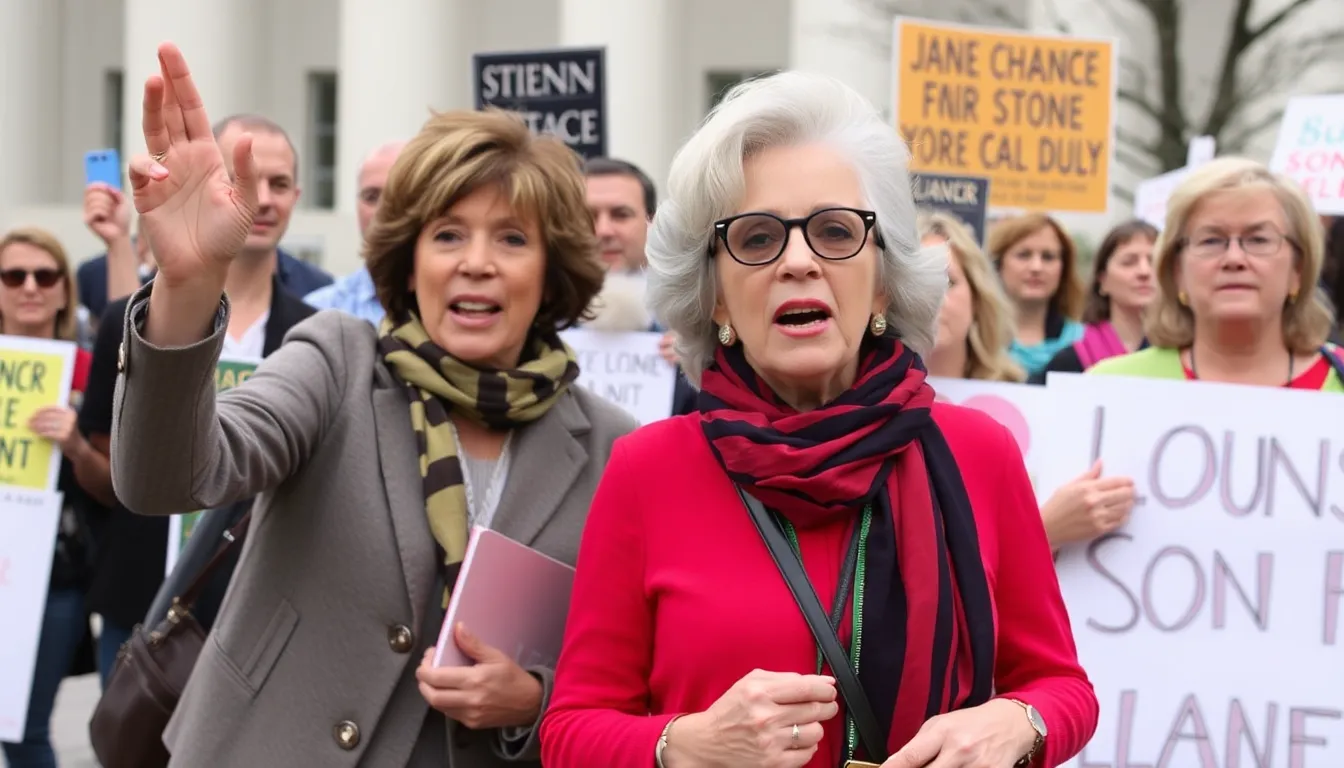
The event highlighted ongoing struggles related to climate change, racial inequality, and economic disparity. Fonda and Baez, both iconic figures in the fight for social justice, used their platforms to urge the audience and policymakers to take immediate action in addressing these pressing challenges. This kind of activism is crucial, as seen in our article about Britain’s tech empire, which discusses systemic issues.
As the crowd chanted and held signs, the protest underscored the importance of civic engagement and the role of public figures in advocating for marginalized communities. The gathering served as a reminder that despite the challenges faced, collective action can lead to meaningful dialogue and potential policy changes.
This demonstration also reflects a broader movement, as similar protests have been occurring across the nation, drawing attention to issues that many believe are being overlooked by those in power. The presence of Fonda and Baez at the Kennedy Center signifies the urgency of these matters and the need for continued activism.
Understanding the Historical Significance of the Kennedy Center
The John F. Kennedy Center for the Performing Arts, inaugurated in 1971, stands as a national monument to the arts in the United States. Named after the 35th President, who championed cultural initiatives, the center has long been a venue for artistic expression and political discourse. Over the decades, it has hosted countless performances that reflect the social and political climate of the times, making it a critical site for both celebration and protest.
The intersection of art and activism has a rich history in the United States, with figures like Jane Fonda and Joan Baez at the forefront of various movements. Fonda, an actress and activist, became prominent in the anti-Vietnam War movement during the 1960s and 70s, using her platform to challenge government policies and advocate for peace. Similarly, Baez, a folk singer and civil rights activist, has utilized her music to address social injustices, including the Vietnam War and civil rights issues. Their presence outside the Kennedy Center symbolizes a continuation of this legacy, where art meets activism, much like how gaming enhances real-life skills reflects the convergence of different fields.
The Role of Protests in American History
Protests have played a pivotal role in shaping American society, often serving as catalysts for change. From the Civil Rights Movement to the Women’s Suffrage Movement, public demonstrations have highlighted societal grievances and pushed for reforms. The Kennedy Center, as a cultural institution, has witnessed many of these moments, making it an appropriate backdrop for contemporary protests. The ongoing debates surrounding issues such as climate change, social equity, and political accountability continue to inspire artists and activists alike to raise their voices in public spaces, similar to how tributes pour in for notable figures in times of change.
In recent years, the political landscape has become increasingly polarized, prompting artists like Fonda and Baez to take a stand once again. Their protest at the Kennedy Center is not just a reflection of current issues but also a reminder of the historical context in which they have always operated. By invoking their past activism, they draw attention to the urgent need for societal change, illustrating how the arts can serve as a powerful platform for advocacy and awareness.
Key Issues and Stakeholders Involved in the Protest
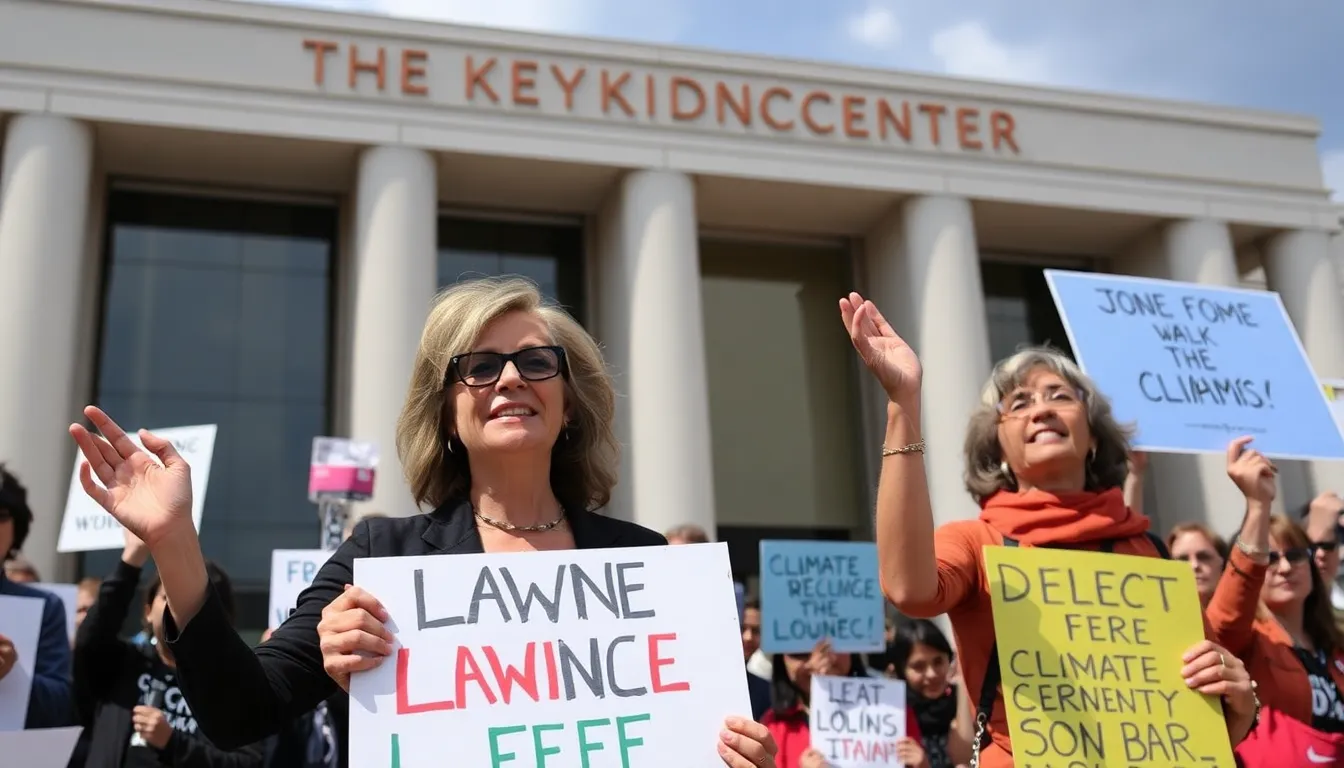
The recent protest outside the Kennedy Center, led by prominent figures Jane Fonda and Joan Baez, has brought to light a variety of stakeholders and key issues surrounding social and environmental justice. The presence of these influential activists highlights the ongoing struggles against governmental policies and corporate practices that many believe undermine democratic values and public welfare.
Among the main actors in this scenario are the protesters themselves, including Fonda and Baez, who are vocal advocates for climate action and human rights. Their interests lie in raising awareness about pressing social issues, mobilizing public support, and influencing policy changes. On the other side, the stakeholders include government entities and corporations whose decisions directly impact social and environmental conditions.
Key conflicts arise from differing priorities between activists and those in power. While activists advocate for immediate and comprehensive action to address climate change and inequality, government and corporate stakeholders often prioritize economic growth and stability, leading to trade-offs that can compromise environmental and social standards. This dichotomy raises questions about the legal frameworks that govern corporate accountability and environmental protection.
- Activists’ Interests: Advocating for social justice, environmental sustainability, and policy reform.
- Government Interests: Balancing economic growth with regulatory responsibilities and public welfare.
- Corporate Interests: Maximizing profits while navigating public relations and regulatory compliance.
- Public Sentiment: Growing concern over climate change and social inequality, influencing political and corporate agendas.
- Legal Issues: Debates over the effectiveness of existing laws in protecting the environment and ensuring corporate accountability.
This protest underscores the complexities of advocacy in the modern era, where diverse interests collide and the stakes are high for both the environment and society. Understanding these dynamics is crucial for comprehending the broader implications of such public demonstrations.
Who is Affected by the Protest and Its Implications
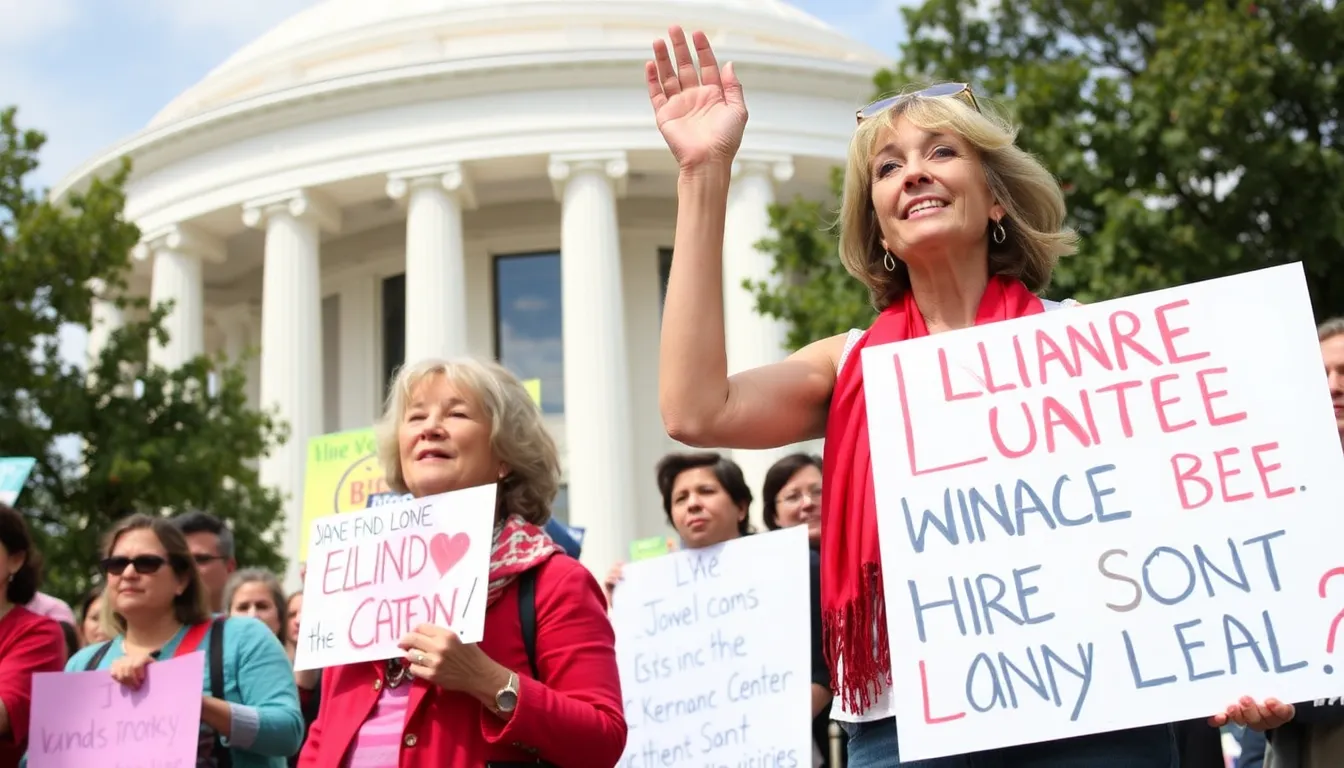
The protest outside the Kennedy Center, featuring prominent figures like Jane Fonda and Joan Baez, resonates with various groups, including environmental activists, social justice advocates, and the arts community. These individuals and organizations are united in their call for systemic change, particularly regarding climate policies and social equity. The visibility of such high-profile activists amplifies the message, drawing attention from both supporters and critics alike.
In the short term, the protest is likely to impact local businesses around the Kennedy Center, particularly those reliant on foot traffic from visitors attending performances and events. The disruption caused by the gathering may deter some patrons, leading to a temporary decline in sales for restaurants, shops, and other service providers in the vicinity. Additionally, local law enforcement and city resources may be stretched thin, affecting their ability to manage regular activities in the area.
In the mid-term, the implications of the protest could extend to policy discussions at both local and national levels. If the movement gains traction, it may influence lawmakers to prioritize environmental legislation and social justice initiatives, potentially reshaping funding allocations and regulatory frameworks. This could lead to increased investments in green technologies and community programs, fostering new business opportunities in sustainable industries.
- Risks: Potential decline in local business revenue and increased strain on public resources.
- Opportunities: Growth in sustainable industries and heightened awareness of social issues.
Moreover, the protest may inspire a wave of activism, encouraging more individuals to engage with social and environmental causes. This grassroots mobilization can lead to a more informed and active citizenry, which may drive demand for responsible business practices and greater corporate accountability. As public sentiment shifts, companies may find it beneficial to align their strategies with these emerging values to maintain consumer loyalty and market relevance.
Frequently Asked Questions About the Protest
A: The protest was organized to raise awareness about ongoing social injustices and to encourage public action against them.
A: The protest garnered significant media attention and drew a diverse crowd of supporters, highlighting widespread concern for the issues raised.
A: Yes, organizers are planning further demonstrations and community discussions to keep the momentum going and engage more people.
A: The protest focuses on social justice, environmental concerns, and the need for systemic change in various policies affecting marginalized communities.
Key Takeaways and Future Outlook on the Movement
The recent protest outside the Kennedy Center, led by Jane Fonda and Joan Baez, underscores the enduring power of activism in shaping public discourse. Their presence not only highlights ongoing social issues but also serves as a reminder of the role that influential figures can play in galvanizing support for critical causes. As the movement evolves, the engagement of seasoned activists alongside younger generations may foster a more inclusive dialogue about the future of social justice.
Looking ahead, the implications of this protest extend beyond the immediate moment, signaling a potential resurgence in grassroots movements. The collaboration between established icons and emerging voices could pave the way for innovative strategies that resonate with a broader audience, encouraging more individuals to participate in advocacy efforts.
- Increased Visibility: High-profile protests can draw attention to pressing social issues, potentially influencing public opinion and policy.
- Intergenerational Collaboration: The partnership between veteran activists and younger advocates may lead to a more dynamic and diverse movement.
- Grassroots Mobilization: The event may inspire local communities to organize their own initiatives, fostering a culture of activism.
- Media Engagement: Continued media coverage of such protests can amplify the messages being conveyed, reaching wider audiences.