


The recommendation highlights the ongoing public health challenge posed by measles, a highly contagious virus that can lead to severe complications. According to the Centers for Disease Control and Prevention (CDC), measles cases in the U.S. have seen a significant uptick in recent years, with over 1,200 reported cases in 2019 alone, underscoring the importance of vaccination.
Kennedy’s statement aligns with the broader efforts of health organizations to combat misinformation about vaccines. As debates over vaccine mandates continue to polarize communities, his endorsement of the measles vaccine may influence parents’ decisions and contribute to increased vaccination rates.
The timing of this announcement is critical, as health officials prepare for the upcoming school year when vaccination rates are particularly scrutinized. With many states requiring proof of vaccination for school enrollment, Kennedy’s advocacy could play a vital role in shaping public perceptions and policies regarding childhood vaccinations.
Understanding the historical context of measles vaccination
The measles vaccine has a long and complex history that reflects broader societal attitudes toward public health and vaccination. Measles was once a common childhood illness, leading to significant morbidity and mortality before the introduction of the vaccine in the early 1960s. The development of the vaccine was a landmark achievement in public health, as it drastically reduced the incidence of measles, which was responsible for millions of cases and thousands of deaths annually.
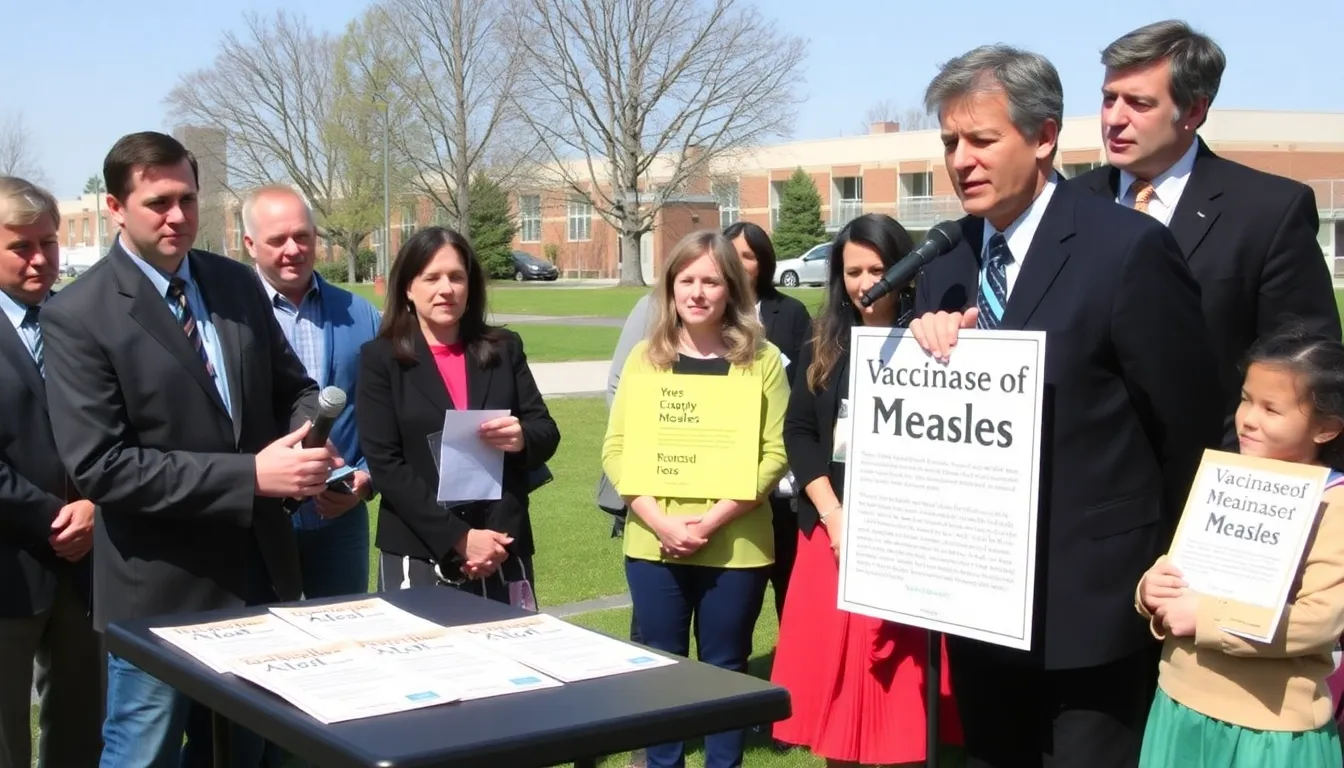
However, the emergence of vaccine hesitancy, fueled by misinformation and distrust in pharmaceutical companies and government health agencies, has complicated these efforts. Understanding this issue is crucial for public health, similar to how societal attitudes can shape the effectiveness of vaccination campaigns.
Political dynamics have also played a significant role in the vaccination debate. In the U.S., the anti-vaccine movement gained traction in the late 1990s, coinciding with the publication of a now-discredited study that falsely linked the MMR (measles, mumps, rubella) vaccine to autism. This period marked a shift in public perception, as fear and skepticism began to overshadow the scientific consensus supporting vaccination. As a result, some communities experienced resurgences of measles, prompting public health officials to re-emphasize the importance of vaccination.
The Role of Public Health Advocacy
Public health advocates have been crucial in countering vaccine misinformation and promoting the benefits of vaccination. Figures like Robert F. Kennedy Jr. have emerged in the debate, often drawing attention to vaccine safety concerns while also advocating for increased vaccination rates. His recent statements urging all children to receive the measles vaccine reflect a growing recognition among some public figures of the need to address vaccine hesitancy and protect public health, particularly in light of recent outbreaks.
Key stakeholders and their perspectives on vaccination
In the ongoing discussion surrounding vaccination, particularly the recommendation by RFK Jr.’s department for all children to receive the measles vaccine, various stakeholders play crucial roles. These include public health officials, parents, healthcare providers, and advocacy groups, each with their own interests and concerns regarding vaccination policies.
Public health officials, including those from the Centers for Disease Control and Prevention (CDC) and the World Health Organization (WHO), advocate for widespread vaccination as a means to prevent outbreaks of measles and other communicable diseases. Their primary interest lies in protecting public health and ensuring herd immunity, which is essential for safeguarding vulnerable populations who cannot be vaccinated for medical reasons.
Parents are another key stakeholder group, often caught in the crossfire of conflicting information regarding vaccine safety and efficacy. Some parents may support vaccinations, prioritizing their children’s health and the well-being of the community. Others may harbor concerns about potential side effects or question the necessity of certain vaccines, leading to a divide in public opinion.
- Healthcare providers: They play a critical role in educating parents about the benefits and risks of vaccinations, often advocating for immunization based on scientific evidence.
- Advocacy groups: Organizations such as the Vaccine Advocacy Coalition work to promote vaccination, while others may focus on parental rights and vaccine choice, highlighting the complexity of the issue.
- Legal issues: In some regions, laws mandate vaccinations for school entry, raising debates about individual rights versus public health needs.
- Economic considerations: Vaccination programs can be costly, and debates often arise regarding funding, access, and the economic impact of potential disease outbreaks.
This ongoing dialogue highlights the complexities of vaccination policies and the need for informed decision-making in public health strategies, much like the discussions surrounding AI and technology evolution in our modern society.
Potential impact on public health and community safety
The announcement by RFK Jr. regarding the recommendation for all children to receive the measles vaccine is likely to affect various groups, including parents, healthcare providers, and educational institutions. Parents may feel compelled to reassess their children’s vaccination status, potentially leading to increased vaccination rates. Healthcare providers will need to prepare for a surge in vaccine administration, while schools may implement new policies regarding vaccination requirements for enrollment.
In the short term, communities may experience heightened discussions around vaccination, with some parents expressing concerns about vaccine safety. This could polarize opinions within neighborhoods, as some advocate for vaccination while others remain hesitant. Additionally, healthcare facilities might see an uptick in inquiries about vaccine availability and safety, impacting their operational focus.
In the mid-term, the push for measles vaccination could lead to significant changes in public health policy. Governments may implement stricter vaccination mandates in schools or daycare centers, aiming to increase herd immunity. This could also prompt businesses, particularly those in the healthcare and education sectors, to invest in educational campaigns about the benefits of vaccination.
- Increased vaccination rates: Potentially leading to herd immunity and reduced outbreaks.
- Policy changes: Stricter vaccination requirements in schools may be enacted.
- Healthcare impact: More resources allocated to vaccination drives and education.
- Community engagement: Opportunities for local health organizations to lead awareness campaigns.
However, there are risks associated with this push. Misinformation about vaccines may proliferate, leading to resistance among certain groups. Additionally, if vaccination rates do not improve as anticipated, public health officials may face challenges in controlling measles outbreaks, which could strain healthcare resources and instill fear in communities.
A: The measles vaccine is crucial for preventing outbreaks of this highly contagious disease, which can lead to serious health complications. A: Common side effects may include mild fever and rash, but serious side effects are rare. The benefits of vaccination far outweigh the risks. A: Children should typically receive the first dose of the measles vaccine between 12 and 15 months of age, with a second dose between 4 and 6 years. A: The measles vaccine is about 97% effective at preventing the disease after two doses, making it one of the most effective vaccines available. A: Vaccination rates can vary by region, but public health officials aim for at least 95% coverage to ensure herd immunity.
Frequently asked questions about the measles vaccine
Looking ahead: the importance of vaccination for future health
As discussions around vaccination continue to evolve, the emphasis placed by RFK Jr. and his department on the necessity of the measles vaccine for children highlights a critical public health consideration. The implications of widespread vaccination extend beyond individual health, impacting community immunity and the overall management of preventable diseases.
Monitoring vaccination trends and public sentiment will be essential in the coming months. As health authorities advocate for vaccines, the responses from parents, healthcare providers, and policymakers will shape the future landscape of public health initiatives.
- Increased Awareness: Expect a rise in public awareness campaigns aimed at educating families about the benefits and safety of the measles vaccine.
- Policy Developments: Watch for potential legislative changes that may mandate vaccinations for school entry, as seen in various states.
- Community Engagement: Local health departments may increase outreach efforts to address vaccine hesitancy and misinformation.
- Impact on Disease Rates: The effectiveness of vaccination campaigns will be measurable through changes in measles incidence rates over the next few years.
- Collaboration with Healthcare Providers: Strengthened partnerships between public health officials and healthcare providers will be crucial in promoting vaccination.