


One of the most pressing issues is the introduction of new power unit regulations set to take effect in 2026. These changes, aimed at increasing sustainability, require teams to adapt their engines to be more environmentally friendly while maintaining performance. Red Bull, along with its engine partner Honda, is currently focused on developing a competitive power unit that meets these new standards, especially in light of their recent experiences documented in F1 2025 recap.
Additionally, the competitive landscape in Formula 1 is evolving rapidly, with teams like Ferrari and Mercedes ramping up their efforts to close the gap. The 2025 season will serve as a critical testing ground for Red Bull as they seek to maintain their dominance amid heightened rivalry. The performance in the upcoming races will be instrumental in determining the team’s confidence heading into the regulatory shift.
Moreover, Red Bull’s driver lineup is also under scrutiny, with ongoing discussions about potential changes. The performance of their drivers, particularly in adapting to the new regulations, will be key in ensuring the team remains a frontrunner. As the 2026 season looms, the synergy between the drivers, engineers, and management will be vital for a successful transition.
In summary, Red Bull Racing faces significant challenges as it prepares for the future of Formula 1. The combination of new engine regulations, intensified competition, and potential driver changes will require a strategic approach to not only maintain their current standing but also to innovate for sustainable success in the sport, which can be better understood by examining the broader context of unity in challenges.
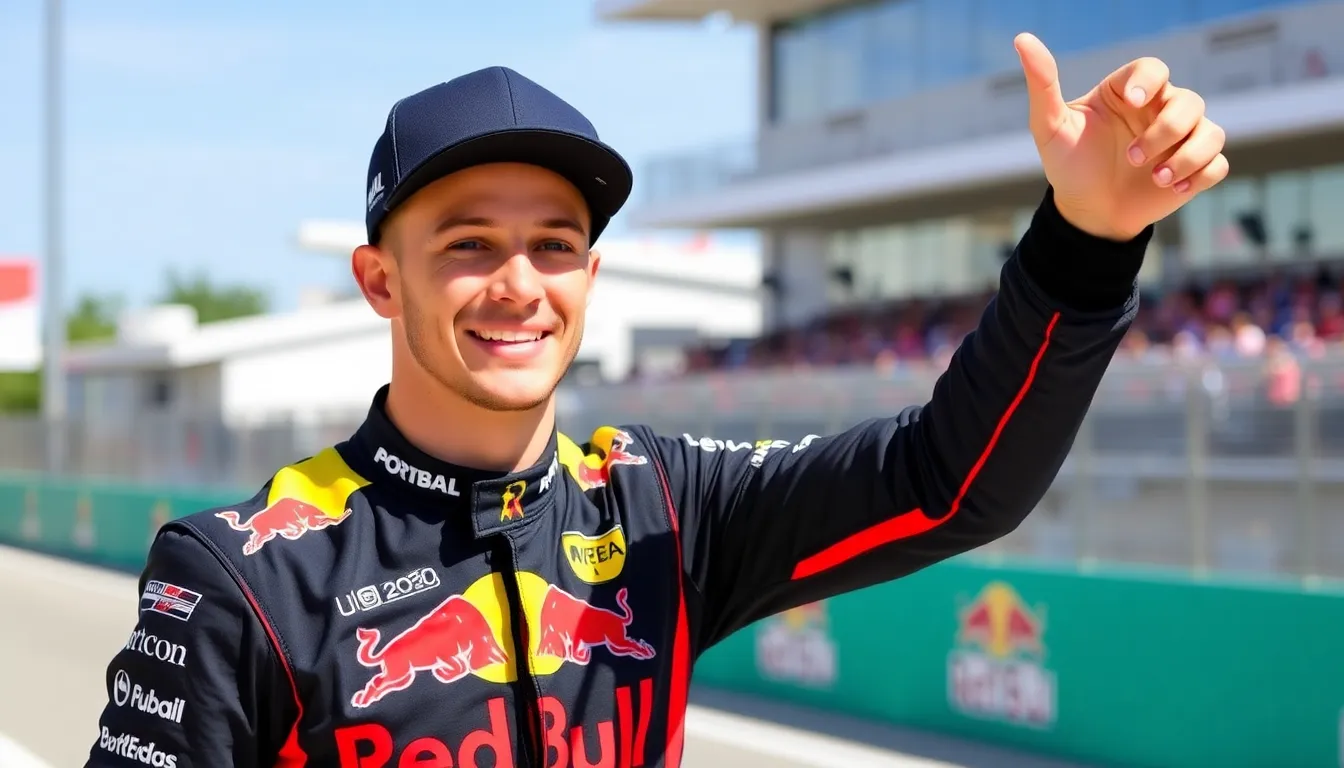
Understanding Red Bull’s historical performance and recent changes
Red Bull Racing has been a dominant force in Formula 1 since its inception in 2005. The team quickly established itself as a powerhouse, securing four consecutive World Championships from 2010 to 2013, largely thanks to the engineering prowess of Adrian Newey and the driving talent of Sebastian Vettel. However, the team faced a decline in performance in the years following this golden era, struggling to keep pace with rivals like Mercedes and Ferrari.
The decline was not merely a result of technical shortcomings; it was also influenced by the changing landscape of Formula 1 regulations and the introduction of hybrid power units in 2014. Red Bull’s partnership with Renault, which had been successful in the past, became strained as the team grappled with performance issues related to the power units. This led to a tumultuous period marked by frustration and a lack of competitive results, culminating in the team’s decision to switch to Honda engines in 2019.
The shift to Honda marked a pivotal moment for Red Bull, as the Japanese manufacturer began to close the performance gap with Mercedes. By 2021, Red Bull had returned to the top of the grid, culminating in Max Verstappen’s first World Championship. This resurgence was not only a testament to the engineering improvements made by Honda but also a reflection of Red Bull’s strategic decisions, including investing in driver development and fostering a strong team culture, as highlighted in the latest trends in competitive strategy.
The 2025 Turnaround Strategy
As Red Bull looks ahead to 2025, the team is implementing a comprehensive turnaround strategy that focuses on sustainability, innovation, and performance enhancement. This strategy is driven by the need to adapt to evolving regulations and the increasing importance of environmental considerations in motorsport. Key milestones in this plan include the development of a new power unit that aligns with the upcoming F1 regulations and a commitment to reducing the team’s carbon footprint. These efforts are expected to not only bolster Red Bull’s competitiveness but also set a precedent for other teams in the sport.
Looking towards F1 2026, the lessons learned from the 2025 turnaround will be crucial. Red Bull’s ability to adapt and innovate in response to regulatory changes will provide a roadmap for future success, ensuring that the team remains at the forefront of Formula 1 while navigating the challenges of a rapidly evolving landscape.
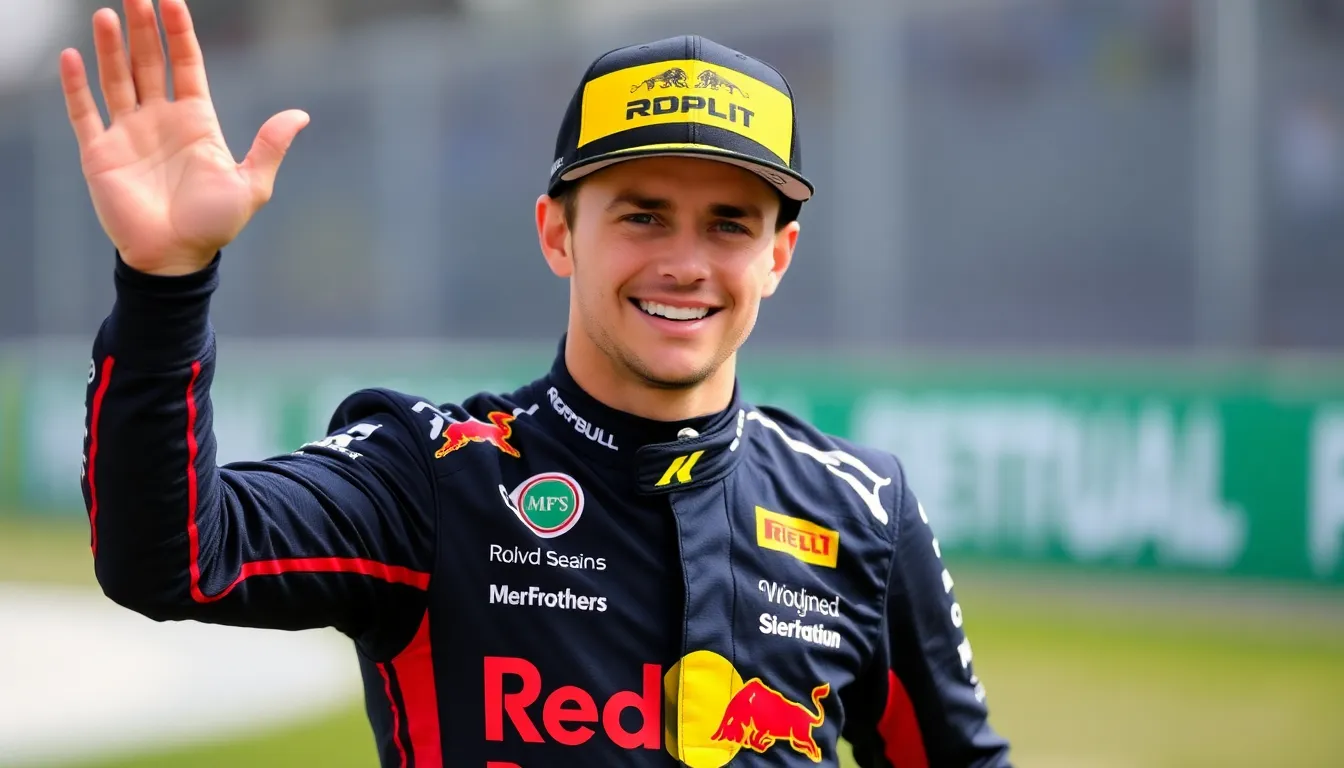
Key stakeholders and issues in Red Bull’s turnaround strategy
As Red Bull gears up for its ambitious turnaround strategy leading into the 2026 Formula 1 season, several key stakeholders are involved, each with distinct interests and potential conflicts. The primary actors include Red Bull Racing, its drivers, sponsors, the FIA (Fédération Internationale de l’Automobile), and rival teams. Understanding the dynamics among these stakeholders is crucial for grasping the implications of Red Bull’s strategy.
Red Bull Racing, as the main stakeholder, aims to enhance its competitive edge and market presence through innovative technology and strategic partnerships. The team’s management is focused on maximizing performance while adhering to the evolving regulatory framework set by the FIA. This involves significant investment in research and development, particularly in hybrid power units, which are central to the 2026 regulations.
Drivers also play a critical role in this ecosystem, as their performance directly impacts Red Bull’s success on the track. The interests of drivers are often aligned with those of the team, but individual aspirations for championship titles can lead to internal competition and conflicts, especially if multiple drivers vie for the same position. Additionally, driver contracts and their implications for team dynamics and performance are key issues that need careful navigation.
- Sponsors: Brands associated with Red Bull have a vested interest in the team’s success, as it directly affects their visibility and marketing reach. Their financial support is crucial for funding the turnaround strategy.
- FIA Regulations: The evolving regulatory landscape poses both opportunities and challenges. Compliance with new technical and environmental standards can impact costs and competitive parity among teams.
- Rival Teams: Competitors like Mercedes and Ferrari are not only direct rivals on the track but also influence the market dynamics and technological advancements that Red Bull must contend with.
Economic considerations are also paramount, as Red Bull must balance investment in technology and talent with the financial realities of operating in a highly competitive sport. The potential for increased revenue through enhanced performance and sponsorship deals must be weighed against the costs of development and compliance with regulations. This balancing act is critical for ensuring long-term viability in the sport.
The potential impact of Red Bull’s changes on the F1 market
As Red Bull gears up for its anticipated turnaround in 2025, various stakeholders within the Formula 1 ecosystem are poised to feel the effects. Key groups affected include teams, sponsors, broadcasters, and fans, particularly in regions where F1 has a strong following, such as Europe, Asia, and the Americas.
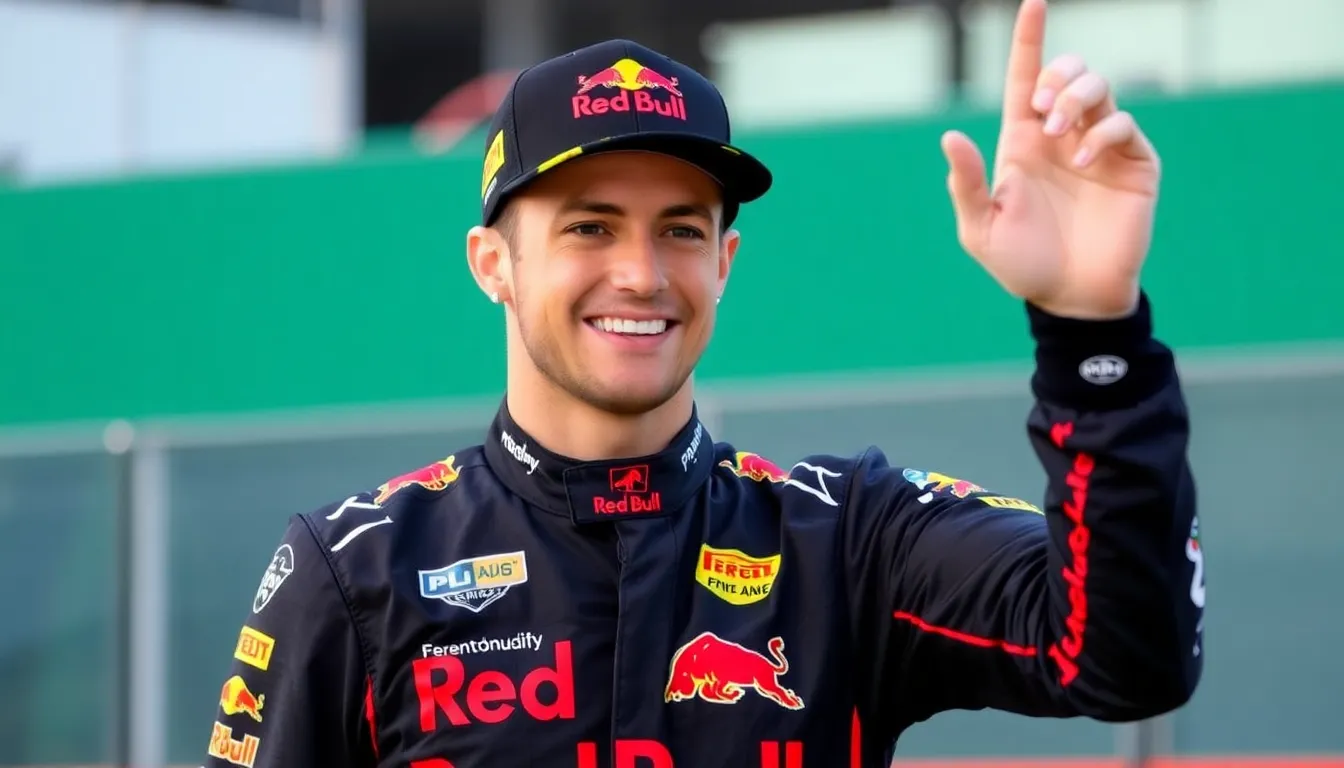
In the short term, Red Bull’s initiatives may lead to increased competition among teams, as rivals will need to innovate to keep pace. This could enhance the overall spectacle of F1 races, attracting more viewers and potentially boosting merchandise sales. Additionally, sponsors may see increased value in their partnerships with Red Bull, as the team’s performance and brand visibility rise.
Mid-term impacts could extend to business policies within the motorsport industry, as teams reassess their strategies in response to Red Bull’s success. This may lead to a shift in investment patterns, with more funds directed towards technology development and driver training programs. However, this competitive pressure could also pose risks for smaller teams that may struggle to secure sponsorships or maintain operational viability.
- Increased competition: Teams may innovate more to compete with Red Bull.
- Sponsor engagement: Enhanced visibility could attract more sponsorship opportunities.
- Regional growth: F1’s popularity may expand in emerging markets.
- Operational risks: Smaller teams may face financial difficulties.
Overall, as Red Bull implements changes, both risks and opportunities will surface, shaping the future landscape of F1 and influencing how stakeholders engage with the sport. The ripple effects of these changes will likely resonate beyond the racetrack, impacting various industries and communities connected to the F1 ecosystem.
A: Red Bull is focusing on enhancing its engineering capabilities and optimizing team dynamics to improve performance. These changes aim to address past shortcomings and boost competitiveness. A: The improvements made in 2025 are expected to translate into better car performance and strategic advantages in the 2026 season, positioning Red Bull as a strong contender. A: Red Bull may encounter challenges such as adapting to new regulations and maintaining team cohesion during the transition. Additionally, competition from rival teams will be a significant factor. A: Red Bull’s approach is unique as it combines technical innovation with a focus on team culture, which may set it apart from other teams that are also seeking to improve. A: Yes, successful performance improvements could attract new sponsorships and strengthen existing partnerships, providing additional resources for future development.
Frequently asked questions about Red Bull’s future in F1
Key insights and outlook for Red Bull in F1 2026
As Red Bull Racing gears up for the 2026 Formula 1 season, the team’s strategic decisions and innovative approaches from their 2025 turnaround will play a crucial role in shaping their competitive edge. With a focus on leveraging new power unit regulations and enhancing their overall performance, Red Bull is poised to maintain its position as a frontrunner in the championship. The integration of cutting-edge technology and a strong driver lineup will be essential as they navigate the evolving landscape of F1.
Looking ahead, several key factors will influence Red Bull’s success in the upcoming season. The team’s ability to adapt to regulatory changes, optimize their resources, and foster a culture of continuous improvement will be pivotal in securing their legacy in the sport.
- Monitor how Red Bull adapts its engineering strategies to meet the new power unit regulations.
- Watch for the impact of driver performance and team dynamics, particularly with any potential changes in the lineup.
- Evaluate the effectiveness of Red Bull’s partnerships and collaborations with technology providers.
- Consider the role of data analytics and simulation in enhancing race strategies and car performance.
- Keep an eye on the competitive landscape, particularly how rival teams respond to Red Bull’s innovations.