


The shift in attire seems to stem from a broader trend within professional sports, where comfort and practicality are increasingly prioritized over formal dress codes. This change was first observed during the early rounds of the tournament, which began on July 3, 2023, and has continued to be a topic of conversation as matches progress. Spectators have expressed mixed feelings, with some appreciating the more relaxed approach while others lament the loss of tradition. For more on how other sports handle dress codes, you might find our article on [Draper withdrawing from the Australian Open](https://thefocusinsight.com/draper-withdraws-australian-open-injury/) interesting.
Notably, the All England Club, which organizes Wimbledon, has yet to issue an official statement regarding the change in attire. This silence has left many wondering if the shift is a temporary measure or indicative of a long-term change in how officials are expected to present themselves at the tournament. The absence of formal dress has also prompted discussions about the impact on the tournament’s image and the expectations of its attendees.
The situation has drawn attention not only from tennis fans but also from fashion commentators, who are analyzing the implications of this shift for future sporting events. As Wimbledon continues, the evolving attire of officials may influence the broader conversation about dress codes in professional sports, highlighting the balance between tradition and modernity. With the tournament set to conclude on July 16, 2023, the final weeks may provide further clarity on this emerging issue.
Historical context of fashion at Wimbledon
Wimbledon, one of the oldest and most prestigious tennis tournaments in the world, has long been associated with a sense of tradition and decorum. Established in 1877, the event initially attracted a social elite who viewed it as an opportunity to showcase not only their athletic prowess but also their fashion sensibilities. In the early years, spectators donned formal attire, with men in suits and women in long dresses, reflecting the Victorian values of elegance and propriety.
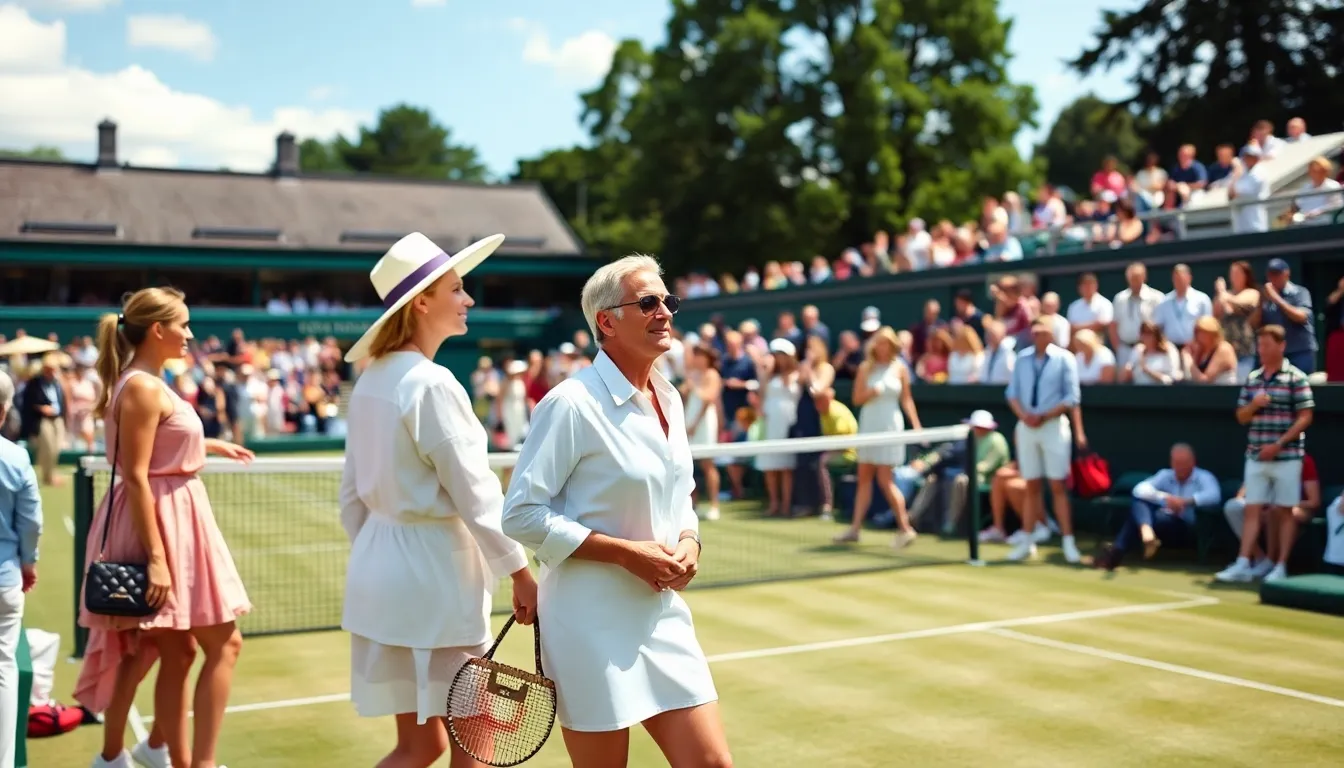
As the 20th century progressed, the fashion at Wimbledon evolved alongside societal changes. The rise of leisure culture in the post-war era saw a shift towards more casual yet stylish attire. The introduction of iconic fashion figures, such as tennis stars who became style icons, further influenced the sartorial choices of attendees. Events like the 1980s and 1990s saw vibrant colors and bold patterns replace the more conservative styles of previous decades, making fashion an integral part of the Wimbledon experience.
Political and economic shifts
However, the fashion landscape at Wimbledon began to shift dramatically in the 21st century due to various political and economic factors. The global economic downturn of 2008 led to a reevaluation of luxury spending, with many opting for more understated attire. Additionally, the rise of social media has democratized fashion, allowing for a wider array of styles and a departure from traditional norms. As a result, the ‘best-dressed officials’ who once graced the event have become less visible, giving way to a more casual and diverse representation of attendees.
Furthermore, the increasing emphasis on inclusivity and accessibility within the sporting world has also influenced the fashion narrative. The focus has shifted from elite status symbols to a celebration of individuality and personal expression. This transformation has led to a more relaxed dress code at Wimbledon, where comfort often takes precedence over formal attire, resulting in the absence of the once-prominent best-dressed officials. This shift echoes the discussions currently happening in the telecommunications sector, as seen in the [Ofcom investigation of BT and Three](https://thefocusinsight.com/ofcom-investigates-bt-three-emergency-calls/) for failing to connect emergency calls.
In conclusion, the evolution of fashion at Wimbledon reflects broader societal changes, from class distinctions to economic realities and cultural shifts. As the tournament continues to adapt to the modern era, the absence of the best-dressed officials serves as a reminder of how far the event has come from its traditional roots.
Key issues surrounding the fashion choices of officials
The absence of ‘best-dressed officials’ at Wimbledon has sparked discussions about the intersection of fashion, tradition, and the evolving expectations of public figures. This phenomenon can be attributed to various stakeholders, including tournament organizers, fashion brands, and the officials themselves, each with distinct interests and motivations. Interestingly, similar trends in branding strategies can be observed in technology, such as when [JerryRigEverything tested the Samsung Galaxy Z Trifold](https://thefocusinsight.com/jerryrigeverything-samsung-galaxy-bend-test/), prompting conversations about product durability versus aesthetics.
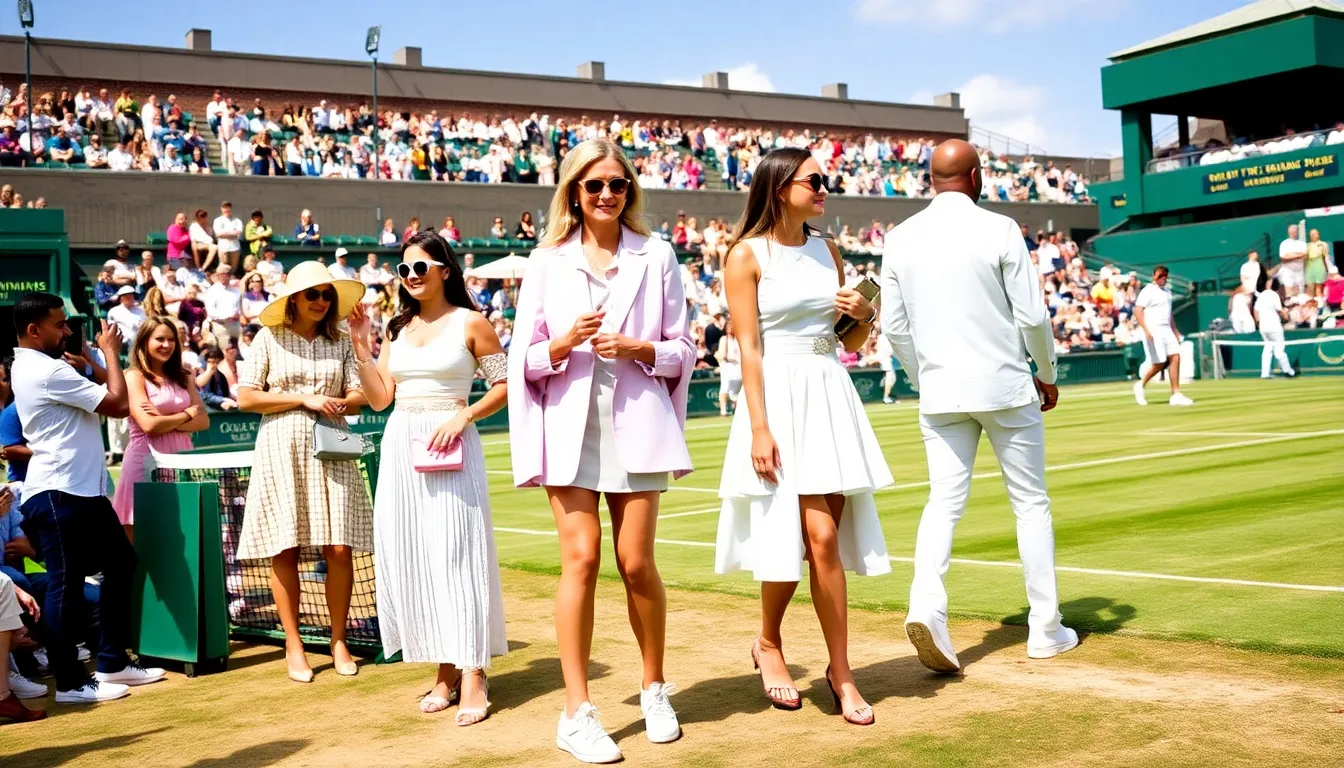
Wimbledon, as one of the most prestigious tennis tournaments in the world, is steeped in tradition. The All England Club, which organizes the event, has a vested interest in maintaining its image and ensuring that officials represent the tournament’s values. The club may prioritize decorum and professionalism over fashion statements, leading to a more conservative approach to attire.
Fashion brands also play a crucial role in this discussion. They often seek to associate themselves with high-profile events like Wimbledon to enhance their visibility and prestige. However, if officials do not embrace bold fashion choices, the opportunity for brands to showcase their designs diminishes, creating a potential conflict of interest between maintaining tradition and promoting modern fashion.
- Public Expectations: There is an increasing expectation for officials to reflect contemporary fashion trends, which can lead to scrutiny and criticism if they do not meet these standards.
- Economic Impact: The fashion industry may suffer economically if officials do not engage with brands, resulting in less visibility and fewer sponsorship opportunities.
- Cultural Shifts: Changing societal norms around dress codes and professionalism may clash with the traditional attire expected at Wimbledon, leading to tensions among stakeholders.
Furthermore, the officials themselves may face dilemmas regarding personal expression versus professional obligation. While some may wish to express their individuality through fashion, they must balance this with the expectations of the role they play at such a significant event. This internal conflict can lead to hesitation in making bold fashion choices, thereby contributing to the overall trend of understated attire at Wimbledon.
The impact of this trend on Wimbledon and its image
The absence of the so-called ‘best-dressed officials’ at Wimbledon has implications for various groups, including fashion brands, event organizers, and the broader tennis community. This trend reflects a shift in how formal attire is perceived in high-profile sporting events, potentially altering the expectations and experiences of attendees and viewers alike.
In the short term, the lack of sartorial elegance among officials may lead to a perception of diminished prestige associated with Wimbledon. This could impact ticket sales, as attendees often expect a certain level of glamour at such events. Additionally, fashion brands that typically sponsor or collaborate with the tournament may experience a decrease in visibility and engagement, affecting their marketing strategies.
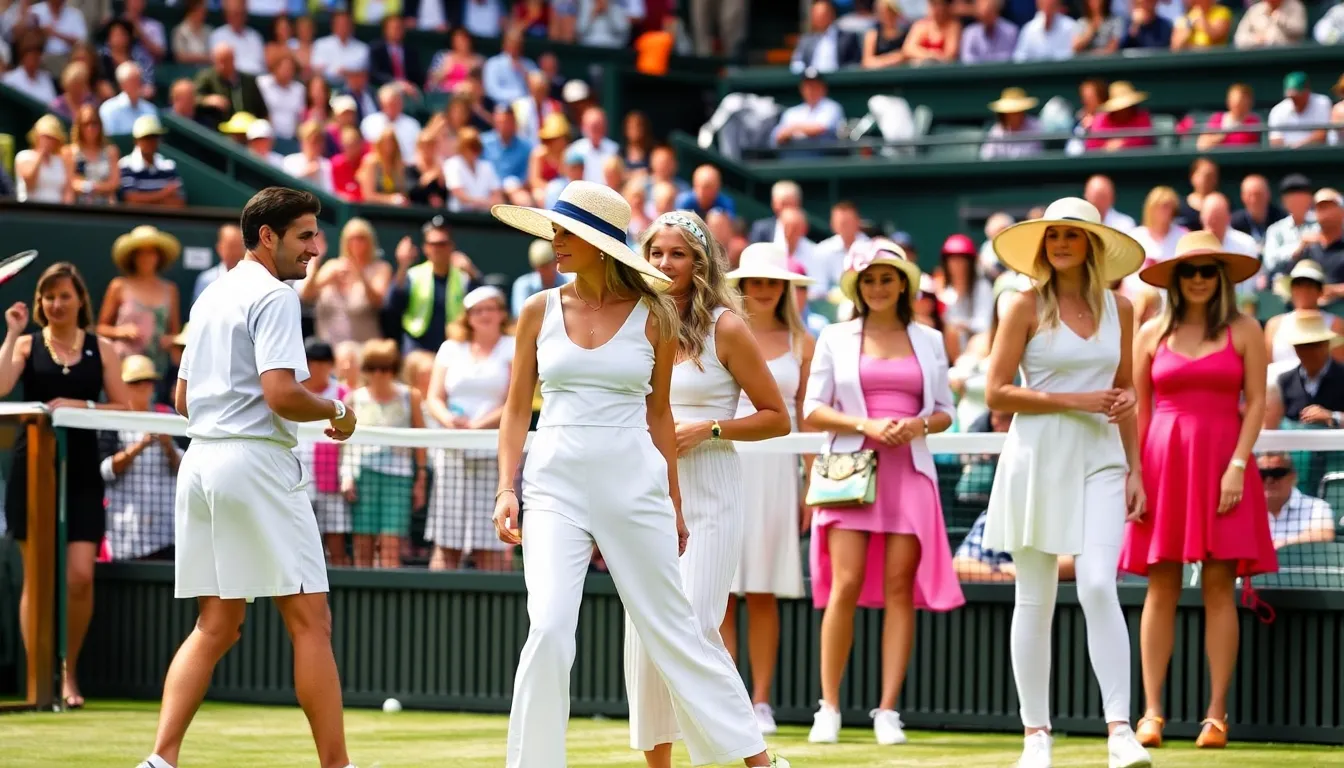
In the mid-term, this trend could influence the policies surrounding dress codes at major sporting events. If Wimbledon’s image shifts towards a more casual atmosphere, other tournaments may follow suit, leading to a broader cultural change in how officials and attendees dress at sporting events. This could create opportunities for brands focusing on casual or athleisure wear to gain traction in these environments.
- Potential decline in ticket sales and sponsorship revenue.
- Shift in fashion marketing strategies targeting sports events.
- Opportunities for casual wear brands to penetrate the sports market.
Moreover, the perception of Wimbledon as a prestigious event may be at risk. If the image of formality is eroded, it could attract a different demographic of attendees, possibly affecting the overall atmosphere and experience of the tournament.
A: Best-dressed officials contribute to the prestigious image of Wimbledon, enhancing the overall experience for attendees and viewers. Their attire often reflects the tournament’s rich traditions and standards. A: Over the years, there has been a shift towards more casual and functional attire for officials, prioritizing comfort over traditional elegance. This change has sparked discussions about the event’s image. A: The absence of stylish officials may diminish the visual appeal of the event, potentially affecting its reputation as a prestigious tournament. It could also influence audience expectations regarding formal attire. A: Yes, there are guidelines that officials are expected to follow, but these have become less strict in recent years. The focus is now more on practicality than on adhering to traditional dress codes. A: Fans have mixed reactions; some appreciate the comfort-focused approach, while others long for the elegance that traditional attire brought to the event.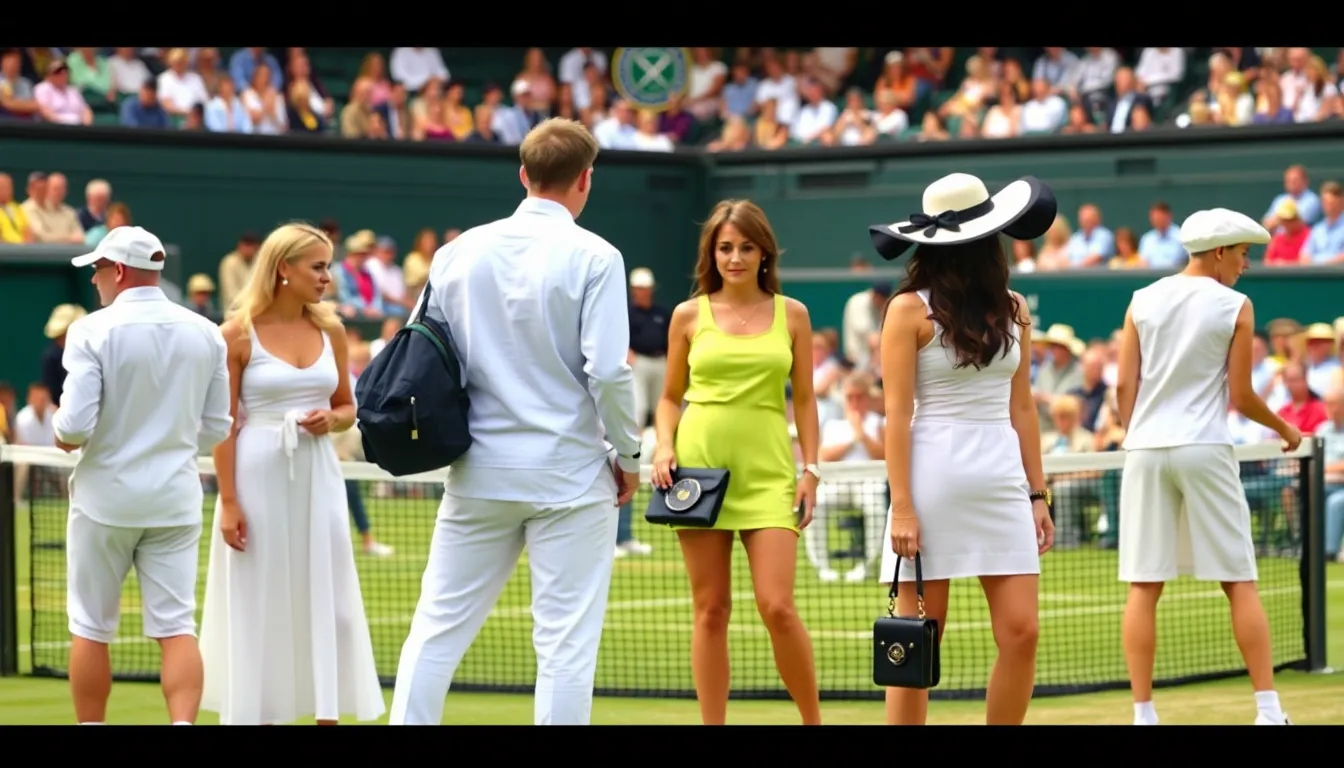
Frequently asked questions about officials’ attire at Wimbledon
Key takeaways and future outlook on officials’ fashion
The absence of traditionally ‘best-dressed’ officials at Wimbledon raises questions about the evolving standards of professionalism and presentation in sports. As the tournament continues to gain global attention, the way officials present themselves could reflect broader trends in the industry, including a shift towards more casual attire and a focus on comfort over formality.
Moving forward, it will be important to monitor how this shift influences the perception of authority and respect within the sport. The balance between maintaining a polished appearance and adapting to modern expectations will likely shape the future of officiating at prestigious events like Wimbledon.
- Expect a potential reevaluation of dress codes for officials at major sporting events.
- Observe how player and spectator reactions to officials’ attire may influence future fashion choices.
- Watch for trends that prioritize functionality and comfort in officiating uniforms.
- Consider the impact of social media on the visibility and scrutiny of officials’ appearances.
- Anticipate discussions around the role of tradition versus modernity in sports officiating standards.