


Raducanu, who has been under scrutiny for her performance and fitness levels in recent months, cited a recurrence of a wrist injury as the reason for her retirement. The 21-year-old athlete had shown promise leading up to the Qatar Open, but her recent physical struggles have raised concerns about her ability to compete at the highest level, as seen in her recent matches like the final in Romania.
The timing of her withdrawal is particularly significant as it disrupts her momentum following a strong showing in Romania. Fans and analysts alike are questioning how this latest setback might impact her ranking and future tournament participation, especially as she aims to reclaim her form ahead of the upcoming Grand Slam events, similar to other athletes navigating their own challenges.
As Raducanu continues to navigate her recovery, the tennis community will be watching closely. Her ability to bounce back from injuries has been a recurring theme in her young career, and this latest incident could serve as a pivotal moment for her future on the tour.
Background on Raducanu’s recent performances
Emma Raducanu, the British tennis sensation who captured global attention with her stunning victory at the 2021 US Open, has faced a challenging trajectory since her breakthrough. Following her historic win, expectations soared, and the pressure to perform consistently at a high level has been immense, a reality highlighted by her recent retirement during the match in Qatar, just two days after a disappointing loss in the final in Romania.
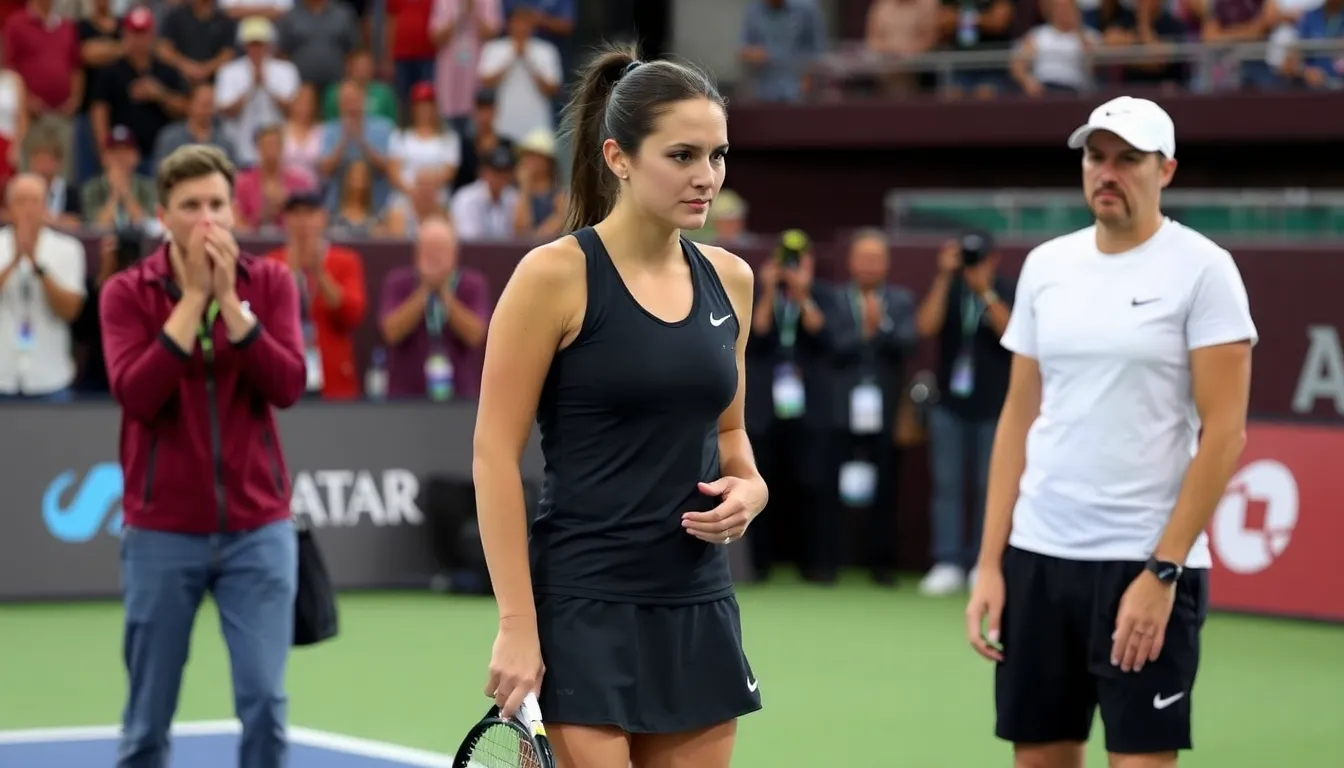
Raducanu’s recent performances have been marked by fluctuations in form, which can be attributed to a combination of factors including injuries, the mental strain of competing at the elite level, and the challenges of maintaining focus amidst heightened scrutiny from media and fans alike. The transition from a promising junior player to a professional athlete often comes with significant hurdles, and Raducanu’s experience is no exception.
The Impact of Injuries
Injuries have played a significant role in Raducanu’s recent struggles. After her US Open victory, she faced various physical setbacks that limited her time on the court and disrupted her training regimen. This has not only affected her performance but also her confidence, as she has had to navigate the challenges of returning to form while dealing with the psychological toll of injuries.
Moreover, the economic implications of her rapid rise to fame cannot be overlooked. With lucrative sponsorship deals and endorsements, the pressure to perform has intensified. This financial aspect, while beneficial in many ways, has added another layer of expectation that Raducanu must manage as she seeks to reclaim her top form.
As she continues to navigate her career, the recent retirement from the Qatar match serves as a reminder of the complexities athletes face, especially those who rise to prominence at a young age. The combination of physical demands, mental resilience, and external pressures creates a challenging environment that can impact performance and overall well-being.
Key issues surrounding Raducanu’s health and career
The recent retirement of Emma Raducanu from her match in Qatar, just two days after losing in the final in Romania, has raised significant concerns regarding her health and the pressures faced by professional athletes. This situation highlights the intersection of sports performance, athlete well-being, and the expectations placed on young athletes in the competitive world of tennis.
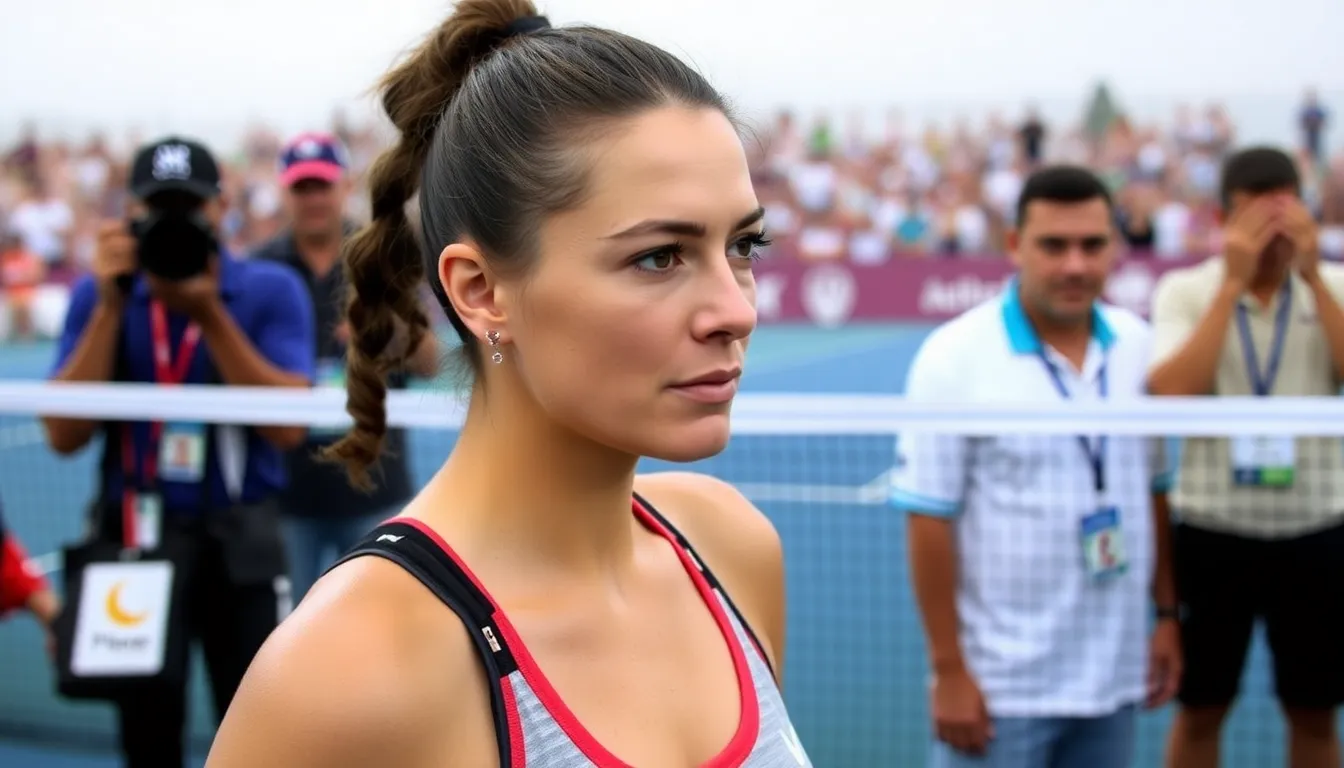
Several key stakeholders are involved in this scenario, each with distinct interests. Raducanu herself is primarily focused on her health and career longevity, aiming to balance competitive success with physical well-being. The WTA (Women’s Tennis Association) has a vested interest in ensuring the health of its players, as injuries can impact tournament attendance and viewership. Additionally, sponsors and media organizations are keenly interested in Raducanu’s performance, given her status as a rising star in the sport.
- Health Concerns: The physical demands of professional tennis can lead to injuries, and Raducanu’s recent retirement raises questions about her fitness and training regimen.
- Performance Pressure: As a high-profile athlete, Raducanu faces immense pressure to perform, which may contribute to her health issues and decision to retire from matches.
- Stakeholder Expectations: The interests of sponsors and fans can conflict with the athlete’s need for recovery and self-care, creating a challenging environment for young players.
- Economic Implications: Injuries and retirements can have financial repercussions for tournaments and sponsors who invest in athletes’ careers.
Moreover, the legal framework surrounding athlete health and safety is also pertinent. The WTA has guidelines in place to protect players, but the enforcement of these regulations can vary. Ensuring that athletes like Raducanu receive adequate medical support and the freedom to prioritize their health over competition is an ongoing challenge within the sport.
Potential impact on Raducanu’s career and fan expectations
The recent retirement of Emma Raducanu from her match in Qatar, just two days after a disappointing final in Romania, raises concerns for various stakeholders in the sports community. Fans, sponsors, and the broader tennis industry are closely monitoring the situation as it unfolds. Such occurrences can significantly impact the perception of Raducanu’s resilience and long-term viability as a top player.
In the short term, Raducanu’s health and fitness will be paramount, affecting her training and participation in upcoming tournaments. Fans may experience disappointment, leading to a temporary decline in engagement and enthusiasm. Additionally, sponsors may reassess their marketing strategies, particularly if Raducanu’s performance does not align with their promotional expectations.
Mid-term impacts could include shifts in fan loyalty and market dynamics within the tennis industry. If Raducanu struggles to regain her form, her marketability may diminish, affecting ticket sales and merchandise revenue. Conversely, if she makes a successful comeback, it could reignite interest and boost her brand value, creating new opportunities for endorsements and partnerships.
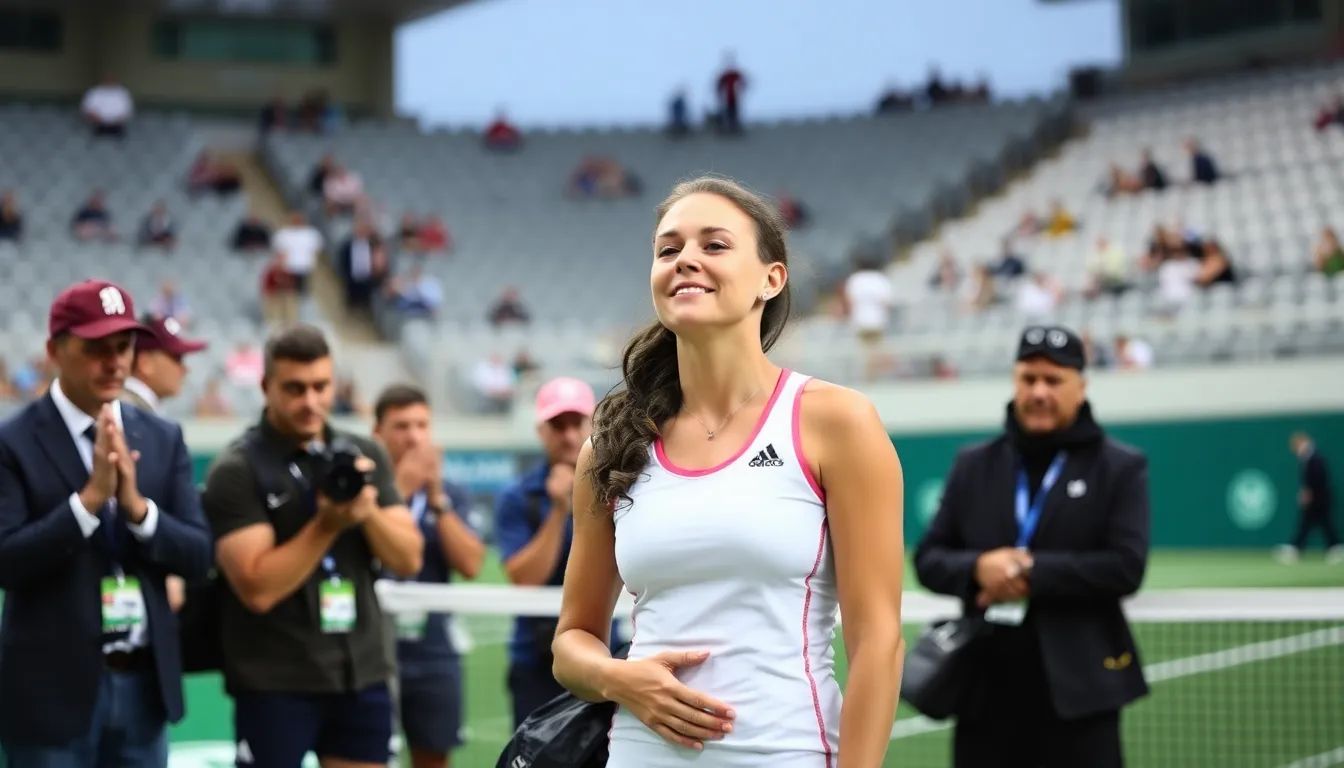
- Fans: Emotional investment may wane, impacting attendance and viewership.
- Sponsors: Potential reevaluation of contracts and marketing strategies.
- Tennis industry: Changes in market dynamics based on Raducanu’s performance trajectory.
In summary, while the immediate aftermath of Raducanu’s retirement poses risks for her career and market presence, it also presents opportunities for growth and recovery, depending on her response to this setback. The coming months will be crucial in determining the longer-term effects on her career and the broader tennis landscape.
A: Raducanu’s retirement was due to health concerns following her recent loss in Romania, raising questions about her fitness. A: Raducanu lost the final in Romania, which was a significant match for her as she aimed to regain her form. A: Her retirement may affect her participation in future tournaments, depending on her recovery. A: Yes, Raducanu has had previous injury concerns that have impacted her playing schedule. A: Fans have expressed concern for her health and are hopeful for her swift recovery and return to form.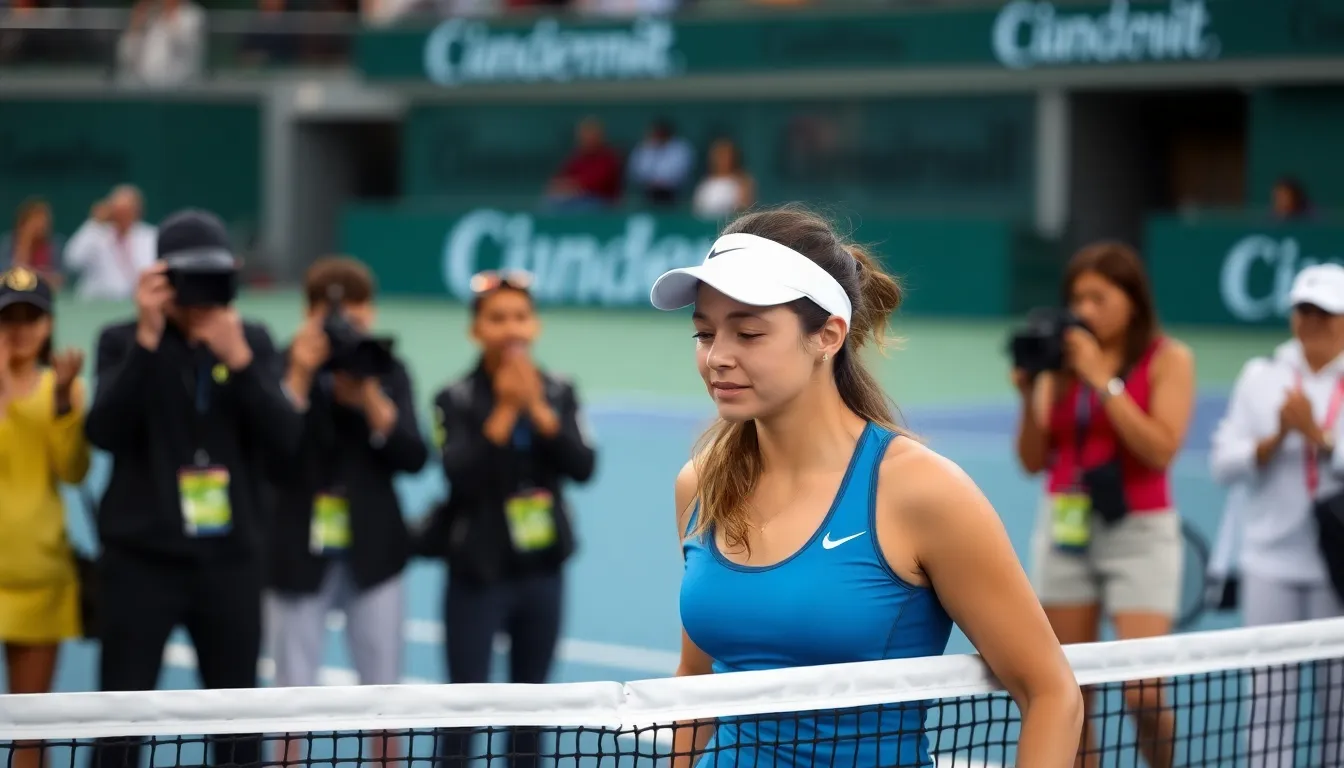
Frequently asked questions about Raducanu’s situation
Looking ahead for Raducanu’s future in tennis
Emma Raducanu’s recent retirement from her match in Qatar, just two days after a challenging final in Romania, raises important questions about her physical and mental resilience as she navigates the demands of professional tennis. This sequence of events highlights the pressures faced by young athletes, particularly those who have experienced rapid success and subsequent challenges. As she continues to recover and reassess her approach, the tennis community will be watching closely to see how she adapts and evolves moving forward.
Raducanu’s journey thus far has been marked by significant highs and lows, and her recent experiences may serve as a pivotal moment for her career. Balancing training, competition, and personal well-being will be crucial as she aims to regain her form and confidence on the court.
- Monitoring Raducanu’s recovery process will provide insights into her long-term health and performance capabilities.
- Her ability to manage the pressures of competition amidst setbacks could influence her future results and mental fortitude.
- Expect discussions around the importance of athlete support systems, including coaching and mental health resources, to be amplified in light of her experiences.
- Raducanu’s next tournament choices will be critical in shaping her path back to competitive form, as she may prioritize events that align with her recovery goals.
- Fans and analysts alike will be keen to observe how Raducanu’s playing style and strategies evolve as she learns from recent challenges.