


In the years since, NASCAR has implemented numerous safety enhancements, including the introduction of the Car of Tomorrow, which features improved crash protection.
As the 25th anniversary of Earnhardt’s passing approaches, discussions surrounding his legacy and impact on NASCAR continue to resonate. Fans and fellow drivers alike reflect on his contributions to the sport, emphasizing not only his competitive spirit but also his role in advocating for driver safety. Memorial events and tributes are planned, highlighting the enduring influence of Earnhardt’s career.
The legacy of Dale Earnhardt serves as a crucial reminder of the need for ongoing vigilance in safety practices within NASCAR and motorsports at large. As the sport evolves, the lessons learned from that tragic day remain vital in shaping a safer future for all competitors on the track.
Understanding Dale Earnhardt’s legacy in the sport
Dale Earnhardt, often referred to as “The Intimidator,” was a formidable figure in NASCAR history, known for his aggressive driving style and charismatic personality, which helped elevate NASCAR to new heights, as discussed in related articles.
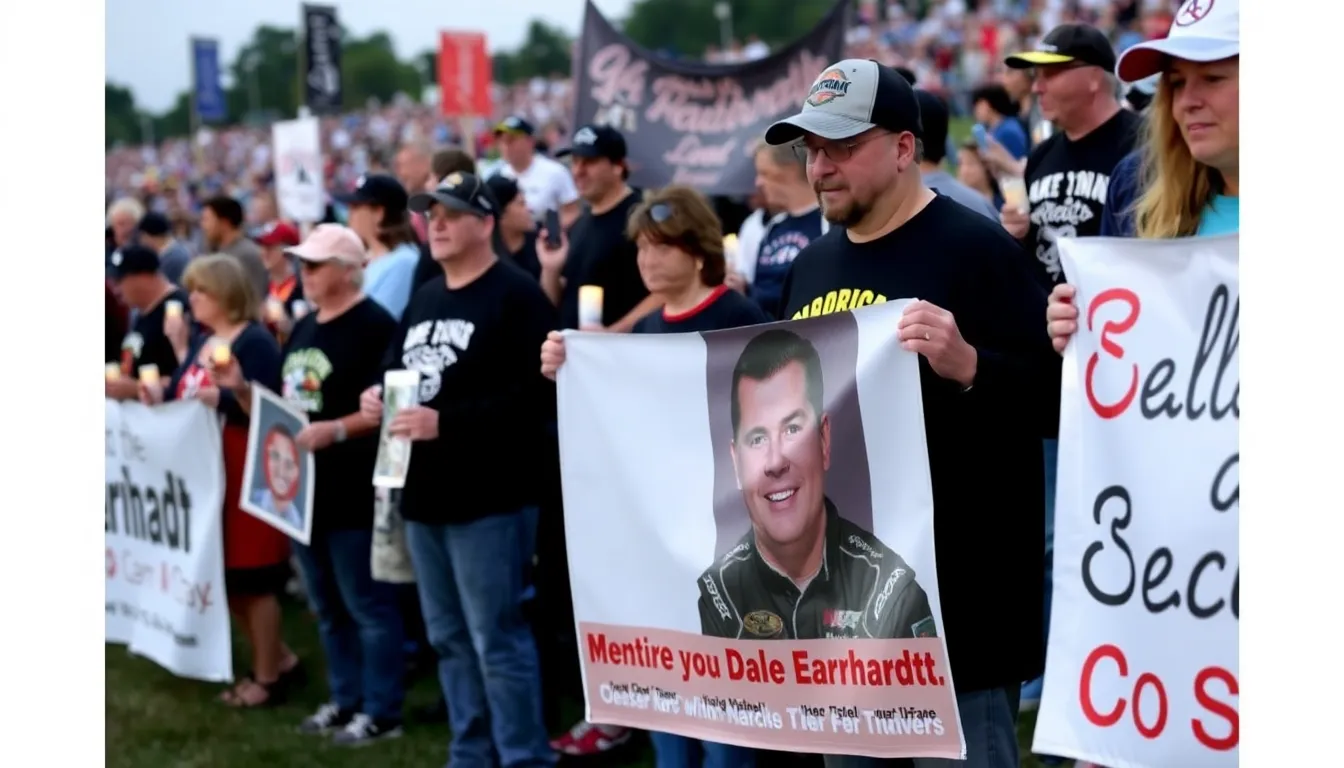
Earnhardt’s legacy is deeply intertwined with the evolution of NASCAR as a premier racing series in the United States. The 1990s saw an explosion of popularity for NASCAR, fueled by the rise of television coverage and sponsorship deals that transformed the sport into a multi-billion dollar industry. Earnhardt was at the forefront of this transformation, becoming a household name and helping to attract a diverse fan base. His persona and competitive spirit helped elevate NASCAR to new heights, but it also masked the lurking dangers of the sport.
In the years leading up to his death, there were growing concerns about driver safety, particularly regarding head injuries and the effectiveness of safety equipment. Despite the risks, the culture of NASCAR often celebrated the toughness of its drivers, with many, including Earnhardt, reluctant to express vulnerability. However, the aftermath of his fatal crash prompted an urgent reevaluation of safety standards within the sport, leading to significant changes in car design, helmet technology, and track safety protocols.
The Aftermath and Safety Reforms
Following Earnhardt’s death, NASCAR implemented a series of safety reforms that have since become standard in the industry, contributing to the ongoing evolution of motorsports safety, a topic also explored in various discussions.
Key stakeholders and the aftermath of the incident
The tragic death of Dale Earnhardt on February 18, 2001, during the Daytona 500, marked a pivotal moment in NASCAR’s history. Numerous stakeholders were affected by this incident, each with distinct interests and concerns. The primary actors include NASCAR as an organization, the drivers and teams, fans, safety organizations, and regulatory bodies.
NASCAR, as the governing body of stock car racing, faced immense pressure to improve safety standards following Earnhardt’s death. The incident highlighted the need for enhanced safety measures, leading to the implementation of the HANS device (Head and Neck Support) and other critical safety innovations. NASCAR’s interest lies in maintaining its reputation and ensuring the safety of its drivers to prevent future tragedies.
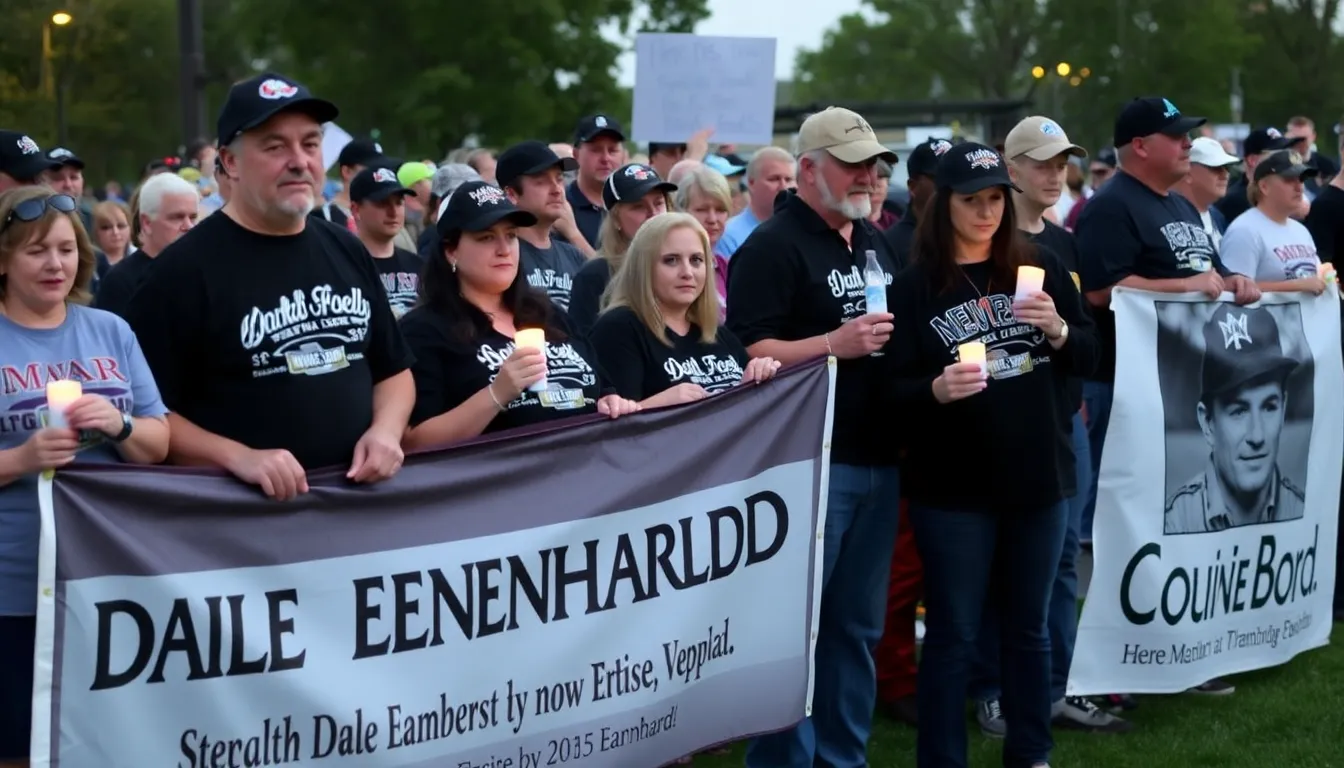
Drivers and their teams are also significant stakeholders, as they directly face the risks associated with the sport. The loss of a prominent figure like Earnhardt raised concerns about driver safety and the potential for accidents. Many drivers advocated for improved safety protocols, reflecting a collective interest in protecting their well-being while competing at high speeds.
- Fans: The fanbase, deeply connected to Earnhardt’s legacy, sought accountability and reassurance from NASCAR regarding safety measures.
- Safety Organizations: Groups focused on motorsport safety began to advocate for stricter regulations and technological advancements to minimize risks.
- Regulatory Bodies: Government agencies and regulatory bodies were compelled to evaluate NASCAR’s safety practices, leading to potential legal scrutiny and reforms.
The aftermath of the incident also raised key legal and economic issues. The potential for lawsuits against NASCAR and teams increased, as families and stakeholders sought justice and accountability. Economically, the sport faced the challenge of maintaining fan engagement while addressing safety concerns, which could impact sponsorships and viewership. Balancing these interests remains a complex endeavor for NASCAR, as it navigates the legacy of Dale Earnhardt and the ongoing evolution of safety in motorsports.
The effects on NASCAR and safety regulations
The death of Dale Earnhardt on February 18, 2001, marked a pivotal moment in NASCAR history, profoundly affecting various stakeholders within the sport. The immediate impact was felt by fans, drivers, and teams who were shaken by the loss of a legendary figure. This tragedy prompted a reevaluation of safety protocols, affecting not only NASCAR but also other motorsports organizations worldwide.
In the short term, the most significant impact was the implementation of stricter safety regulations. NASCAR introduced mandatory head-and-neck restraints, improved crash barrier designs, and enhanced vehicle safety standards. These changes not only aimed to protect drivers but also influenced the automotive industry, leading to innovations in safety technology that trickled down to consumer vehicles.
In the mid-term, the focus on safety reshaped the culture of racing. Teams began investing more in safety equipment and training, which altered budgets and financial planning. While some smaller teams faced challenges in adapting to these new standards, larger teams found opportunities to differentiate themselves through enhanced safety features, attracting sponsors who prioritized safety in their branding.
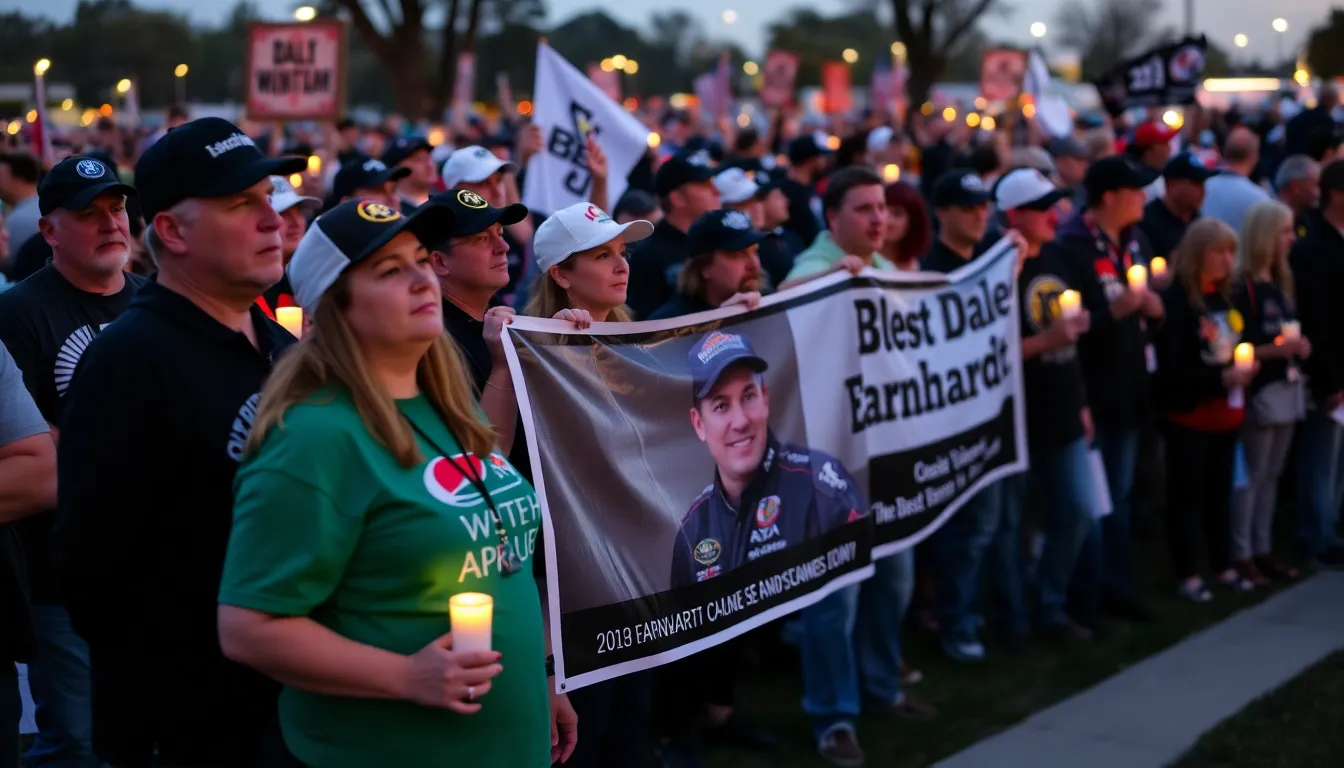
- Increased investments in safety technology across racing and automotive industries.
- Changes in fan engagement and expectations regarding driver safety.
- Potential for new sponsorship opportunities centered around safety initiatives.
Regions with a strong NASCAR presence, such as the Southeast United States, experienced shifts in local economies as race tracks invested in infrastructure improvements to comply with new regulations. This not only boosted local businesses but also brought in tourism related to racing events. However, the heightened focus on safety also posed risks, as some fans expressed concerns over the increasing commercialization of the sport, potentially alienating traditional audiences.
Overall, the legacy of Earnhardt’s passing continues to resonate, reminding stakeholders of the delicate balance between thrilling competition and the imperative of safety. The ongoing evolution of NASCAR’s safety measures serves as both a response to past tragedies and an opportunity for future growth within the motorsports community.
A: Dale Earnhardt died in a crash during the final lap of the 2001 Daytona 500, a tragic event that shocked fans and the racing community. A: His death led to significant changes in NASCAR’s safety protocols, including the introduction of the HANS device and improved car designs. A: Earnhardt was a seven-time NASCAR champion known for his aggressive driving style and charismatic personality, making him a beloved figure. A: Earnhardt’s legacy continues to influence NASCAR, with ongoing efforts to prioritize driver safety and honor his contributions to the sport. A: Yes, there are several memorials and tributes, including the Dale Earnhardt Inc. headquarters and various events held in his honor.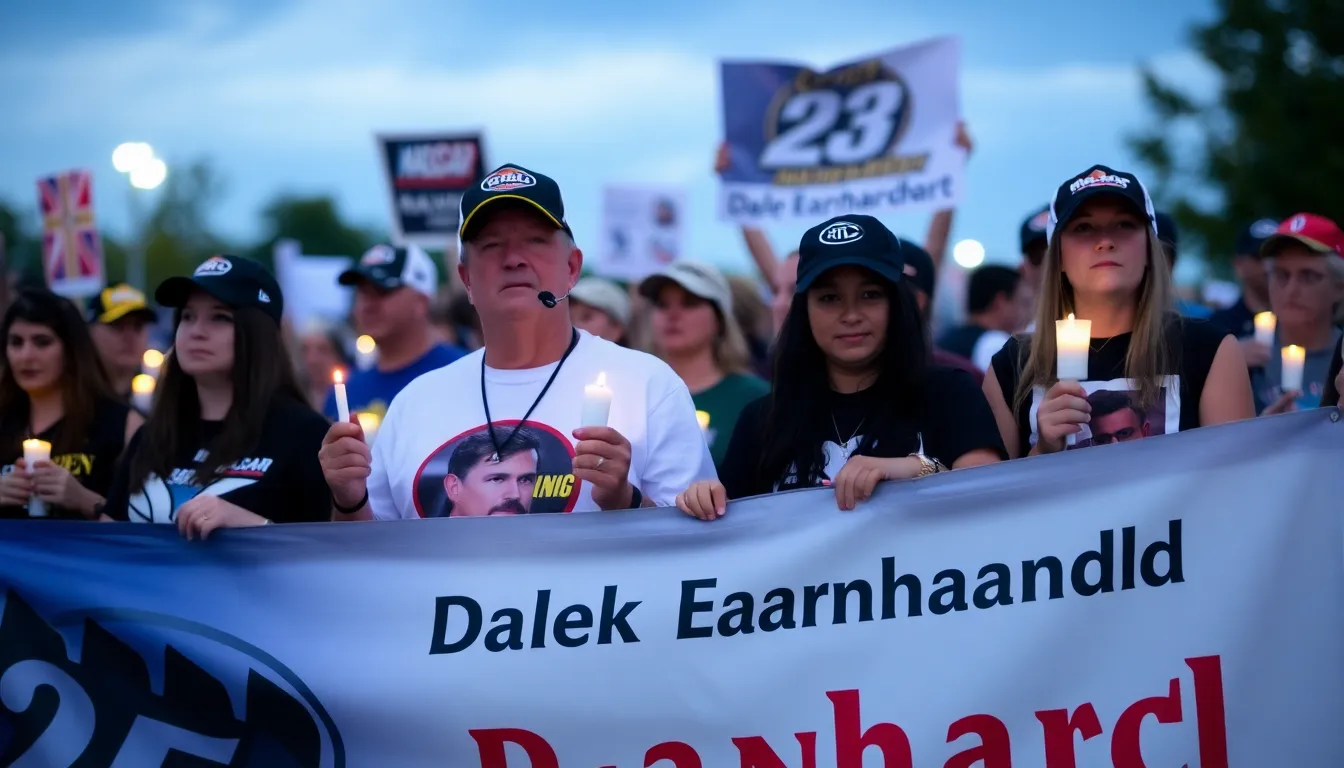
Frequently asked questions about Dale Earnhardt’s legacy
Reflections on a pivotal moment in racing history
The legacy of Dale Earnhardt continues to shape the landscape of NASCAR and motorsports at large, reminding us of the inherent risks involved in high-speed racing. His untimely death on February 18, 2001, not only marked a turning point for the sport but also prompted significant changes in safety regulations and driver awareness. As we reflect on this tragic day, it is essential to consider the ongoing implications for drivers, teams, and fans alike.
Looking ahead, the evolution of safety technology and the growing emphasis on driver well-being are crucial areas to monitor. The memory of Earnhardt serves as a catalyst for continued innovation and a reminder of the responsibility that comes with the thrill of racing.
- Increased investment in safety technology will likely continue, shaping the future of car designs and race protocols.
- Driver education programs may expand, focusing on risk management and the psychological aspects of racing.
- The NASCAR community will likely strengthen its commitment to mental health resources for drivers, acknowledging the pressures of the sport.
- Fans can expect more transparency around safety measures, fostering a deeper understanding of the sport’s evolution.
- Ongoing discussions about the balance between speed and safety will remain a central theme in racing culture.