


As of October 2023, pubs are grappling with a combination of factors including inflation, increased energy prices, and supply chain disruptions. The hospitality sector, which was severely impacted during the pandemic, is now facing a potential resurgence of financial strain due to these new rate changes, which many owners argue could lead to closures. This situation echoes broader concerns similar to those raised in Harold Hamm and Trump’s collaboration on U.S. energy.
Industry representatives have voiced their concerns, stating that the changes could disproportionately affect smaller establishments. With many pubs already operating on thin margins, the additional financial pressure could result in job losses and reduced community services, further exacerbating the challenges faced by local economies.
The timing of these changes is critical, as many pubs are preparing for the busy holiday season. Operators worry that the increased costs will deter customers, resulting in lower revenues at a time when they typically rely on festive spending to bolster their finances.
Understanding the background of business rates in the pub industry
The pub industry in the UK has long been a cornerstone of community life, serving as social hubs and cultural landmarks. However, the financial viability of these establishments has been increasingly threatened by rising business rates, a system of taxation that has been criticized for being outdated and disproportionately burdensome. The origins of the current business rates system can be traced back to the Local Government Finance Act of 1988, which established the framework for how properties are assessed and taxed in England and Wales. This outdated system has been likened to issues faced in other sectors, such as crafters raising concerns over imported tat at festive fairs.
Over the years, various reforms have been introduced, but many in the pub industry argue that these changes have not adequately addressed their unique challenges. The economic landscape has evolved, with shifts in consumer behavior, the rise of online retail, and the impact of the COVID-19 pandemic, all of which have placed additional pressure on traditional pubs. Many operators have found themselves squeezed by rising costs, including rent, wages, and now, business rates, which have not kept pace with the realities of operating a pub in today’s economy.
The Political Landscape and Recent Changes
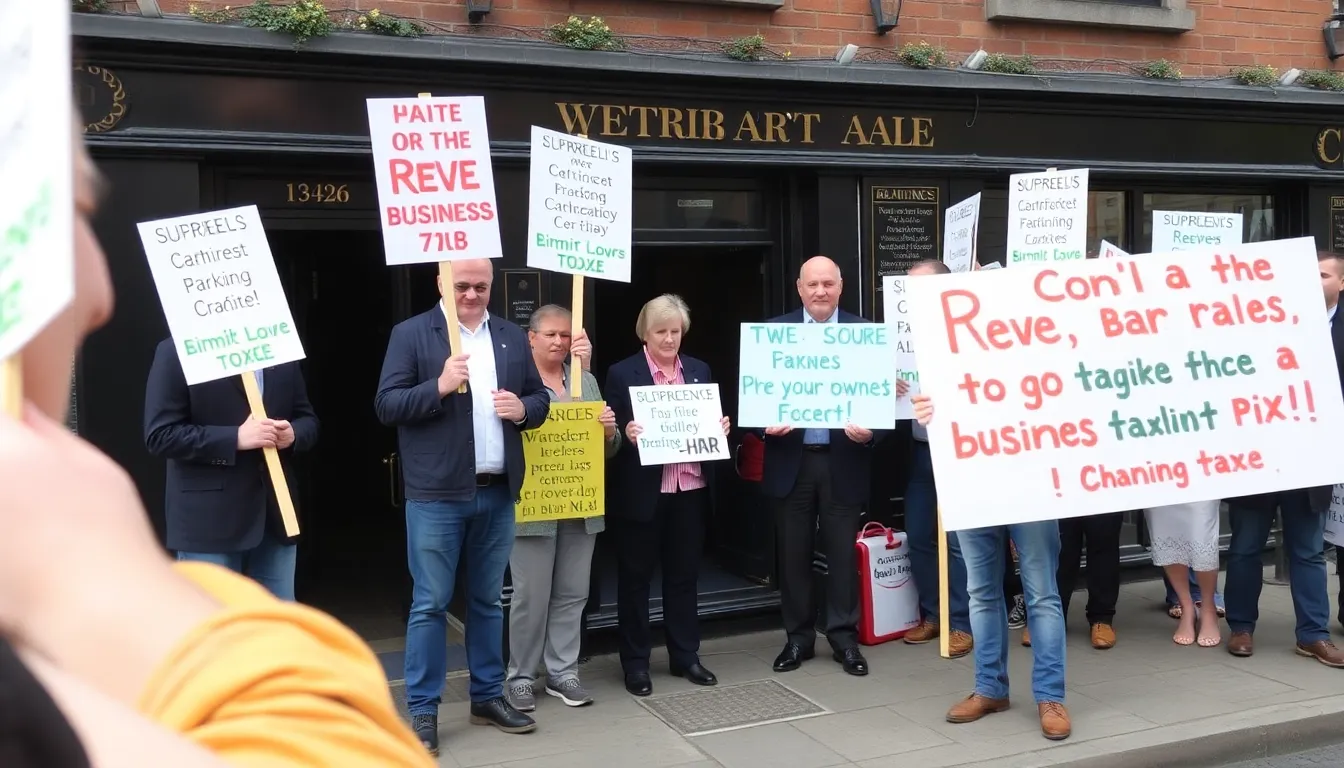
Recent political decisions have further exacerbated the situation. The government’s announcement of changes to business rates, led by Chancellor of the Exchequer, has ignited outrage among pub owners. Critics argue that these changes fail to recognize the specific hardships faced by the hospitality sector, particularly in light of ongoing recovery efforts post-pandemic. The sentiment among pub owners is that they are being ‘squeezed from every direction,’ facing not only high taxes but also competition from supermarkets and off-licenses that benefit from lower rates.
Historically, the pub industry has seen various campaigns aimed at reforming business rates, with notable milestones including the 2017 review that aimed to address disparities in the system. However, many believe that the measures implemented since then have not gone far enough, leading to a sense of frustration and betrayal among pub operators who feel their concerns are being overlooked in favor of broader economic strategies.
As the debate over business rates continues, the future of many pubs hangs in the balance. With the recent changes sparking significant backlash, it remains to be seen how policymakers will respond to the calls for a fairer system that supports the vital role pubs play in their communities.
Key stakeholders and their concerns regarding the proposed changes
The proposed changes to business rates, as outlined by Shadow Chancellor Rachel Reeves, have sparked significant concern among various stakeholders in the pub industry. These stakeholders include pub owners, local government authorities, and consumer advocacy groups, each with their own interests and perspectives on the implications of the new policies. Similar debates regarding public welfare can be observed in discussions about Japan’s dementia crisis and technological solutions.
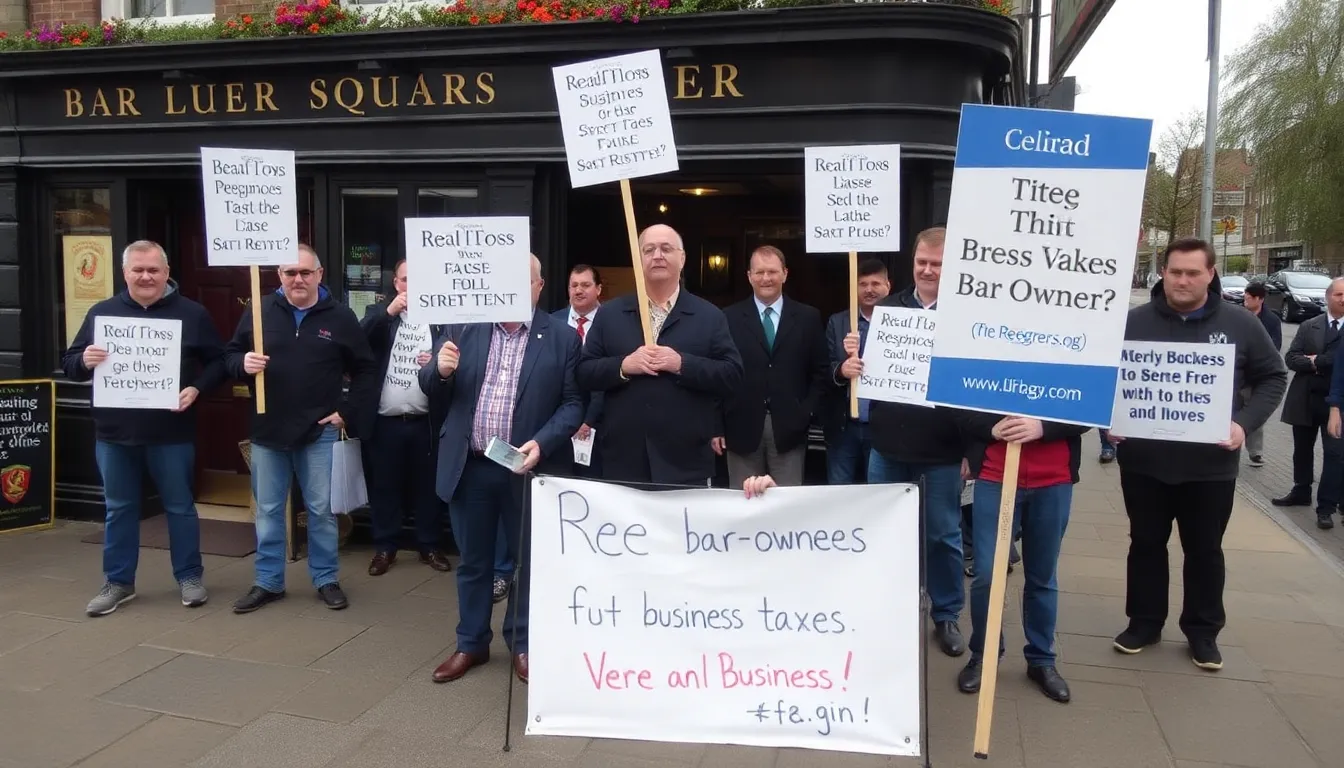
Pub owners are particularly vocal about the potential negative impact of increased business rates. Many operators argue that the changes could exacerbate financial pressures already faced due to rising costs and changing consumer habits. The hospitality sector has been recovering from the pandemic, and further financial strain could lead to closures, job losses, and reduced community engagement.
Local governments also have a vested interest, as business rates are a primary source of revenue for many councils. However, there is a conflict between the need for revenue and the desire to support local businesses. Some councils may find themselves in a position where they must choose between increasing rates to fund local services or providing relief to struggling businesses.
Consumer advocacy groups are concerned about the broader implications for community access to pubs and social spaces. They argue that if pubs are forced to close due to unsustainable business rates, it could lead to a decline in local culture and community cohesion. The potential loss of these venues raises questions about the long-term social impact on neighborhoods.
- Increased financial strain on pub owners may lead to closures and job losses.
- Local governments face a dilemma between raising funds and supporting local businesses.
- Consumer access to community spaces may diminish due to pub closures.
- Potential conflicts between economic recovery and fiscal policy adjustments.
- Long-term implications for social cohesion and local culture.
The potential impact of business rates changes on local pubs and communities
The recent announcement regarding changes to business rates has sparked significant concern among local pubs and the communities they serve. These establishments, often seen as the heart of social life in many regions, are likely to feel the squeeze from increased financial pressures. The changes primarily affect small to medium-sized pubs, particularly in rural and suburban areas where margins are already thin.
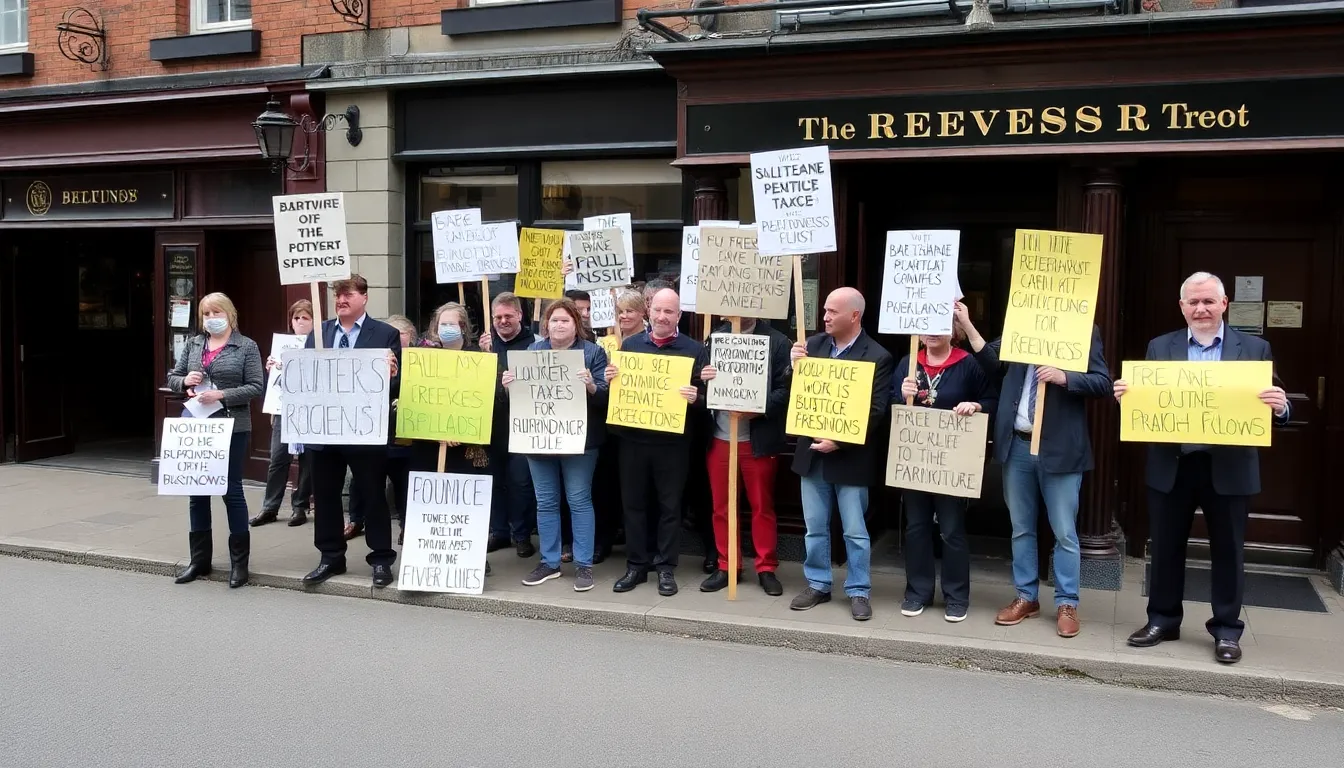
In the short term, pubs may face immediate operational challenges. Increased business rates can lead to higher costs that may force some establishments to reduce staff hours, cut back on services, or even close their doors altogether. This could result in a loss of local jobs and a decline in community engagement, as pubs often host events and gatherings that foster social interaction.
In the mid-term, the impact could extend beyond individual businesses to the broader economy. Local suppliers, including breweries and food producers, may see decreased orders from struggling pubs, creating a ripple effect that affects multiple industries. This downturn could also influence local tourism, as areas known for their vibrant pub culture may become less attractive to visitors.
- Short-term job losses in the hospitality sector.
- Reduced local economic activity due to decreased spending.
- Potential for increased community isolation as social hubs close.
However, there may also be opportunities for innovation and adaptation. Pubs could explore new business models, such as diversifying their offerings to include retail sales or expanding into food delivery services. Additionally, community-driven initiatives could emerge, rallying support for local establishments and advocating for more favorable policies. This shift could ultimately lead to a more resilient pub culture, albeit one that requires significant adjustment in the face of changing economic conditions.
A: The new business rates changes involve adjustments that could increase costs for pubs, affecting their financial stability. These changes have sparked significant backlash from pub owners who feel they are already under financial pressure. A: Small pubs may feel the impact more acutely as they typically operate on tighter margins. Larger chains might absorb the increased costs more easily, but the overall market dynamics could still shift. A: There have been discussions about potential support measures, but specific details have yet to be finalized. Many pub owners are urging the government to provide immediate relief. A: Pub owners are organizing protests and lobbying for reconsideration of the proposed rates. They are also engaging with local communities to raise awareness about the potential consequences. A: Business rates significantly affect profitability and operational sustainability for pubs. High rates can lead to closures, impacting local economies and job markets.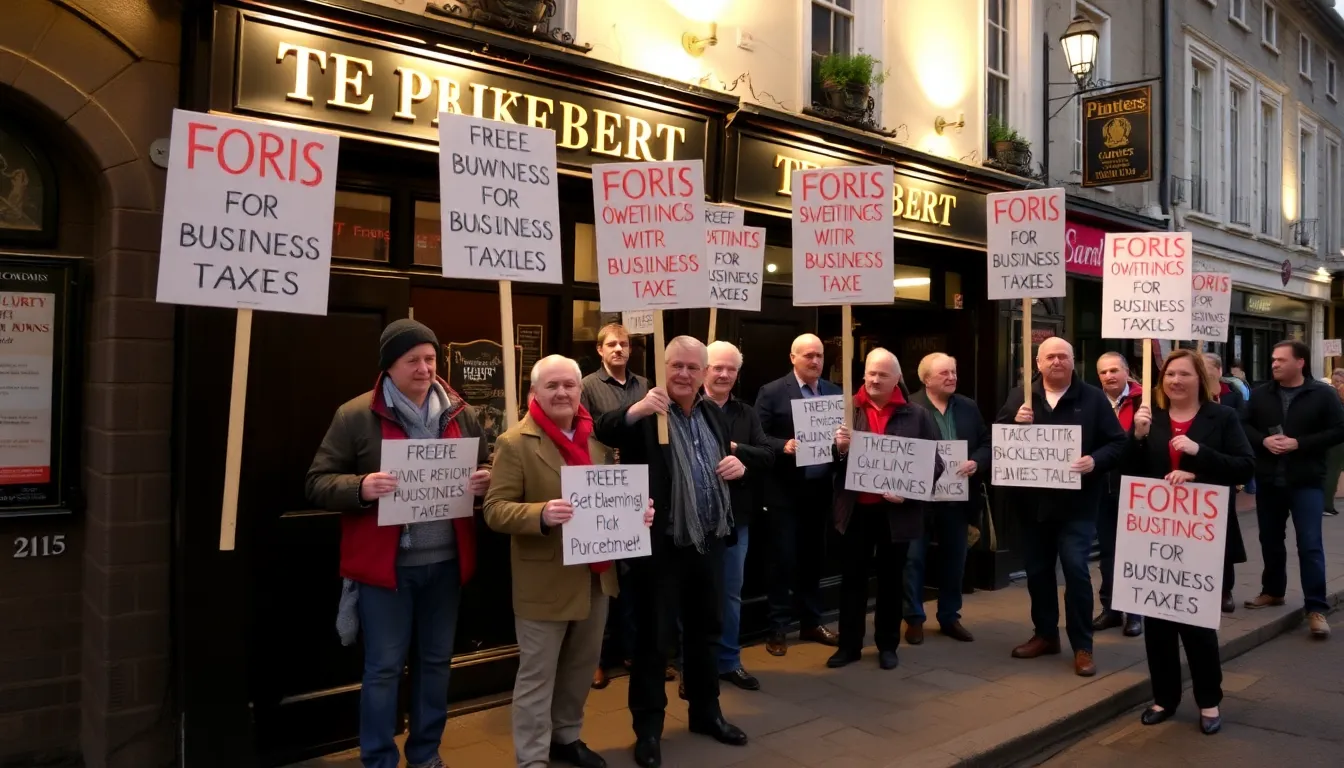
Frequently asked questions about business rates and pubs
Looking ahead: the future of pubs amidst business rates changes
The recent changes to business rates have sparked significant concern within the pub industry, as operators express frustration over the mounting financial pressures. With rising costs and increased competition, the implications of these changes could be profound, potentially reshaping the landscape of local pubs across the country. As businesses navigate this challenging environment, understanding the evolving dynamics will be crucial for survival and growth.
Moving forward, the ability of pubs to adapt to these changes will depend on a combination of strategic adjustments and community engagement. Operators may need to explore innovative business models, enhance customer experiences, and advocate for fairer policies to ensure their viability in an increasingly competitive market.
- Monitor how pubs adapt their business models in response to the new rates, potentially shifting towards more diverse revenue streams.
- Watch for increased collaboration between local pubs and community initiatives aimed at fostering patronage and support.
- Keep an eye on government responses and potential adjustments to business rates that may arise from industry lobbying efforts.
- Consider the role of technology in enhancing customer engagement and operational efficiency as pubs seek to mitigate rising costs.
- Observe trends in customer preferences, as shifts in dining and social habits may influence the future sustainability of pubs.