


The extension comes at a crucial time as Formula 1 continues to evolve with new regulations and sustainability initiatives. Pirelli has been the exclusive tyre supplier since 2011, and this new agreement allows them to further innovate in tyre technology, which is essential for meeting the demands of modern racing. The partnership aims to develop tyres that not only improve performance but also align with the sport’s environmental goals.
Key figures in the announcement included Pirelli’s CEO, Marco Tronchetti Provera, and Formula 1 President and CEO, Stefano Domenicali. Both emphasized the importance of collaboration in achieving the high standards of safety and competition that fans expect. The extension is expected to facilitate ongoing research and development, particularly in the areas of durability and performance under varying conditions.
This contract extension is significant for the teams and drivers, as it ensures consistency in tyre performance over the next several seasons. With the sport’s growing global audience and the increasing focus on technological advancements, Pirelli’s role will be pivotal in shaping the future of Formula 1 racing. As the 2024 season approaches, teams will look to leverage this stability in their strategies and preparations.

Understanding the significance of Pirelli in F1
Pirelli has been the sole tire supplier for Formula 1 since 2011, a role that has significantly influenced the sport’s dynamics and strategies. The Italian company was chosen for its ability to produce tires that not only meet the high-performance demands of F1 but also contribute to the spectacle of racing. As the exclusive tire supplier, Pirelli has played a crucial role in shaping race outcomes through tire performance, wear characteristics, and strategic choices made by teams.
The extension of Pirelli’s contract until 2028 marks a significant moment in F1 history, reinforcing the brand’s commitment to the sport and its ongoing development of innovative tire technologies. Over the years, Pirelli has adapted its tire compounds and constructions to enhance racing strategies, increase safety, and improve sustainability, aligning with F1’s broader goals of reducing its environmental impact.
Historically, the tire supplier’s role has been pivotal in various championship seasons. For instance, during the 2012 season, the introduction of different tire compounds led to dramatic race strategies, showcasing the importance of tire management. This trend has continued, with teams frequently adjusting their race strategies based on tire performance, making Pirelli’s contributions integral to the competitive landscape.
The economic implications of the contract extension
The economic ramifications of Pirelli’s contract extension are profound. As F1 continues to grow its global audience, the partnership with Pirelli ensures a stable supply of tires that meet the rigorous demands of the sport. This stability allows teams to plan their budgets and strategies more effectively, knowing they will have access to high-quality tires for years to come.
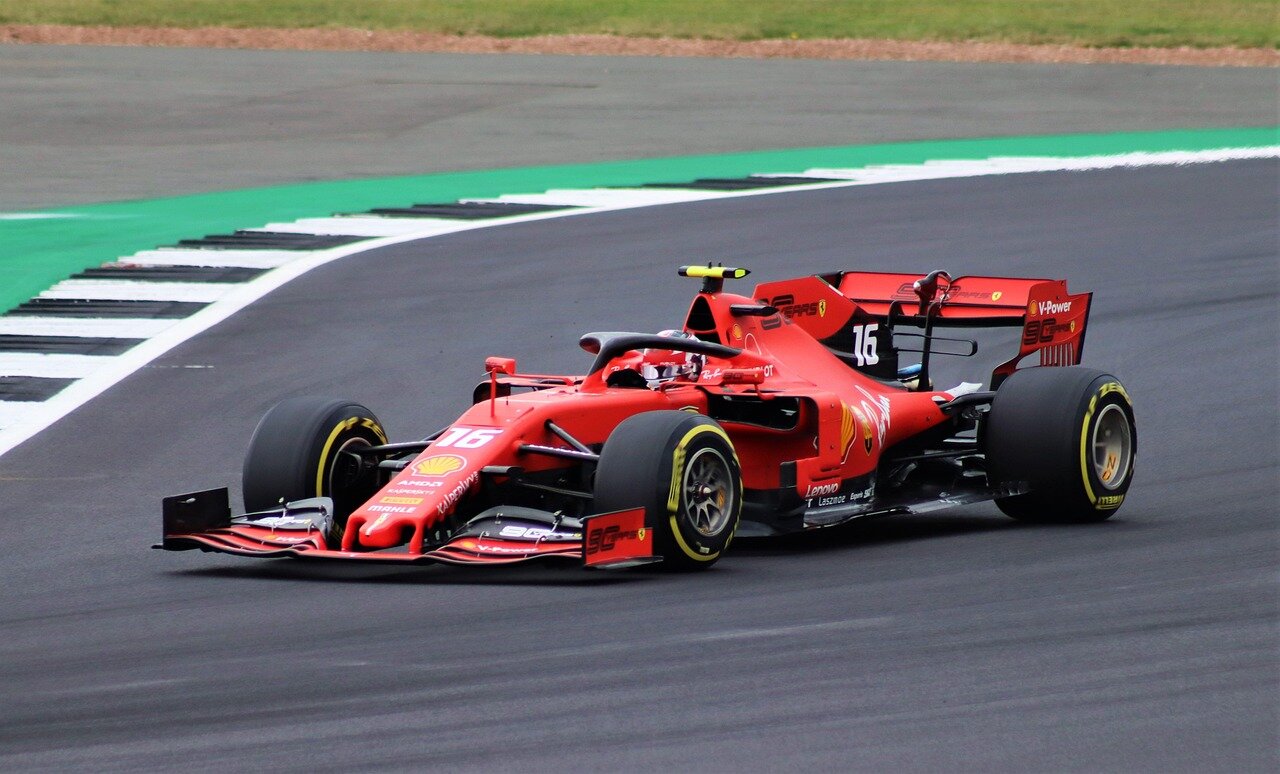
Furthermore, the long-term contract signifies a commitment to innovation, as Pirelli is expected to continue developing tires that address the evolving needs of both the sport and its environmental commitments. This includes advancements in tire durability and performance, which are essential for maintaining the excitement of F1 racing while also adhering to sustainability goals.
Key stakeholders and implications of the contract
The extension of Pirelli’s F1 tyre contract until 2028 involves several key stakeholders, each with distinct interests and potential implications for the future of Formula 1 racing. The primary actors include Pirelli, the Fédération Internationale de l’Automobile (FIA), Formula 1 Management, teams, and sponsors.
Pirelli, as the sole tyre supplier, aims to maintain its competitive edge and brand visibility in the high-stakes environment of F1. The company is interested in leveraging this contract to enhance its reputation for innovation and performance, which are critical in the automotive industry. Additionally, Pirelli must navigate the technical demands of teams while ensuring that its products meet safety and regulatory standards set by the FIA.
The FIA plays a pivotal role in regulating the sport and ensuring that the tyre specifications align with the overall objectives of F1, including safety, sustainability, and competition fairness. The governing body must balance the interests of teams, fans, and sponsors while addressing the environmental impact of tyre production and disposal. This contract extension may also raise discussions about the future of sustainable materials in tyre manufacturing.
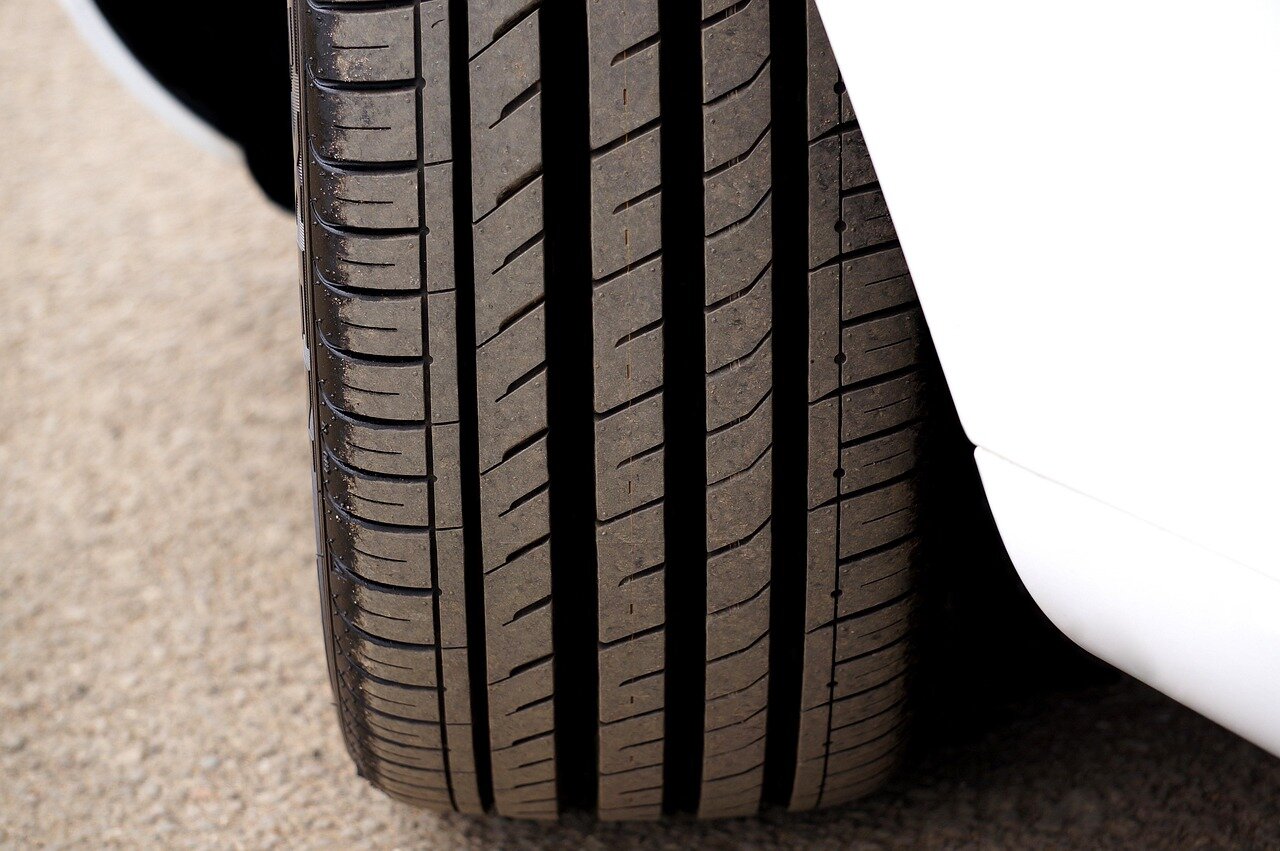
- Team Interests: F1 teams are focused on performance and strategic advantages, which can lead to conflicts over tyre specifications and performance characteristics. Teams may push for tyres that suit their car designs, which could create tensions with Pirelli’s offerings.
- Sponsorship Dynamics: Sponsors have a vested interest in the visibility and performance of Pirelli tyres, as they align their brands with the success of teams. This relationship could influence marketing strategies and partnerships within the sport.
- Economic Considerations: The financial implications of this contract extend beyond Pirelli and FIA, affecting team budgets and sponsorship deals. The cost of tyres and their impact on performance can significantly influence team competitiveness and overall championship outcomes.
Overall, the extension of Pirelli’s contract until 2028 signifies a commitment to continuity in F1, yet it also presents challenges as stakeholders navigate the complex interplay of performance, regulation, and economic realities. The evolving landscape of motorsport will require all parties to adapt and collaborate effectively to ensure the sport’s growth and sustainability.
How the extension affects teams and the sport
The extension of Pirelli’s F1 tyre contract until 2028 has significant implications for various stakeholders within the motorsport community. Teams, drivers, sponsors, and fans are all part of the ecosystem that will experience changes in both the short and mid-term as a result of this decision.
In the short term, teams will need to adapt their strategies and car designs to align with Pirelli’s evolving tyre technology. This could lead to increased competition as teams that effectively utilize the new tyre specifications may gain a competitive edge. Additionally, sponsors may see enhanced visibility and marketing opportunities, as the extended partnership could lead to more consistent branding on the track.
In the mid-term, the stability offered by a long-term tyre supplier can foster innovation within the sport. Teams might invest more in research and development, knowing that they will be working with a consistent tyre supplier for several years. This could lead to advancements in vehicle performance and safety, benefiting not only the teams but also the broader automotive industry.
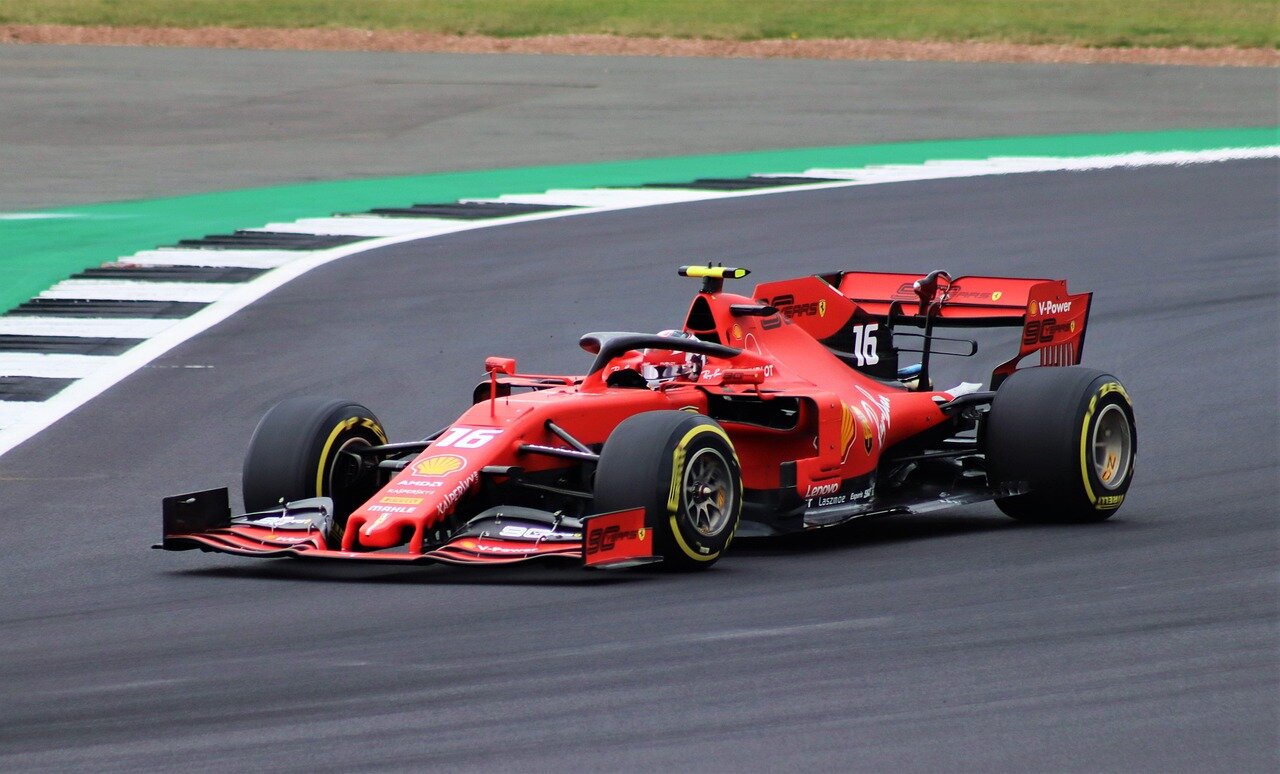
- Teams: Need to adapt strategies and designs.
- Sponsors: Increased visibility and marketing potential.
- Automotive industry: Potential for innovation and advancements.
- Fans: More competitive races and improved safety.
However, there are risks associated with this extension. If Pirelli fails to innovate or address performance issues, teams may struggle to maintain competitive parity. Additionally, reliance on a single supplier could limit the diversity of tyre options available, potentially stifling competition and leading to a less dynamic racing environment.
Overall, while the extension of the tyre contract presents challenges, it also opens up pathways for growth and development within Formula 1, impacting teams, sponsors, and fans alike in various ways.
A: The contract was extended to ensure stability and consistency in tyre supply, allowing teams to focus on performance without worrying about changes in tyre manufacturers. A: Teams will benefit from a longer-term partnership with Pirelli, which allows for better development of tyre strategies and technology tailored to their specific needs. A: While the contract extension ensures continuity, Pirelli may still introduce new tyre compounds and specifications to enhance racing performance and safety. A: A stable tyre supplier like Pirelli can lead to more predictable performance across teams, potentially affecting the competitive balance in races. A: The new tyre specifications will be rolled out in conjunction with the F1 seasons leading up to 2028, ensuring teams have access to the latest technology.
Frequently asked questions about the tyre contract
Future outlook for Pirelli and Formula 1 tyres
The extension of Pirelli’s contract to supply tyres for Formula 1 until 2028 marks a significant commitment to the sport, ensuring stability in one of its critical components. This decision not only reflects the trust placed in Pirelli by the F1 management but also highlights the evolving nature of tyre technology and its impact on race strategies. As teams adapt to new regulations and performance demands, the role of tyres will continue to be pivotal in shaping race outcomes and team strategies.
Looking ahead, the focus will likely shift to how Pirelli can innovate within the framework of this extended contract. With sustainability becoming increasingly important, developments in eco-friendly materials and performance-enhancing technologies will be essential. This period will also provide an opportunity for Pirelli to refine its tyre compounds and designs in response to the unique challenges posed by different circuits and weather conditions.
- Innovation in tyre technology: Expect advancements in materials and designs that enhance performance and sustainability.
- Impact on race strategies: Teams will need to adapt their strategies based on the evolving characteristics of Pirelli tyres.
- Focus on sustainability: Pirelli may prioritize eco-friendly practices in tyre production, aligning with broader environmental goals in motorsport.
- Response to regulatory changes: The extension will require Pirelli to remain agile in adapting to new regulations that may affect tyre performance.
- Long-term partnerships: This contract solidifies Pirelli’s role in F1, potentially influencing collaborations with teams and stakeholders.