


In the study, researchers examined the impact of commonly used pesticides on fish populations in freshwater environments. They discovered that fish exposed to these chemicals exhibited a marked decrease in lifespan, with some species showing reductions of up to 50%. This alarming trend raises concerns about the health of aquatic ecosystems and the broader implications for biodiversity, similar to the issues discussed in U.S. Cuts Health Aid Linked to African Governments Funding Pledges.
The implications of these findings extend beyond fish populations. As fish play a crucial role in food webs and contribute to the overall health of aquatic environments, their decline could have cascading effects on other species, including those that rely on fish for food. Additionally, the study underscores the need for more stringent regulations regarding pesticide use and management practices in agricultural areas.
Environmental advocates are calling for immediate action to address the issue, emphasizing that the health of fish populations is an indicator of overall ecosystem health. As discussions around sustainable agriculture and environmental protection continue, these findings serve as a critical reminder of the interconnectedness of land and water management practices.
Understanding the role of pesticides in aquatic environments
Pesticides have been a crucial part of modern agriculture since their introduction in the mid-20th century. Initially celebrated for their ability to increase crop yields and combat pests, the widespread use of these chemicals has led to unintended consequences for ecosystems, particularly aquatic environments. Over the decades, studies have increasingly highlighted the adverse effects of pesticides on non-target species, including fish, raising concerns about biodiversity and the health of aquatic ecosystems.
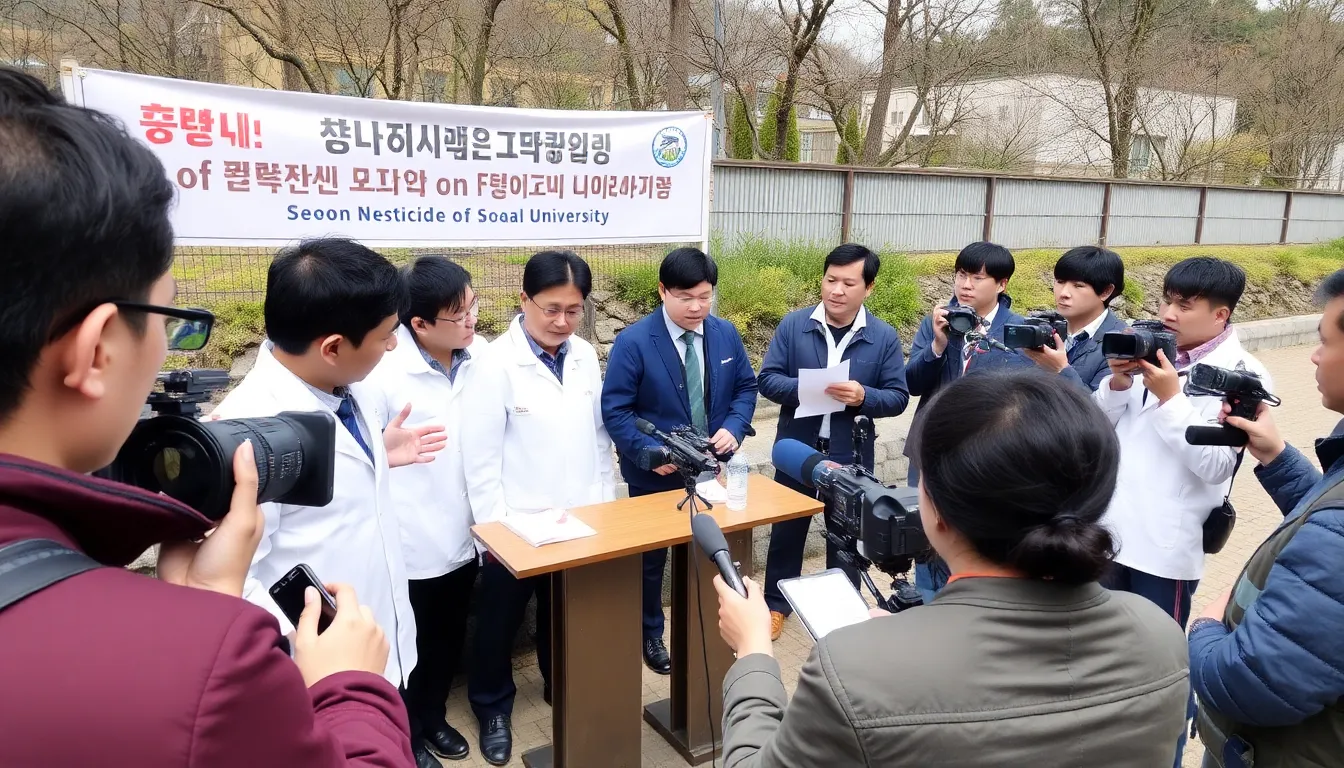
The historical context of pesticide use can be traced back to the post-World War II era when agricultural practices shifted dramatically. The introduction of synthetic pesticides, such as DDT, revolutionized farming but also sparked significant environmental debates. By the 1970s, the detrimental effects of pesticides on wildlife became a focal point of environmental activism, leading to regulatory changes and the eventual banning of some of the most harmful substances. However, many pesticides remain in use today, often with insufficient understanding of their long-term impacts on aquatic life.
The economic implications of pesticide use
The economic benefits of pesticide use have long been a driving force behind their continued application in agriculture. Farmers rely on these chemicals to maximize productivity and protect their crops from pests and diseases. However, the recent findings that pesticides may drastically shorten fish lifespans complicate this narrative. This topic intersects with broader discussions on agricultural practices, which have implications similar to those raised in CBS Evening News Viewership Declines in First Week with Tony Dokoupil.
As awareness of the ecological impacts of pesticides grows, regulatory bodies are faced with the challenge of enforcing stricter guidelines while considering the economic realities of farming. The interplay between agricultural interests and environmental health continues to shape the discourse surrounding pesticide use, making it a complex issue that requires careful navigation. Understanding the historical and socio-economic context of pesticides is essential for addressing the current crisis in aquatic environments.
Key stakeholders and implications of the study
The recent study highlighting the detrimental effects of pesticides on fish lifespans brings several stakeholders into focus, each with distinct interests. Key actors include environmental organizations, agricultural industries, governmental regulatory bodies, and local communities reliant on fisheries. Understanding their perspectives is crucial for navigating the implications of this research.
Environmental organizations are primarily concerned with the preservation of aquatic ecosystems. Their advocacy efforts aim to raise awareness about the harmful impacts of pesticides not only on fish but also on broader biodiversity. They may push for stricter regulations on pesticide usage, which could lead to conflicts with agricultural industries that rely on these chemicals for crop protection.
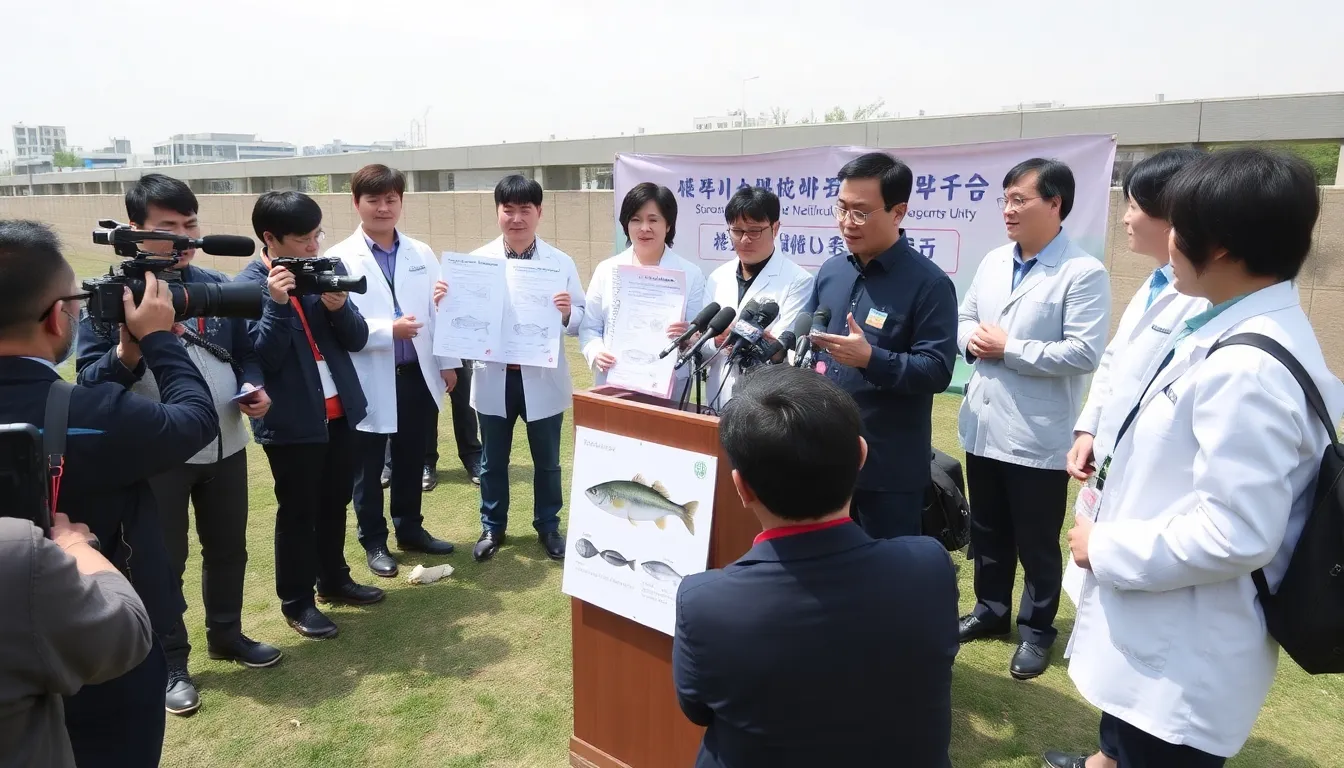
On the other hand, agricultural industries, including pesticide manufacturers and farmers, may view the findings as a threat to their practices. The economic implications of restricting pesticide use could lead to increased production costs and reduced crop yields. This creates a trade-off between agricultural productivity and environmental health, raising questions about sustainable farming practices.
Governmental regulatory bodies are tasked with balancing these competing interests. They must consider the scientific evidence presented in the study while also weighing economic factors and public health concerns. The potential need for revised regulations could spark debates among lawmakers about the best approach to protect both fish populations and agricultural viability, reflecting the complexities discussed in Meta’s recent decisions impact Quest 3 game studios and my choice for Steam Frame.
Local communities that depend on fishing for their livelihoods face immediate consequences from declining fish populations. Their interests may align with environmental organizations in seeking sustainable practices, yet they also must consider the economic implications of stricter regulations on agriculture that could affect food prices and availability. This complex interplay of interests highlights the need for collaborative solutions.
- Environmental organizations advocate for stricter pesticide regulations to protect aquatic life.
- Agricultural industries push back against regulations due to potential economic impacts.
- Government bodies face pressure to balance environmental health with agricultural productivity.
- Local communities are caught between the need for sustainable fisheries and the economic realities of agriculture.
- Collaborative approaches may be necessary to address the concerns of all stakeholders involved.
Potential effects on fish populations and ecosystems
The recent study highlighting the detrimental effects of pesticides on fish lifespans raises significant concerns for various stakeholders, including environmental groups, fisheries, and local communities dependent on aquatic ecosystems. Regions with high agricultural activity, particularly those near water bodies, may see the most severe impacts as pesticide runoff affects local fish populations.
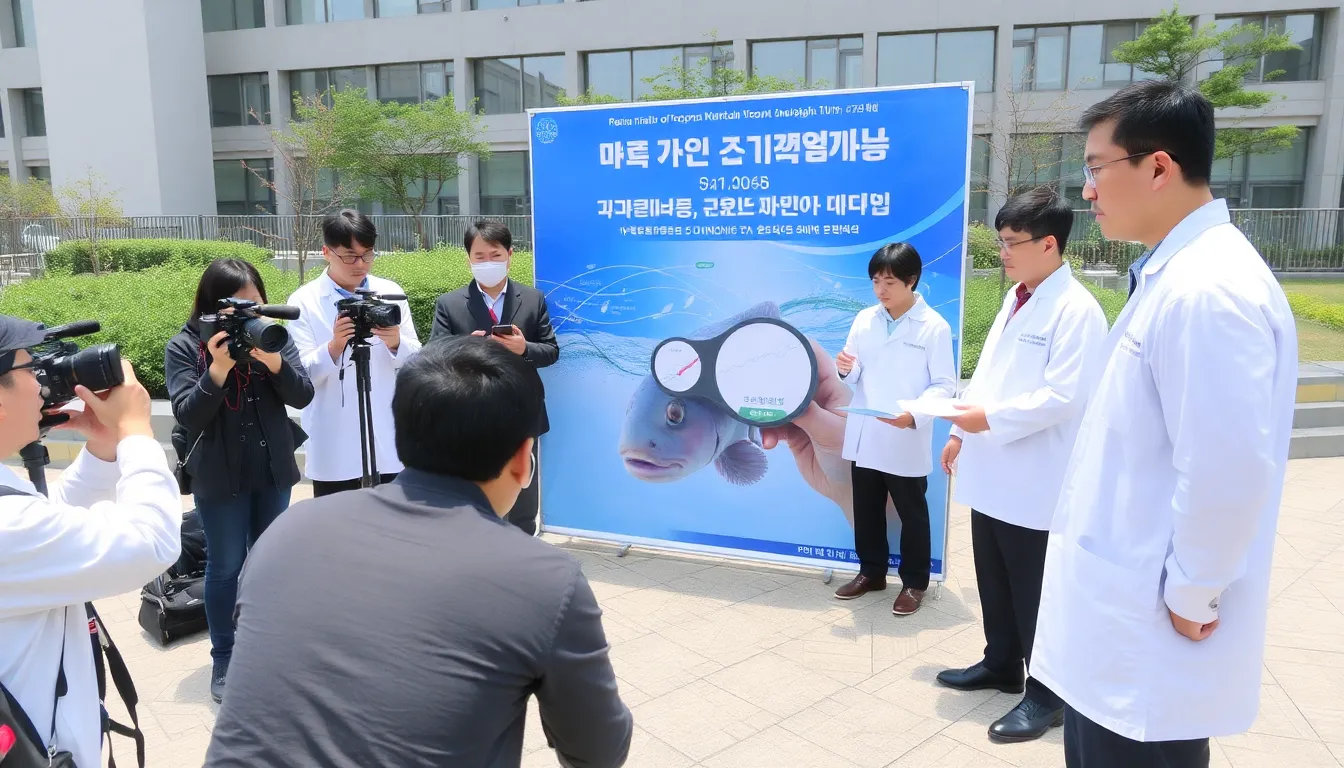
Short-term impacts may include a noticeable decline in fish health and population numbers, which can disrupt local fishing industries. Fishermen and related businesses may face immediate economic challenges due to reduced catches and potential restrictions on fishing practices. This could lead to increased prices for fish products and a subsequent impact on consumers.
In the mid-term, policymakers may be compelled to implement stricter regulations on pesticide use, particularly in agricultural zones near waterways. This could lead to a shift in agricultural practices, promoting the use of more sustainable pest control methods. While this transition may be costly for farmers initially, it could also open up new markets for organic produce and sustainable fishing practices.
- Fisheries and fishing communities: Economic strain from declining fish populations.
- Agricultural sectors: Potential shifts towards sustainable practices.
- Environmental organizations: Increased advocacy for policy changes.
- Consumers: Higher prices for fish products.
Moreover, the ecological balance in affected regions could be at risk, potentially leading to broader biodiversity loss. The decline in fish populations may also impact species that rely on fish as a food source, creating a ripple effect throughout the ecosystem.
On the other hand, this situation presents an opportunity for innovation in both agricultural and fishing industries. Development of eco-friendly pesticides and sustainable fishing practices could emerge as key areas for growth, attracting investment and fostering a more resilient economy in the face of environmental challenges.
A: The study examined various common agricultural pesticides, focusing on their effects on different fish species. A: Pesticide exposure can lead to physiological stress, reproductive issues, and increased mortality rates in fish. A: Shortened lifespans in fish can disrupt food chains and affect biodiversity within aquatic ecosystems. A: Current regulations vary by region, but many experts argue for stricter controls to mitigate risks to aquatic life. A: Implementing sustainable farming practices and reducing pesticide use near water bodies can help protect fish populations.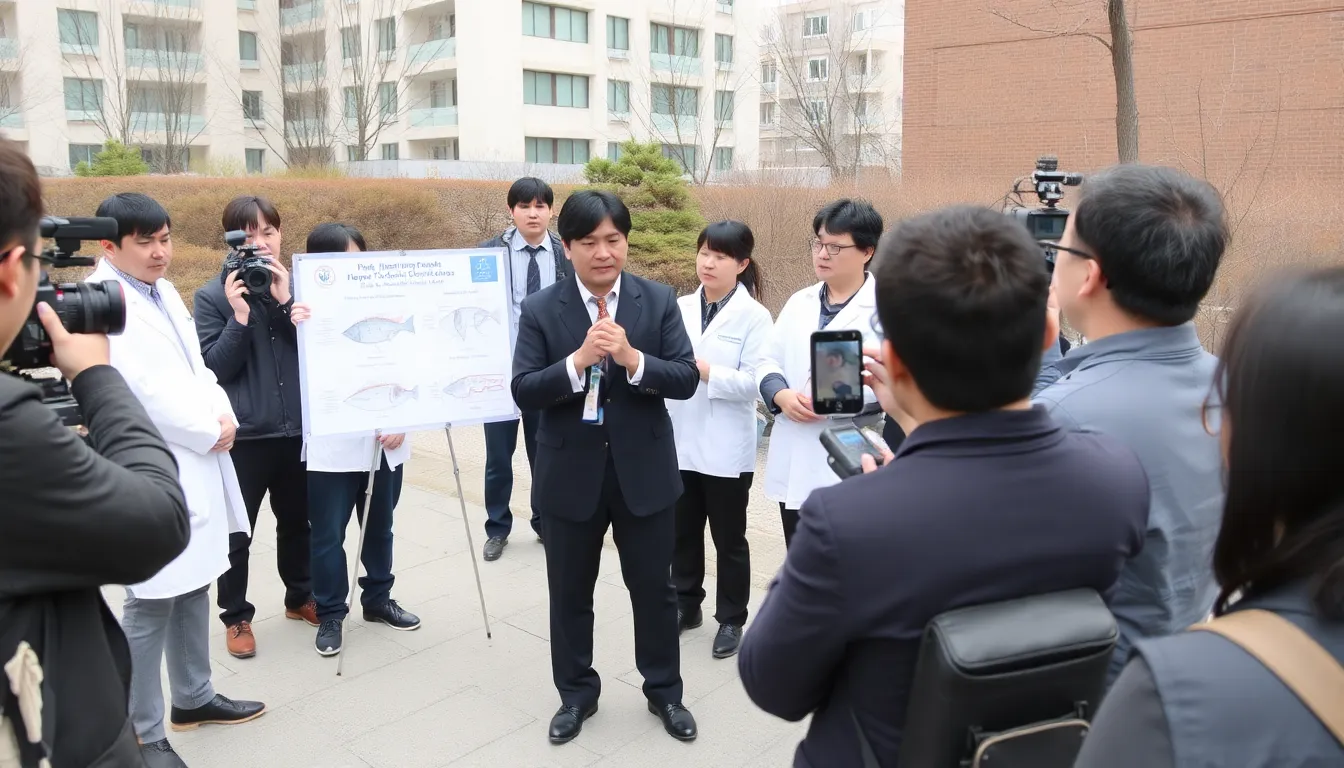
Frequently asked questions about the study
Insights on the future of fish health and pesticide regulation
The recent study highlighting the detrimental effects of pesticides on fish lifespans raises significant concerns about aquatic ecosystems and the broader implications for biodiversity. As the evidence mounts regarding the impact of chemical pollutants, it becomes increasingly important for regulatory bodies to reassess current pesticide usage and its long-term consequences on marine life.
Moreover, this research underscores the need for greater public awareness and advocacy for sustainable agricultural practices that prioritize environmental health. Stakeholders in both the agricultural and environmental sectors must collaborate to ensure that fish populations are protected, ultimately benefiting ecosystems and human communities alike.
- Increased scrutiny and potential reform of pesticide regulations may be on the horizon as more studies reveal their ecological impacts.
- Fisheries and aquaculture industries may need to adapt practices to mitigate the effects of pesticide runoff on fish populations.
- Public awareness campaigns could play a crucial role in educating consumers about the implications of pesticide use on aquatic life.
- Future research should focus on identifying safer alternatives to harmful pesticides that can minimize their environmental footprint.
- Monitoring programs may become essential to track the health of fish populations and the effectiveness of new regulatory measures.