


Moreover, Tazewell draws inspiration from iconic fashion figures, notably incorporating elements of Audrey Hepburn’s style into Glinda’s costumes.
The decision to upcycle materials and reference historical fashion icons reflects broader trends in the entertainment industry, where sustainability and nostalgia are becoming increasingly important. As audiences become more conscious of environmental issues, productions that embrace these themes are likely to gain favor. Tazewell’s designs not only serve to enhance character development but also provoke thought regarding the impact of fashion on the environment.
As the premiere date approaches, the excitement surrounding Tazewell’s work continues to grow, with early reviews praising the innovative designs. This production of “Wicked” aims to not only entertain but also inspire conversations about the future of costume design in theater. By merging sustainability with timeless style, Tazewell is setting a new standard for what audiences can expect from theatrical productions moving forward.
The Evolution of Wicked’s Costume Designs
Since its debut on Broadway in 2003, “Wicked” has captivated audiences not only with its powerful narrative and music but also with its striking costume designs, reflecting the fantastical elements of the story while also reflecting the characters’ complex personalities.
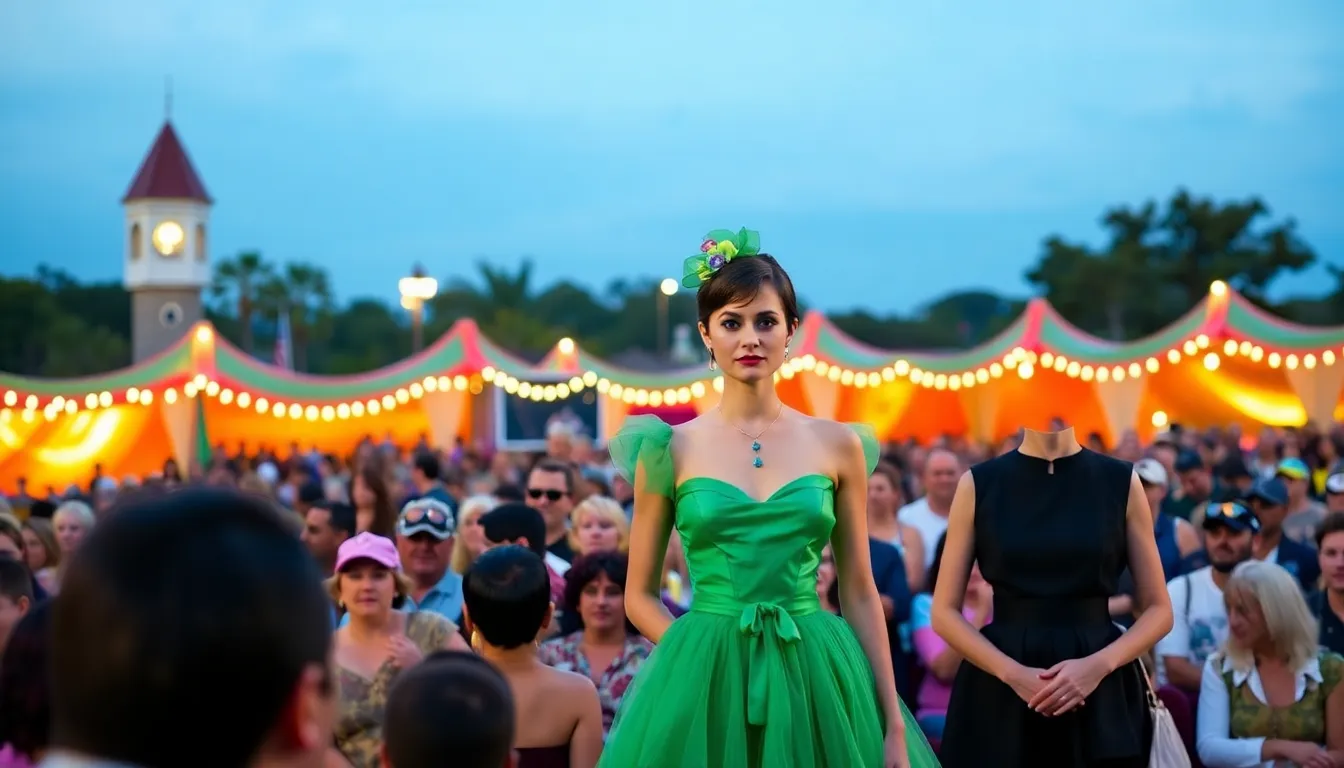
Paul Tazewell, known for his innovative approach to costume design, has taken on the challenge of reimagining Elphaba’s looks through an upcycled lens. This approach not only addresses contemporary concerns about sustainability in fashion but also aligns with the character’s journey from misunderstood outsider to empowered leader. By using recycled materials, Tazewell emphasizes the themes of transformation and resilience that are central to Elphaba’s story.
Glinda’s Style and Audrey Hepburn Influence
In contrast, Glinda’s designs have been infused with the timeless elegance of Audrey Hepburn’s style, showcasing a blend of classic and modern aesthetics. Hepburn, a fashion icon of the 20th century, embodied grace and sophistication, qualities that resonate with Glinda’s character arc. Tazewell’s incorporation of Hepburn-inspired elements serves to highlight Glinda’s growth from a superficial sorority girl to a more self-aware and compassionate individual.
The evolution of costume design in “Wicked” reflects broader societal shifts, including a growing awareness of environmental issues and the importance of representation in the arts, a theme also prevalent in contemporary discussions about the role of fashion.
Ultimately, the collaboration between Tazewell and the production team marks a significant milestone in the ongoing evolution of “Wicked.” By blending historical influences with contemporary concerns, they are redefining what it means to dress characters in a way that is both visually stunning and socially responsible. This innovative approach to costume design not only celebrates the legacy of the original production but also paves the way for future artistic endeavors in the world of theater.
Key Stakeholders and Their Influence on the Production
The production of ‘Wicked: For Good’ has drawn attention from various stakeholders, each with distinct interests and influences. The primary actors include the creative team, including costume designer Paul Tazewell, production companies, and the broader theatrical community. Each of these stakeholders plays a crucial role in shaping the artistic and commercial outcomes of the production.
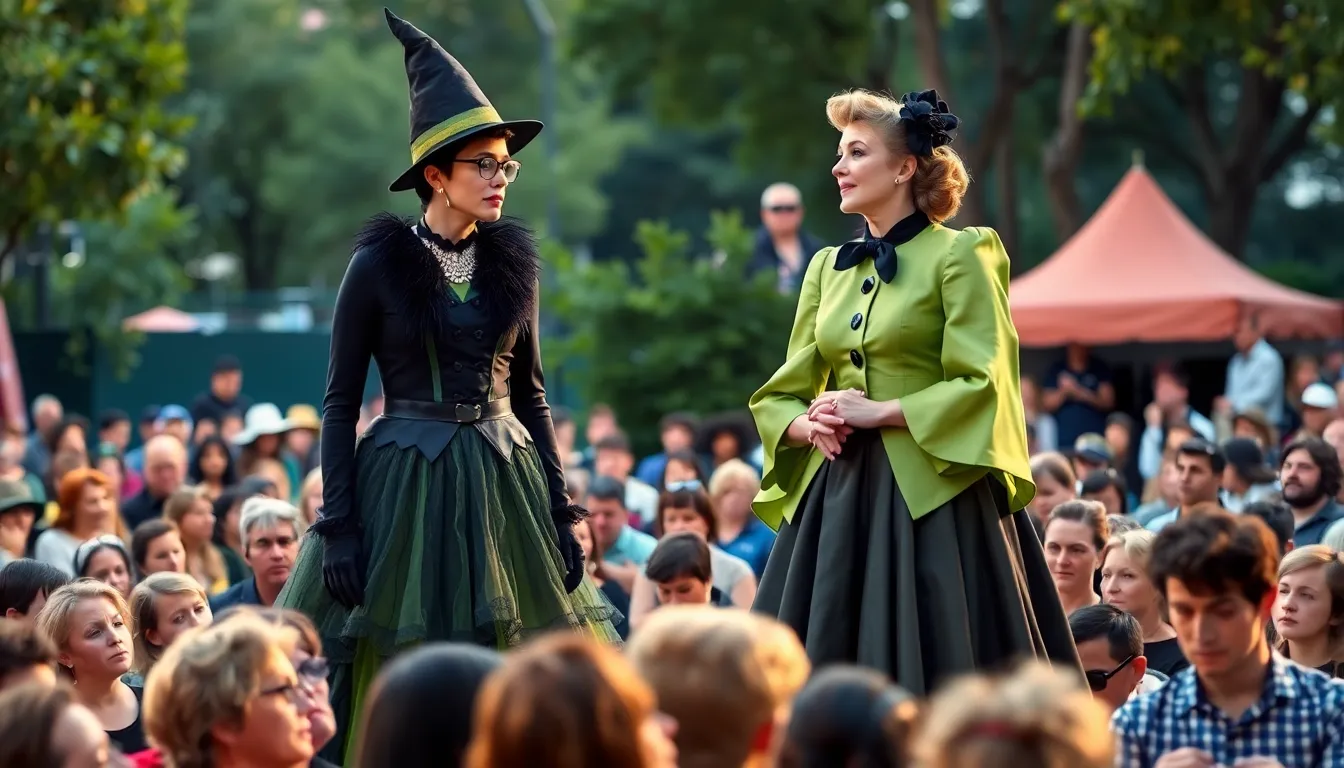
Paul Tazewell, as the costume designer, is pivotal in defining the visual identity of the characters Elphaba and Glinda. His approach to upcycling Elphaba’s looks not only reflects a commitment to sustainability but also resonates with contemporary fashion trends. By integrating elements of Audrey Hepburn’s style into Glinda’s designs, Tazewell aims to bridge classic elegance with modern sensibilities, appealing to a diverse audience.
Production companies and investors are also key stakeholders, as they are primarily concerned with the financial viability of the show. Their interests often align with maximizing ticket sales and ensuring a return on investment. This may lead to conflicts with artistic choices, particularly when innovative designs or themes might not align with mainstream audience expectations.
- Creative Vision vs. Commercial Success: The balance between maintaining artistic integrity and achieving box office success is a constant tension.
- Sustainability Concerns: Tazewell’s upcycling efforts may attract eco-conscious audiences but could also face scrutiny regarding costs and production feasibility.
- Cultural Representation: The incorporation of historical fashion elements raises questions about representation and cultural appropriation, impacting audience reception.
- Industry Standards: Adhering to industry standards for costume design while innovating can create challenges for the production team.
Furthermore, the audience itself represents a significant stakeholder group. Their preferences and feedback can influence future productions and adaptations, highlighting the importance of engaging with viewers beyond traditional theatrical boundaries. Understanding these dynamics is essential for grasping the broader implications of ‘Wicked: For Good’ within the theatrical landscape.
Impact of Upcycled Fashion on the Theater Community
The recent initiative by Paul Tazewell to incorporate upcycled materials into the costumes of ‘Wicked: For Good’ has far-reaching implications for various stakeholders within the theater community. This innovative approach not only highlights sustainability but also influences costume design practices, potentially setting a new standard for future productions.
One of the primary groups affected includes costume designers and theatrical production companies. By embracing upcycled fashion, these professionals are challenged to rethink their sourcing strategies and material choices. This shift could lead to a greater emphasis on sustainability in design, impacting how costumes are created and perceived in the industry.
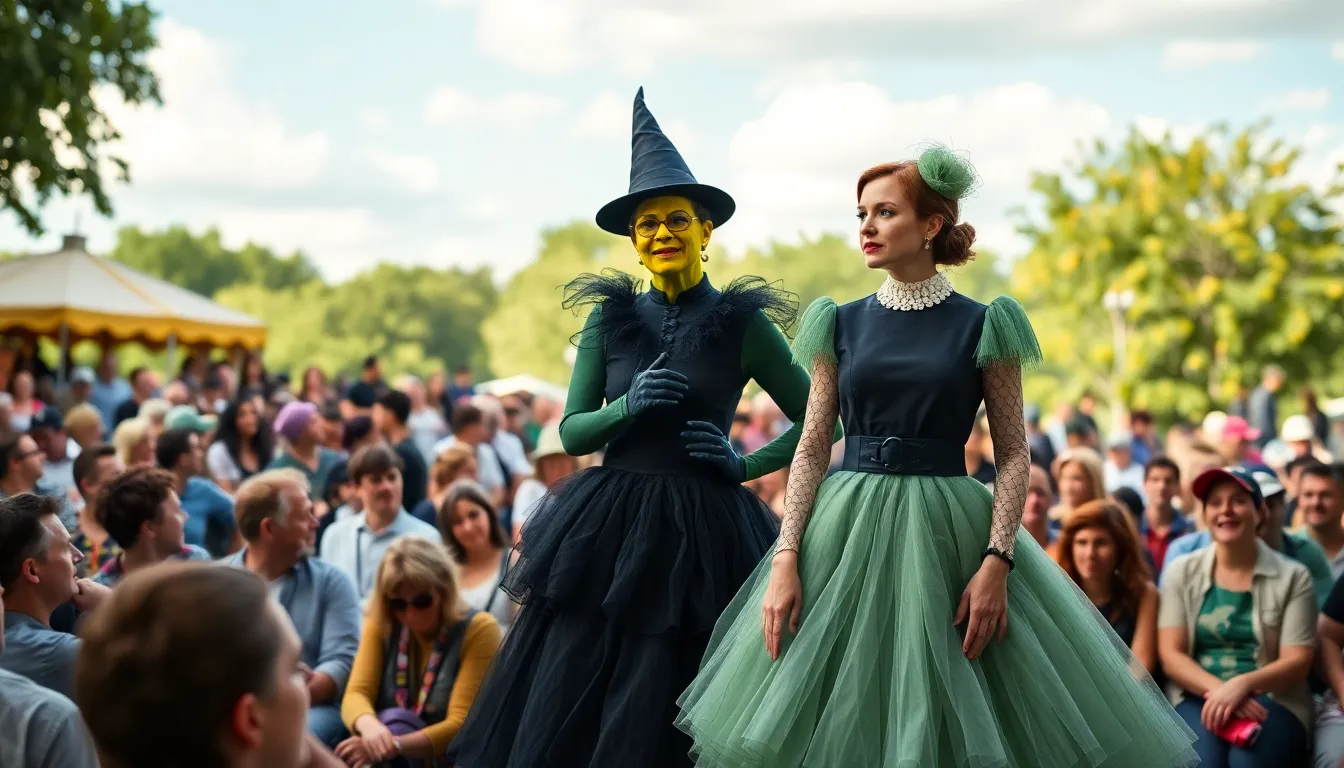
In the short term, audiences may notice a change in the visual aesthetics of theatrical productions, as unique, repurposed materials can lead to more diverse and creative designs. Additionally, this trend may inspire other productions to adopt similar practices, leading to a ripple effect across the industry. However, there are risks involved, such as potential pushback from traditionalists who may view upcycled fashion as less authentic or inferior in quality.
- Costume Designers: Encouraged to innovate with sustainable materials.
- Production Companies: May face increased costs or challenges in sourcing upcycled materials.
- Audiences: Could experience a more diverse range of visual storytelling.
- Environmental Impact: Potentially reduced waste and carbon footprint in theater productions.
In the mid-term, the fashion industry itself may see new opportunities emerge as collaborations between theater designers and sustainable fashion brands become more common. This could lead to a broader cultural shift towards eco-conscious practices in both theater and fashion, fostering a new generation of designers who prioritize environmental responsibility.
Overall, while the transition to upcycled fashion in theater presents certain risks, it also opens doors for innovation, collaboration, and a more sustainable future in the performing arts. The impact of this movement could resonate well beyond the stage, influencing consumer behavior and industry standards in the years to come.
A: Paul Tazewell drew inspiration from both upcycled materials and classic Hollywood style, particularly Audrey Hepburn’s iconic looks, to create a fresh take on the characters. A: Upcycling allows for sustainable fashion practices, reducing waste while providing unique and innovative designs that reflect contemporary values. A: Elphaba’s new look incorporates elements from previous designs but emphasizes a more modern and eco-friendly approach, showcasing Tazewell’s creativity. A: Glinda’s costumes feature elegant silhouettes and classic patterns reminiscent of Hepburn’s timeless fashion, blending nostalgia with contemporary flair. A: Audiences are increasingly drawn to productions that prioritize sustainability and creativity, making Tazewell’s designs resonate well with modern theatergoers.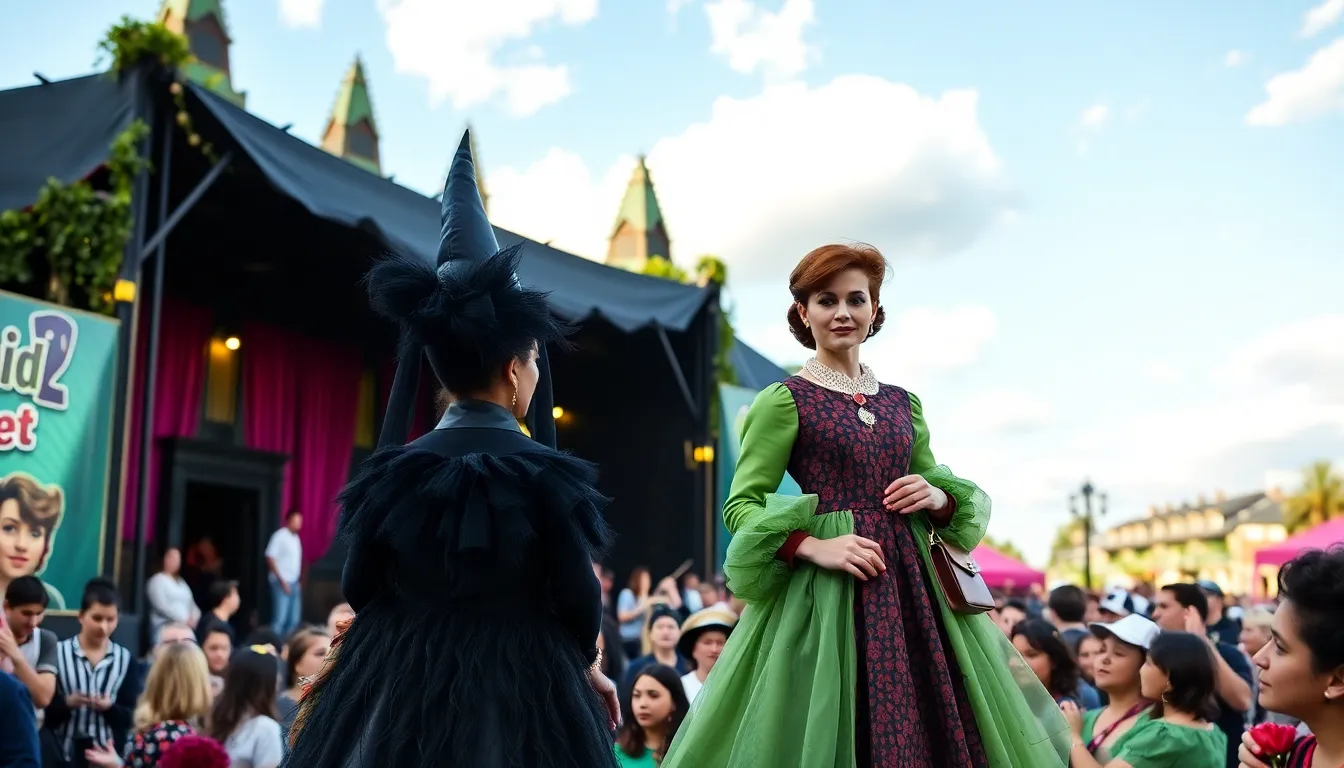
Frequently Asked Questions About the Costume Designs
Key Takeaways and Future Directions in Costume Design
The innovative approach taken by Paul Tazewell in ‘Wicked: For Good’ highlights the evolving landscape of costume design, where sustainability and historical influences converge. By upcycling Elphaba’s looks and integrating Audrey Hepburn’s timeless elegance into Glinda’s designs, Tazewell not only breathes new life into the characters but also sets a precedent for future theatrical productions.
This blend of sustainability with classic style invites designers to rethink their practices, encouraging a movement towards more environmentally conscious choices in the industry. As audiences become increasingly aware of the environmental impact of fashion, the demand for creative solutions in costume design will likely grow, pushing the boundaries of traditional aesthetics.
- Emphasizing sustainability in costume design can enhance a production’s appeal and resonate with eco-conscious audiences.
- Integrating historical fashion influences can enrich character development and provide depth to storytelling.
- Collaborative efforts between designers and production teams can lead to innovative solutions that address both aesthetics and sustainability.
- Monitoring audience reactions to these design choices can inform future projects and guide industry trends.
- Investing in upcycling and repurposing materials may become a standard practice, shaping the future of theatrical costume design.