


Key players in the travel industry, including major RV rental companies and outdoor equipment retailers, are adapting to this surge by expanding their offerings and services. For instance, companies are introducing more flexible rental options and enhancing their online platforms to cater to a growing audience interested in spontaneous travel. Additionally, national parks and scenic routes are seeing a spike in visitors, prompting local governments to implement measures to manage the increased traffic and ensure visitor safety. For more on how the travel industry is adjusting, check out this article on wetter winters and their impact.
Furthermore, the rise of remote work has contributed to the open road trend, allowing individuals to combine work and travel more seamlessly. Many professionals are choosing to work from various locations, leading to a new category of “workation” travelers. This shift is influencing the types of amenities and services that are in demand, with a focus on reliable internet access and comfortable workspaces in RVs and campgrounds.
As this trend continues to evolve, environmental concerns are also becoming more prominent. The travel industry is facing pressure to adopt sustainable practices, with many travelers seeking eco-friendly options. Companies are responding by promoting electric RVs and sustainable camping solutions, reflecting a growing awareness of the environmental impact of travel.
The Historical Background of Open Road Culture
The concept of the “Open Road” has long been intertwined with the American identity, symbolizing freedom, adventure, and the pursuit of dreams. Its roots can be traced back to the early 20th century when the automobile became a staple in American life. The expansion of the highway system, particularly post-World War II, played a crucial role in shaping this culture, enabling families and individuals to travel across vast distances with unprecedented ease.

In the 1950s and 1960s, the Open Road became a canvas for self-discovery and rebellion, as the rise of youth culture coincided with an increasing number of young Americans taking to the highways. Literature and films from this era, such as Jack Kerouac’s “On the Road,” captured the essence of this newfound freedom and the desire to explore beyond societal norms. This period marked a significant shift in how Americans perceived travel, transforming it from a mere necessity into an experience filled with meaning and adventure. For more insights into cultural influences on travel, visit this piece about Epic Games Store’s launch.
Key Milestones in Open Road History
The establishment of the Interstate Highway System in 1956 was a pivotal moment for Open Road culture. This vast network of highways not only facilitated commerce but also encouraged road trips and leisure travel, further embedding the idea of the Open Road into the national consciousness. Additionally, the emergence of roadside attractions and motels catered to the traveling public, creating a unique subculture that celebrated the journey as much as the destination.
As the decades progressed, the Open Road continued to evolve. The 1970s energy crisis prompted a reevaluation of car culture, leading to a rise in environmental awareness and a push for sustainable travel options. In recent years, the Open Road has also been influenced by digital technology, with navigation apps and social media reshaping how people plan and share their travel experiences. This ongoing evolution reflects broader societal changes, illustrating how the Open Road remains a dynamic symbol of freedom and exploration in American life.
Key Stakeholders and Issues Surrounding Open Road Travel
The concept of open road travel encompasses a range of stakeholders, each with distinct interests that can sometimes conflict. Key actors include government agencies, private sector companies, environmental organizations, and the traveling public. Understanding their roles and perspectives is essential for a comprehensive analysis of the current landscape.
Government agencies, particularly those responsible for transportation and tourism, play a critical role in shaping policies that affect road access and infrastructure. Their interests often focus on promoting economic growth through tourism while ensuring safety and environmental sustainability. However, balancing these interests can lead to tensions, especially when funding for road maintenance and upgrades is limited.

Private sector companies, including automotive manufacturers and travel service providers, are also significant stakeholders. They advocate for policies that support the expansion of road networks and the development of new technologies that enhance the travel experience. However, their interests may clash with environmental groups, which emphasize the need for sustainable practices and reduced carbon emissions associated with increased road travel.
- Economic Growth: The push for open road travel often centers on boosting local economies through tourism.
- Environmental Concerns: Increased road use raises issues regarding pollution and habitat destruction.
- Safety Regulations: Government agencies must navigate the complexities of ensuring road safety while promoting accessibility.
- Technological Innovation: The automotive industry is focused on developing greener technologies to meet consumer demand.
- Public Sentiment: The views of the traveling public can significantly influence policy decisions and industry practices.
In addition to these actors, the interplay between local communities and larger governmental bodies often highlights the trade-offs involved in road development. Communities may benefit from increased accessibility but could also face challenges such as traffic congestion and changes to their local environment. The resolution of these conflicts requires careful consideration of all stakeholders’ interests and the potential long-term impacts of open road travel initiatives. For an understanding of how these dynamics are shaping other areas, consider reading this article on Ireland’s recent challenges.
The Impact of Open Road Travel on Local Economies
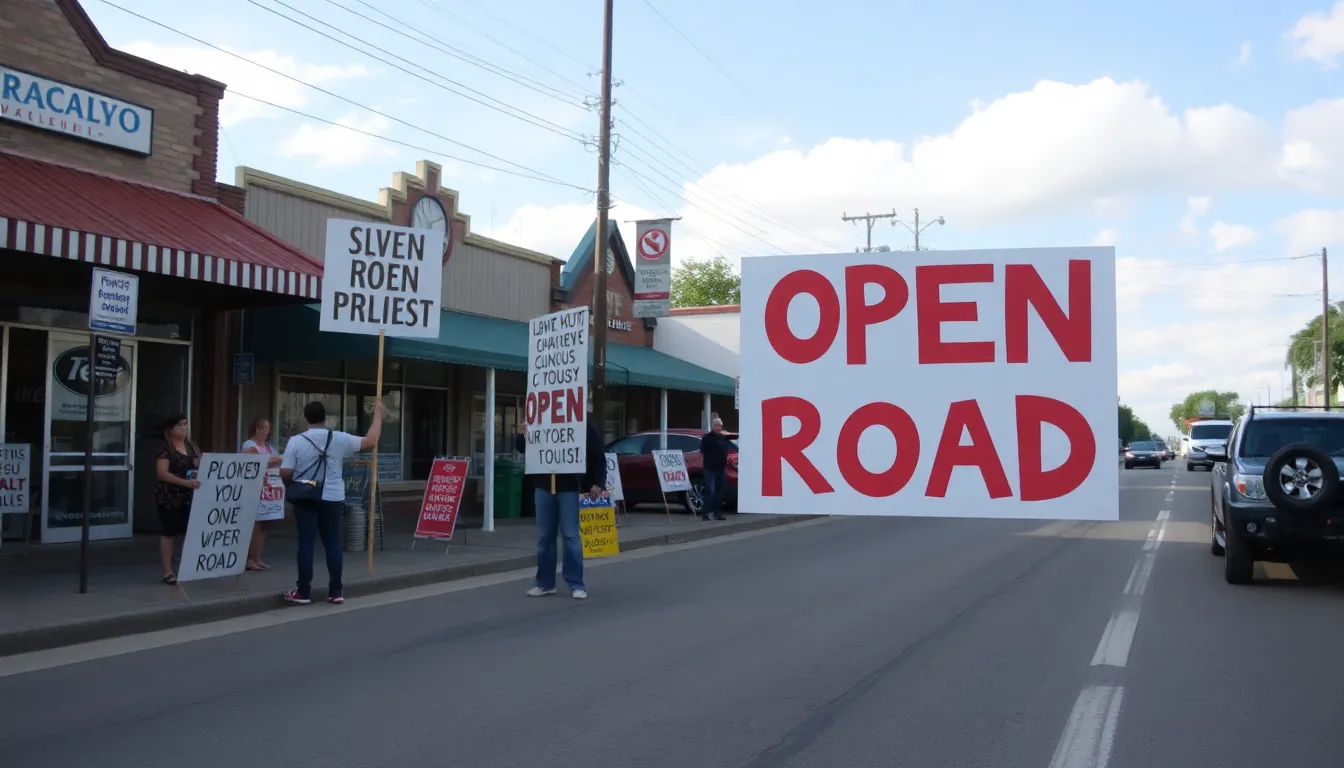
The resurgence of open road travel has significant implications for various groups and industries, particularly in regions heavily reliant on tourism. Local economies, especially in rural and scenic areas, stand to benefit from an influx of travelers seeking outdoor experiences. This trend not only boosts hospitality sectors, such as hotels and restaurants, but also supports local artisans and service providers.
In the short term, businesses catering to road trippers, including gas stations, convenience stores, and attractions, are likely to see increased foot traffic and sales. However, this surge may also strain local resources, leading to potential challenges in infrastructure and services. Communities may need to adapt quickly to accommodate the growing number of visitors, which could require policy adjustments at the municipal level.
In the mid-term, the impact of sustained open road travel could reshape local economies. Regions may experience a diversification of their economic base as they become more attractive to both tourists and new residents. This shift could lead to job creation in sectors such as transportation, entertainment, and outdoor recreation. However, there are risks associated with over-tourism, including environmental degradation and rising living costs for local residents.
- Increased tourism revenue: Local businesses benefit from higher sales.
- Infrastructure strain: Increased demand may challenge local services.
- Job creation: New opportunities in various sectors may arise.
- Environmental concerns: Risks of over-tourism could impact natural resources.
- Policy shifts: Communities may need to adapt regulations to manage growth.
While the potential for economic growth is promising, stakeholders must balance the benefits of increased travel with the need to maintain the integrity of local communities and environments. Proactive planning and sustainable practices will be essential to harness the opportunities presented by the open road phenomenon while mitigating its risks.
A: The Open Road concept refers to the freedom and adventure associated with traveling on highways and scenic routes. It embodies the spirit of exploration and discovery. A: Open Road travel has evolved with advancements in technology and changing consumer preferences, leading to a rise in road trips and van life culture. A: Benefits include flexibility in travel plans, opportunities for unique experiences, and the chance to connect with nature and local communities. A: Yes, challenges can include planning routes, managing expenses, and ensuring vehicle maintenance during long trips. A: Preparation involves researching routes, packing essentials, and ensuring your vehicle is in good condition for the journey.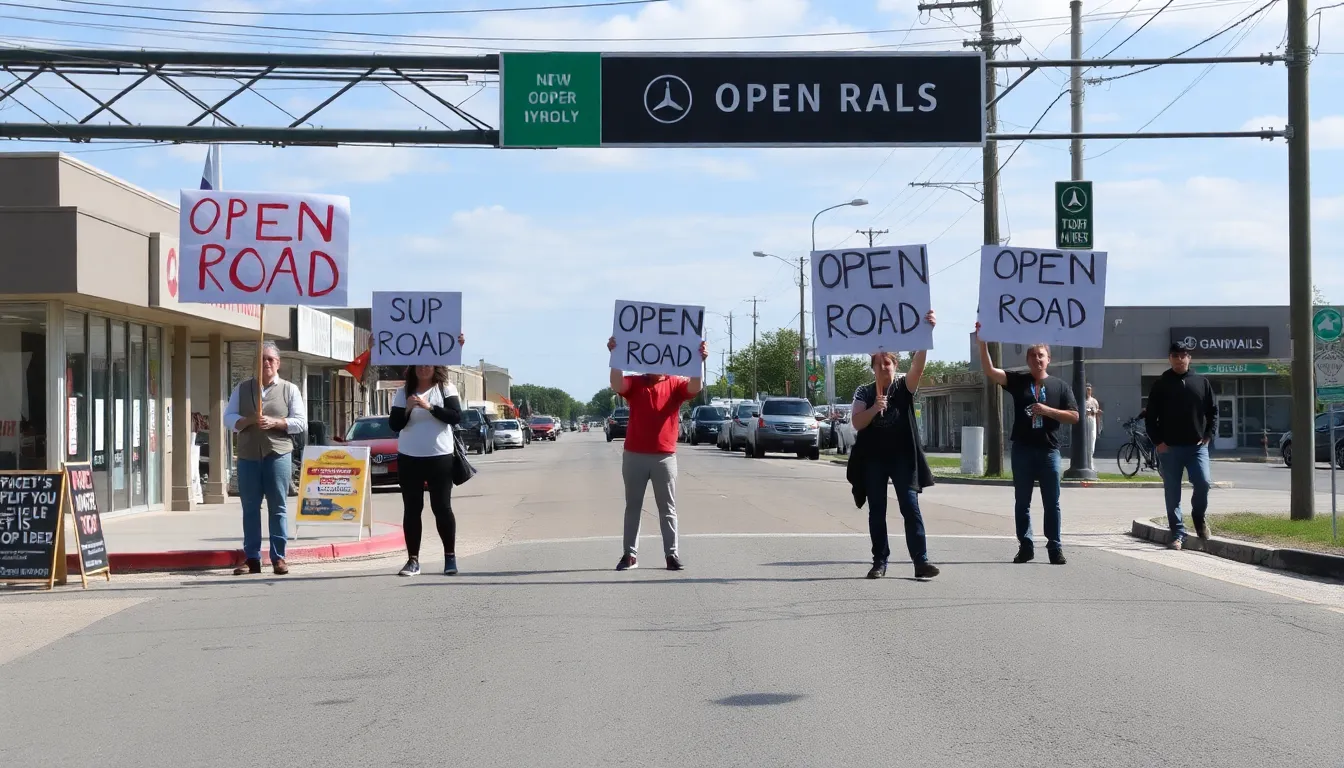
Frequently Asked Questions about Open Road Travel
Future Outlook and Key Takeaways on Open Road Travel
The evolution of open road travel continues to transform the way people experience mobility and adventure. As technology advances and consumer preferences shift, the implications for both the travel industry and individual travelers are significant. The integration of smart technology, sustainability practices, and personalized experiences will shape the future landscape of road travel.
Travelers are increasingly seeking flexibility and unique experiences, which will drive innovation in vehicle design and travel services. Stakeholders in the industry must remain vigilant to these trends, adapting their offerings to meet the demands of a more discerning and eco-conscious audience.
- Embrace Technology: Expect advancements in vehicle connectivity and autonomous driving features to enhance safety and convenience for travelers.
- Sustainability Focus: The push for eco-friendly travel options will likely lead to a rise in electric and hybrid vehicles, as well as sustainable travel practices.
- Personalization is Key: Tailored travel experiences will become increasingly important, with services that cater to individual preferences and needs.
- Community Engagement: Travelers will seek deeper connections with local cultures, prompting businesses to develop more authentic and immersive experiences.
- Flexibility in Travel Plans: The demand for adaptable travel itineraries will grow, encouraging companies to offer more dynamic booking options and services.