


Local municipalities, responsible for snow clearance, have reported shortages of equipment and personnel. Many towns struggled to keep roads and sidewalks clear, resulting in hazardous conditions for pedestrians and drivers. This has prompted discussions about the effectiveness of current snow management strategies and the need for better resources.
This has prompted discussions about the effectiveness of current snow management strategies and the need for better resources, which can be informed by examining case studies from other regions, such as those discussed in New outfits and snow disruption in Macclesfield.
Public sentiment is shifting, with many questioning whether the Netherlands has adequately adapted to its changing climate. The ongoing dialogue among local governments, citizens, and environmental organizations emphasizes the importance of proactive measures to ensure safety and accessibility during snowy conditions. As the winter season progresses, the stakes continue to rise for effective snow management in the country.
Historical perspective on snow handling in the Netherlands
However, in recent decades, there has been a noticeable shift in how the Dutch approach snow management, raising concerns about preparedness and resilience, a topic that resonates with other nations experiencing climate challenges, as seen in Winter blooming of hundreds of plants in UK.
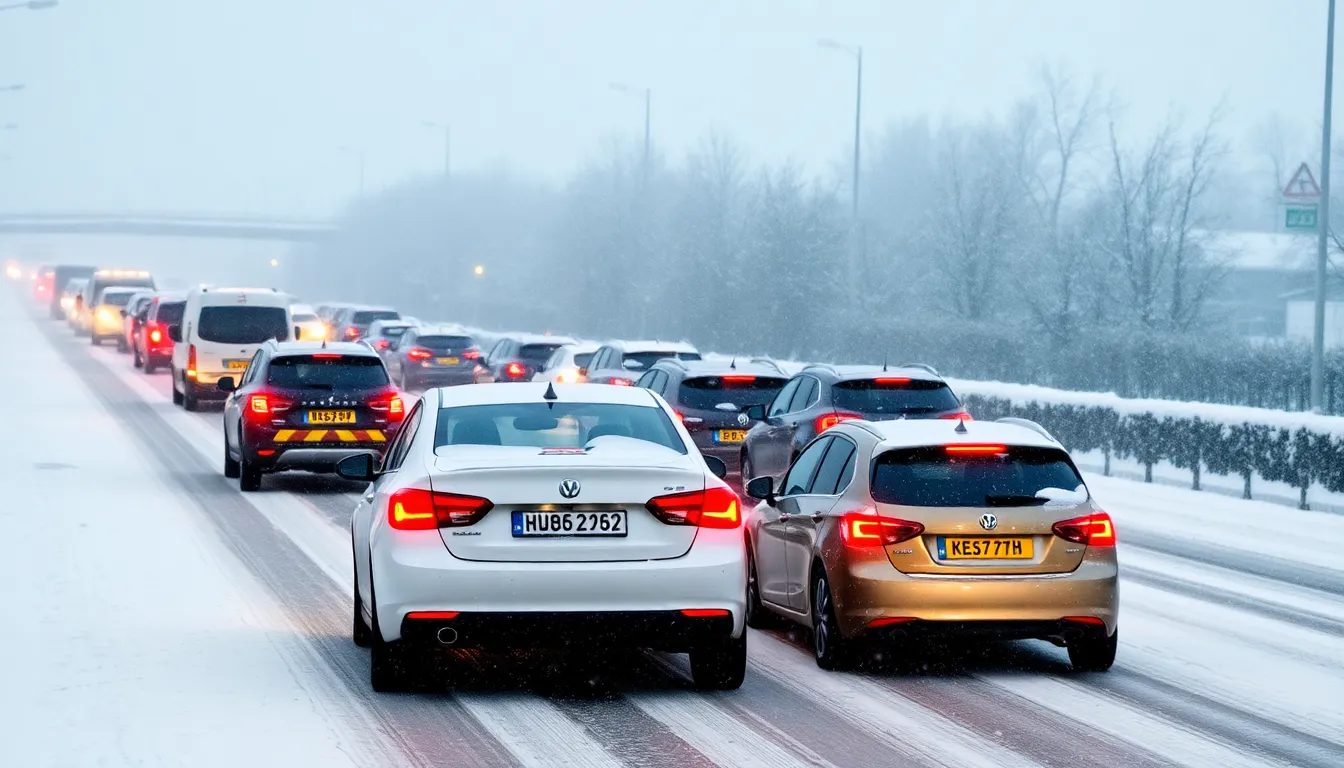
In the 20th century, significant snow events, such as the harsh winter of 1979, prompted the government to invest heavily in infrastructure and snow removal technologies. Municipalities were equipped with better tools, and protocols were established to ensure swift responses to winter weather. This proactive stance reflected the Netherlands’ commitment to maintaining accessibility and safety during adverse weather conditions.
Shift in public perception and policy
As winters became milder in the late 20th and early 21st centuries, public perception of snow-related challenges began to shift. Many citizens and policymakers grew complacent, believing that heavy snowfall was a rarity and that extensive preparations were unnecessary. This attitude was compounded by budget cuts in local governments, which often resulted in reduced funding for winter maintenance services.
Critics argue that the Netherlands has forgotten the lessons of its past, failing to invest in the necessary infrastructure and community education to effectively cope with snow, emphasizing a need for a proactive approach similar to what is being examined in the royal commission into Bondi shooting.
As the impacts of climate change continue to evolve, the question remains whether the Netherlands can reclaim its historical resilience against winter weather or if the damage caused by neglecting snow management will continue to pile up.
Key stakeholders and their roles in snow management
In the context of snow management in the Netherlands, several key stakeholders play crucial roles, each with distinct interests and responsibilities. The primary actors include government agencies, local municipalities, transportation authorities, and citizens. These stakeholders are involved in various aspects of snow preparedness, response, and recovery, creating a complex web of interactions and dependencies.
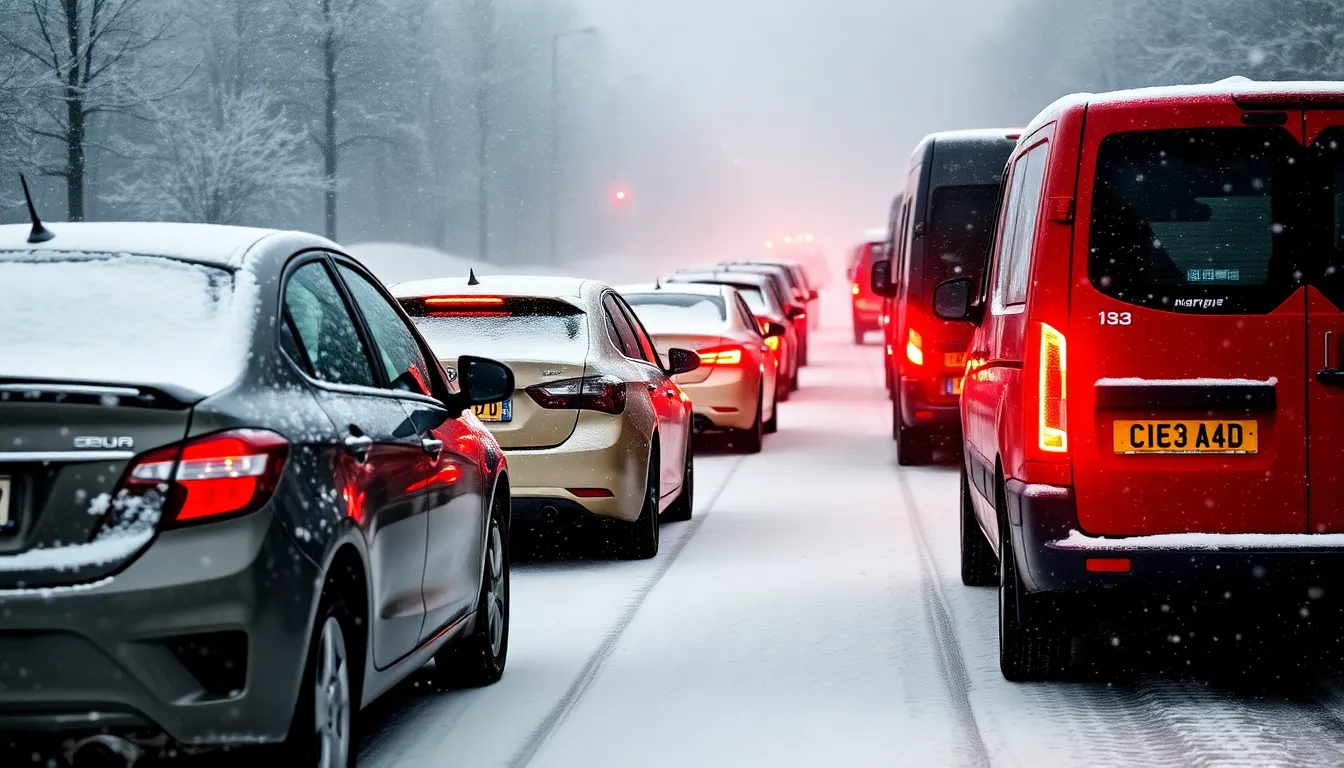
The Dutch government, particularly the Ministry of Infrastructure and Water Management, is responsible for setting national policies and providing funding for snow management initiatives. Their interest lies in ensuring public safety, maintaining transportation networks, and minimizing economic disruptions during severe weather events. Local municipalities, on the other hand, are tasked with implementing these policies at the community level, often with limited resources and varying levels of preparedness.
Transportation authorities, including rail and road operators, have a vested interest in maintaining operational efficiency during snow events. They face the challenge of balancing service reliability with safety measures, which can lead to conflicts over resource allocation and prioritization of snow clearing efforts. Citizens, as the end-users of transportation and public services, have expectations for timely responses and effective snow management, which may not always align with the capabilities of local governments.
- Resource Allocation: Limited budgets can lead to trade-offs in snow management strategies, affecting the effectiveness of responses.
- Public Safety vs. Economic Impact: The need to ensure safety may conflict with the desire to minimize economic losses during snow events.
- Community Preparedness: Variability in local preparedness levels can create disparities in snow management effectiveness across regions.
- Stakeholder Communication: Effective communication among stakeholders is essential to coordinate responses but often lacks clarity.
- Climate Change Considerations: Increasingly unpredictable weather patterns may challenge traditional snow management approaches.
These dynamics highlight the complexities of snow management in the Netherlands, where collaboration and conflict among stakeholders can significantly influence the outcomes of snow-related events. Understanding these relationships is crucial for developing more effective strategies to cope with snow and its associated challenges.
Impact of snow on daily life and the economy
The recent heavy snowfall in the Netherlands has created significant challenges for various groups, industries, and regions. Urban areas, particularly in cities like Amsterdam and Rotterdam, have experienced disruptions in public transport, leading to delays and cancellations. Commuters and residents are feeling the strain as they navigate icy roads and limited public transportation options.
Businesses, especially those reliant on logistics and delivery services, are facing operational hurdles. Retailers are struggling to maintain supply chains, while restaurants and cafes have seen a decline in foot traffic due to adverse weather conditions. The agricultural sector is also impacted, with farmers dealing with potential crop damage and livestock care challenges.
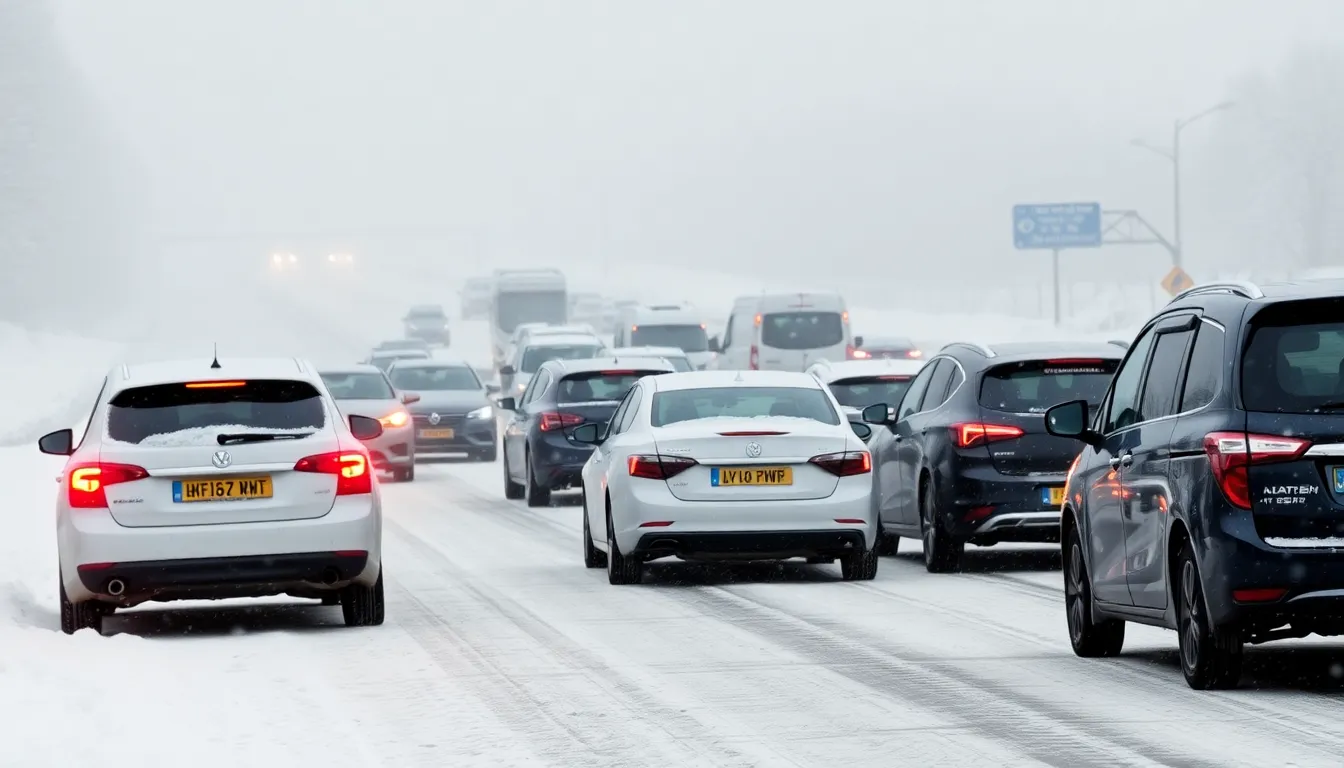
- Public transport delays affecting daily commutes
- Retail and hospitality sectors experiencing reduced customer flow
- Logistics disruptions causing supply chain issues
- Agricultural challenges impacting food supply
In the short term, the immediate impact is visible in the form of increased traffic accidents and emergency service calls. Residents are advised to stay indoors unless necessary, leading to a temporary shift in consumer behavior. This could result in a short-lived boost for online shopping as people turn to e-commerce to avoid the harsh conditions.
Looking ahead, mid-term impacts may include policy discussions around infrastructure investment and snow management strategies. There is an opportunity for local governments to reassess their winter preparedness plans, potentially leading to better resource allocation and improved community resilience against future snow events. However, the risks of prolonged economic disruption remain as businesses struggle to recover from the immediate effects of the snowfall.
A: The main issues include inadequate infrastructure, lack of preparedness, and increasing snowfall due to climate change. A: Historically, the Netherlands had effective snow management strategies, but changing weather patterns have challenged these methods. A: Key stakeholders include local governments, transportation agencies, and emergency services, all of whom play vital roles in managing snow-related challenges. A: Snow can disrupt transportation, hinder business operations, and increase costs for snow removal, significantly impacting the economy. A: Yes, there are discussions around investing in better infrastructure and technology to improve snow response and management.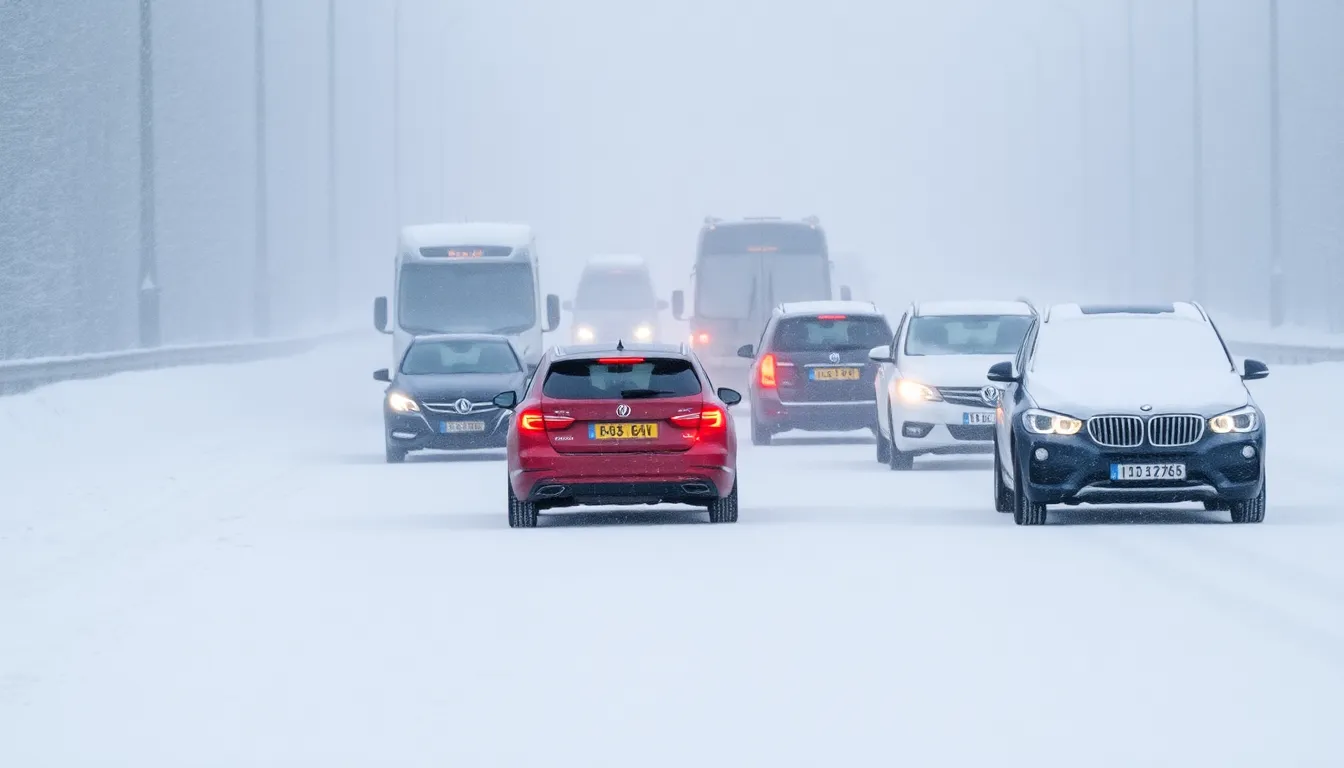
Frequently asked questions about snow management in the Netherlands
Looking ahead: future strategies for snow management
The recent snowfall in the Netherlands has highlighted significant gaps in the country’s preparedness and response strategies for winter weather. As the climate continues to shift, it is essential for local authorities and communities to reassess their approaches to snow management, ensuring that they are equipped to handle not only the immediate impacts but also the longer-term implications of changing weather patterns.
Addressing these challenges will require a multifaceted strategy that encompasses infrastructure improvements, community awareness, and the integration of technology. By taking proactive steps, the Netherlands can better navigate future snowy conditions and minimize disruptions to daily life.
- Invest in Infrastructure: Enhancing road maintenance and snow removal capabilities should be a priority to ensure safe travel during winter months.
- Community Engagement: Educating residents about snow preparedness can foster a culture of resilience and encourage proactive measures at the individual level.
- Embrace Technology: Utilizing data analytics and weather forecasting tools can improve response times and resource allocation during snow events.
- Collaborate Across Sectors: Partnerships between government, businesses, and community organizations can streamline efforts and enhance overall effectiveness in snow management.
- Monitor Climate Trends: Keeping a close eye on changing weather patterns will help inform future policies and preparedness strategies.