


One notable discovery occurred in early March at the Grotte de la Crouzette in France, where researchers unearthed a collection of tools and evidence of fire use dating back approximately 50,000 years. This finding not only highlights the technological capabilities of Neanderthals but also their ability to manipulate their environment for survival. For more insights on cultural identity, visit related articles.
Additionally, in July, scientists announced the analysis of ancient DNA from remains found in a cave in northern Spain. The genetic data indicates that Neanderthals had a more diverse diet than previously thought, including the consumption of marine resources, which challenges long-held assumptions about their lifestyle and adaptability.
These discoveries are crucial as they contribute to the ongoing debate regarding the cognitive and social complexities of Neanderthals. As more evidence emerges, researchers are beginning to paint a richer picture of these hominins, suggesting they were not merely primitive beings but rather sophisticated individuals with their own cultural identities.
Understanding the historical significance of Neanderthals
The Neanderthals, our closest extinct relatives, have long captured the fascination of scientists and the public alike. Emerging around 400,000 years ago, they inhabited Europe and parts of Asia until their extinction approximately 40,000 years ago. Their story is not just one of survival and adaptation but also of interaction with early modern humans, which has significant implications for understanding human evolution and migration patterns.
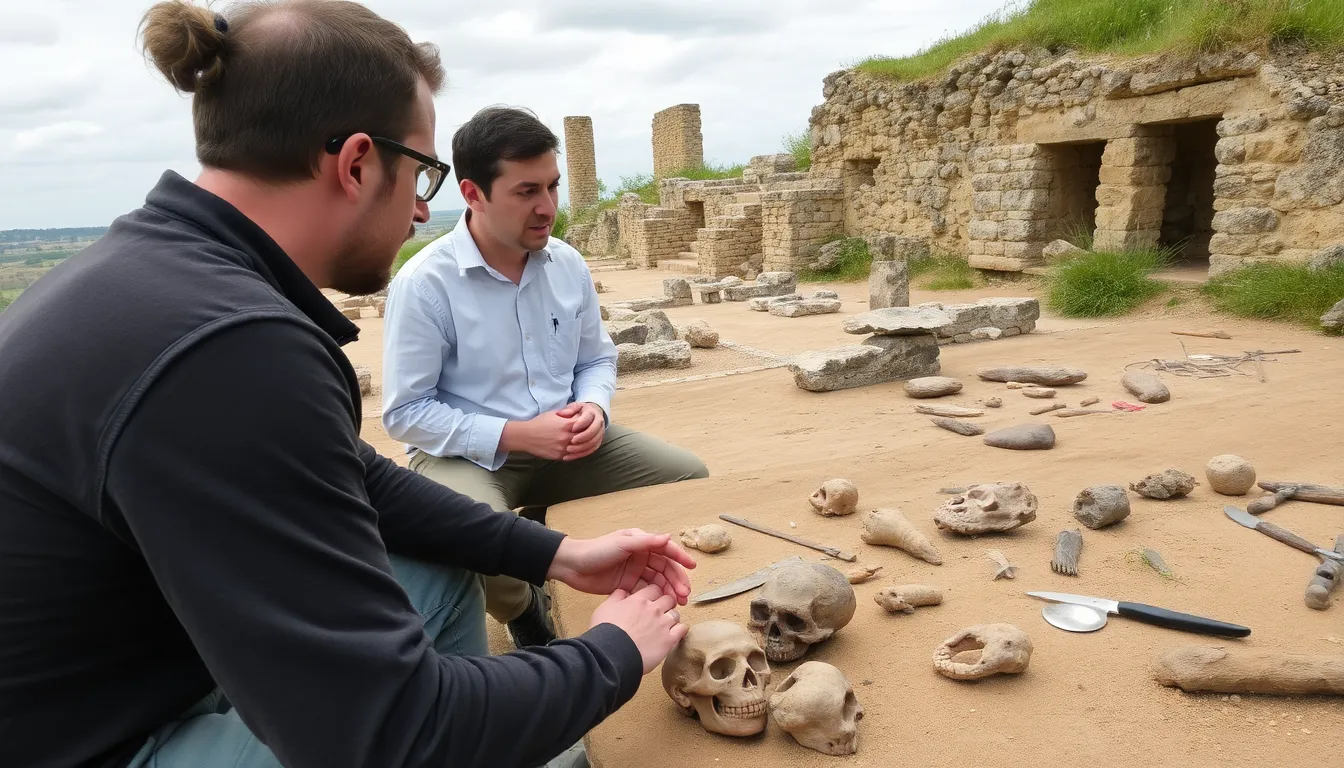
Recent archaeological discoveries have shed new light on the lives of Neanderthals, revealing their complex behaviors, social structures, and even cultural practices. For instance, the discovery of sophisticated tools and evidence of symbolic thought suggests that Neanderthals were not merely brutish hunters but possessed cognitive abilities previously thought to be unique to Homo sapiens. This challenges the long-held perception of Neanderthals as a failed evolutionary experiment.
Key milestones in Neanderthal research
Over the past few decades, key milestones have reshaped our understanding of Neanderthals. In the 19th century, the first Neanderthal skeleton was discovered in Germany, which marked the beginning of a new field of study in paleoanthropology. Since then, advancements in technology, such as DNA analysis, have allowed researchers to extract genetic material from ancient bones, providing insights into interbreeding events between Neanderthals and modern humans.
The emergence of new fossil sites and the application of cutting-edge techniques have led to a surge in discoveries. For example, the recent findings in sites like the Denisova Cave in Siberia have revealed that Neanderthals coexisted with other hominin species, further complicating the narrative of human evolution. These discoveries not only highlight the richness of our shared ancestry but also raise questions about the social dynamics of ancient human populations.
As we continue to uncover the mysteries surrounding Neanderthals, their historical significance becomes increasingly apparent. Understanding their existence and interactions with early modern humans not only enriches our knowledge of human history but also invites us to reflect on the complexities of our own identity and what it means to be human.
Key findings and their implications for anthropology
The recent discoveries related to Neanderthals have sparked significant interest among various stakeholders, including researchers, institutions, and the public. These findings not only deepen our understanding of human evolution but also raise important questions regarding the interactions between Neanderthals and early modern humans.
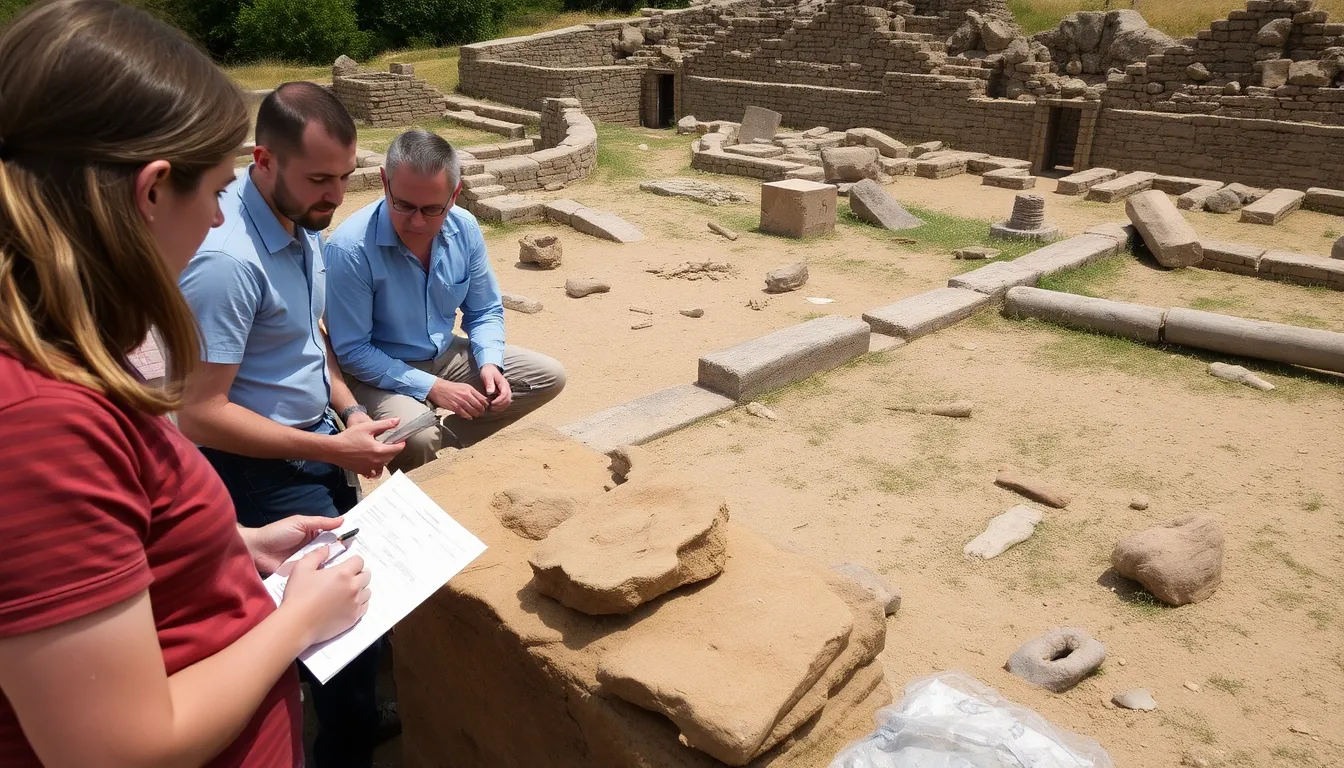
Key actors in this field include universities and research institutions that conduct archaeological excavations, as well as governmental bodies that regulate these activities. The interests of these stakeholders often align with the pursuit of knowledge and the preservation of historical sites. However, conflicts can arise over funding, access to sites, and the interpretation of findings.
Moreover, the implications of these discoveries extend beyond academic circles. Indigenous groups and local communities may have vested interests in the sites where Neanderthal remains are found, leading to potential trade-offs between scientific exploration and cultural heritage preservation. The legal frameworks governing archaeological research can also create tension, particularly when it comes to ownership and repatriation of artifacts.
- Research Institutions: Focus on advancing knowledge and securing funding for ongoing studies.
- Governments: Aim to balance heritage conservation with economic development through tourism and research.
- Local Communities: Concerned about the preservation of their cultural heritage and potential impacts of archaeological work.
- Public Interest Groups: Advocate for ethical research practices and the responsible handling of findings.
- International Organizations: Promote collaboration and set guidelines for archaeological practices across borders.
As new evidence emerges, the dialogue among these stakeholders will be crucial in shaping the future of Neanderthal research. The interplay between scientific discovery and ethical considerations will continue to define the landscape of anthropology in the years to come.
How these discoveries affect our view of human evolution
The recent Neanderthal discoveries have sparked interest across various groups, including anthropologists, geneticists, and educators. These findings challenge long-held beliefs about the evolutionary timeline and the capabilities of Neanderthals, influencing academic research and public understanding of human ancestry.
In the short term, the educational sector may see an increased demand for updated curricula that incorporate the latest Neanderthal research. Museums and cultural institutions could also benefit from heightened visitor interest, leading to new exhibitions and educational programs focused on human evolution.
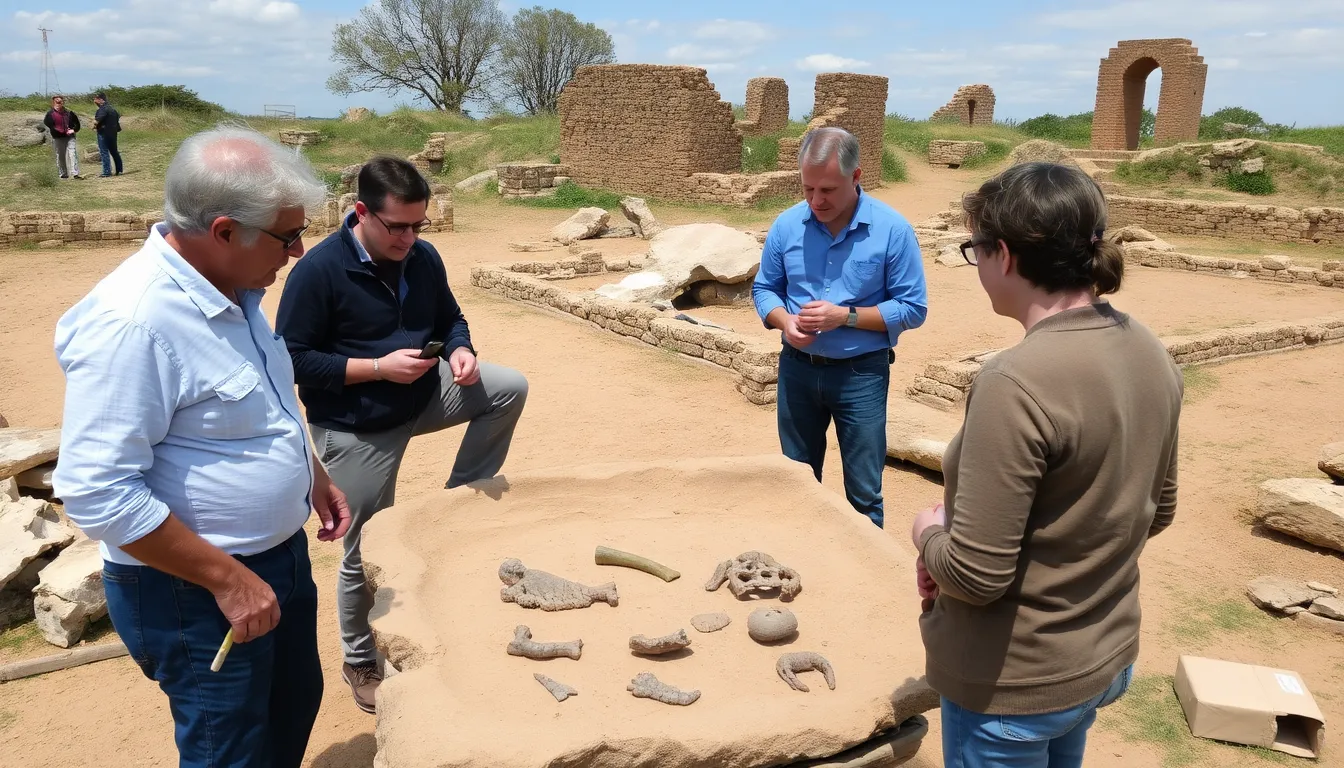
Industries such as tourism and publishing may experience mid-term impacts as well. Travel to archaeological sites may rise, promoting local economies in regions where significant discoveries have been made. Additionally, books and documentaries exploring these findings could see increased sales, creating opportunities for content creators and publishers.
- Increased research funding: As interest grows, more grants may be allocated to studies involving Neanderthals and human evolution.
- Policy implications: Discoveries may prompt discussions on genetic research ethics and the preservation of archaeological sites.
- Public discourse: Enhanced dialogue about human identity and ancestry could influence societal views on diversity and inclusion.
However, there are risks associated with these discoveries. Misinterpretation of findings could lead to misinformation about human evolution, potentially fueling divisive narratives. Additionally, as interest in Neanderthals grows, there may be increased pressure on archaeological sites, risking their preservation.
A: This year, researchers uncovered new evidence of Neanderthal tool use and social structures, as well as insights into their diet and habitat. These findings provide a deeper understanding of their adaptability and intelligence. A: Neanderthals are our closest extinct relatives, and studying them helps us understand the evolutionary pathways that led to modern humans. Their behaviors and adaptations offer clues about our own species’ development. A: Recent discoveries challenge the stereotype of Neanderthals as primitive beings. Instead, they reveal a complex species capable of sophisticated behaviors, such as art and symbolic thought. A: Researchers employ various techniques including DNA analysis, isotopic studies, and advanced imaging to gather information from Neanderthal fossils and artifacts, providing insights into their biology and lifestyle.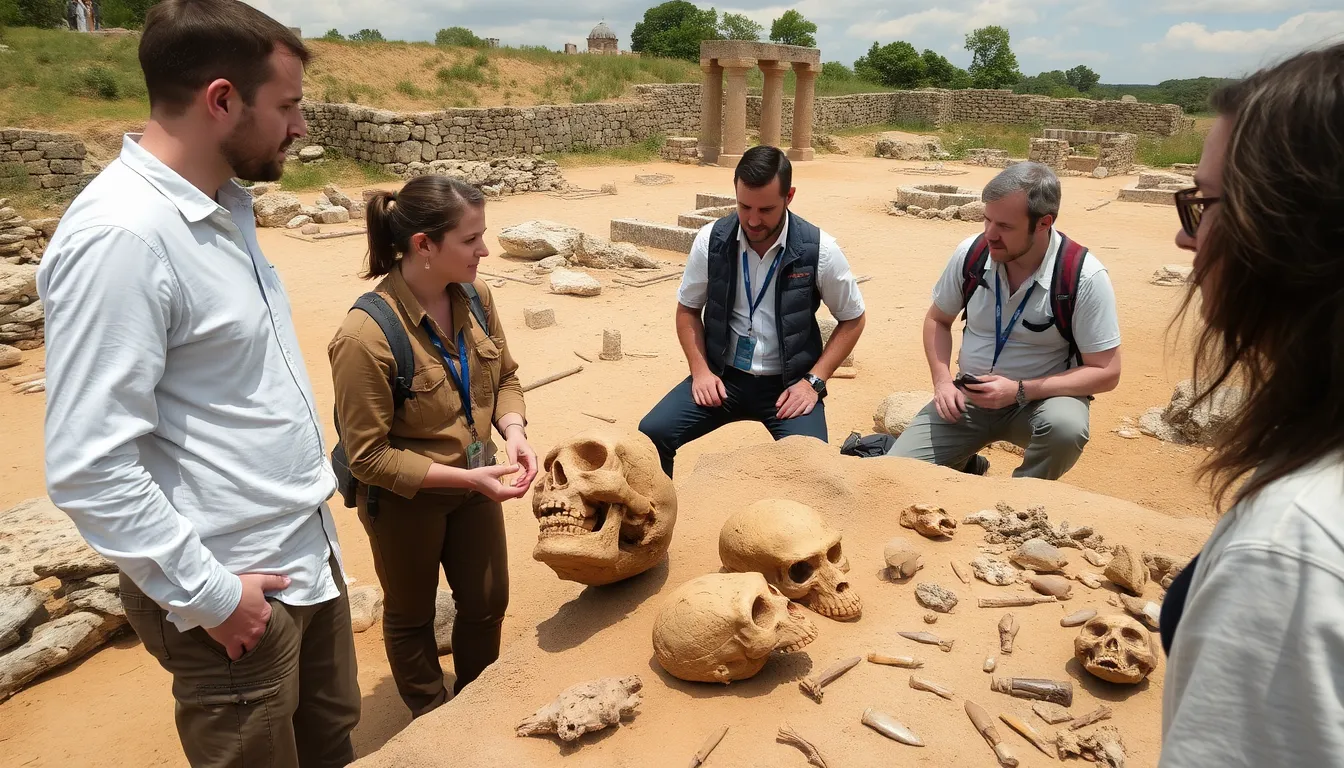
Frequently asked questions about Neanderthal discoveries
Looking ahead: The future of Neanderthal research
The recent advances in Neanderthal research have opened new avenues for understanding not only these ancient relatives but also the broader narrative of human evolution. As scientists continue to uncover genetic, archaeological, and behavioral insights, the implications for our understanding of human history and our place within it become increasingly profound. The interplay between Neanderthals and early modern humans is likely to reveal more about adaptation, survival, and cultural exchange.
Future research will focus on integrating findings from various disciplines, including genetics, anthropology, and archaeology, to form a more cohesive picture of Neanderthal life and their interactions with our ancestors. This multidisciplinary approach may lead to new discoveries that challenge existing narratives and shed light on the complexity of human evolution.
- Watch for breakthroughs in ancient DNA analysis that may provide deeper insights into Neanderthal behavior and health.
- Expect increased collaboration between geneticists and archaeologists to uncover the cultural practices of Neanderthals.
- Monitor the implications of Neanderthal genetics on modern human health and disease resistance.
- Consider the impact of new archaeological finds on our understanding of Neanderthal social structures and community dynamics.
- Stay informed about public interest in Neanderthal research, which may influence funding and policy decisions in the field.