


The investigation, led by a team from several international institutions, utilized advanced imaging techniques to examine the bone structure. The results suggest that these fossils exhibit features previously thought to be exclusive to later hominins, raising the possibility that they represent a transitional species between apes and humans. This has significant implications for our understanding of human evolution, particularly in the context of how we interpret our ancestry.
However, despite the promising evidence, some experts remain skeptical about the conclusions drawn from the bone analysis. Critics argue that more comprehensive studies are needed to validate these claims and to clarify the relationship between the fossils and known hominin species. The debate highlights the complexities of tracing human ancestry and the ongoing quest to piece together our evolutionary history.
As scientists continue to explore these findings, the implications for anthropology and evolutionary biology are profound. Understanding the traits and behaviors of these ancient beings could reshape our knowledge of what it means to be human. The ongoing research underscores the importance of interdisciplinary collaboration in uncovering the mysteries of our past.
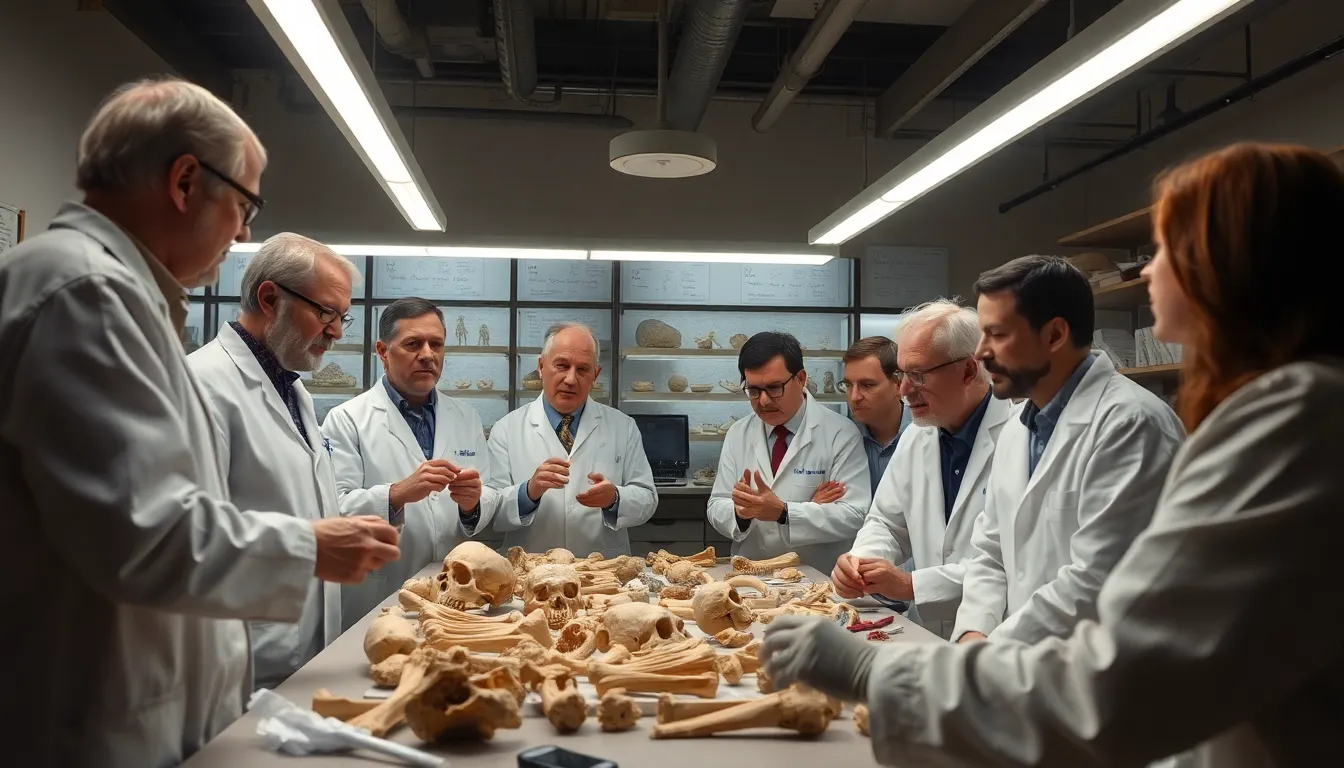
Understanding the significance of bone analysis in anthropology
The study of human origins has long fascinated scientists and the public alike, as it holds the key to understanding the evolutionary journey that led to modern humans. The recent analysis of ancient bones has reignited debates about our earliest ancestors, focusing attention on a specimen that may represent the first known member of the human lineage. This discovery is not only crucial for anthropology but also for understanding our place in the natural world.
Historically, the search for human ancestors has been fraught with challenges, as fossil evidence is often incomplete and subject to interpretation. The 19th century marked a turning point with the discovery of Neanderthal remains, which provided early insights into human evolution. However, it wasn’t until the 20th century that significant milestones, such as the unearthing of Australopithecus afarensis, famously known as “Lucy,” solidified the connection between modern humans and their prehistoric relatives.
In recent years, advancements in technology and methodology have transformed the field of paleoanthropology. Techniques such as radiocarbon dating and DNA analysis have allowed researchers to glean more information from fossilized remains, leading to more nuanced understandings of ancient species. The latest findings, which suggest a new contender for the title of the earliest human ancestor, are a product of these technological advancements and the ongoing quest to piece together the human family tree, a pursuit as captivating as the latest breakthroughs in other fields.
The role of scientific debate
Despite the excitement surrounding new discoveries, the scientific community often remains divided on interpretations of the evidence. Skepticism is a vital part of the scientific process, prompting researchers to rigorously test and challenge new claims. The potential identification of the earliest ancestor of humankind raises questions not only about the species itself but also about the methodologies used to analyze the bones. As new findings emerge, ongoing debates will shape the narrative of human evolution, reflecting the dynamic nature of scientific inquiry.
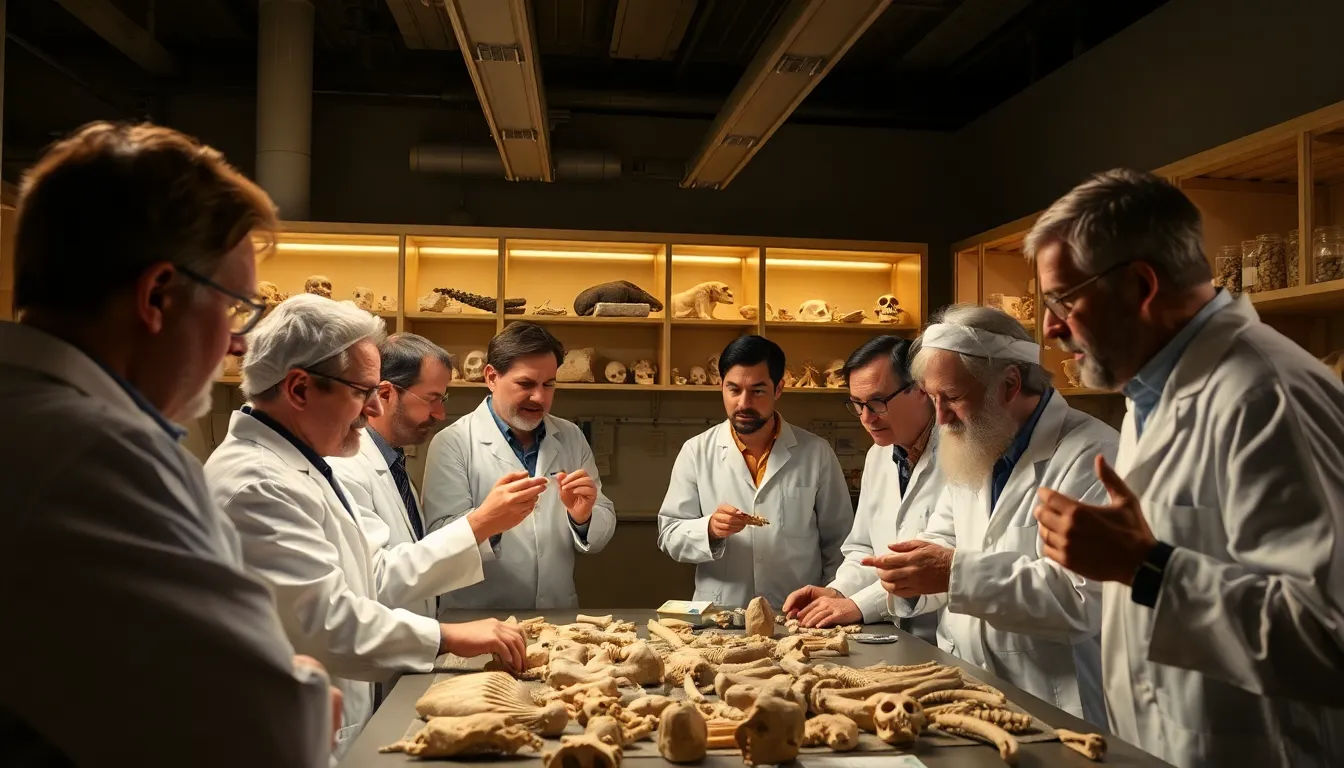
Debate among scientists regarding the findings
The recent analysis of fresh bone fragments has reignited discussions among paleontologists and anthropologists about the origins of humankind. The findings suggest a potential link to one of the earliest ancestors, but the scientific community remains divided on their implications. This debate highlights the varying interests of key stakeholders involved in the research.
One of the main actors in this discourse is the team of researchers who conducted the bone analysis. Their interest lies in establishing their findings as a significant contribution to the understanding of human evolution. They aim to secure funding for further research and to enhance their reputations within the scientific community. However, their conclusions face skepticism from other scientists who question the methodology and the interpretation of the data.
In addition to researchers, organizations such as universities and museums play a crucial role in this debate. These institutions often rely on groundbreaking discoveries to attract visitors, secure grants, and maintain their status in the academic world. The implications of these findings can influence their educational programs and public outreach efforts, leading to potential conflicts over how to present the information to the public.
- Conflicting interpretations: Different scientists may draw varying conclusions from the same data, leading to disputes over the validity of the findings.
- Funding and resources: Researchers may compete for limited funding, which can drive the urgency to publish results that support their hypotheses.
- Public perception: How the findings are communicated can impact public interest in anthropology and evolution, potentially affecting educational initiatives.
- Ethical considerations: The handling of ancient remains raises ethical questions regarding ownership, respect for cultural heritage, and the responsibilities of researchers.
Governments and regulatory bodies may also become involved, particularly if the findings lead to discussions about the protection of archaeological sites. Policies surrounding the excavation and study of ancient remains could be influenced by the outcomes of this research, highlighting the broader implications of the scientific debate.
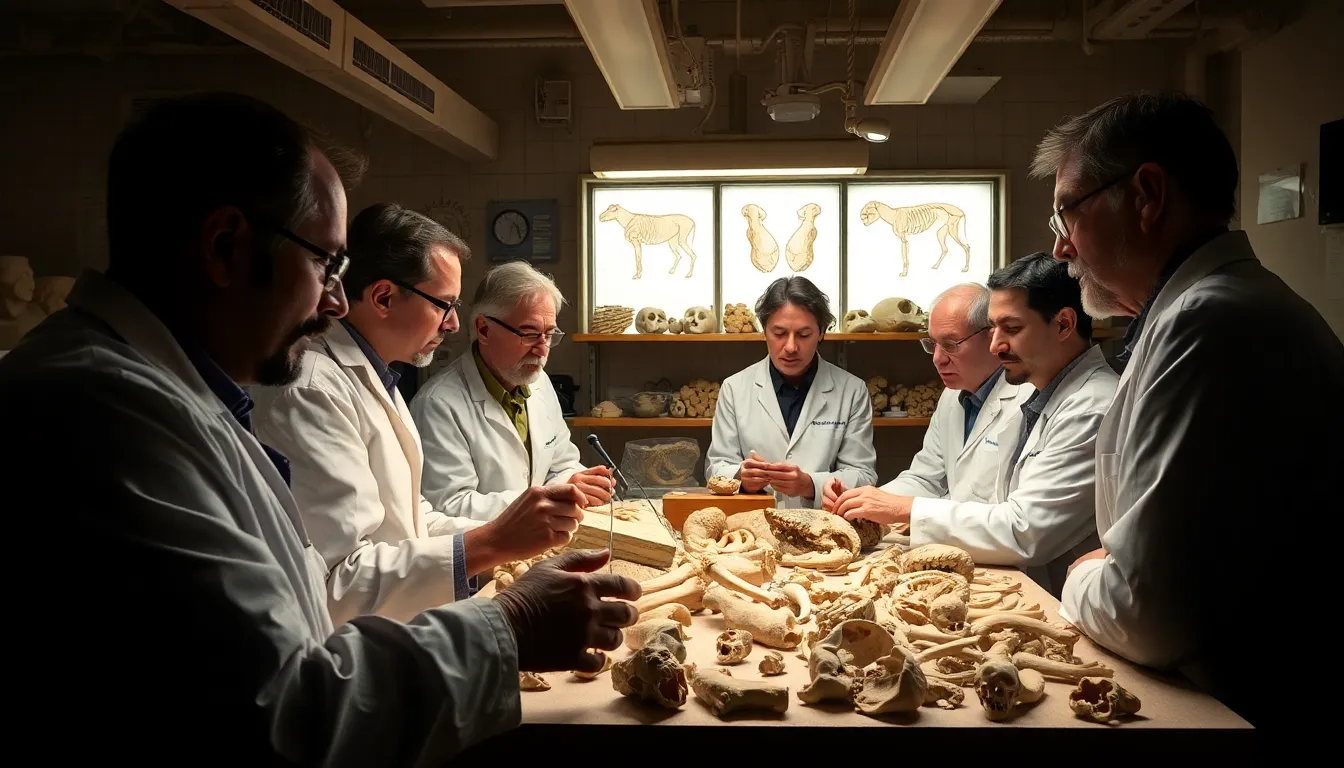
Potential implications for our understanding of human evolution
The recent findings regarding fresh bone analysis have significant implications for various groups, including the scientific community, educators, and policymakers. Researchers in anthropology and paleontology are particularly affected as they must reassess existing theories about human ancestry. This could lead to a shift in academic focus and funding towards more comprehensive studies of early hominins, which parallels the changing landscape in other research sectors.
In the short term, educational institutions may need to update their curricula to reflect the new insights into human evolution. This could result in increased demand for resources and training for educators, as well as potential changes in how evolutionary biology is taught in schools. Additionally, museums and cultural institutions may see a rise in interest from the public, leading to increased attendance and engagement.
In the mid-term, businesses related to tourism, particularly those focused on archaeological sites and museums, may experience growth as public curiosity spikes. There may also be opportunities for new technologies in bone analysis and data interpretation, which could foster innovation in related industries. However, there are risks associated with potential backlash from groups that may disagree with the implications of this research on human origins.
- Scientific Community: Need for revised theories and research funding.
- Education Sector: Curriculum updates and resource allocation.
- Tourism Industry: Increased interest in archaeological sites.
- Technology Sector: Opportunities for innovation in analysis methods.
- Public Discourse: Potential controversies surrounding evolutionary theories.
Overall, while the fresh bone analysis presents exciting opportunities for advancing our understanding of human evolution, it also brings challenges that various sectors must navigate carefully. The balance between scientific discovery and public perception will play a crucial role in shaping the future discourse on our origins.
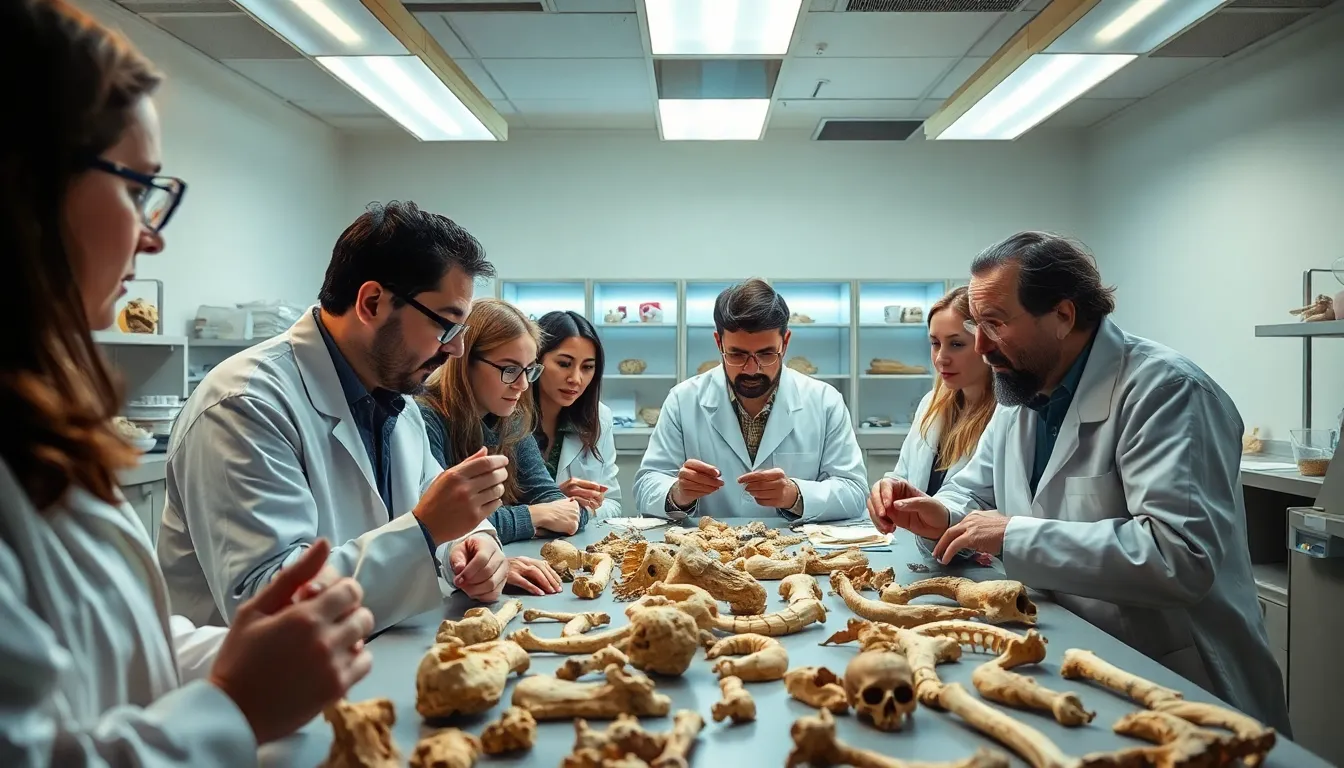
Frequently asked questions about the findings
A: The analysis suggests that the bones belong to a species that may be the earliest known ancestor of humankind, providing new insights into our evolutionary history.
A: Some experts question the methodology and interpretation of the data, suggesting that more evidence is needed to confirm the claims.
A: If validated, this discovery could reshape our understanding of the timeline and lineage of human evolution.
A: Researchers will likely conduct further studies and analyses to verify the findings and explore their implications for human ancestry.
Key takeaways and future directions in human ancestry research
The recent analysis of fresh bone remains has sparked renewed interest in the search for the earliest ancestor of humankind. While the findings suggest a compelling case for a potential link to our lineage, the scientific community remains cautious, emphasizing the need for further research to validate these claims. The implications of this research extend beyond mere academic curiosity, as they challenge existing narratives about human evolution and highlight the complexities of our ancestry.
As researchers continue to explore this intriguing subject, several key areas warrant attention. The evolving methodologies in paleontology and genetics, along with ongoing debates in the field, will shape our understanding of human origins in the years to come.
- Continued Research: Ongoing studies will be essential to confirm the findings and clarify the relationship between these bones and early hominins.
- Technological Advancements: Innovations in dating techniques and genetic analysis may provide deeper insights into the timeline of human evolution.
- Interdisciplinary Collaboration: Collaboration between paleontologists, geneticists, and anthropologists can enhance the interpretative frameworks for understanding human ancestry.
- Public Engagement: Increased public interest in human origins may drive funding and support for future research initiatives.
- Reevaluation of Existing Theories: This discovery could prompt a reassessment of established theories regarding the emergence of modern humans and their ancestors.