


The Artemis II mission is scheduled for launch in late 2024, marking the first crewed flight of the SLS and the Orion spacecraft. The mission will carry a crew of four astronauts, including the first woman and the next man to travel to lunar orbit, a historic step in Nasa’s efforts to return humans to the Moon. For more updates on astronaut missions, check out our article on astronauts returning to Earth following a medical evacuation.
As the rocket stands ready for testing, engineers will conduct a series of critical checks and simulations to ensure its systems are fully operational. This phase is crucial for the safety and success of the upcoming mission, as Nasa aims to build on the achievements of the uncrewed Artemis I flight that took place in late 2021.
The Artemis program represents a renewed focus on lunar exploration, with plans for sustainable human presence on the Moon by the end of the decade. The successful execution of Artemis II will pave the way for future missions, including the ambitious goal of eventually sending astronauts to Mars.
Understanding the significance of the Artemis II mission
The Artemis II mission marks a pivotal moment in NASA’s ongoing efforts to return humans to the Moon, a goal that has its roots in the historic Apollo program of the 1960s and 1970s. The Apollo missions not only showcased American ingenuity and technological prowess but also served as a demonstration of space exploration’s potential to unite nations and inspire generations. The success of Apollo 11, which landed the first humans on the Moon in 1969, set a benchmark for human spaceflight that has driven subsequent missions and ambitions, similar to the excitement surrounding the recent return of astronauts after a medical emergency in space.
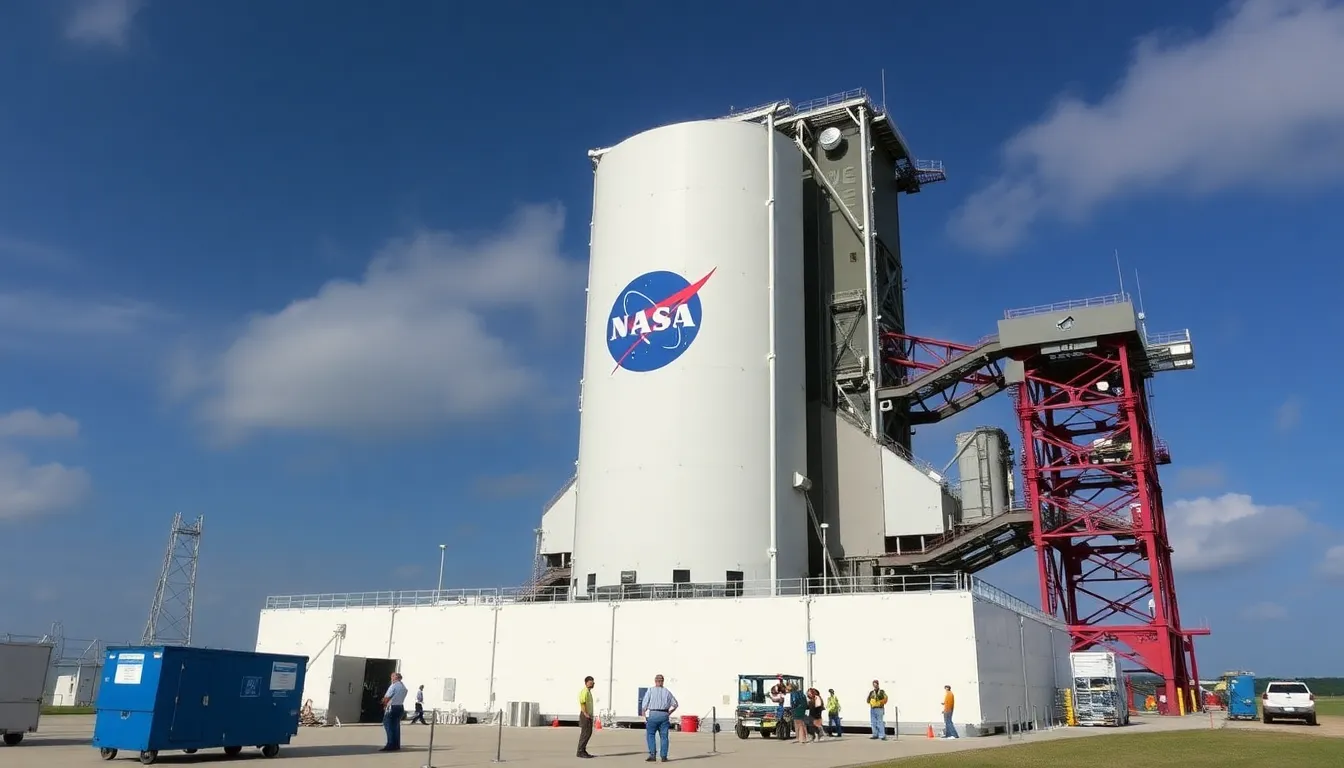
In recent years, the geopolitical landscape has shifted, with renewed interest in lunar exploration from various countries and private entities. This competition has underscored the importance of maintaining leadership in space exploration. The Artemis program, initiated in 2017, aims to establish a sustainable human presence on the Moon by the end of the decade, which is seen as a stepping stone for future manned missions to Mars. The Artemis II mission is crucial as it will be the first crewed test flight of the Space Launch System (SLS) and the Orion spacecraft, showcasing advancements in technology and safety measures since the Apollo era.
Key milestones leading to Artemis II
The journey to the Artemis II mission has been marked by several significant milestones. In 2021, the uncrewed Artemis I mission successfully completed its objectives, paving the way for future crewed flights. The Artemis program also emphasizes international collaboration, with partnerships established with space agencies such as ESA, JAXA, and CSA, reflecting a collective effort to explore the Moon and beyond. Additionally, the Artemis Accords, introduced in 2020, aim to promote peaceful exploration and the responsible use of space resources, further embedding the mission within a framework of global cooperation while gearing up for future expeditions, including the exciting potential of sending astronauts to Mars.
Economic factors also play a crucial role in the Artemis II mission. The investment in space exploration has the potential to drive technological advancements and stimulate job creation in various sectors, from aerospace engineering to robotics. As NASA collaborates with commercial partners, the mission is expected to foster innovation and competitiveness in the space industry, ultimately benefiting the broader economy. The Artemis II mission is not just a step toward lunar exploration; it represents a commitment to the future of humanity in space and the socio-economic opportunities that arise from it.
Key stakeholders and challenges ahead for Artemis II
The Artemis II mission marks a significant step in NASA’s ambitious plans to return humans to the Moon. Several key stakeholders are involved in this endeavor, each with their own interests and concerns. Primary among them is NASA, the U.S. government agency responsible for the mission, which aims to demonstrate its capabilities in lunar exploration and pave the way for future missions to Mars.
Another critical stakeholder is the international community, including space agencies such as the European Space Agency (ESA) and the Canadian Space Agency (CSA). These organizations are collaborating with NASA, providing technology and expertise, which highlights the growing trend of international partnerships in space exploration. Their interest lies in sharing the benefits of lunar exploration and advancing scientific knowledge.
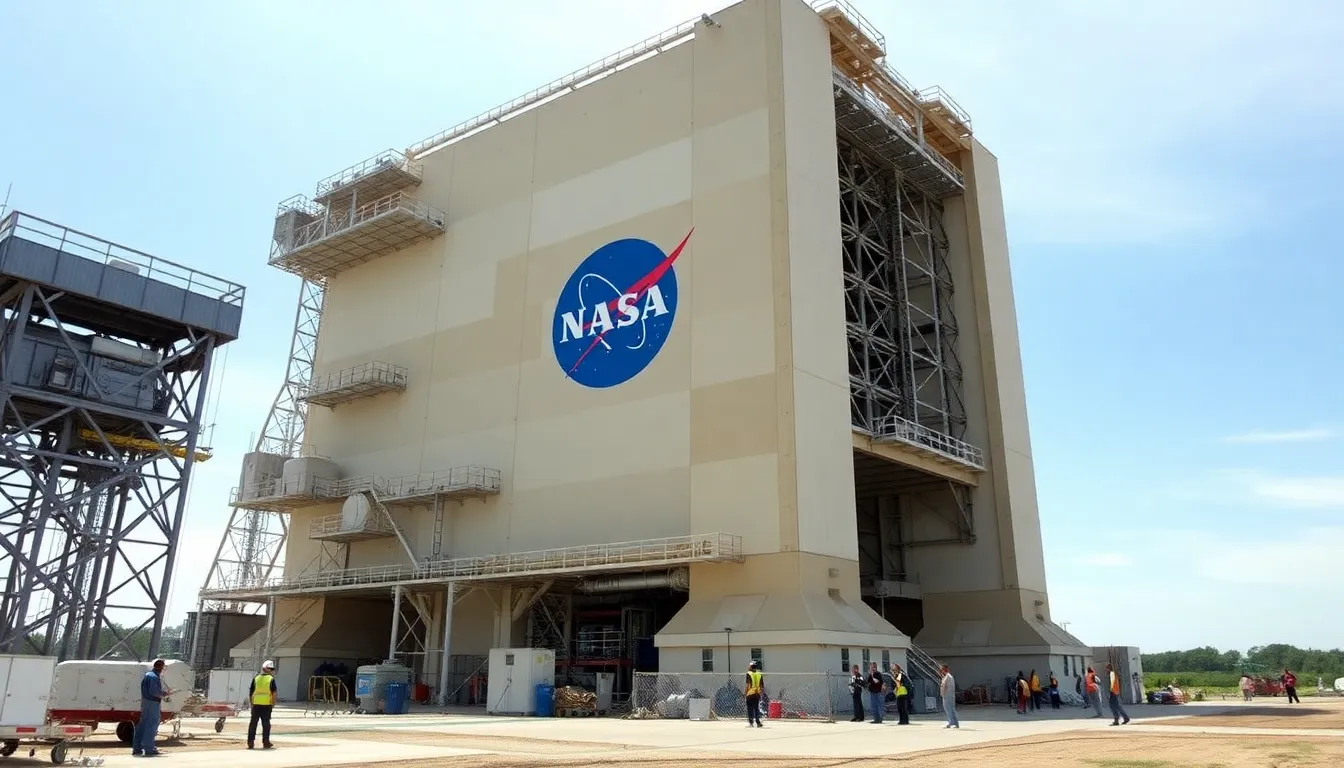
However, the Artemis II mission is not without its challenges. Key issues include funding constraints and the complexity of technology integration. As NASA works to keep the project on schedule, budgetary pressures from the U.S. Congress could impact the mission’s scope and timeline. Additionally, there are ongoing discussions regarding the environmental impact of lunar missions, which may lead to legal challenges as stakeholders advocate for sustainable practices.
- Funding and budget constraints: Ensuring adequate financial resources for the mission amidst competing priorities.
- International collaboration: Balancing the interests and contributions of various space agencies involved.
- Environmental concerns: Addressing the potential ecological impact of lunar exploration activities.
- Technological integration: Overcoming challenges related to the complex systems required for the mission.
- Public interest and support: Engaging the public to maintain enthusiasm and support for space exploration initiatives.
As Artemis II approaches, the interplay between these stakeholders and the challenges they face will shape the future of lunar exploration and the broader goals of human spaceflight. Understanding these dynamics is essential for comprehending the implications of the mission on both national and global scales.
Potential impacts on space exploration and technology
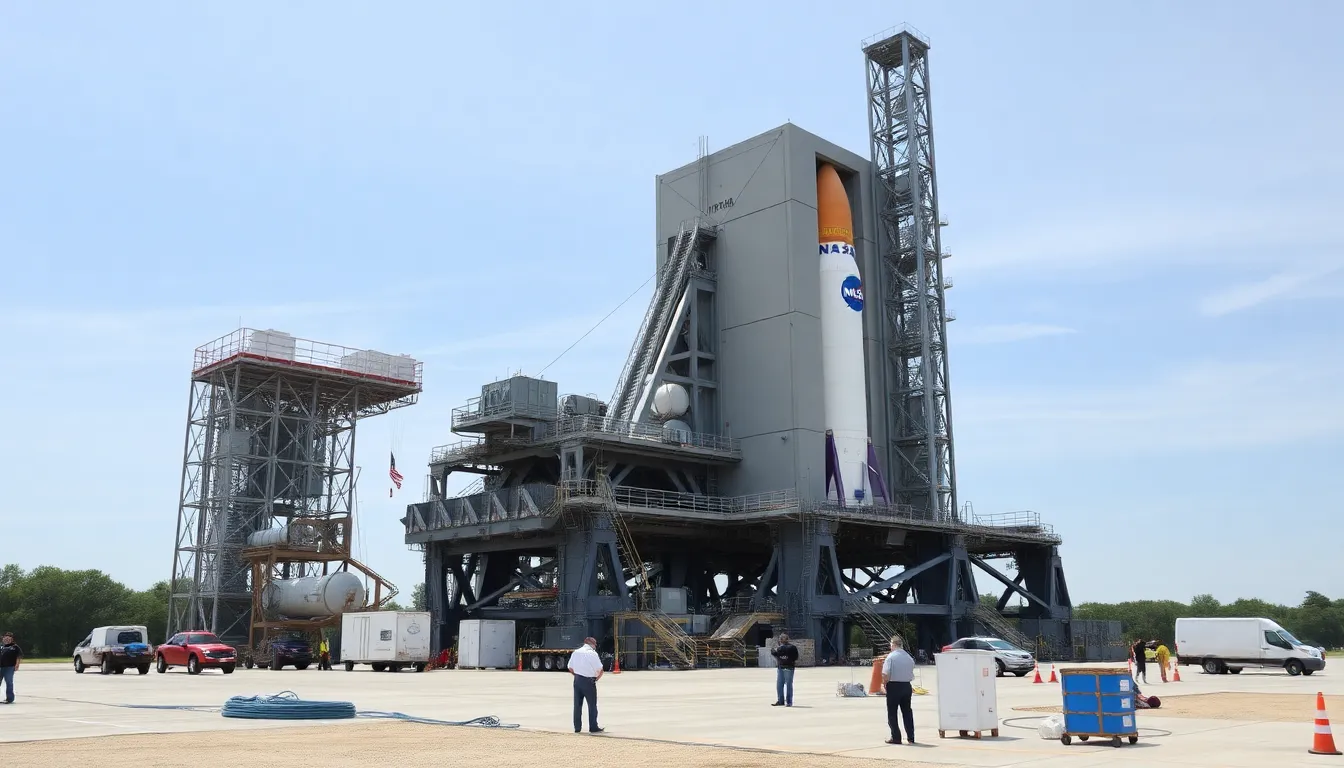
The arrival of NASA’s mega Moon rocket at the launch pad for the Artemis II mission marks a significant milestone that affects various groups, industries, and regions. Primarily, this event influences the aerospace sector, government agencies, and educational institutions focused on science and technology. Additionally, local economies in areas surrounding launch sites, particularly in Florida, will experience both immediate and long-term effects.
In the short term, businesses in the hospitality, transportation, and retail sectors near Kennedy Space Center are likely to benefit from increased tourism and public interest in space exploration. Events surrounding the launch will attract visitors, boosting local revenue. Moreover, the heightened visibility of the Artemis program may lead to increased investments in STEM education and outreach initiatives aimed at inspiring the next generation of scientists and engineers.
Mid-term impacts may include advancements in technology and infrastructure as the Artemis program progresses. Companies involved in aerospace engineering, satellite technology, and space research will likely see a surge in demand for their services and products. This could lead to job creation and economic growth in regions with a strong aerospace presence, such as California and Texas. Furthermore, international collaborations may strengthen as countries look to partner with NASA on future missions.
- Tourism boost: Increased visitors to launch sites and surrounding areas.
- Job creation: Growth in aerospace and technology sectors.
- Investment in education: More funding for STEM programs.
- Global collaboration: Opportunities for international partnerships in space research.
However, there are risks associated with the Artemis II mission. The high costs of space exploration may lead to debates over budget allocations and priorities within government funding. Additionally, any delays or setbacks in the mission could dampen public enthusiasm and investor confidence. Balancing the excitement of exploration with the practicalities of budget management will be crucial for sustaining momentum in the space sector.
A: The Artemis II mission is Nasa’s planned crewed flight to the Moon, which aims to build on the successes of the Artemis I mission and prepare for future lunar exploration. A: While the exact launch date is yet to be confirmed, Nasa aims to launch Artemis II in the coming years, following the successful completion of all necessary tests and preparations. A: The primary objectives include testing the Orion spacecraft with astronauts aboard, demonstrating the capabilities of the Space Launch System, and gathering data for future lunar landings. A: The Artemis II mission will provide critical experience and data that will inform Nasa’s strategies for future human missions to Mars, expanding our understanding of deep space travel. A: Nasa has not yet announced the specific astronauts who will participate in Artemis II, but they are expected to be selected from a diverse pool of experienced space travelers.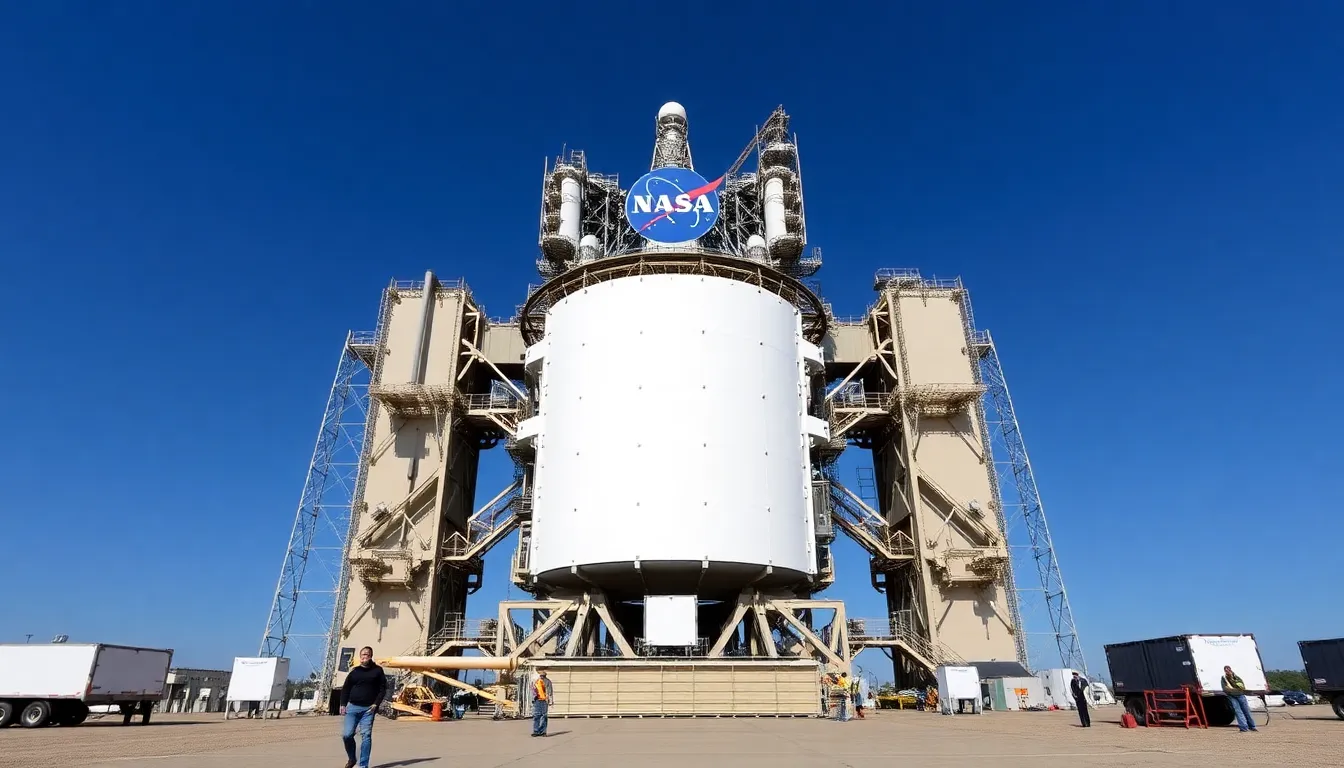
Frequently asked questions about Artemis II
Looking ahead to the future of lunar missions
The arrival of NASA’s mega Moon rocket at the launch pad marks a significant milestone in the Artemis II mission, which aims to pave the way for sustainable human exploration of the Moon. This mission not only builds on the legacy of Apollo but also sets the stage for future endeavors, including potential manned missions to Mars. As preparations continue, the implications of this mission extend beyond the immediate technical achievements, influencing international collaboration, technological advancements, and public interest in space exploration.
As we look forward, it is essential to monitor how this mission will shape the future of lunar exploration and the broader implications for humanity’s presence beyond Earth. The success of Artemis II could catalyze a new era of space exploration, where lunar bases and interplanetary travel become more feasible.
- International Collaboration: Watch for increased partnerships with other space agencies and private companies as global interest in lunar exploration rises.
- Technological Innovations: The mission may lead to advancements in propulsion, life support systems, and sustainable practices for long-duration space travel.
- Public Engagement: The excitement generated by Artemis II could enhance public interest and investment in STEM education and careers, inspiring future generations.
- Future Missions: Success in Artemis II will likely accelerate plans for subsequent missions, including the establishment of a lunar base and crewed Mars missions.