


Despite the government’s insistence on the election’s importance for national stability, reports indicate a low voter turnout, with many citizens fearing reprisals for participating. The military junta has claimed that the election is a step towards restoring democracy; however, critics argue that it is merely a facade to maintain power. The situation has drawn widespread condemnation from human rights organizations, which highlight ongoing violence and repression against dissenters. For a deeper understanding of the implications of this situation, you can read about the recent conflict talks in Southeast Asia.
International reactions have varied, with some countries expressing concern over the election’s fairness. The United States and European Union have reiterated their non-recognition of the military-led government and called for the release of political prisoners. Meanwhile, the Association of Southeast Asian Nations (ASEAN) has struggled to formulate a cohesive response, reflecting the complex geopolitical dynamics at play in the region.
As the results are anticipated, the political landscape in Myanmar remains fraught with uncertainty. The outcome of this election could further entrench the military’s grip on power or, conversely, spark renewed resistance among the populace. Observers are closely monitoring the situation, knowing that the implications extend beyond Myanmar, affecting regional stability and international relations.
Understanding the backdrop of Myanmar’s election process
Myanmar, a Southeast Asian nation, has a complex political history marked by decades of military rule, ethnic conflicts, and struggles for democracy. The military junta, known as the Tatmadaw, ruled the country for nearly half a century, stifling political dissent and controlling the economy. In 2011, Myanmar began a transition towards a quasi-democratic system, leading to the 2015 elections, which were widely regarded as a significant step towards democracy, resulting in the National League for Democracy (NLD) gaining power. This transition is reminiscent of other countries in the region which have faced similar challenges, such as those detailed in articles about political shifts.
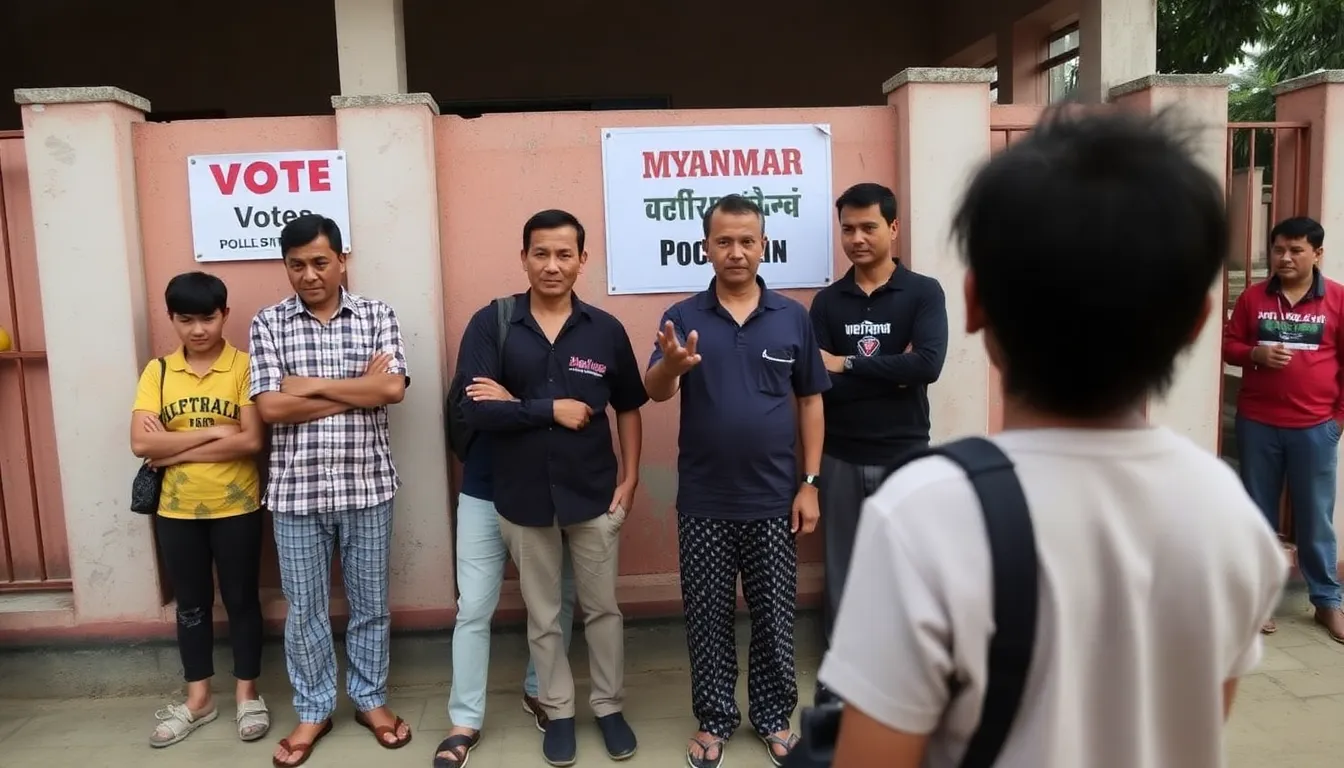
However, this progress was abruptly halted in February 2021 when the military staged a coup, detaining key political leaders, including Aung San Suu Kyi. The coup was met with widespread protests and a civil disobedience movement, which the military responded to with violent crackdowns. The international community condemned the coup, with many countries imposing sanctions on Myanmar’s military leaders and their businesses, further isolating the nation.
The 2023 Elections: A Controversial Context
As Myanmar prepared for its elections in 2023, the political landscape remained fraught with tension. The military government announced the elections as a means to restore stability, but many analysts and activists dismissed this as a “sham” aimed at legitimizing their rule. The opposition, including the NLD and various ethnic armed groups, called for a boycott, arguing that free and fair elections were impossible under military control. This discontent has raised concerns about the potential for further violence and instability in a country already grappling with economic hardships and humanitarian crises. The broader context of such unrest can be better understood through similar scenarios occurring in neighboring countries.
Key milestones leading to this controversial electoral process include the 2020 elections, where the NLD won a landslide victory, and the subsequent coup that disregarded the electoral outcome. The ongoing conflict between the military and various ethnic groups, alongside the rise of armed resistance movements, has created a volatile environment that complicates the electoral process. As polls close on the first day of the elections, the world watches closely, questioning the legitimacy and future implications of Myanmar’s political trajectory.
Key stakeholders and issues surrounding the election
The recent elections in Myanmar have drawn significant attention from various stakeholders, each with distinct interests and concerns. The primary actors include the military junta, opposition parties, international observers, and local civil society organizations. Each of these groups plays a critical role in shaping the narrative and outcomes of the electoral process.
The military junta, which has been in power since the coup in February 2021, aims to legitimize its rule through these elections. Their interest lies in demonstrating stability and garnering international recognition, despite widespread condemnation of their governance. The junta’s control over the electoral process raises concerns about the fairness and transparency of the elections.
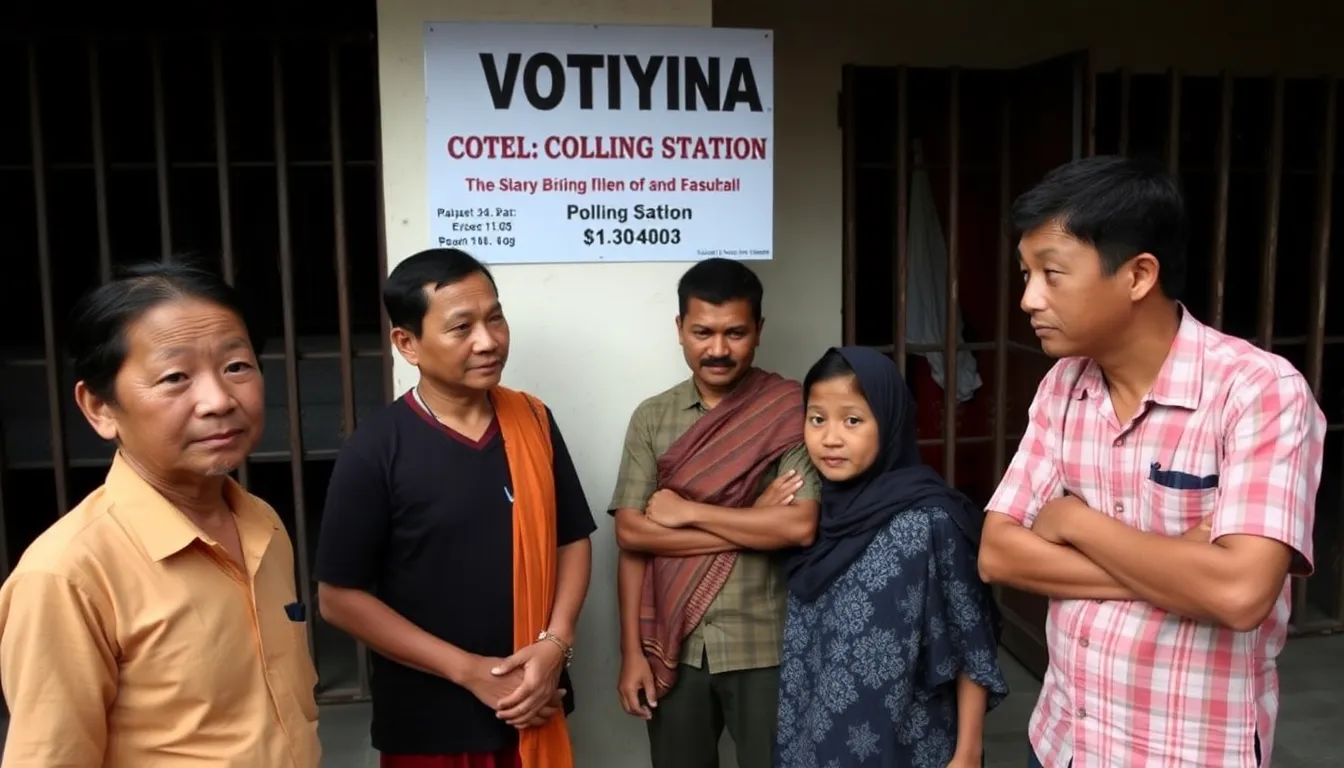
Opposition parties, particularly those aligned with the National League for Democracy (NLD), are focused on contesting the legitimacy of the military-led elections. They argue that the elections are a sham designed to maintain military dominance and suppress democratic aspirations. This group faces significant risks, including repression and violence, as they challenge the status quo.
- International Observers: Various governments and NGOs are monitoring the elections to assess their legitimacy. Their findings will influence international responses, including sanctions or diplomatic engagement.
- Legal Issues: The legality of the elections is contested, with questions surrounding the constitutionality of the junta’s actions and the electoral framework established under military rule.
- Economic Implications: The outcome of the elections could affect foreign investment and aid, as international stakeholders weigh the risks of engaging with a government perceived as illegitimate.
Local civil society organizations play a vital role in advocating for voter rights and raising awareness about the electoral process. Their efforts are crucial in providing a counter-narrative to the junta’s messaging and ensuring that the voices of the populace are heard, despite the oppressive environment.
Overall, the interplay of these stakeholders highlights the complex dynamics at play in Myanmar’s electoral landscape. The tensions between military authority and democratic aspirations, alongside international scrutiny, create a multifaceted situation that will have lasting implications for the country’s future.
Who is affected by the election outcomes in Myanmar
The recent elections in Myanmar, widely criticized as a ‘sham’, have far-reaching implications for various groups, industries, and regions across the country. The primary stakeholders include the local population, political activists, business owners, and international observers. Each of these groups faces unique challenges and opportunities as the political landscape shifts.
In the short term, daily life for many citizens is likely to be disrupted. Increased military presence and potential civil unrest may lead to heightened tensions in urban areas, particularly in regions with significant opposition support. This unrest can affect local businesses, as consumers may be hesitant to venture out, leading to decreased sales and economic activity.
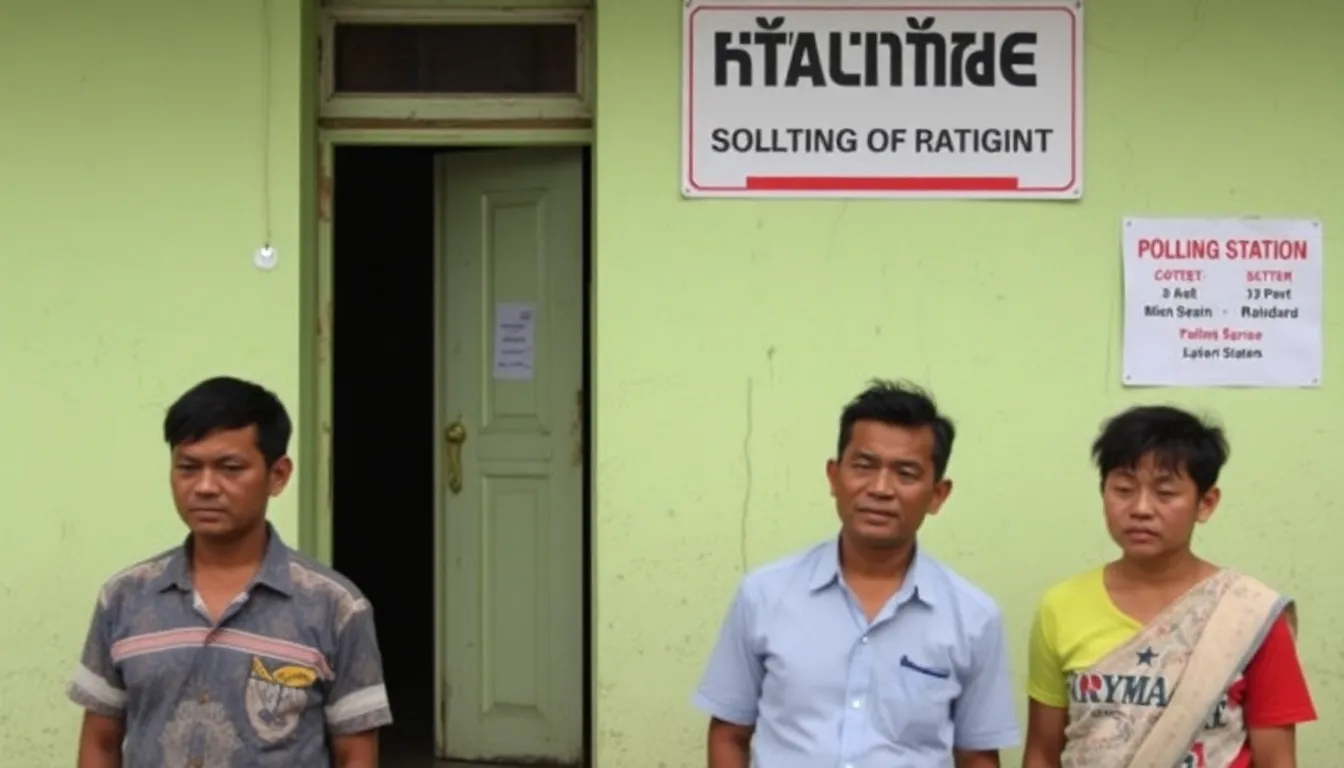
Industries such as tourism and retail are particularly vulnerable. The perception of instability could deter foreign investment and tourism, which are crucial for economic recovery post-pandemic. However, some local businesses may adapt by focusing on domestic markets or offering online services to mitigate the impact of reduced foot traffic.
In the mid-term, the political outcomes could influence policy decisions that affect various sectors. If the military regime consolidates power, there may be a shift towards more authoritarian policies, impacting civil liberties and business regulations. Conversely, if opposition groups gain traction, there could be opportunities for reform and a more open economic environment, potentially benefiting industries like technology and renewable energy.
- Short-term risks: Increased civil unrest, economic slowdown, and reduced consumer confidence.
- Mid-term opportunities: Potential for policy reform, growth in domestic markets, and investment in new industries.
A: The election has been criticized for lacking transparency, being held under military rule, and excluding key opposition parties. Many view it as a facade to legitimize the military’s power. A: Preliminary reports indicate a low voter turnout, reflecting public disillusionment with the election process and concerns over safety and intimidation. A: Many countries and organizations have condemned the election, calling it a sham and urging the military junta to restore democracy and engage in dialogue with opposition groups. A: The election results could further entrench military control, lead to increased civil unrest, and hinder international relations, particularly with Western nations. A: Official results are expected to be announced in the coming days, but skepticism remains about their credibility given the election’s context.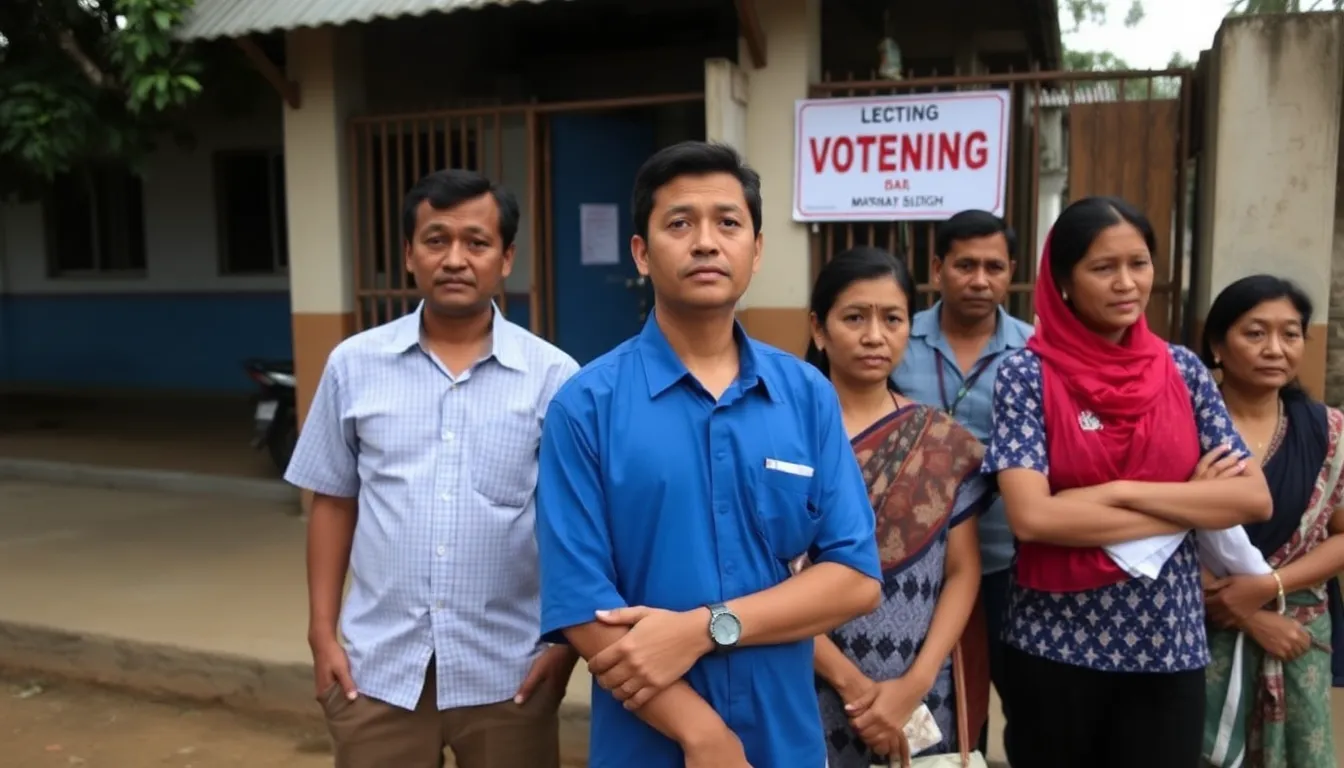
Frequently asked questions about Myanmar’s election
Looking ahead: key takeaways from the election
The recent elections in Myanmar, widely criticized as a ‘sham’, have raised significant concerns regarding the future of democratic processes in the country. As the international community watches closely, the implications of these elections will likely resonate beyond Myanmar’s borders, affecting regional stability and international relations. The military’s grip on power and the suppression of dissent signal a troubling trend that could hinder any prospects for genuine democratic reform.
Going forward, it will be crucial to monitor the reactions from both domestic and international actors. The response from the Myanmar populace, as well as the stance taken by global powers, will shape the political landscape in the coming months. Observers should remain vigilant regarding potential unrest and the military’s strategies to maintain control amidst growing dissatisfaction.
- Increased international scrutiny: Watch for potential sanctions or diplomatic actions from Western nations in response to the election’s legitimacy.
- Domestic unrest: Monitor for signs of civil disobedience or protests as public frustration with the military regime grows.
- Humanitarian concerns: Keep an eye on the humanitarian situation, particularly regarding displaced populations and access to aid.
- Regional implications: Assess how neighboring countries react and adapt their policies towards Myanmar in light of the election outcomes.
- Long-term political impact: Consider how these elections may affect future attempts at political dialogue and reconciliation within Myanmar.