


Key events include the controversial comments made by a prominent Bangladeshi politician regarding religious minorities, which sparked widespread outrage. For a deeper understanding of the current situation, you might want to explore the historical context surrounding these tensions in the region. Since then, protests have spread across major cities, leading to a crackdown by security forces that has resulted in numerous injuries and arrests.
The crisis is further complicated by historical tensions between the two nations, particularly regarding border disputes and migration issues. As Bangladesh grapples with internal unrest, India is wary of the potential spillover effects, including an influx of refugees and increased security challenges along their shared border.
International attention is also growing, with various human rights organizations calling for restraint from both the Bangladeshi government and protestors. The situation remains fluid, and the outcome of these protests could have lasting implications for bilateral relations, trade, and regional security in South Asia.
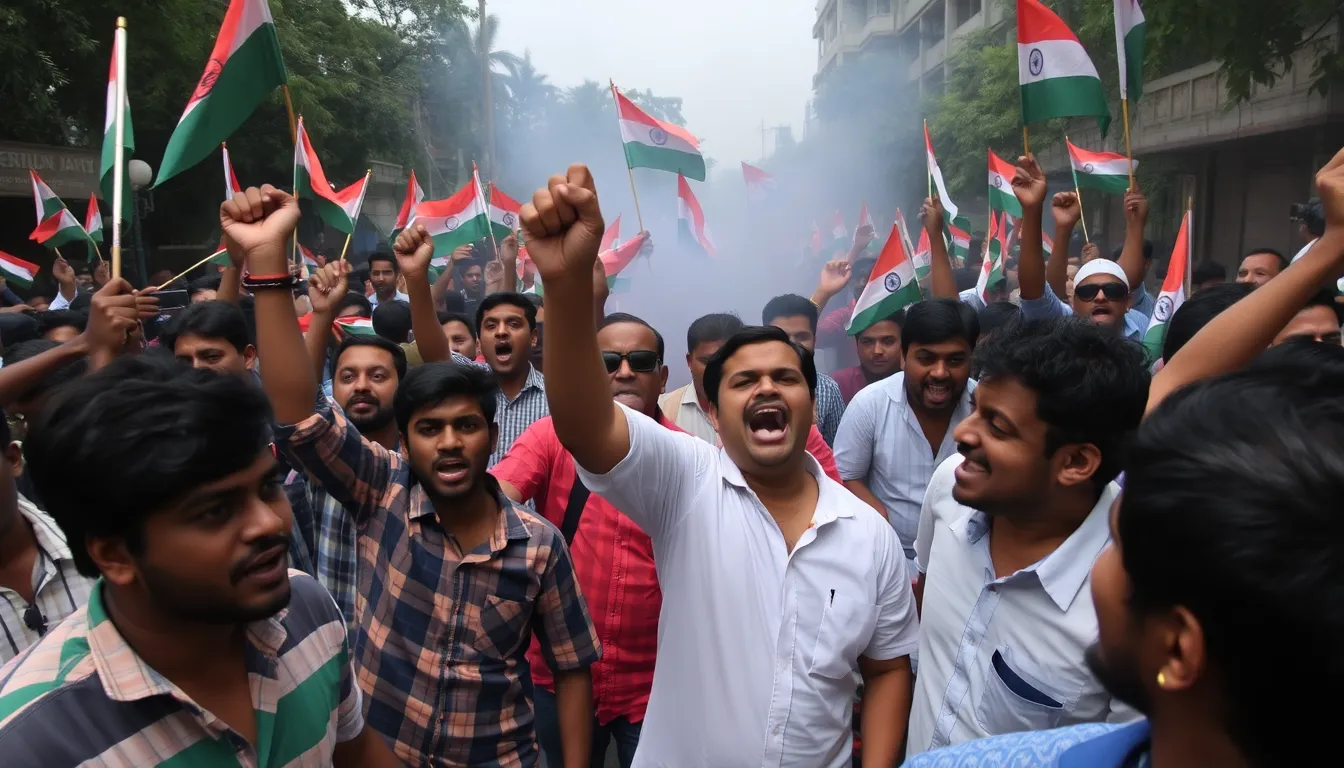
Exploring the historical context of India-Bangladesh relations
The relationship between India and Bangladesh has been shaped by a complex interplay of historical, political, and social factors. Following the partition of British India in 1947, the region was divided into India and Pakistan, with East Pakistan (now Bangladesh) being geographically separated from West Pakistan. This division sowed seeds of discontent, as East Pakistan felt marginalized politically and economically by the West. Tensions escalated over the years, culminating in the Bangladesh Liberation War of 1971, which saw India intervening militarily to support the independence movement in East Pakistan.
The aftermath of the war marked a significant turning point in India-Bangladesh relations, as India recognized Bangladesh as an independent nation. This relationship has evolved over decades and has been influenced by ongoing debates about border management and migration issues. However, the newly formed country faced numerous challenges, including economic instability, political turmoil, and social unrest.
Key Milestones in Bilateral Relations
Over the years, several key milestones have defined India-Bangladesh relations. The signing of the Indo-Bangladesh Friendship Treaty in 1972 was a significant step towards fostering diplomatic ties. However, relations have experienced ups and downs, particularly during periods of political instability in Bangladesh. The rise of Islamist politics in the 2000s and subsequent anti-India sentiments posed challenges to the relationship, leading to mutual distrust.
In recent years, economic cooperation has emerged as a focal point in the relationship, with initiatives aimed at enhancing trade and investment. Significant events in this context have shaped bilateral relations, yet the situation has been exacerbated by recent violent protests in Bangladesh, fueled by political grievances and social issues, which have raised concerns in India about regional stability.
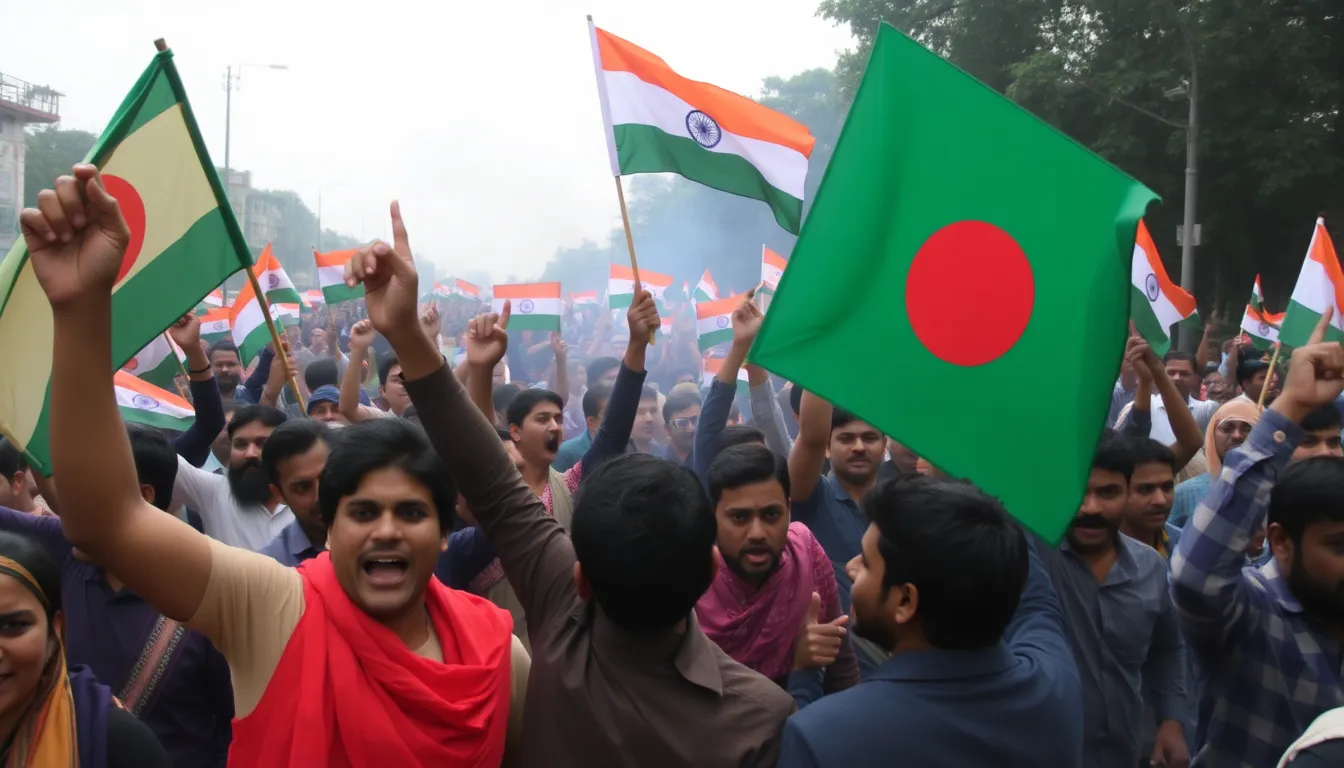
Key stakeholders and issues in the ongoing conflict
The crisis in India-Bangladesh relations has drawn in a variety of stakeholders, each with their own interests and concerns. At the forefront are the governments of India and Bangladesh, whose diplomatic ties have been strained by recent violent protests. Both nations have a vested interest in maintaining stability and economic cooperation, yet their differing national agendas have led to escalating tensions.
One of the primary actors in this conflict is the Indian government, which seeks to uphold national security and manage the influx of migrants from Bangladesh. The Indian authorities are concerned about the impact of these protests on domestic stability and the potential for communal violence. Conversely, the Bangladeshi government is focused on protecting its citizens abroad and ensuring that their rights are respected, while also emphasizing the importance of bilateral trade and cooperation.
In addition to the two governments, various non-governmental organizations (NGOs) and civil society groups play a crucial role in this situation. These organizations often advocate for human rights and may mobilize public opinion against perceived injustices. Their involvement can amplify the voices of marginalized communities and highlight underlying social issues that contribute to the unrest.
- Economic Interests: Both countries rely on trade, with India being one of Bangladesh’s largest trading partners. Disruptions in relations could have significant economic repercussions.
- Security Concerns: The Indian government is particularly worried about border security and illegal immigration, which complicates diplomatic discussions.
- Public Sentiment: Nationalist sentiments in both countries can fuel protests and affect government responses, making it essential for leaders to navigate public opinion carefully.
- International Relations: External actors, including regional powers and international organizations, may influence the conflict through diplomatic channels or economic aid.
Legal issues also loom large in the crisis, particularly concerning immigration laws and the treatment of refugees. The interpretation of these laws can lead to significant human rights debates, further complicating the already fraught relationship between the two nations. As protests continue, the need for a nuanced understanding of these key stakeholders and their respective interests becomes increasingly critical in addressing the ongoing crisis.
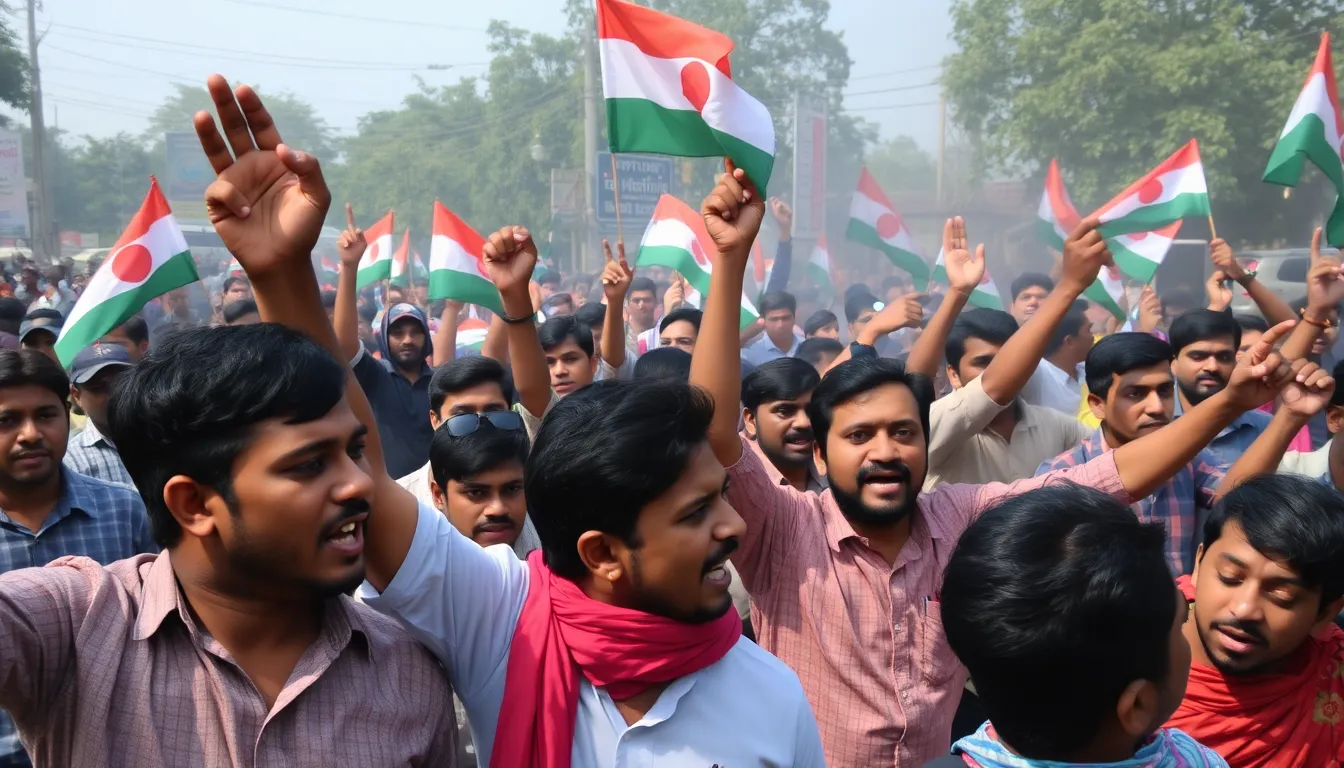
The impact of violent protests on citizens and markets
The ongoing crisis in India-Bangladesh relations has led to widespread violent protests, significantly affecting various groups and industries. Citizens living in border areas are facing the brunt of the unrest, with many experiencing disruptions in their daily lives. The protests have created an atmosphere of fear and uncertainty, leading to increased tensions among communities that have historically coexisted.
Industries heavily reliant on cross-border trade, such as textiles and agriculture, are experiencing immediate disruptions. The closure of borders has resulted in delays and losses for businesses that depend on the timely exchange of goods. Additionally, transportation services are being hampered, further exacerbating the economic impact on local markets.
In the short term, the protests are likely to lead to a decrease in consumer confidence, affecting retail sales and overall economic activity. Businesses may face increased operational costs due to heightened security measures and potential damage to property. In the mid-term, there could be shifts in policy as governments respond to the unrest, possibly leading to stricter regulations on trade and movement across borders.
- Short-term Risks: Increased violence leading to injuries and fatalities, economic losses for local businesses, and a decline in tourism.
- Mid-term Risks: Long-lasting damage to diplomatic relations, potential sanctions, and changes in trade agreements.
- Opportunities: Increased demand for local products as imports decline, potential for new trade routes, and innovation in conflict resolution mechanisms.
As the situation evolves, it is crucial for policymakers and business leaders to assess both the risks and opportunities that arise from this crisis. The ability to adapt to changing circumstances may determine the resilience of affected communities and industries in the face of ongoing challenges.
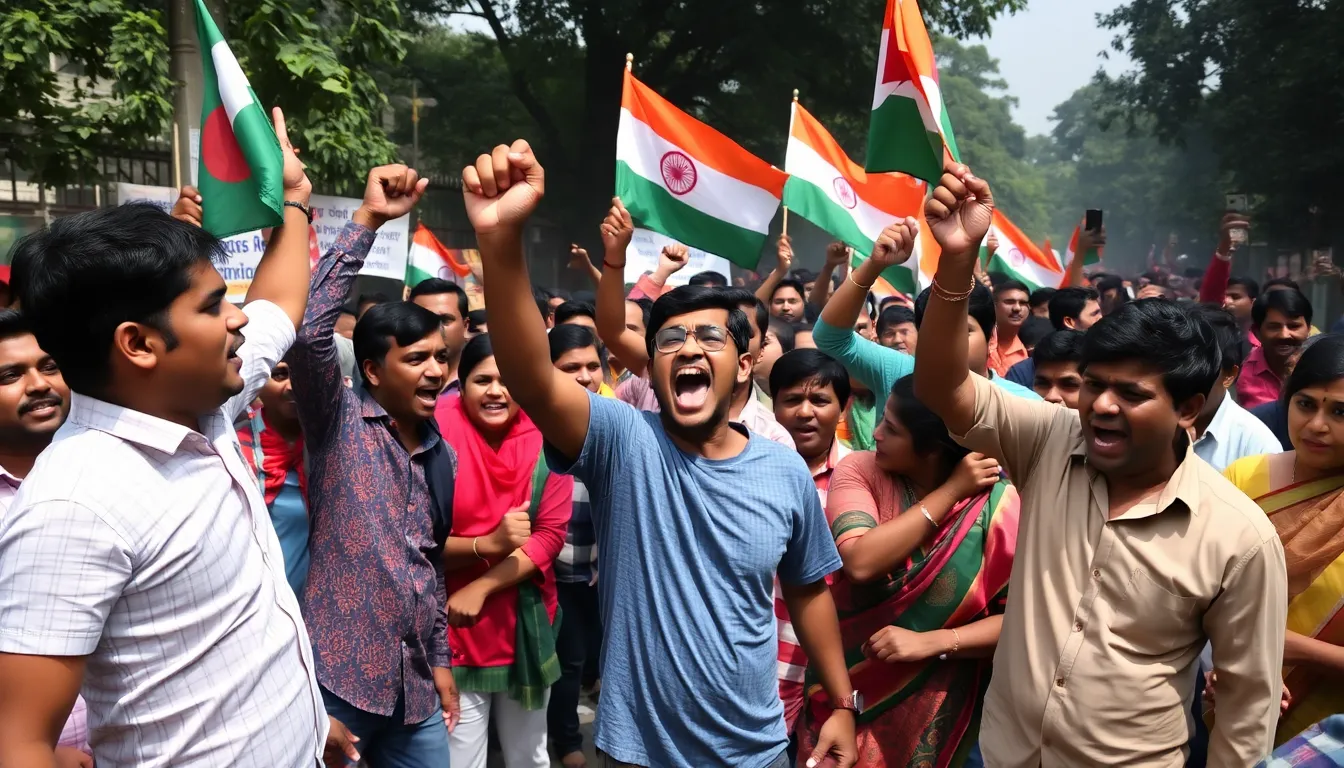
Frequently asked questions about the crisis
A: The protests were triggered by a series of political decisions and border disputes that have caused unrest among the populations of both countries.
A: Both governments have issued statements urging calm and are exploring diplomatic solutions, but tensions remain high.
A: Continued unrest could lead to a deterioration of diplomatic relations, affecting trade and regional stability.
A: International organizations have expressed concern and urged both nations to engage in dialogue to resolve the issues peacefully.
Key takeaways and future outlook on the crisis
The ongoing crisis in India-Bangladesh relations, marked by violent protests and heightened tensions, underscores the fragility of diplomatic ties in the region. As both nations grapple with internal challenges and external pressures, the potential for escalation remains a significant concern. Observers should monitor how both governments navigate public sentiment and international scrutiny in the coming months.
In this complex landscape, the responses from both governments will be crucial in shaping future interactions. The balance between addressing domestic unrest and maintaining diplomatic decorum will likely dictate the trajectory of bilateral relations, with implications for regional stability and cooperation.
- Watch for shifts in diplomatic engagements, as both countries may seek to recalibrate their approaches in response to public sentiment.
- Monitor the role of external powers in the region, as their involvement could influence the dynamics of the crisis.
- Keep an eye on domestic policies in both nations that may emerge as a response to the protests, potentially affecting bilateral cooperation.
- Assess the impact of public opinion on both sides, as grassroots movements could either exacerbate tensions or promote dialogue.
- Consider the long-term implications for trade and economic partnerships, as instability may hinder mutual interests.