


The initiative involves a collaborative effort between AI specialists and theater professionals, aiming to explore how machine learning can replicate the unique style and wit of Molière’s writing. The project has already produced several short plays that echo the themes and characters of the 17th-century playwright, showcasing the potential of AI to contribute to contemporary storytelling. You can read more about AI’s impact on various creative fields in our article on How AI Is Rewriting the Rules of the Music Industry.
As audiences increasingly embrace digital innovations, the relevance of this project extends beyond mere entertainment. It raises important questions about authorship, creativity, and the future of the arts in an era where technology plays a significant role in artistic expression.
Prominent theater companies in France are now considering the implications of AI-generated content on traditional performances. With discussions underway about the ethical aspects of using AI in creative fields, “Molière Ex Machina” serves as a pivotal case study in understanding how technology can reshape cultural narratives.
The intersection of technology and classical literature
The advent of artificial intelligence (AI) has ushered in a new era of creativity, where machines are not only tools but also collaborators in the artistic process. The initiative to create a ‘new work’ by Molière, one of France’s most cherished playwrights, exemplifies this intersection of technology and classical literature. This project raises fundamental questions about authorship, creativity, and the evolving role of technology in the arts.
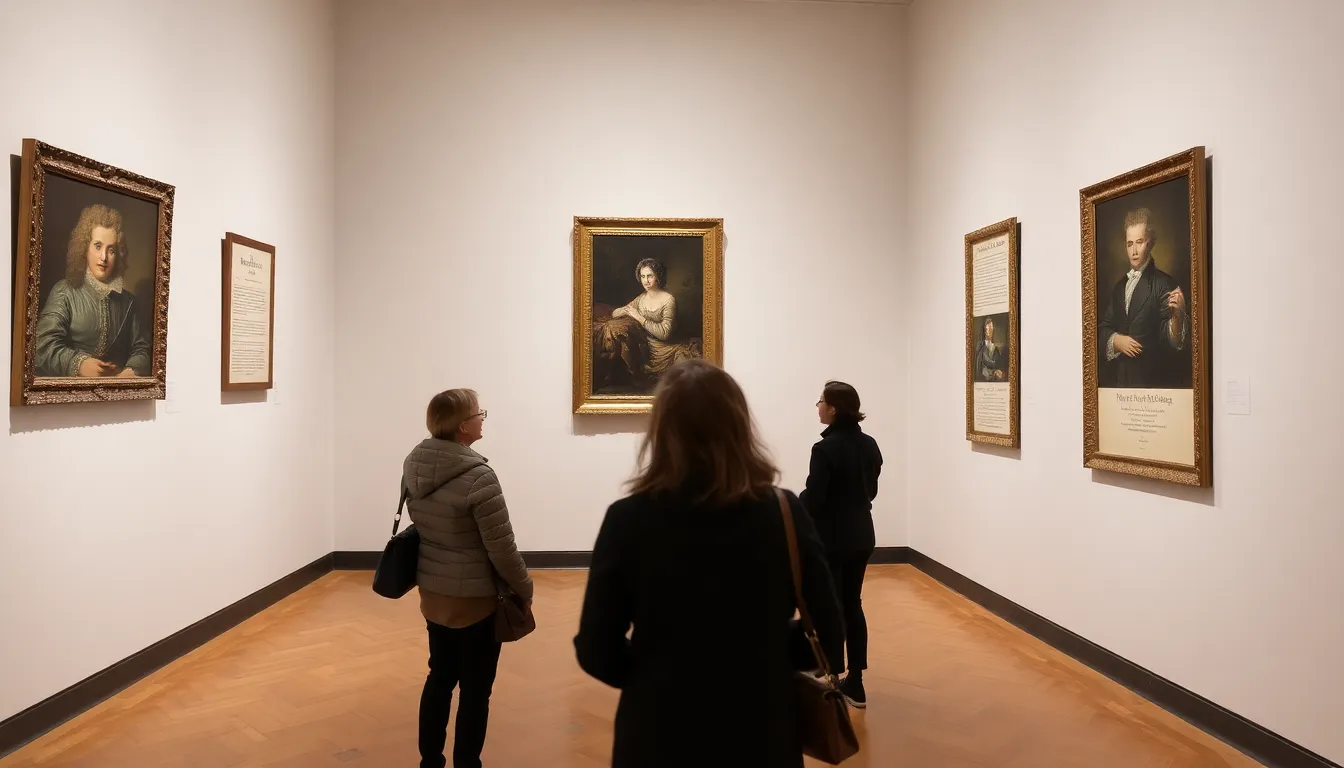
Historically, the relationship between technology and literature has been complex. The printing press revolutionized the way texts were disseminated, making literature more accessible to the masses. Fast forward to the 21st century, and we find ourselves at the forefront of another technological revolution, with AI systems capable of analyzing vast amounts of literary data and generating text that mimics human creativity. This technological shift has led to a resurgence of interest in how classic works can be reinterpreted and reimagined through the lens of modern technology.
The legacy of Molière
Molière, born Jean-Baptiste Poquelin in 1622, is celebrated for his sharp wit and keen observation of human nature. His plays, such as “Tartuffe” and “The Misanthrope,” not only entertained but also critiqued the societal norms of his time. The idea of using AI to create a new work inspired by Molière’s style is rooted in a desire to honor his legacy while exploring the capabilities of contemporary technology. This endeavor reflects a broader trend in the arts where classic works are being revisited and transformed, prompting discussions about the relevance of historical figures in today’s cultural landscape, as highlighted in our piece on Lessons from Death Doulas on the Dying Process.
As AI continues to evolve, it raises critical issues surrounding intellectual property and the definition of creativity. The creation of a Molière-inspired work through AI could set a precedent for future artistic collaborations between humans and machines. This intersection of literature and technology not only challenges our understanding of authorship but also invites us to consider how we value creative expression in an age where algorithms can generate text that resonates with human emotions. For more insights into the implications of technology on creativity, check out our article on Kotaku expands with new Senior Reporter Rebekah Valentine.
Key stakeholders and the implications of AI-generated art
The emergence of AI-generated art, particularly in the context of Molière Ex Machina, brings together a diverse array of stakeholders, each with distinct interests and concerns. These include playwrights, AI developers, cultural institutions, audiences, and legal entities. Understanding their roles and motivations is crucial for analyzing the broader implications of this innovative intersection of technology and the arts.
Playwrights and authors are central stakeholders, as they may view AI-generated works as both a threat and an opportunity. On one hand, there is concern that AI could undermine the value of human creativity and diminish the demand for traditional playwrights. On the other hand, some may see AI as a tool for inspiration or collaboration, potentially expanding their creative horizons.
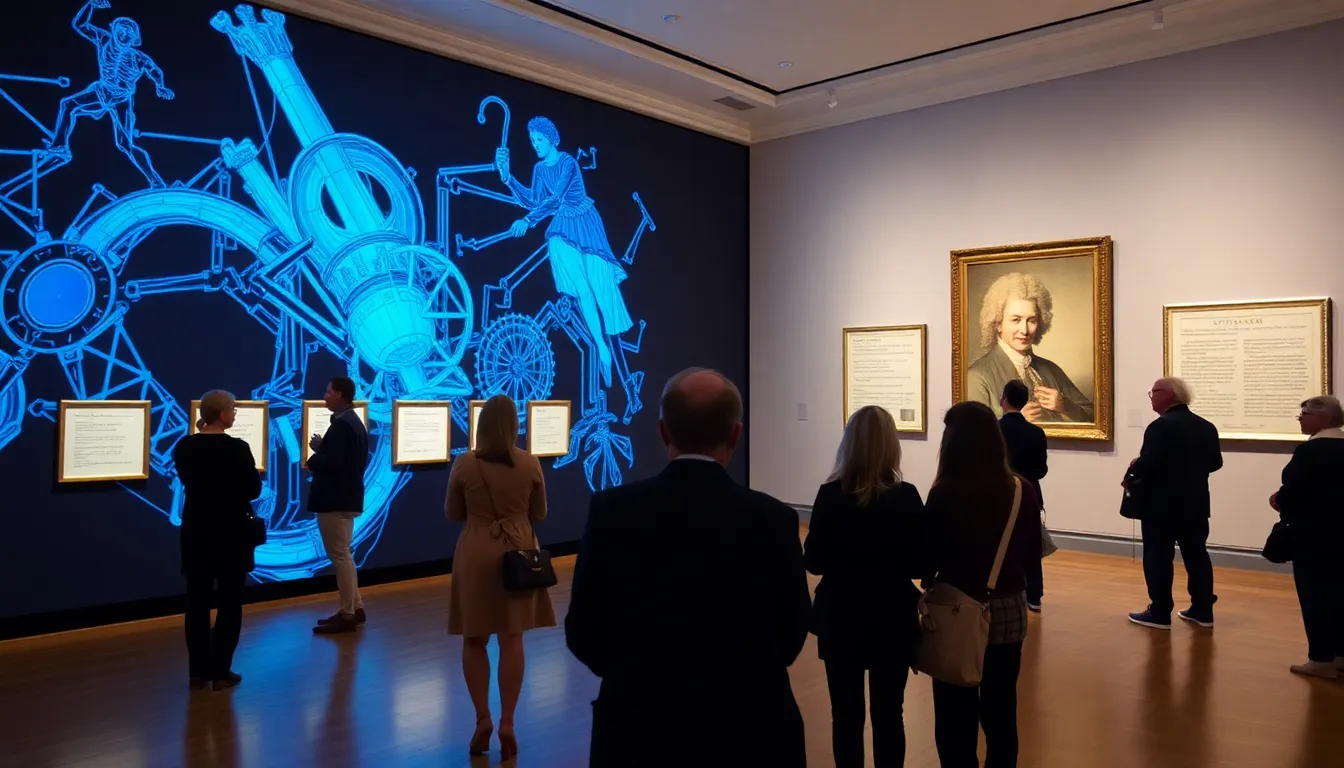
AI developers and tech companies are also prominent players in this landscape. Their interest lies in showcasing the capabilities of AI and exploring new market opportunities. However, they face ethical dilemmas regarding authorship and copyright, particularly when their algorithms generate content that closely resembles existing works. This raises questions about intellectual property rights and the potential for legal disputes.
Cultural institutions, such as theaters and art organizations, have a vested interest in how AI-generated works are received by audiences. They must navigate the balance between embracing innovation and preserving the integrity of traditional art forms. Additionally, there is a growing concern about inclusivity and representation in AI-generated content, as biases in training data can lead to skewed portrayals of culture and society.
- Intellectual Property Issues: The legal framework surrounding copyright and authorship in AI-generated works remains ambiguous, leading to potential conflicts.
- Economic Impacts: The commercialization of AI-generated art may disrupt traditional revenue models for playwrights and cultural institutions.
- Ethical Considerations: The use of AI raises ethical questions about authenticity, creativity, and the value of human artistic expression.
- Audience Reception: How audiences perceive and engage with AI-generated works will significantly influence the future of this artistic endeavor.
- Collaborative Opportunities: There is potential for human-AI collaboration to create innovative and unique artistic expressions that challenge conventional norms.
How this innovation affects playwrights and the theater industry
The integration of AI in creating new works inspired by Molière has significant implications for various groups, particularly playwrights, theater companies, and audiences. Emerging technologies are reshaping the creative landscape, prompting both excitement and concern among those involved in the arts.
In the short term, playwrights may experience increased competition as AI-generated scripts become more prevalent. This could lead to a shift in how original works are valued, potentially diminishing the perceived uniqueness of human-written plays. Additionally, theater companies may need to adapt their business models to accommodate AI-generated content, leading to changes in programming and production strategies.
On the other hand, the use of AI can also present opportunities for playwrights and theater professionals. It can serve as a collaborative tool, allowing writers to explore new ideas and styles that they might not have considered otherwise. This technology could also streamline the writing process, enabling playwrights to focus on refining their craft rather than starting from scratch.
- Risks: Increased competition for playwrights, potential devaluation of human creativity.
- Opportunities: Enhanced collaboration, new creative avenues, and efficiency in scriptwriting.
- Impact on Audiences: Exposure to innovative storytelling and diverse interpretations of classic works.
In the mid-term, the theater industry may witness a broader acceptance of AI-generated content, leading to a more diverse range of productions. This shift could attract new audiences and rejuvenate interest in theatrical performances. However, it also raises questions about authorship and intellectual property, which may necessitate new policies and regulations to protect the rights of human creators.
A: AI algorithms analyze Molière’s writing style and themes to generate new scripts that mimic his voice. This process involves training the AI on existing works to capture the essence of his humor and social commentary. A: Ethical concerns include issues of authorship and originality, as well as the potential for AI to replace human creativity. Critics argue that relying on AI could diminish the value of traditional playwrights. A: While AI can mimic Molière’s style, many believe it lacks the depth of human experience and emotional nuance that a playwright brings. The debate continues on whether AI can achieve true artistic expression. A: Audience reactions vary, with some intrigued by the novelty and others skeptical of the authenticity. The success of these plays often depends on how well they resonate with contemporary themes. A: It’s unlikely that AI will completely replace traditional playwrights. Instead, it may serve as a tool for collaboration, offering new ideas and perspectives while human creativity remains central.
Frequently asked questions about AI in theater
Looking ahead: the future of AI in the arts
The integration of artificial intelligence in the creative process, exemplified by ‘Molière Ex Machina’, raises significant questions about authorship, creativity, and the role of technology in artistic expression. As AI continues to evolve, it is essential for artists, audiences, and cultural institutions to navigate the implications of these advancements thoughtfully.
Moving forward, the dialogue surrounding AI’s role in the arts will likely shape not only how new works are created but also how they are perceived and valued. The blending of human creativity with machine-generated content presents opportunities for innovation while also challenging traditional notions of originality and artistic integrity.
- Embrace collaboration: Artists may find value in collaborating with AI, using it as a tool to enhance their creative processes rather than a replacement for human ingenuity.
- Reevaluate authorship: The question of who owns a work created with AI involvement will require clear guidelines and discussions within the artistic community.
- Expand audience engagement: AI-generated works can attract diverse audiences, prompting discussions about the nature of art and creativity in the digital age.
- Monitor ethical implications: As AI technology advances, ongoing scrutiny of its ethical use in the arts will be crucial to maintain cultural integrity.
- Foster interdisciplinary approaches: Combining insights from technology, philosophy, and the arts can lead to richer understandings of AI’s impact on creative fields.