


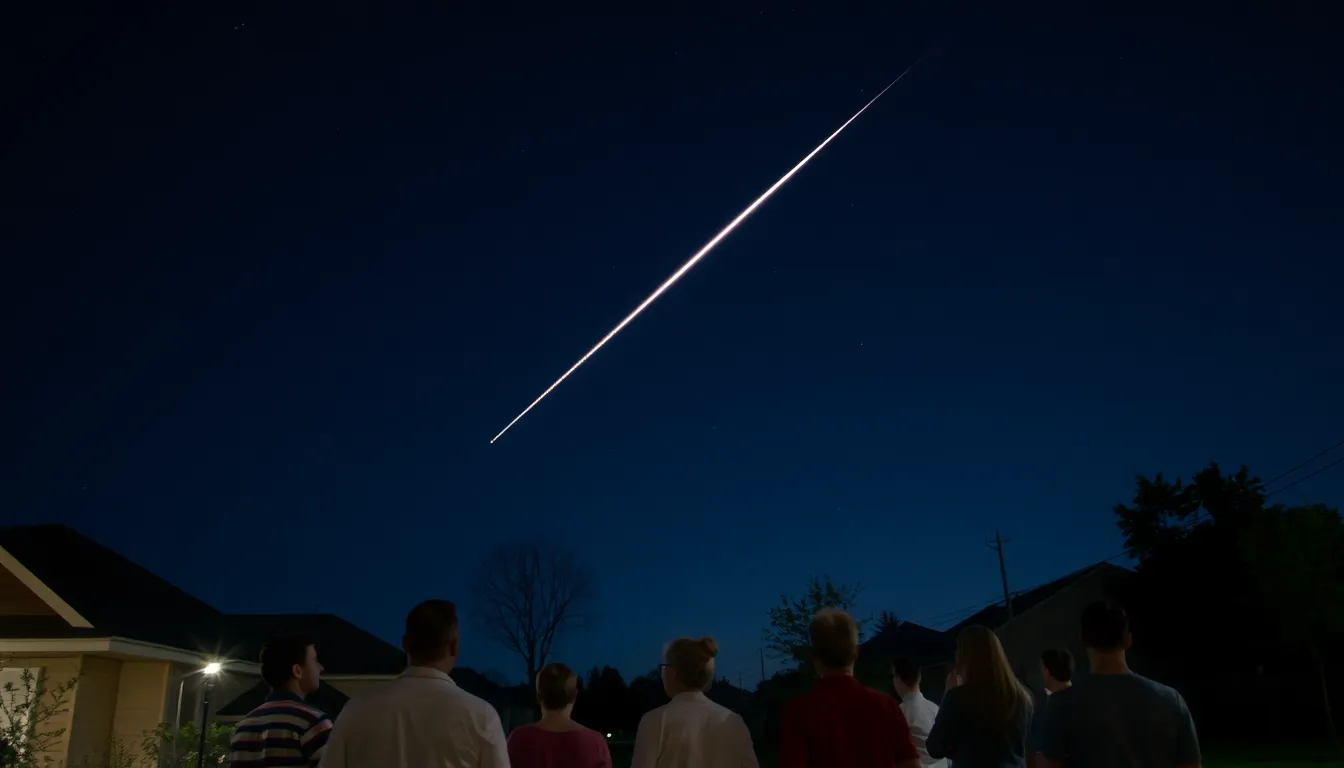
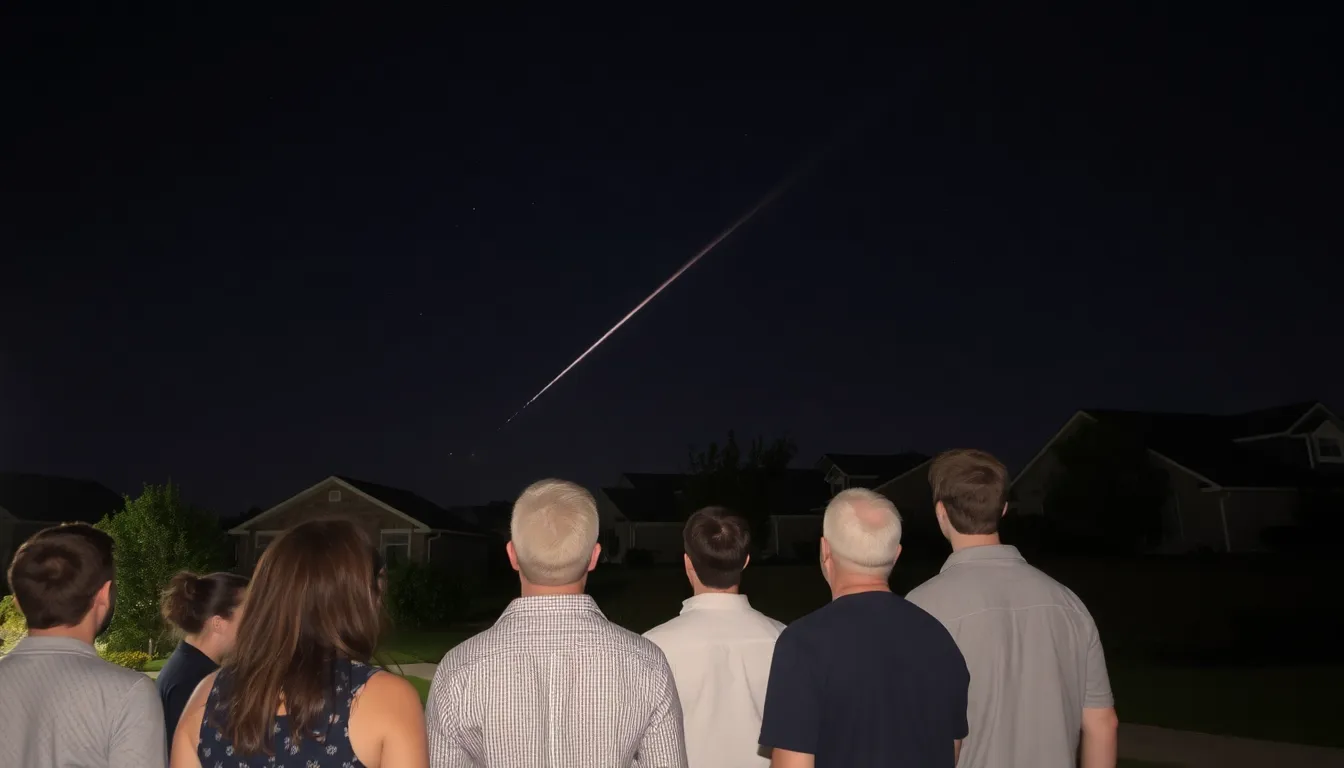
Experts from various astronomical organizations have begun analyzing the video to confirm the object’s nature. Preliminary assessments suggest that the object exhibited characteristics typical of a meteorite, including its bright glow and rapid movement. Such events are not uncommon, but the visibility of this particular incident has captured the public’s imagination.
The significance of this sighting extends beyond mere curiosity. Meteorites can provide valuable insights into the formation of our solar system and the materials that make up celestial bodies. Scientists are particularly interested in studying meteorites as they can contain organic compounds and other elements that may shed light on the origins of life on Earth.
As the investigation continues, local authorities are urging anyone who may have additional footage or information about the sighting to come forward. This call for public engagement highlights the community’s role in contributing to scientific discovery. The excitement surrounding this event underscores the ongoing fascination with space and the unknown, resonating with the themes in current events.
Understanding the phenomenon of meteorites and their significance
Meteorites, remnants of asteroids or comets that survive their journey through the Earth’s atmosphere, have fascinated humanity for centuries. Their study not only provides insights into the formation of our solar system but also raises questions about the potential for extraterrestrial life. As these celestial objects enter the Earth’s atmosphere, they can create spectacular fireballs, often referred to as bolides, which can be caught on camera, sparking public interest and scientific inquiry.
The historical significance of meteorites can be traced back to ancient civilizations, where they were often considered omens or messages from the gods. In modern times, the scientific community has recognized meteorites as valuable sources of information about the early solar system. For instance, the Allende meteorite, which fell in Mexico in 1969, provided crucial evidence for the study of isotopes and the conditions present during the solar system’s formation.
In recent years, advancements in technology have made it easier for amateur astronomers and the general public to capture these phenomena on video. This increased accessibility has led to a surge in reported sightings and a growing interest in meteorite recovery. Governments and research institutions have also begun to establish protocols for the collection and analysis of meteorites, recognizing their potential to contribute to scientific knowledge and even economic opportunities through the sale of rare specimens.
The role of social media in meteorite sightings
Social media platforms have played a pivotal role in disseminating information about meteorite sightings. Videos and images shared online not only fuel public curiosity but also facilitate collaboration among enthusiasts and scientists. For example, the recent suspected meteorite sighting that went viral on social media platforms prompted a flurry of expert analyses and discussions, highlighting the intersection of technology, community engagement, and scientific inquiry in the modern era, akin to stories of public interest.
Experts weigh in on the potential implications of the sighting
The recent sighting of a suspected meteorite has sparked interest among various stakeholders, including scientists, local governments, and space agencies. Each group has its own perspective on the significance of the event, which could have implications for scientific research, public safety, and even international collaboration.
Scientists are eager to analyze the meteorite, as it could provide valuable insights into the formation of our solar system. The potential for discovering new materials or understanding cosmic phenomena is a strong motivator for research institutions and universities. However, the scientific community must also navigate the challenges of securing the meteorite, as it may be located in a remote or restricted area.
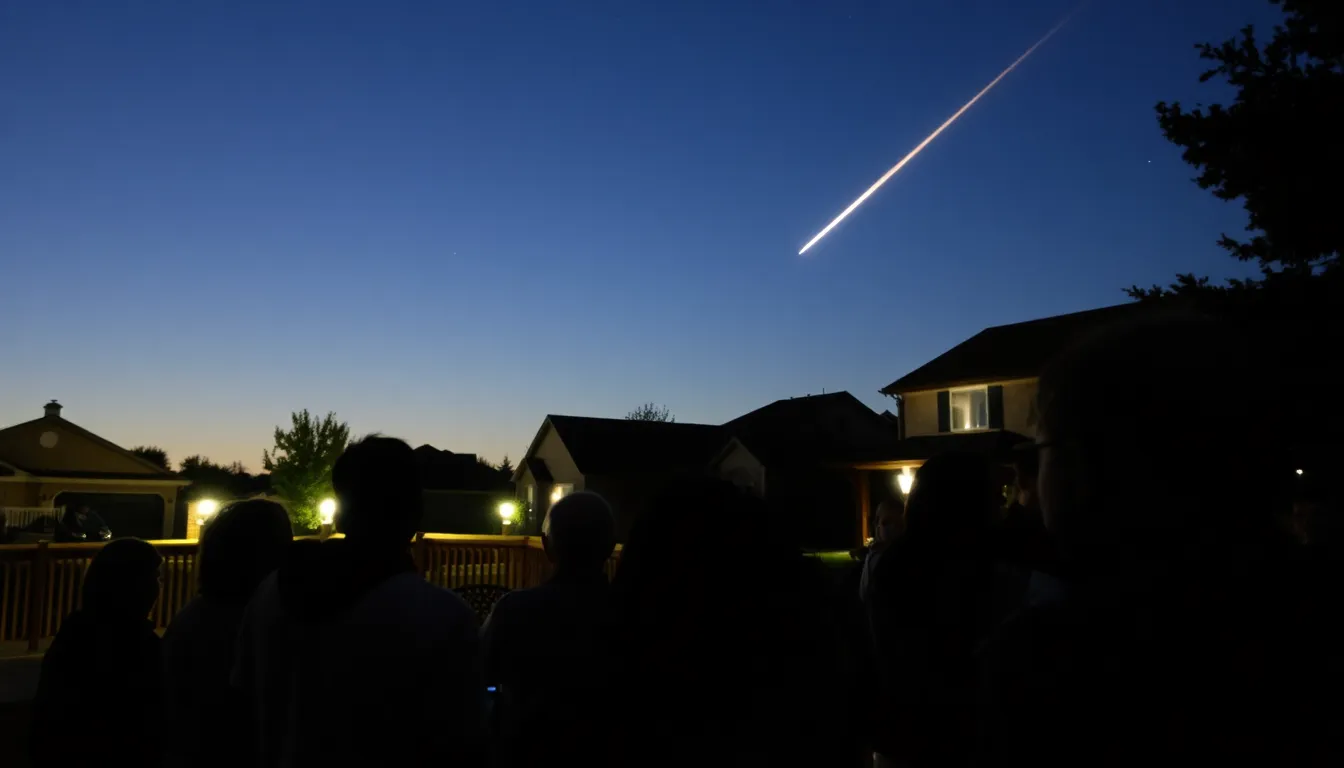
Local governments are concerned about the safety of their residents. If the meteorite is confirmed, there could be potential hazards associated with its impact or the presence of debris. Additionally, the government may need to allocate resources for recovery operations, which could strain budgets and lead to public scrutiny. The balance between ensuring public safety and managing economic resources will be a critical issue.
Space agencies, both national and international, are also stakeholders in this event. They may see it as an opportunity to promote space exploration and education. However, there are legal considerations regarding ownership and rights to the meteorite, which could lead to conflicts between countries. International treaties, such as the Outer Space Treaty, govern these issues, but interpretations can vary.
- Scientific Interest: Potential for groundbreaking research and discovery.
- Public Safety: Concerns about hazards associated with the meteorite.
- Resource Allocation: Financial implications for local governments involved in recovery efforts.
- Legal Issues: Ownership disputes and compliance with international treaties.
- International Collaboration: Opportunities for joint research and shared knowledge.
The event’s impact on the scientific community and public interest
The recent sighting of a suspected meteorite has captured the attention of various groups, including scientists, educators, and the general public. The spectacle not only raises questions about the origins of such celestial objects but also stimulates interest in space exploration and astronomy. This incident has the potential to unite communities around a shared curiosity about the universe.
In the short term, local businesses in regions where the meteorite was observed may experience increased foot traffic as people flock to the area to witness the phenomenon or participate in related events. Hotels and restaurants could see a boost in patronage, while educational institutions may host special lectures or workshops to discuss the implications of the event.
In the mid-term, the scientific community may benefit from heightened funding and support for research initiatives related to meteorites and space exploration. This could lead to advancements in technology and knowledge, fostering collaboration among universities, research institutions, and private companies. Additionally, policies promoting STEM education could gain traction as public interest in science grows.
- Risks: Potential misinformation about the event could lead to public panic or misunderstanding of meteorites.
- Opportunities: Increased interest in astronomy may stimulate investment in educational programs and science communication efforts.
- Community Engagement: Local organizations can capitalize on the event to promote science literacy and community events.
Overall, the incident serves as a reminder of humanity’s fascination with the cosmos and the potential for collaboration across various sectors to enhance our understanding of the universe. The ripple effects of this event could be felt in both local economies and the broader scientific landscape for years to come.
A: The video shows a bright object streaking across the sky, leading many to believe it could be a meteorite entering the Earth’s atmosphere. A: Scientists will analyze the object’s trajectory, speed, and any fragments that may have landed to determine its composition and origin. A: Most meteorites burn up in the atmosphere and pose little threat, but larger ones can cause significant damage if they reach the surface. A: Numerous resources are available online, including scientific journals, astronomy websites, and educational platforms focused on space science. A: If you believe you have found a meteorite, it’s best to contact a local university or museum for proper identification and analysis.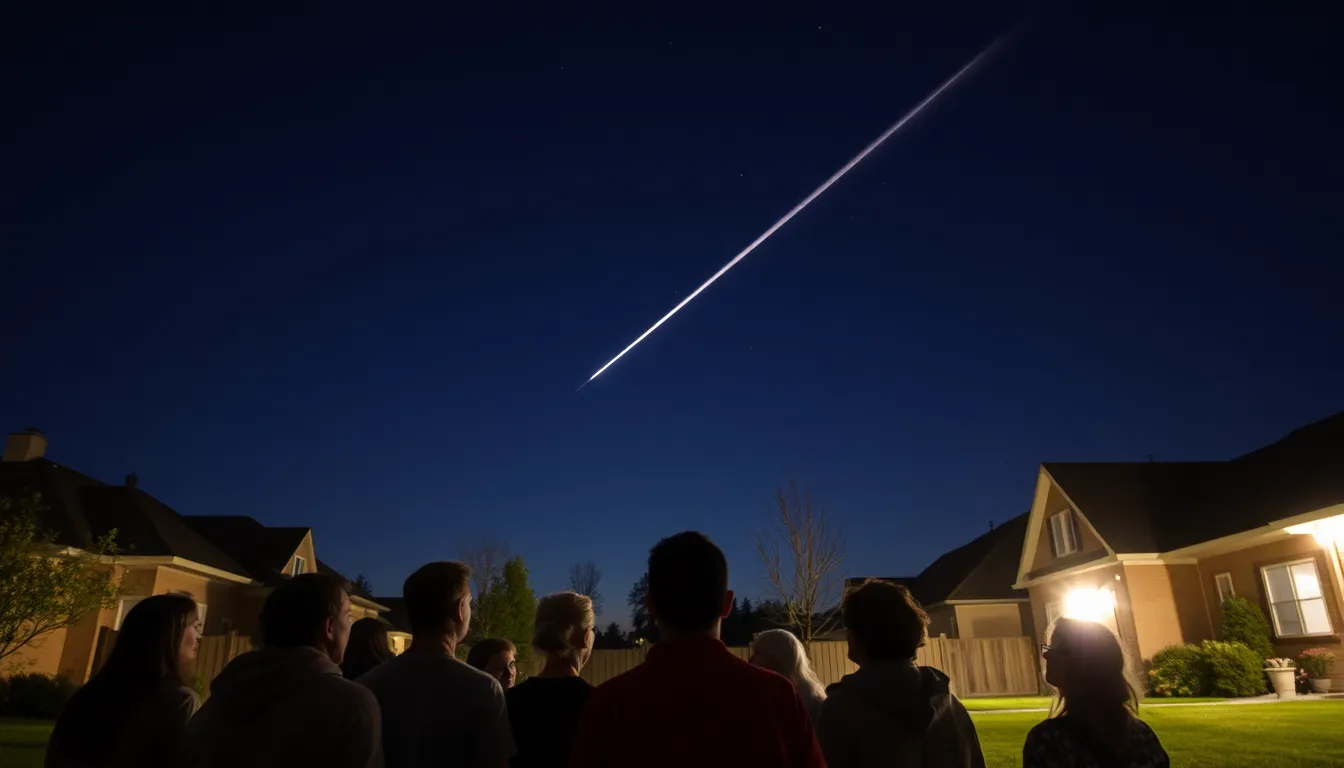
Frequently asked questions about the suspected meteorite
Key takeaways and future outlook on meteorite studies
The recent footage of a suspected meteorite has reignited interest in the study of extraterrestrial materials and their implications for understanding our solar system. As scientists analyze the event, it highlights the importance of citizen engagement in scientific discovery and the role of technology in capturing rare astronomical phenomena. This incident serves as a reminder of the dynamic nature of our universe and the potential discoveries that lie ahead.
Looking forward, continued research into meteorites can provide insights into the origins of our planet and the building blocks of life. The collaboration between amateur astronomers and professional scientists may lead to more frequent and detailed observations of such events, further enriching our knowledge of space.
- Increased public interest in astronomy may lead to more citizen science projects focused on meteor observation.
- Advancements in camera technology could enhance the ability to capture and analyze meteoric events in real-time.
- Future studies may reveal new information about the composition and origin of meteorites, impacting our understanding of planetary formation.
- Collaboration between amateur and professional astronomers will likely become more crucial in documenting and studying meteorite occurrences.