


One of the key issues is the venue selection, with multiple cities vying to host the event. Authorities in Mumbai and Delhi have reported difficulties in securing appropriate stadiums that meet international standards. For further details on logistical challenges, you can read about Angry fans disrupting Messi’s event in India. This has led to delays in finalizing the tour schedule, which was expected to attract thousands of fans.
Additionally, there have been reports of sponsorship complications, with several brands pulling out due to financial disagreements. These developments not only impact the event’s funding but also raise questions about the feasibility of hosting such a high-profile athlete in India. Organizers are now scrambling to address these concerns to ensure a successful tour, similar to the recent withdrawal of Jared Kushner from Paramount’s Warner Bros. Discovery Bid.
The situation is further complicated by Messi’s tight schedule, as he is committed to his club and national team obligations. With the FIFA World Cup qualifiers approaching, time is of the essence for both Messi and the event organizers. The outcome of these negotiations and logistical hurdles will ultimately determine the success of the tour.
Understanding the significance of Messi’s tour in India
Lionel Messi’s tour of India was not just a sporting event; it represented a convergence of sports, culture, and global diplomacy. Football has been gaining traction in India, a country traditionally dominated by cricket, and Messi’s presence was seen as a pivotal moment to further popularize the sport. His stature as a global icon could potentially inspire millions of young athletes in India to take up football.
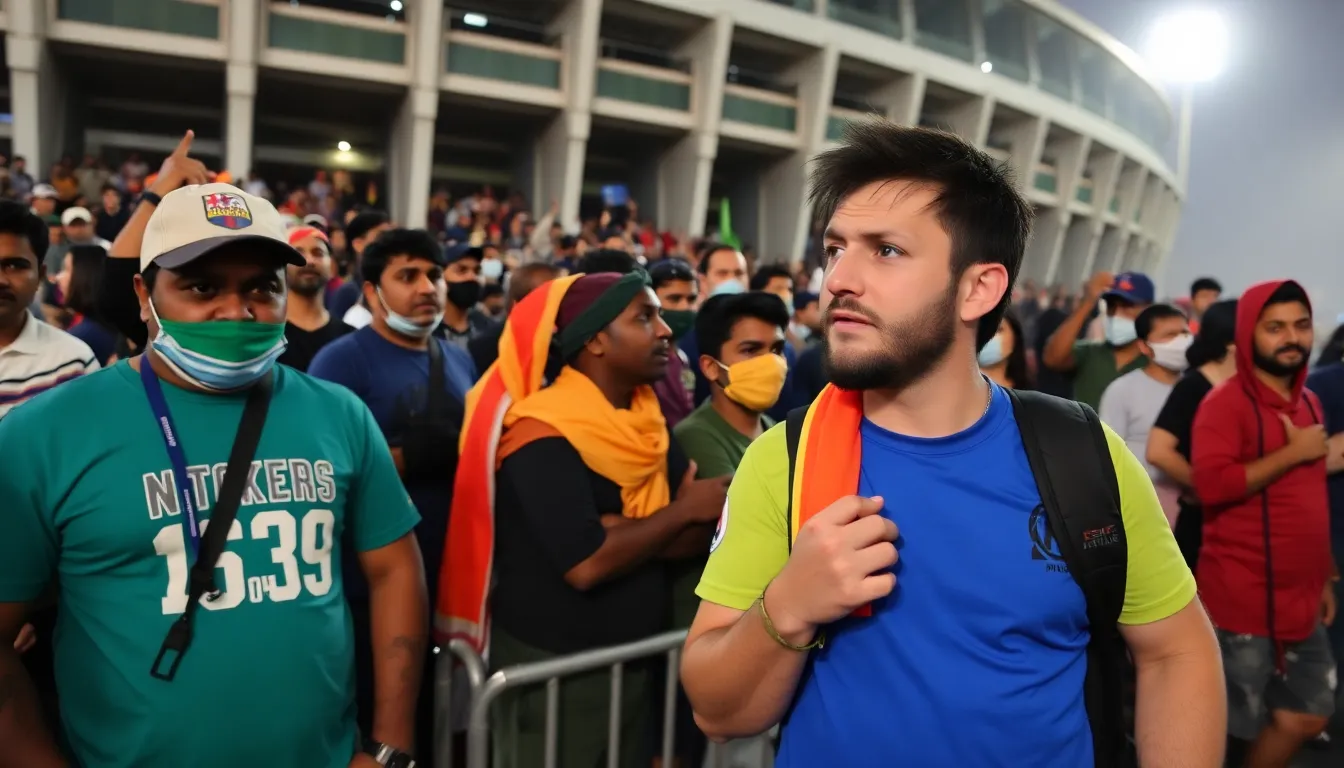
The significance of this tour also lies in the socio-economic context of India. With a burgeoning middle class and increasing disposable incomes, sports events featuring international stars have become a lucrative market. The Indian Super League (ISL) has already shown that there is a sizable audience for football, and Messi’s tour was anticipated to bolster this interest even further, potentially leading to increased investments in the sport. You can explore the landscape of sports in India further in the article on Best Cities for Female Sports Fans 2026.
Historical Context of Football in India
Football has a rich history in India, dating back to the 19th century when the British introduced the game. However, despite its early popularity, football has struggled to maintain a consistent following compared to cricket. The establishment of professional leagues like the I-League and ISL has helped revive interest, but challenges remain in terms of infrastructure, grassroots development, and competition with more established sports.
In recent years, various initiatives by the All India Football Federation (AIFF) and private entities have aimed to improve the standard of the game and increase its visibility. Messi’s tour was seen as a culmination of these efforts, but it also highlighted the ongoing challenges, including logistical issues and political tensions that can arise in organizing large-scale international events.
The anticipation surrounding the tour was palpable, with fans eager to witness the football legend. However, the complications that arose, including potential disputes over sponsorships and local governance, underscored the complexities of hosting such a high-profile event in a diverse and rapidly evolving country like India.
Key stakeholders and issues surrounding the tour
The recent tour of India by Lionel Messi, often hailed as the Greatest of All Time (GOAT) in football, attracted significant attention from various stakeholders. Key actors include Messi himself, his management team, the organizers of the tour, local sponsors, and the Indian government. Each of these parties has distinct interests that shape the dynamics of the event.
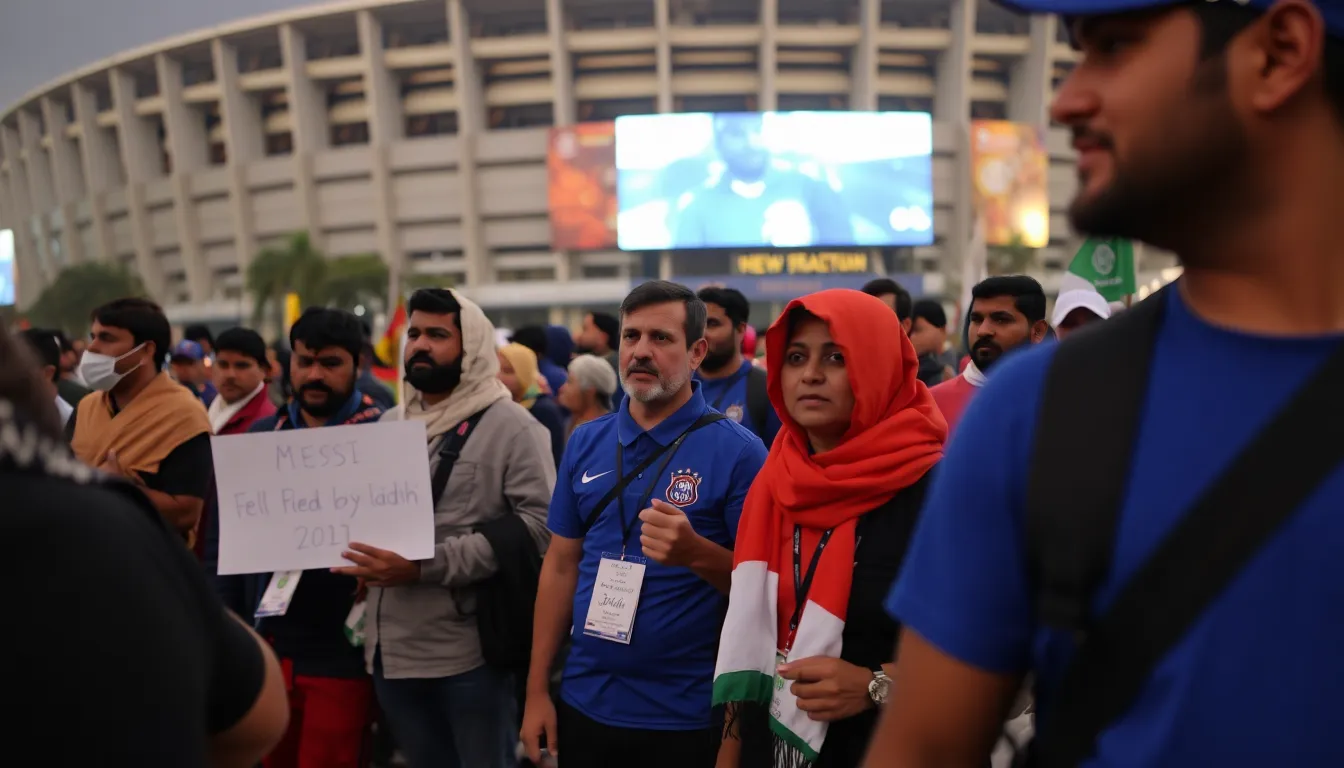
Messi’s management team aims to maximize exposure and revenue through endorsements and merchandise sales, while local sponsors seek to capitalize on the star’s fame to enhance their brand visibility. The Indian government, on the other hand, is interested in promoting tourism and enhancing its international image through high-profile events. However, these interests can sometimes conflict, leading to challenges in execution.
Several key issues have emerged from this tour, including logistical challenges, safety concerns, and regulatory hurdles. The following points highlight some of the major conflicts and trade-offs:
- Logistical Challenges: Coordinating travel, accommodations, and security for such a high-profile athlete poses significant challenges that can lead to delays and dissatisfaction.
- Safety Concerns: Ensuring the safety of Messi and his entourage is paramount, especially in a country with varying security standards across regions.
- Regulatory Hurdles: Navigating local laws and regulations related to sports events can create obstacles for organizers, affecting the overall success of the tour.
- Public Expectations: The immense popularity of Messi raises expectations among fans, which can lead to discontent if the event does not meet their aspirations.
- Economic Impact: The tour has potential economic implications, both positive and negative, for local businesses and the broader community, depending on its execution.
These factors illustrate the complex interplay between various stakeholders and the challenges inherent in organizing such a high-profile event. Understanding these dynamics is essential for comprehending the broader implications of Messi’s tour in India and its impact on all involved parties.
Who is affected by the challenges of the tour
The recent troubles surrounding Messi’s GOAT tour of India have far-reaching implications for various groups and industries. Fans, local businesses, and the sports tourism sector are among the most directly impacted. Additionally, the event’s organizers and sponsors are facing significant challenges that could reshape their strategies moving forward.
In the short term, fans who were eagerly anticipating the event may experience disappointment and frustration. This could lead to a decline in ticket sales for future events, as trust in the organizers is shaken. Local businesses, particularly those in the hospitality and retail sectors, may see a drop in revenue due to reduced tourist footfall and event-related spending.
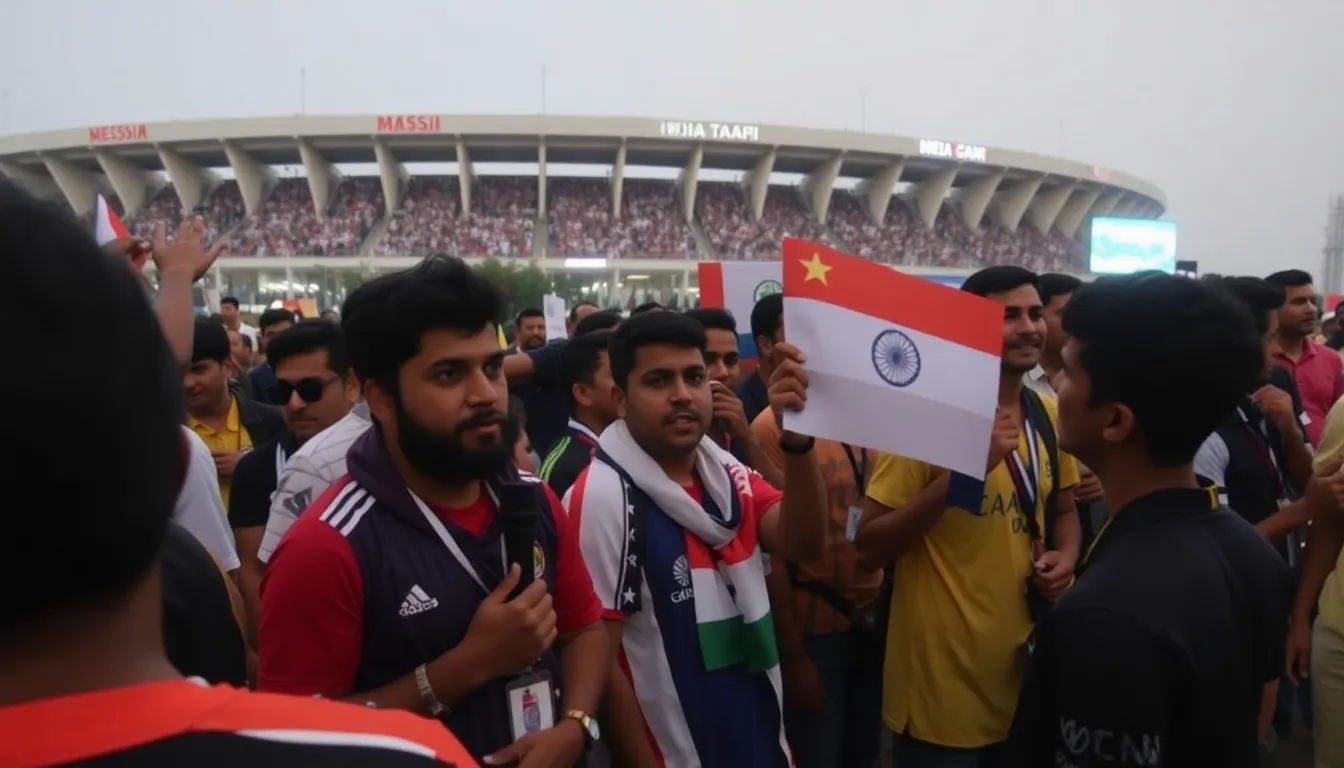
In the mid-term, the challenges faced during the tour could prompt policy changes regarding event management and safety regulations in India. Authorities may implement stricter guidelines to ensure that future events are better prepared for unforeseen circumstances, which could lead to increased costs for organizers. However, this could also open up opportunities for new businesses specializing in event management and security.
- Local businesses may suffer from reduced revenue.
- Fans may lose trust in future events.
- Potential policy changes could arise from the incident.
- New opportunities for event management firms may emerge.
Furthermore, the media attention surrounding the tour could either tarnish or elevate India’s reputation as a host for international sporting events. While the current situation poses risks, it also serves as a wake-up call for stakeholders to innovate and improve the overall experience for fans and participants alike.
A: The main issues include logistical challenges, security concerns, and unexpected public reactions. These factors have created significant disruptions to the planned events. A: Public reaction has been mixed, with some fans expressing disappointment while others show understanding. The media coverage has also influenced public perception significantly. A: The challenges may affect Messi’s brand image in India, potentially leading to decreased sponsorship opportunities and fan engagement if not managed well. A: Organizers are actively working on solutions, including improving security measures and enhancing communication with fans. Future events may be adjusted based on feedback. A: Despite the challenges, Messi is expected to participate in the remaining events, although adjustments may be made to ensure safety and success.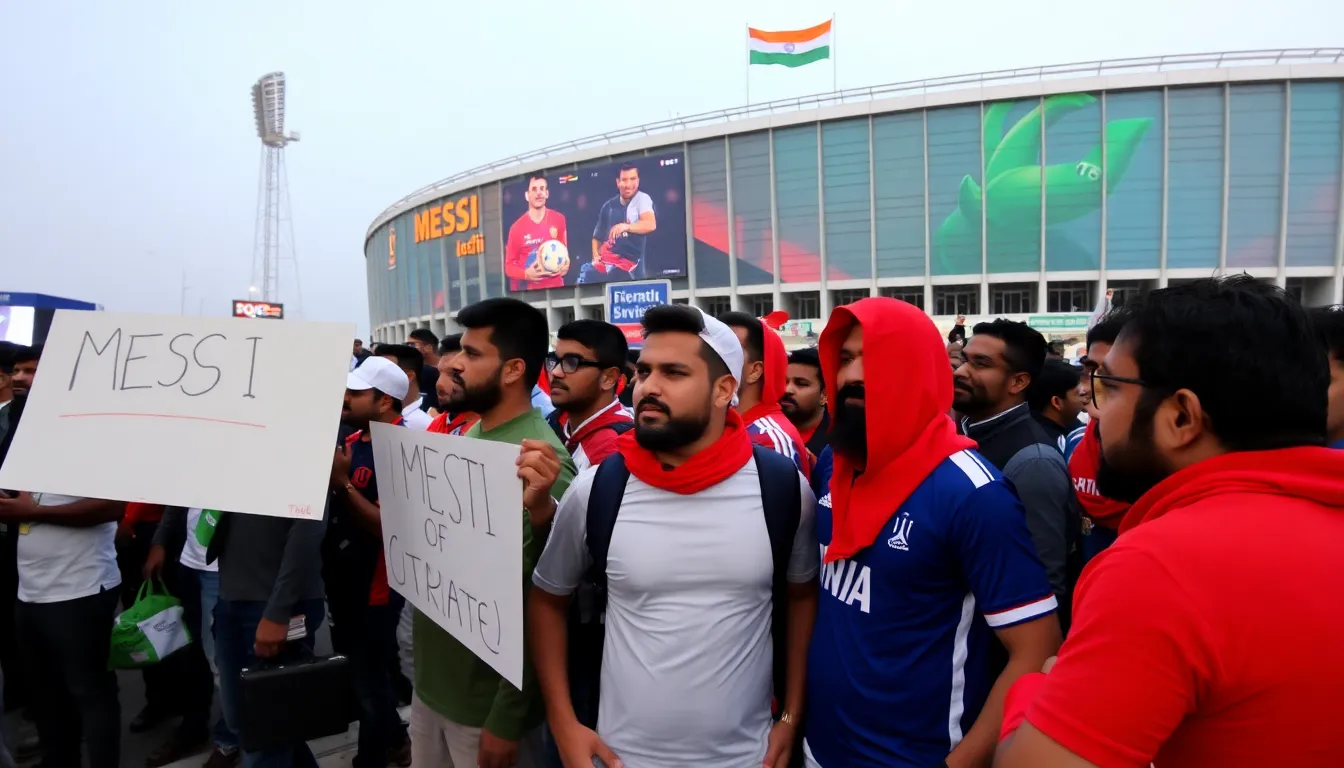
Frequently asked questions about Messi’s tour
Looking ahead: insights and potential outcomes
The recent challenges faced during Messi’s tour in India highlight the complexities of organizing high-profile sporting events in diverse markets. As the excitement surrounding global sports icons continues to grow, so too does the need for meticulous planning and adaptability to local conditions. This incident serves as a reminder that even the most celebrated athletes can encounter unforeseen obstacles, which may impact their engagements and fan interactions.
Moving forward, stakeholders in the sports industry must consider the implications of this event on future tours and promotional activities. Understanding local infrastructure, cultural nuances, and logistical challenges will be crucial in ensuring that similar events run smoothly and meet the expectations of both fans and athletes.
- Enhanced local partnerships may become essential for successful event execution.
- Increased focus on contingency planning to address potential disruptions.
- Greater emphasis on fan engagement strategies tailored to regional preferences.
- Monitoring of social media sentiments to gauge public interest and concerns leading up to events.
- Potential for increased scrutiny of event organizers to ensure accountability and transparency.