


Lucescu, 78, had a storied career, managing various clubs and national teams, including a successful stint at Shakhtar Donetsk, where he won numerous titles. His resignation on October 23 was met with surprise, as he had previously expressed a desire to continue leading the Romanian team through upcoming qualifiers.
The circumstances surrounding his death have raised questions about the pressures faced by coaches and the toll that high-stakes sports can take on individuals. Many players and fellow coaches have taken to social media to express their condolences and share memories of their time with Lucescu, highlighting his impact on the game.
As tributes pour in, discussions about the future of Romanian football and the leadership void left by Lucescu’s departure are intensifying. His passing not only marks the end of an era for Romanian football but also serves as a stark reminder of the fragility of life in the competitive world of sports, often reflected in the experiences of leaders like Jim France.
A brief overview of Lucescu’s illustrious career
Mircea Lucescu, a name synonymous with football excellence, leaves behind a legacy that spans over five decades. Born in Romania in 1945, Lucescu began his career as a player before transitioning to management, where he became one of the most respected figures in the sport. His coaching journey took him across numerous clubs and national teams, most notably leading Shakhtar Donetsk to unprecedented success in Ukraine and achieving remarkable feats with the Turkish club Galatasaray.
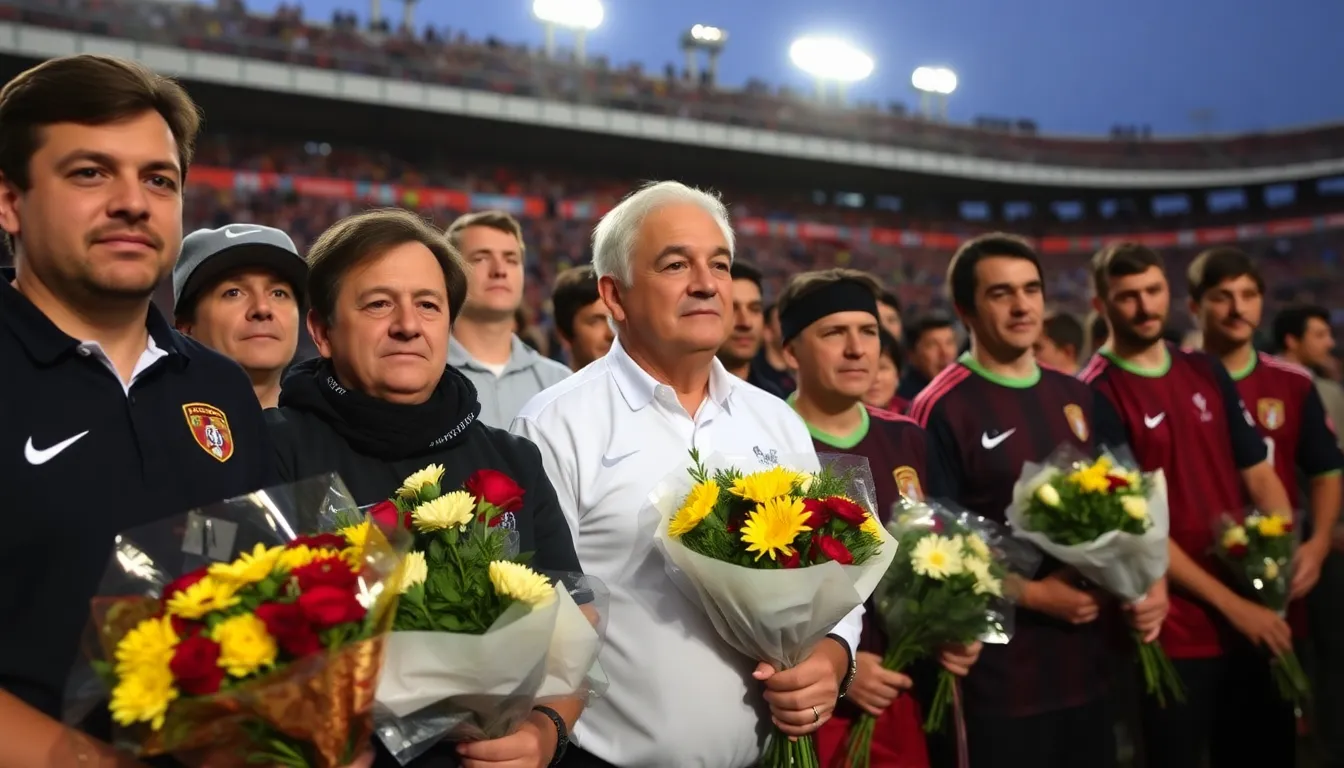
Lucescu’s tenure with Shakhtar Donetsk, which began in 2004, marked a significant period in both his career and the club’s history. Under his guidance, Shakhtar won multiple league titles and the UEFA Cup in 2009, showcasing his ability to develop talent and build competitive teams. His tactical acumen and emphasis on youth development have influenced generations of players, making him a pivotal figure in Eastern European football.
Despite his achievements, Lucescu’s recent appointment as the head coach of the Romanian national team was met with mixed reactions. Many viewed it as a chance for the national side to benefit from his vast experience, while others questioned whether his age and style would resonate with a younger generation of players. His resignation just five days before his passing highlights the tumultuous nature of football management, where expectations and pressures can be overwhelming.
The Political and Social Landscape of Romanian Football
The landscape of Romanian football has been shaped by political and social changes over the years. The fall of communism in 1989 opened new avenues for football development, but challenges such as corruption and financial instability have persisted. Lucescu’s career has paralleled these shifts, as he navigated through eras of both prosperity and turmoil within Romanian and Eastern European football.
His death not only marks the loss of a legendary figure but also serves as a poignant reminder of the fragility of life and the ever-changing dynamics within the world of sports. Lucescu’s contributions to football will be remembered, and his passing leaves a significant void in the hearts of fans and players alike.
Key stakeholders reflect on Lucescu’s contributions to football
Mircea Lucescu’s passing has sent shockwaves through the football community, highlighting the profound impact he had on the sport both in Romania and internationally. As a legendary manager, his career spanned several decades, during which he shaped the futures of numerous clubs and players, paralleling the challenges faced by prominent figures in other sports, such as RFK Jr..
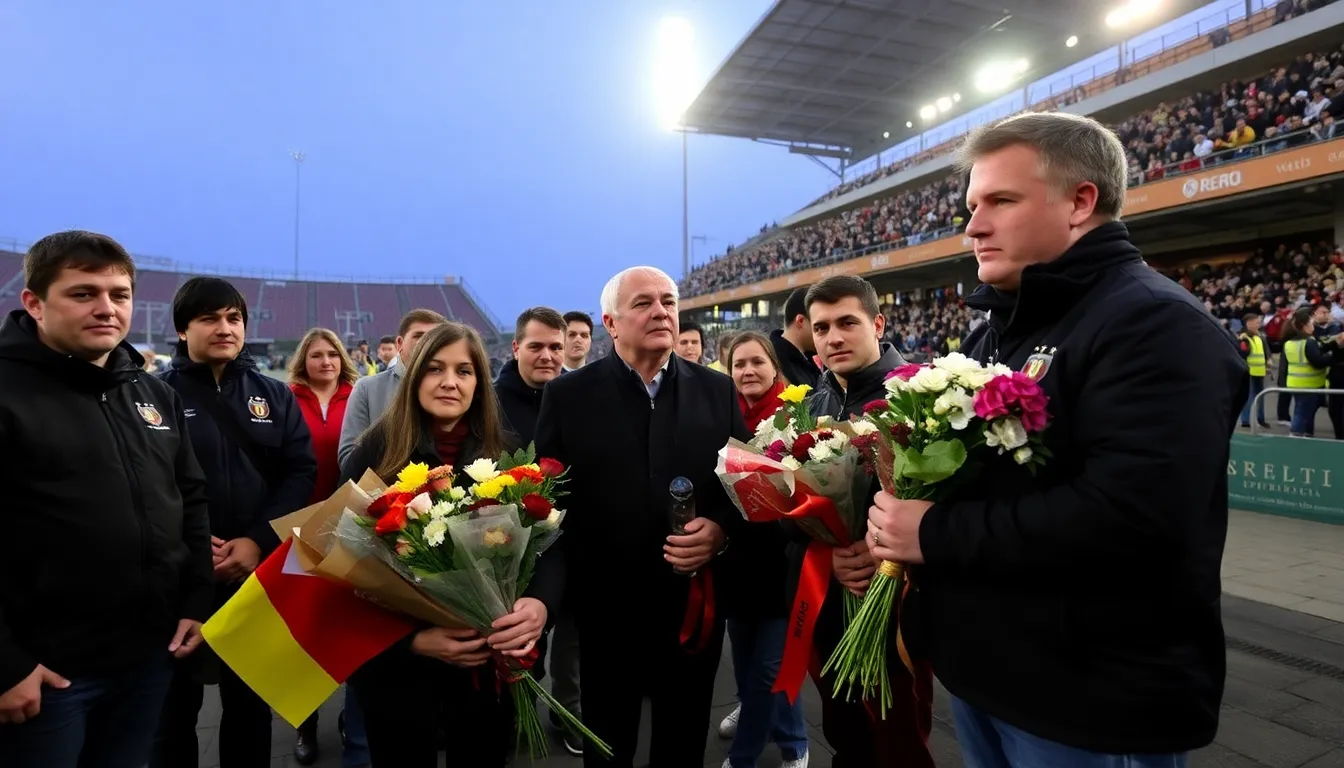
The Romanian Football Federation (FRF) is one of the primary stakeholders, having recently witnessed Lucescu’s resignation as the national team coach. The FRF’s interest lies in maintaining the integrity and competitiveness of Romanian football. Lucescu’s departure raised questions about the future direction of the national team, particularly in light of his contributions to developing young talent and strategic play.
Clubs that Lucescu managed, such as Shakhtar Donetsk and Galatasaray, are also significant stakeholders. They benefited from his managerial expertise and success, with many players crediting him for their development. The economic implications of his death may affect these clubs, as they reflect on his legacy and consider how to fill the void left by his absence.
- Legacy of Development: Lucescu was known for nurturing young talent, which is crucial for the future of Romanian football.
- Impact on Club Success: His managerial strategies led to significant victories, influencing club revenues and fan engagement.
- International Reputation: Lucescu’s success in various leagues enhanced Romania’s image in the global football community.
- Transition Challenges: The FRF faces challenges in finding a suitable successor who can build on Lucescu’s foundational work.
Fans and players alike mourn Lucescu’s passing, reflecting on his influence on their careers and the sport. The emotional connection he fostered with supporters underscores the human aspect of football, which often transcends mere statistics and trophies. As the football community comes to terms with this loss, the discussions surrounding Lucescu’s contributions will likely continue, shaping the narrative of Romanian football for years to come.
The impact of Lucescu’s death on Romanian football and beyond
The passing of legendary manager Mircea Lucescu has sent shockwaves through the world of football, particularly affecting the Romanian sports community. His influence extended beyond the pitch, impacting various stakeholders including players, coaches, and fans. The sudden loss raises concerns about the future direction of Romanian football, as well as its representation on the international stage.
In the short term, the immediate impact will likely be felt in the coaching landscape. Clubs and national teams may experience uncertainty as they reassess their strategies and leadership. Many young coaches and players who looked up to Lucescu as a mentor may feel a sense of loss, potentially affecting their morale and performance. The Romanian Football Federation will also need to consider its next steps, which may include appointing a new coach and redefining its vision for the national team.
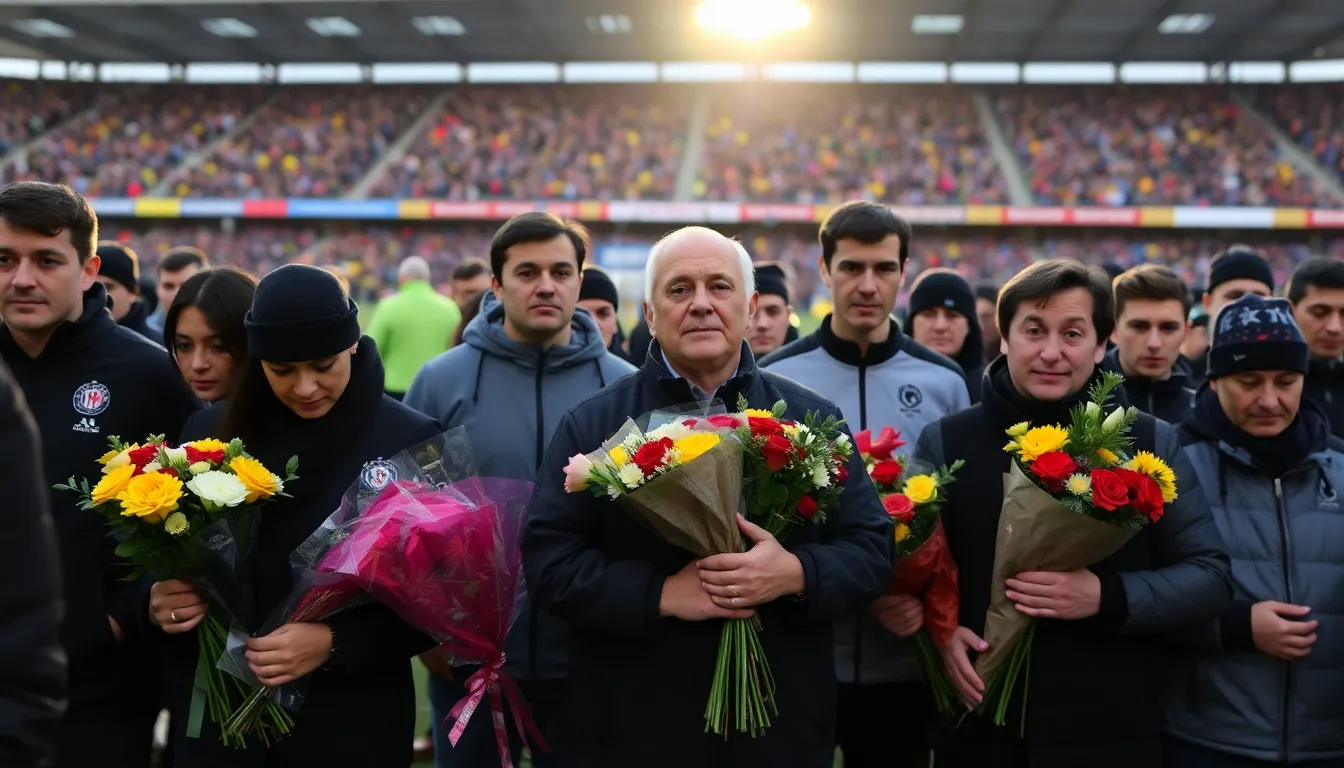
In the mid-term, this event could lead to a shift in the dynamics of Romanian football. With Lucescu’s departure, there is a risk of instability within teams, which could affect league performance and the development of young talent. However, this also presents an opportunity for new leadership to emerge, potentially bringing fresh ideas and revitalizing the sport in Romania. Clubs may look to invest in new talent and innovative coaching methods to fill the void left by Lucescu.
- Short-term risks: Uncertainty in coaching roles, potential decline in team performance.
- Mid-term opportunities: New leadership and strategies could rejuvenate Romanian football.
- Community impact: Fans and local communities may rally together to honor Lucescu’s legacy, fostering a stronger sense of unity.
Overall, while Lucescu’s death marks a significant loss for Romanian football, it also serves as a pivotal moment for reflection and potential growth within the sport. The coming months will be critical in determining how the football community responds to this change and what it means for the future of the game in Romania.
A: Mircea Lucescu was known for his successful coaching stints with clubs like Shakhtar Donetsk and Galatasaray, leading them to numerous domestic and international titles. A: His resignation came as a surprise, and it raised questions about the team’s direction and future leadership in a crucial time for Romanian football. A: Lucescu’s legacy includes his innovative coaching style, ability to develop young talent, and significant contributions to the success of various clubs and national teams. A: Fans and players alike have expressed their sorrow and respect for Lucescu, sharing tributes on social media and in public statements. A: The Romanian Football Federation is expected to discuss potential candidates for the head coach position and outline the team’s strategy moving forward.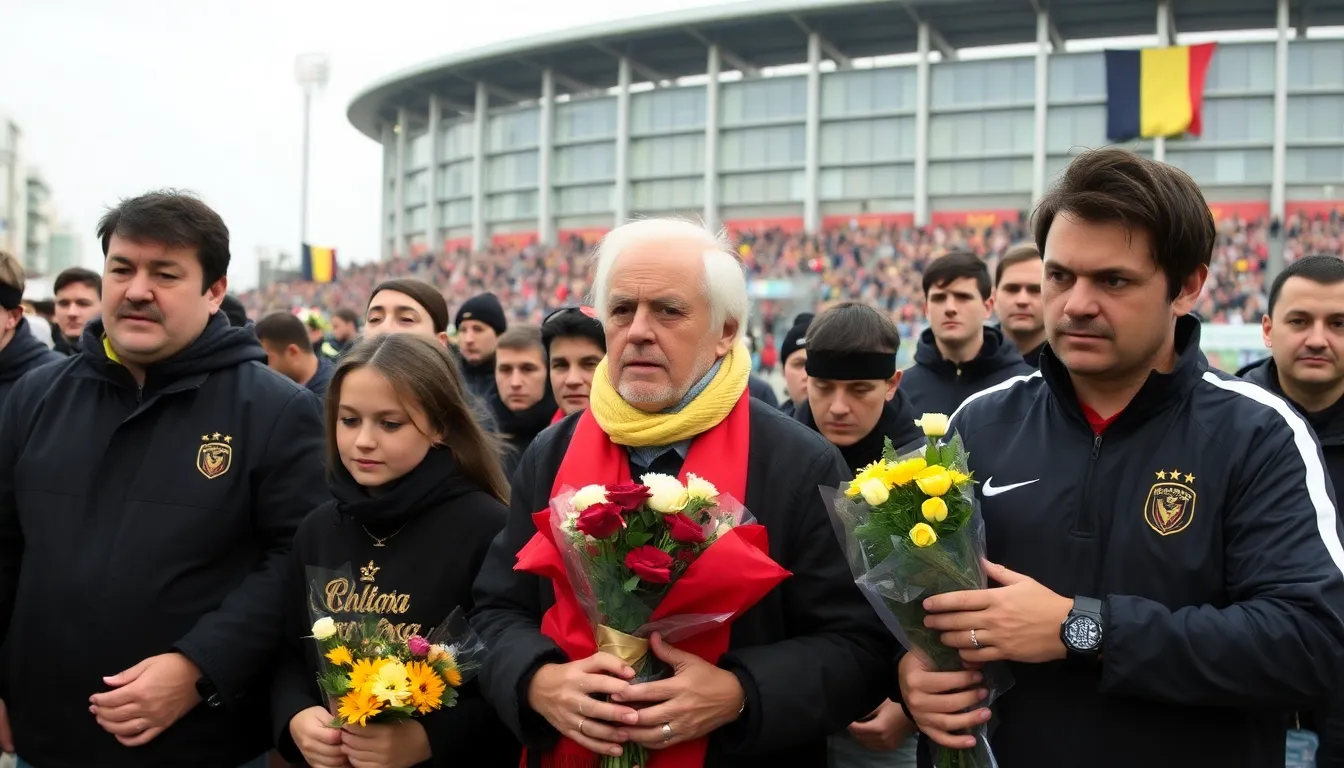
Frequently asked questions about Lucescu’s legacy
Looking ahead: The future of Romanian football after Lucescu
The passing of Mircea Lucescu, just days after his resignation as Romania’s national team coach, leaves a significant void in the landscape of Romanian football. His extensive experience and tactical acumen had been seen as crucial for the development of the national team, and his absence raises questions about the immediate future direction of the squad.
In the wake of his departure, the Romanian Football Federation must now consider how to rebuild and revitalize the team. This transition period presents both challenges and opportunities, as emerging talents may step into the spotlight while the federation reassesses its strategic approach to coaching and player development.
- The selection of the next national team coach will be critical in shaping the future identity of Romanian football.
- Emerging young players may have the opportunity to prove themselves on a larger stage as the team undergoes a transition.
- There may be a renewed focus on developing homegrown talent to ensure a sustainable future for the national team.
- Fans and stakeholders will be keenly observing how the federation navigates this period of change and what vision it puts forth.
- International friendlies and competitions will serve as important benchmarks for assessing the team’s progress and adapting strategies.