


The incident quickly sparked backlash on social media, with fans and commentators expressing their disappointment over what they perceived as a lack of sensitivity to safety concerns in motorsport, especially in light of recent incidents that have raised concerns about driver welfare. For a deeper look into how social media impacts public perception, check out this article on Angry fans disrupting a major event.
In response to the criticism, Norris took to his social media platforms to clarify his intentions, stating that his laughter was not directed at the serious topics being discussed. He emphasized his respect for the sport and the importance of safety, attempting to mitigate the negative perceptions arising from the incident, much like the challenges public figures face in other arenas as discussed in the article about TikTok star Tucker Genal.
This situation highlights the growing scrutiny athletes face in the age of social media, where moments can quickly escalate into significant controversies. The FIA Awards night, meant to celebrate achievements, has instead turned into a focal point for discussions about appropriate behavior and the responsibilities of public figures in sports.
Understanding the context of the FIA awards night and its significance
The FIA awards night is an annual event that celebrates the achievements of motorsport athletes across various disciplines under the Fédération Internationale de l’Automobile (FIA). This prestigious gathering not only honors drivers and teams but also serves as a platform for the FIA to highlight its role in promoting safety and innovation in motorsport. Over the years, the event has evolved into a key social occasion where the motorsport community comes together, making it a focal point for fans and media alike.
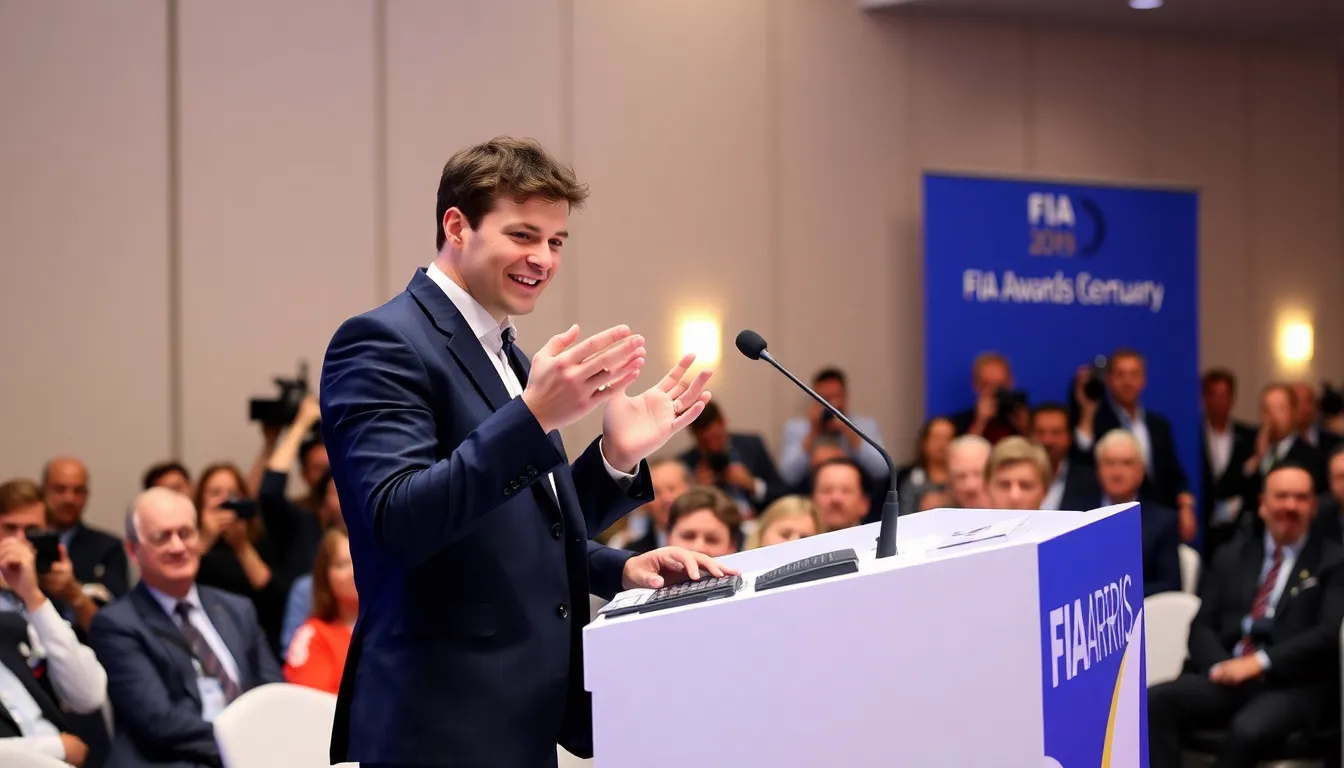
Historically, the awards night has seen its share of controversies and memorable moments. From unexpected wins to emotional speeches, the event often reflects the highs and lows of the racing season. However, it is also a stage where the sport’s governing body faces scrutiny over its decisions and policies. The recent backlash surrounding Lando Norris’s moment during the event underscores the delicate balance between celebration and criticism that often characterizes the FIA’s public engagements.
The Role of Social Media in Shaping Public Perception
In today’s digital age, social media plays a crucial role in shaping public perception of events like the FIA awards night. Moments that may have gone unnoticed in the past can quickly become viral, leading to widespread discussion and sometimes backlash. For a related perspective on fan reactions, consider how expectations are shaping public figures, as highlighted in the article about the absence of away fans pitchside for Newcastle and Sunderland.
Moreover, the economic implications of such events cannot be overlooked. The FIA awards night attracts significant sponsorship and media attention, which can influence the financial health of the sport. A backlash or controversy can affect not only the individuals involved but also the broader perception of the FIA and its sponsors. As the motorsport landscape continues to evolve, the intersection of tradition, public expectation, and social media dynamics will play a critical role in shaping future awards nights and the FIA’s approach to public relations.
Analyzing the reactions from fans and stakeholders regarding the incident
The recent incident involving Lando Norris at the FIA awards night has ignited a wave of reactions from various stakeholders, including fans, the FIA, and the Formula 1 community at large. Norris, known for his light-hearted demeanor, appeared to brush off the situation, which has led to mixed responses from his supporters and critics alike. Understanding the motivations and concerns of these groups is crucial in analyzing the broader implications of this event.
Fans of Norris, who often appreciate his authenticity and humor, have largely defended him, viewing his reaction as a testament to his character. However, there exists a faction within the fanbase that feels his response undermines the seriousness of the FIA’s regulations and the importance of the awards night. This division highlights the varying expectations fans have of public figures in high-stakes environments.
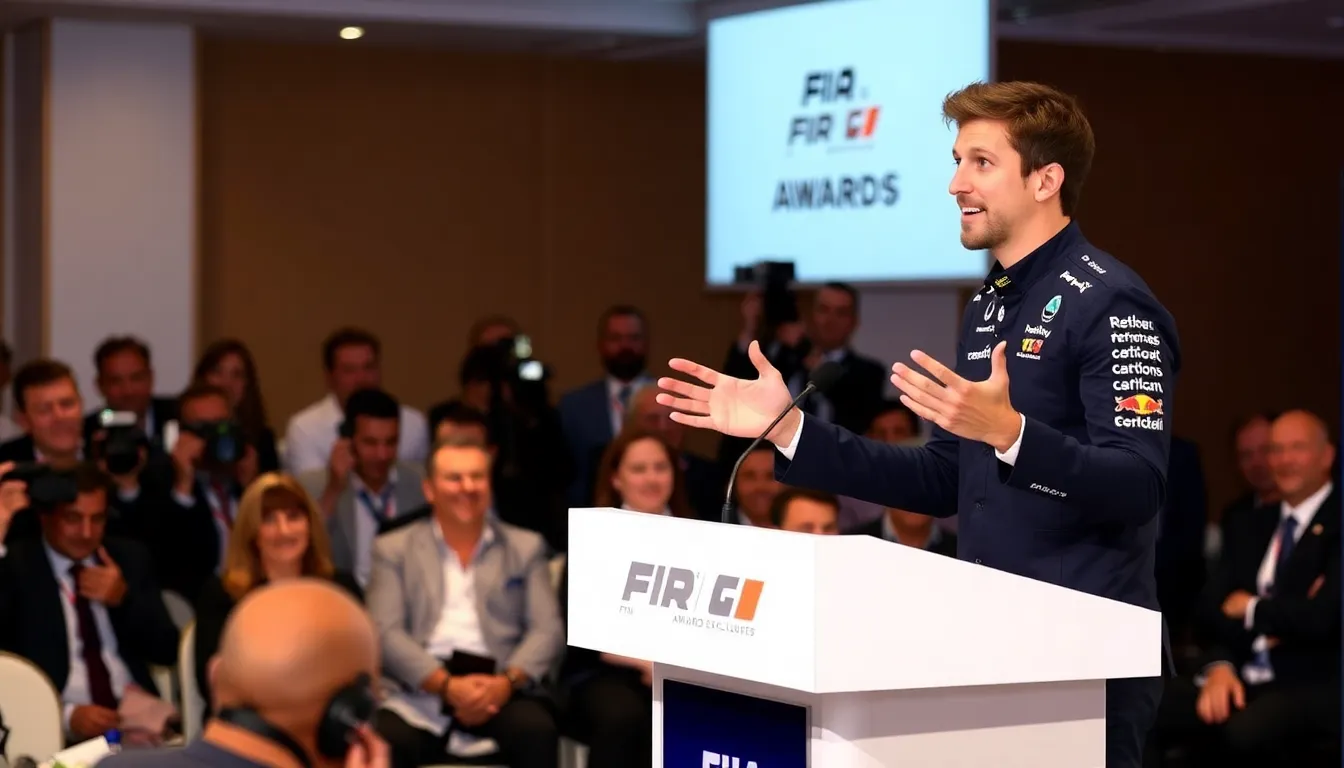
On the organizational side, the FIA faces scrutiny regarding its handling of the event and the broader implications of its regulatory authority. Key issues arise around how the FIA balances the entertainment aspect of motorsport with the enforcement of rules and standards. The backlash against Norris may also reflect a deeper concern about perceived inconsistencies in how drivers are treated under the FIA’s regulations.
- Public Perception: The incident raises questions about how public figures should behave during formal events, especially in a sport that demands professionalism.
- Regulatory Authority: Stakeholders are concerned about the FIA’s capacity to maintain its authority while also engaging with fans and drivers on a personal level.
- Media Influence: The role of social media in shaping public opinion and the potential for misinterpretation of events is a critical factor in the ongoing discussion.
- Driver Responsibility: The expectations placed on drivers to act as role models can conflict with their personal expressions and humor.
As the situation continues to evolve, it will be essential for all parties involved to navigate these complexities carefully. The interplay between fan expectations, regulatory oversight, and the personal branding of athletes like Lando Norris will undoubtedly shape the narrative surrounding this incident in the coming weeks.
The impact of social media backlash on Lando Norris and the FIA
The recent incident involving Lando Norris at the FIA awards night has sparked significant online backlash, affecting various groups and industries. Fans, motorsport enthusiasts, and the broader automotive community have taken to social media to express their opinions, highlighting the influence of public sentiment on the reputation of both the athlete and the governing body.
Short-term impacts include a potential decline in Norris’s public image, which could affect his sponsorship deals and fan engagement. Brands associated with him may reconsider their partnerships if the backlash intensifies, leading to a ripple effect in the marketing strategies of companies within the motorsport sector. Additionally, the FIA may face pressure to address the situation, which could lead to changes in their event management and public relations approaches.
In the mid-term, the incident could reshape how athletes and organizations navigate social media interactions. Increased scrutiny may prompt stricter guidelines for conduct at public events, impacting how personalities engage with their fans. On the other hand, this situation could present opportunities for both Norris and the FIA to demonstrate resilience and adaptability, potentially leading to a stronger connection with their audience if handled effectively.
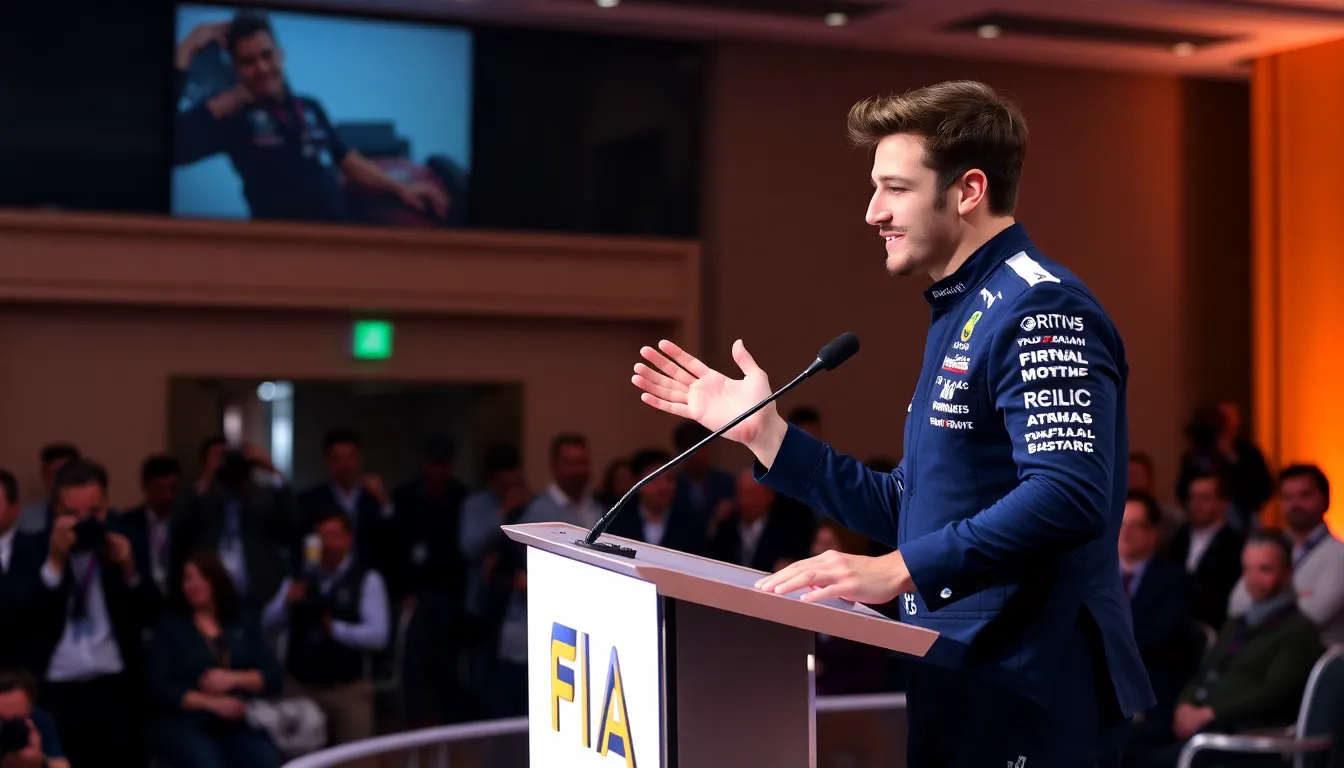
- Risks: Damage to brand reputation, loss of sponsorships, and increased scrutiny on public behavior.
- Opportunities: Enhanced engagement strategies, potential for positive PR campaigns, and a chance to redefine athlete-fan relationships.
Regions with a strong motorsport culture, such as Europe and parts of Asia, may feel the effects of this backlash more acutely, as local fan bases rally around their favorite drivers. The incident serves as a reminder of the power of social media in shaping narratives and influencing public perception in real time.
A: During the FIA awards night, Lando Norris had a moment that was perceived negatively by some fans, leading to a backlash on social media. A: Lando Norris laughed off the criticism, showing his ability to take the situation lightly and not let it affect him. A: The FIA awards night is an important event in motorsport, celebrating achievements and performances throughout the racing season. A: While the backlash may not have immediate consequences, it could influence public perception and media coverage of Norris in the future. A: Yes, there have been instances in motorsport where athletes faced criticism for their actions or comments during major events.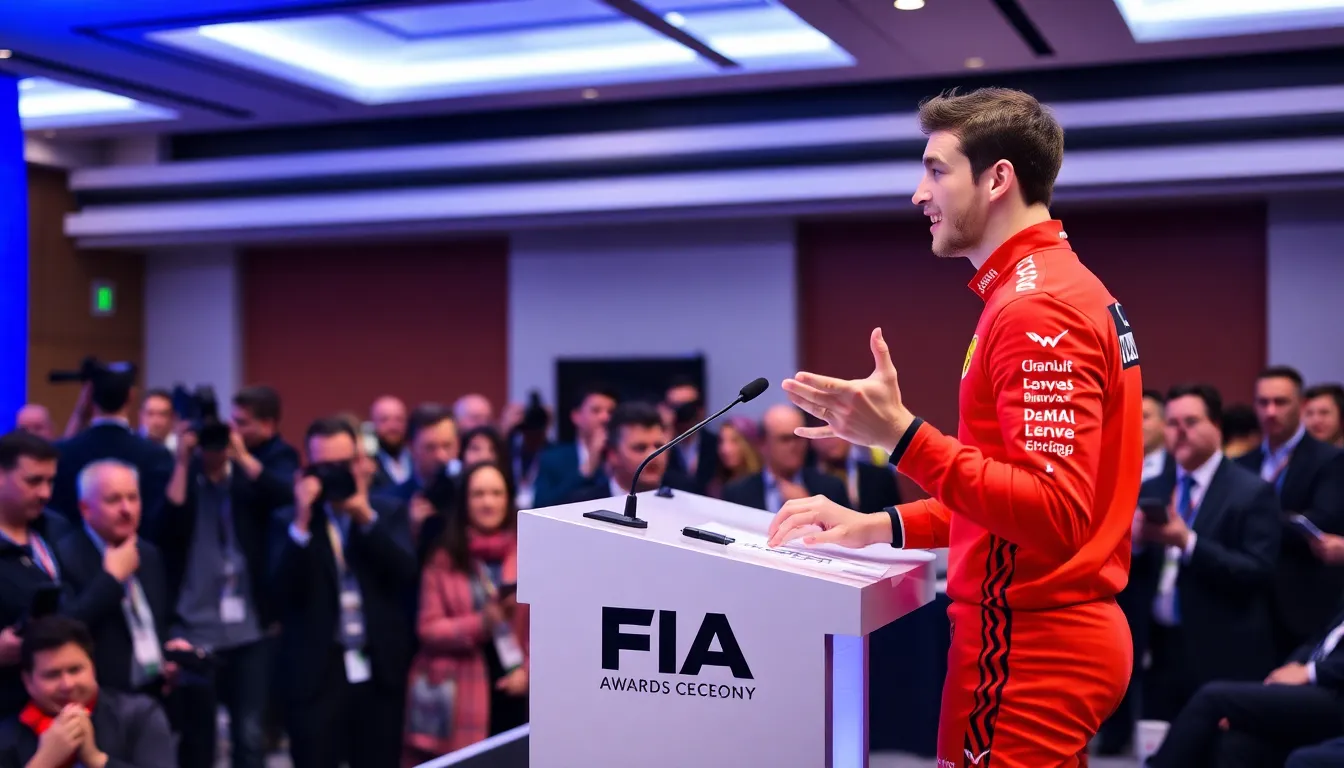
Frequently asked questions about the FIA awards night incident
Key takeaways and future implications of the incident
The recent incident involving Lando Norris at the FIA awards night has highlighted the ongoing tension between motorsport’s traditional values and the expectations of a modern audience. Norris’s light-hearted response to the backlash suggests a desire to maintain a sense of humor in the face of criticism, yet it also raises questions about the accountability of public figures in the sport. As fans and commentators continue to discuss the implications of this moment, it is clear that the intersection of social media and motorsport is becoming increasingly complex.
Moving forward, the reactions to this incident may serve as a litmus test for how drivers and teams engage with their fan base and the media. The balance between authenticity and public perception will be crucial for maintaining a positive image in an era where every action is scrutinized online.
- The importance of social media engagement will continue to grow, as public figures navigate their roles in a digital landscape.
- Teams may need to develop strategies for managing public relations in response to online backlash.
- Future incidents could prompt discussions about the responsibilities of athletes in representing their sport and its values.
- Humor can be a double-edged sword; while it can diffuse tension, it may also be misinterpreted by audiences.
- This incident may influence how awards and recognition events are structured to align with contemporary audience expectations.