


The ceasefire deal was brokered amid ongoing negotiations involving various local and international stakeholders, including Russia and the United States. The agreement is aimed at preventing further clashes between Kurdish forces and Syrian government troops, which have been frequent in recent months. The Kurdish forces, primarily linked to the Syrian Democratic Forces (SDF), have been pivotal in the fight against ISIS but have faced increasing pressure from both the Syrian regime and Turkey.
This transition comes at a time when the humanitarian situation in Aleppo remains dire, with many civilians caught in the crossfire of ongoing military operations. The exit of the Kurdish forces could lead to a power vacuum in certain areas, raising concerns about potential escalations in violence or the resurgence of extremist groups. Observers are closely monitoring how this shift will affect the local population and the overall stability of northern Syria.
The implications of this ceasefire extend beyond Aleppo, as it may influence Kurdish autonomy aspirations and their relations with neighboring countries, particularly Turkey, which views Kurdish militias as a terrorist threat. As the situation evolves, the international community is urged to pay attention to the developments in this strategically important region, where the balance of power continues to shift amidst ongoing geopolitical tensions.
Understanding the background of the ceasefire deal
The recent withdrawal of the last Kurdish forces from Aleppo marks a significant moment in the ongoing conflict in Syria, a nation that has been embroiled in civil war since 2011. The Kurdish forces, primarily represented by the Syrian Democratic Forces (SDF), have played a crucial role in battling ISIS and have been a key ally of the United States in the region.
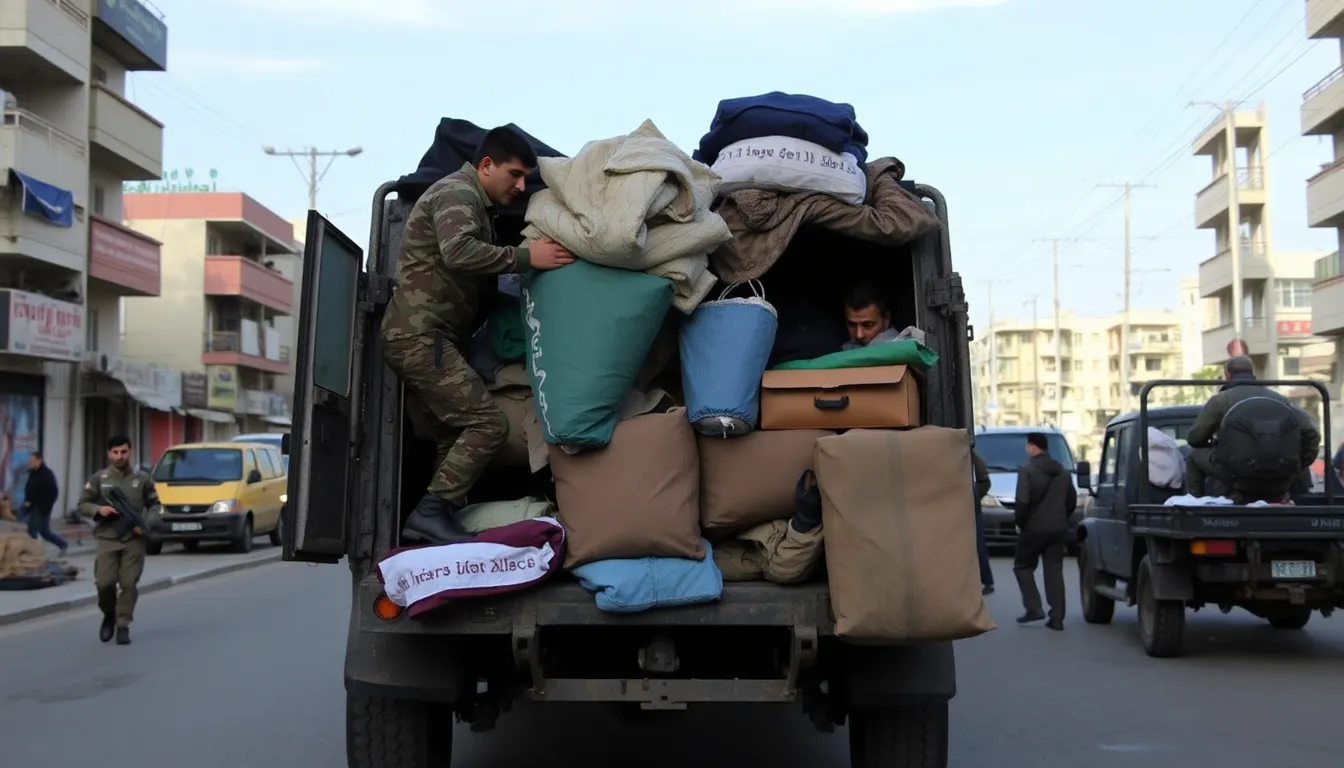
The ceasefire deal that facilitated this withdrawal is rooted in a complex web of alliances and enmities that have characterized the Syrian conflict. Over the years, the dynamics have shifted as different factions have gained and lost power. The Kurdish forces initially expanded their control over northern Syria amid the chaos of the civil war, establishing a semi-autonomous region known as Rojava. This development alarmed Turkey, prompting military incursions and diplomatic efforts to counter Kurdish influence along its border.
Key milestones in this saga include the U.S. support for the SDF during the fight against ISIS, which helped the Kurds to consolidate power in northern Syria. However, the U.S. withdrawal from northern Syria in 2019 and the subsequent Turkish military operations significantly altered the landscape, leading to a precarious situation for the Kurdish forces. The shifting international support and the changing political landscape within Syria have forced the Kurdish leadership to reconsider their position in Aleppo, ultimately leading to the recent ceasefire agreement.
The Impact of Regional Politics
The regional politics surrounding the Kurdish issue have also played a crucial role in the unfolding events. Iran and Russia, both key players in the Syrian conflict, have historically supported the Assad regime, while the U.S. has had a more complicated relationship with Kurdish forces.
Analyzing the key stakeholders and issues involved
The recent ceasefire deal that led to the withdrawal of the last Kurdish forces from Aleppo has significant implications for various stakeholders involved in the Syrian conflict. The main actors include the Kurdish forces, the Syrian government, the Turkish government, and international entities such as the United States and Russia. Each of these stakeholders has distinct interests that shape their actions and responses to the evolving situation.
The Kurdish forces, primarily represented by the Syrian Democratic Forces (SDF), have aimed to establish autonomy and protect their territories from both the Syrian government and Turkish incursions. Their withdrawal from Aleppo signals a shift in their strategy, potentially indicating a willingness to compromise in exchange for security guarantees. However, this raises concerns about the future of Kurdish autonomy and the safety of Kurdish populations in the region.
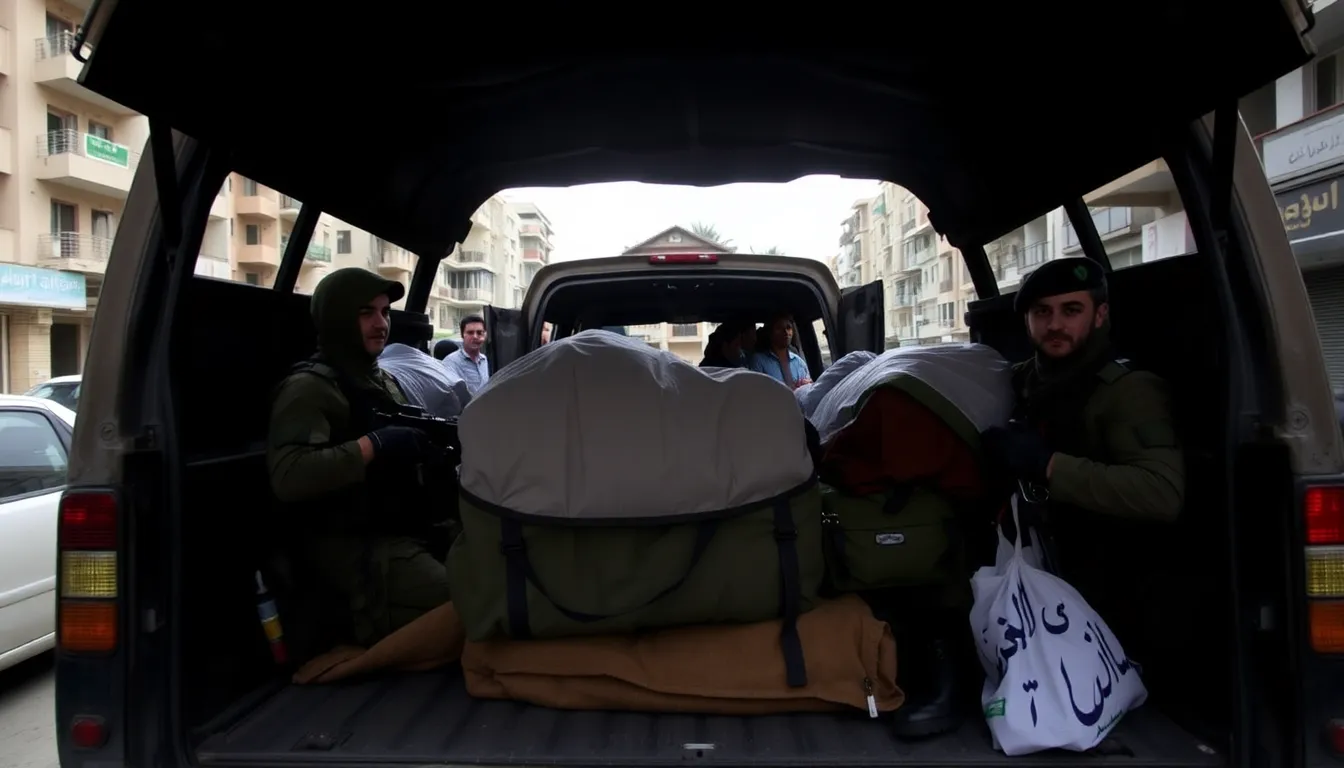
The Syrian government, led by President Bashar al-Assad, seeks to reassert control over all territories lost during the civil war, including those held by Kurdish forces. The ceasefire deal represents a tactical victory for the Assad regime, as it allows for the consolidation of power and the potential for increased territorial integrity. However, the government must navigate the delicate balance of managing relations with both Kurdish groups and external actors like Turkey.
Turkey’s interests are primarily focused on preventing the establishment of a Kurdish autonomous region along its border, which it views as a threat due to its own Kurdish insurgency issues. The Turkish government has been actively involved in military operations against Kurdish forces and views the ceasefire as an opportunity to strengthen its influence in northern Syria. This creates a complex dynamic where Turkish interests may conflict with those of the Kurdish forces and the Syrian government.
- Power Dynamics: The shifting power dynamics in Aleppo may lead to increased tensions among local factions.
- Humanitarian Concerns: The withdrawal raises questions about the humanitarian situation for civilians remaining in the area.
- International Relations: The involvement of global powers like the U.S. and Russia complicates the ceasefire, as their interests may not align.
- Economic Implications: Control over resources in the region, including oil fields, remains a contentious issue that affects all stakeholders.
- Legal Status: The legitimacy of territorial claims and the legal status of the ceasefire agreement pose ongoing challenges.
The impact of the Kurdish withdrawal on local communities
The recent withdrawal of Kurdish forces from Aleppo following a ceasefire agreement has significant implications for various groups and industries in the region. Local communities, businesses, and political entities will experience immediate and long-term effects as the dynamics of power and security shift.
One of the most affected groups will be the Kurdish population itself, who may face increased vulnerability in the absence of their protective forces. Additionally, other ethnic and religious minorities in Aleppo could experience heightened tensions as the balance of power changes, leading to potential conflicts. The local economy, heavily reliant on stability, may suffer as businesses grapple with uncertainty.
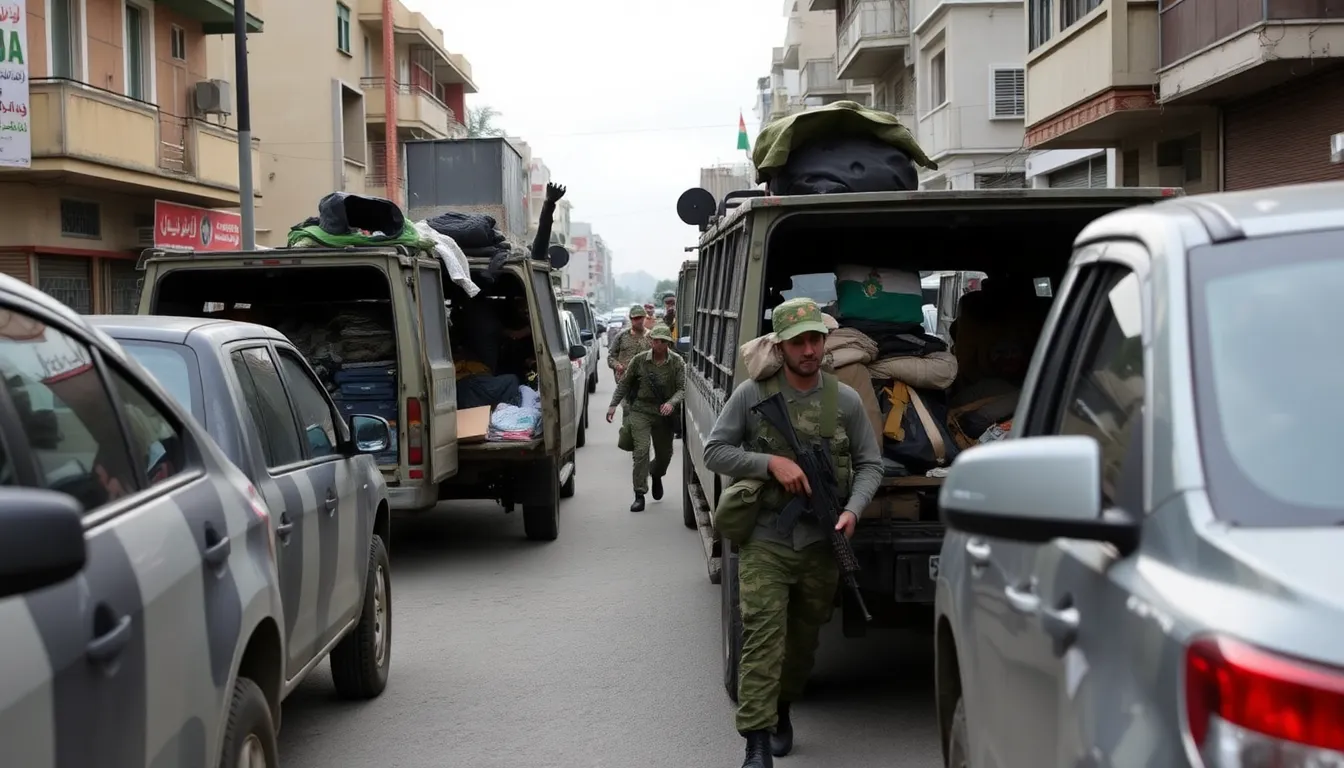
In the short term, daily life for residents may be disrupted as security concerns rise, leading to a decrease in commerce and an increase in the cost of living. The withdrawal could also impact humanitarian efforts, as organizations may find it challenging to operate in a less secure environment. As a result, essential services could be jeopardized, affecting access to healthcare and education.
- Increased security risks for local populations.
- Potential decline in local business activity.
- Challenges for humanitarian organizations.
- Heightened ethnic tensions and conflicts.
In the mid-term, the shift in power dynamics may create opportunities for new political alliances and economic partnerships. Local businesses could pivot to adapt to the changing landscape, seeking new markets or services that cater to emerging needs. However, this transition will require careful navigation to avoid exacerbating existing tensions and ensuring that all communities are represented in the new order.
A: The ceasefire deal was reached after prolonged negotiations between various parties, aiming to reduce violence and stabilize the region. A: The withdrawal of Kurdish forces may lead to a power vacuum, potentially escalating tensions among other factions in the area. A: Local communities may face uncertainty regarding their safety and governance, as the dynamics shift with the departure of Kurdish forces. A: While the ceasefire aims to maintain peace, the potential for renewed conflict remains if underlying issues are not addressed. A: International actors are closely monitoring the situation and may influence future negotiations and peacekeeping efforts.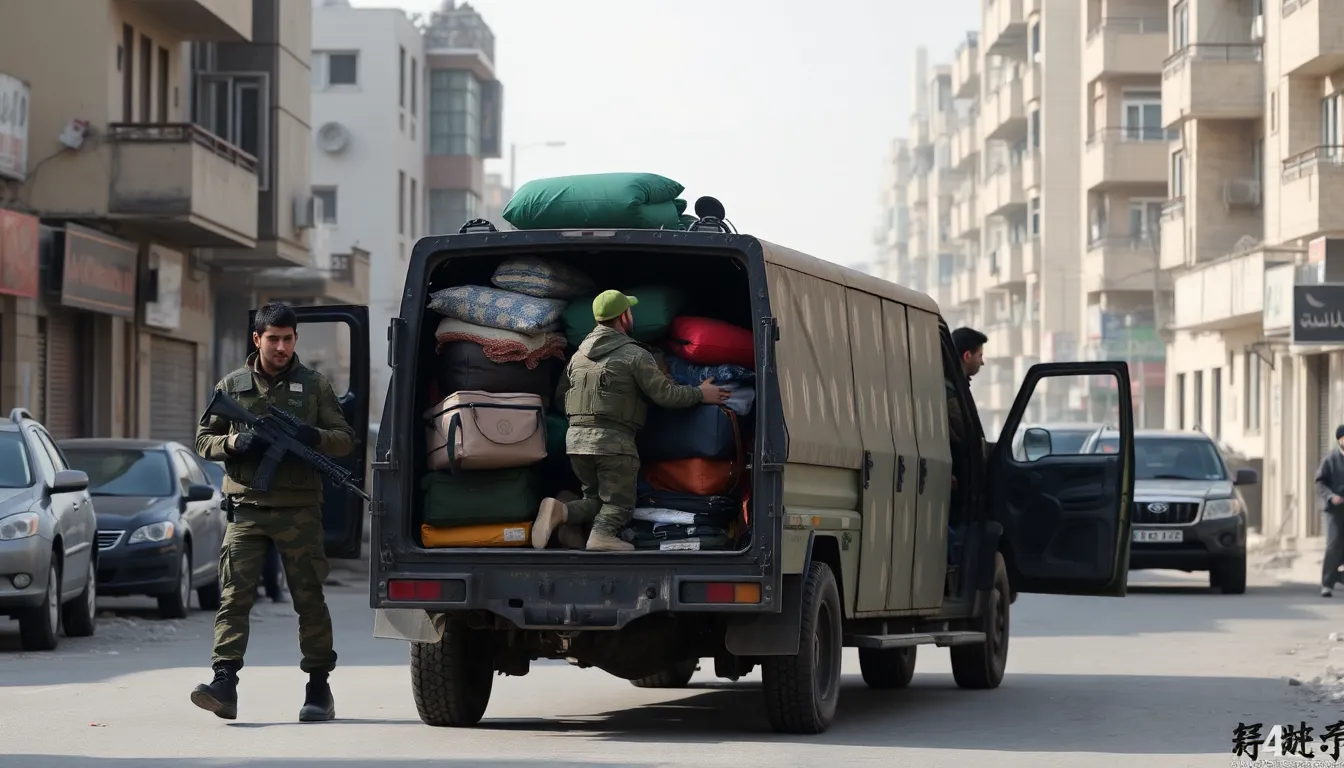
Frequently asked questions about the ceasefire and withdrawal
Key takeaways and future outlook on the situation
The departure of the last Kurdish forces from Aleppo marks a significant shift in the region’s power dynamics, following the recent ceasefire agreement. This development not only reflects the complexities of the ongoing Syrian conflict but also highlights the fragile nature of alliances and ceasefires in war-torn areas. As the situation evolves, it is crucial to monitor how this change will affect local governance, security, and the broader geopolitical landscape.
In the coming weeks, the implications of this ceasefire deal will become clearer, particularly concerning the stability of the region and the response from various stakeholders, including the Syrian government and international actors. Observers should remain vigilant about potential shifts in territorial control and the humanitarian situation for civilians caught in the crossfire.
- The ceasefire could lead to a temporary reduction in violence, but the underlying tensions may resurface if not addressed adequately.
- The departure of Kurdish forces may create a power vacuum, prompting other groups to vie for control over Aleppo and surrounding areas.
- International reactions, particularly from the U.S. and Russia, will be pivotal in shaping the future of the region and may influence further negotiations.
- The humanitarian situation for civilians remains a pressing concern, necessitating increased attention from aid organizations.
- Monitoring the local governance structures that emerge post-ceasefire will be essential for understanding the long-term implications for stability in Aleppo.