


The Venezuelan government, led by President Nicolás Maduro, has faced increasing pressure from both domestic opposition and international actors. In recent months, the Biden administration has signaled a potential shift in its approach to Venezuela, hinting at the possibility of easing sanctions if there are credible steps toward democratic reforms. This change has sparked speculation about the future of U.S.-Venezuela relations and the role of oil in these negotiations.
Trump’s renewed focus on Venezuela’s oil is also tied to his broader strategy of energy independence for the United States, as outlined in Understanding Venezuela’s Oil Industry Amid Trump’s U.S. Intervention Plans. By advocating for the acquisition of Venezuelan oil, he aims to position the U.S. as a dominant player in global energy markets, while potentially undermining OPEC’s influence.
In the context of these developments, the fate of Venezuela’s oil resources remains uncertain. The country currently produces a fraction of its peak output due to years of underinvestment and sanctions, leading to a significant decline in oil revenue. As the global energy market evolves, the strategies employed by both U.S. and Venezuelan leaders will be critical in determining the future of this vital resource and its impact on regional stability.
Historical background of U.S.-Venezuela relations
The relationship between the United States and Venezuela has been complex and often contentious, shaped by a variety of political, economic, and social factors over the decades. Historically, Venezuela has been one of the largest oil producers in the world, and its vast reserves have attracted significant interest from the U.S., particularly during the 20th century when oil was a key driver of global economies. The discovery of oil in Venezuela in the early 20th century transformed the nation into a major player in the global energy market and fostered close ties with the U.S., which relied heavily on Venezuelan oil to fuel its own economy.
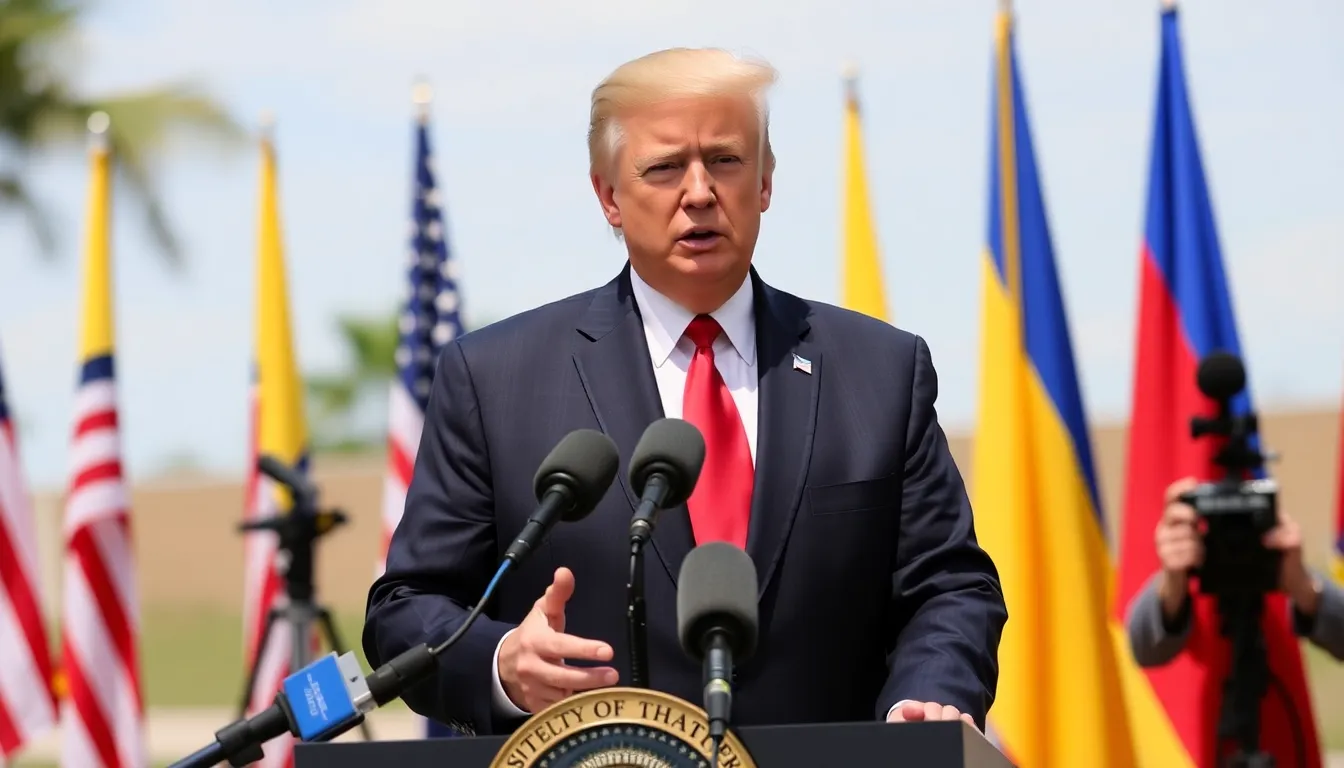
However, the relationship began to sour in the late 20th century, particularly during the presidency of Hugo Chávez, who came to power in 1999. Chávez’s socialist policies and his vocal criticism of U.S. foreign policy led to increased tensions between the two nations, which have been analyzed thoroughly in Vance Justifies Capture as Bringing Maduro to Justice.
In recent years, the situation in Venezuela has deteriorated significantly, with a humanitarian crisis unfolding due to economic mismanagement, falling oil prices, and political instability. The U.S. has responded by recognizing opposition leader Juan Guaidó as the legitimate president of Venezuela in 2019, a move that escalated tensions further. Sanctions targeting the Venezuelan oil sector have been a key component of U.S. strategy, aimed at crippling the Maduro regime’s primary source of revenue.
Key milestones in U.S.-Venezuela relations
Several key milestones have defined U.S.-Venezuela relations over the years. The nationalization of the oil industry in the 1970s marked a significant turning point, as the Venezuelan government sought to regain control over its resources. The failed coup attempt against Chávez in 2002 further strained relations, leading to increased U.S. scrutiny and allegations of interference. More recently, the U.S. has imposed a series of sanctions against Venezuelan officials and the oil industry, particularly following the controversial 2018 elections that were widely condemned as fraudulent.
As the U.S. continues to navigate its foreign policy in Latin America, the question of Venezuela’s oil becomes increasingly critical. Trump’s administration has expressed interest in leveraging Venezuela’s oil reserves to counteract the influence of rival nations and to support the opposition in its bid to reclaim power. The effectiveness of such a plan remains uncertain, given the complexities of international relations and the internal dynamics within Venezuela itself.
Key stakeholders and issues surrounding oil control
The geopolitical landscape surrounding Venezuela’s oil reserves is complex, with multiple stakeholders involved, each with their own interests. The primary actors include the Venezuelan government, led by President Nicolás Maduro, the United States government under former President Donald Trump, and various international oil companies. Additionally, regional players such as neighboring countries and global powers like China and Russia also have stakes in the outcome of Venezuela’s oil policies.
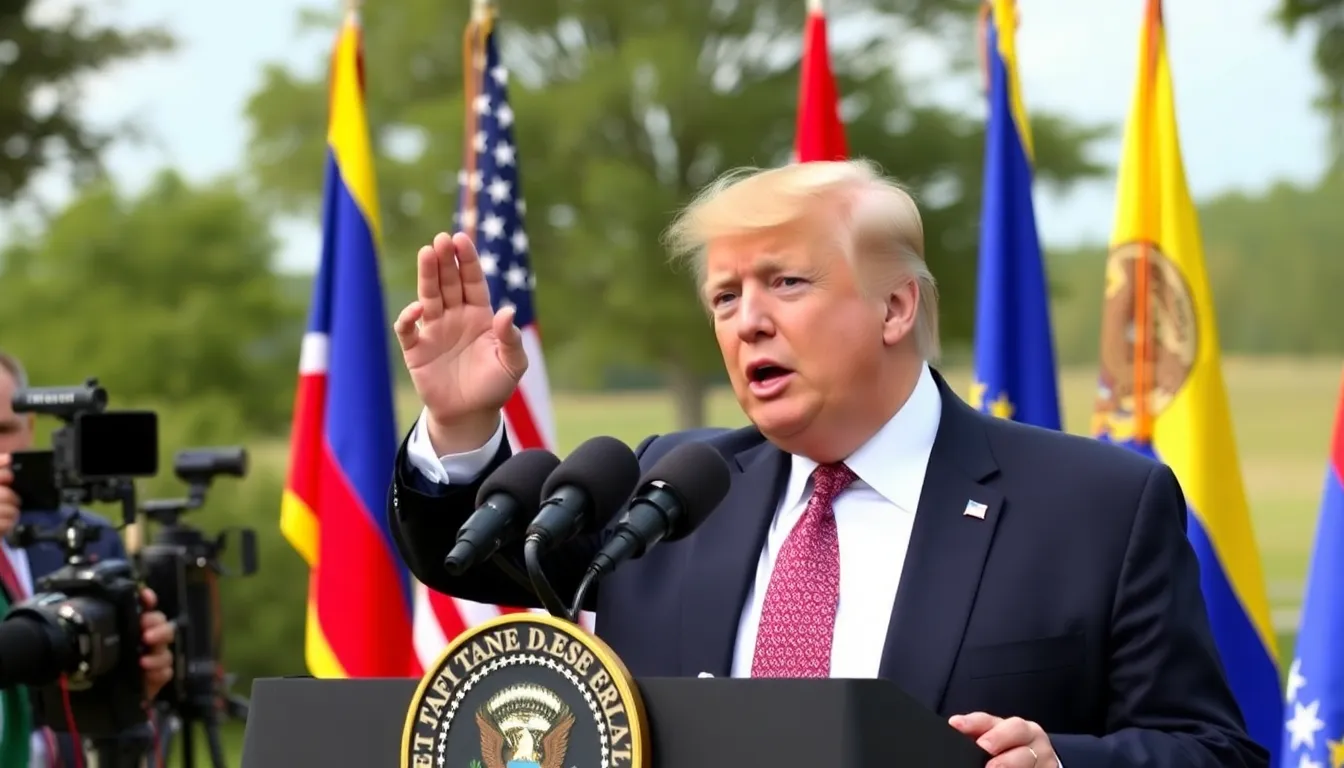
The Venezuelan government, facing economic collapse and international sanctions, sees its vast oil reserves as a critical asset for economic recovery and political survival, a situation that underscores the complex dynamics discussed in Understanding Venezuela’s Oil Industry Amid Trump’s U.S. Intervention Plans.
International oil companies are also key players, as they seek to capitalize on Venezuela’s oil wealth. However, their involvement is complicated by U.S. sanctions and the political instability within the country. Many companies are hesitant to invest in Venezuela due to the risks associated with operating in a nation where the rule of law is uncertain and where government policies can change rapidly.
- Conflicts of interest: The U.S. and Venezuelan governments have fundamentally opposing views on oil control, leading to heightened tensions.
- Legal issues: Sanctions imposed by the U.S. complicate international engagement with Venezuelan oil, creating a legal gray area for foreign companies.
- Economic trade-offs: The potential benefits of accessing Venezuela’s oil must be weighed against the risks of exacerbating the humanitarian crisis in the country.
- Regional implications: Neighboring countries may be affected by shifts in Venezuela’s oil policies, influencing migration patterns and regional stability.
- Global power dynamics: The involvement of countries like China and Russia adds another layer of complexity, as they support Maduro’s regime and challenge U.S. influence in the region.
As these stakeholders navigate the intricate web of interests and conflicts, the future of Venezuela’s oil remains uncertain. The interplay between domestic governance, international relations, and economic realities will shape the outcomes of any plans aimed at controlling this valuable resource.
Potential impacts on global oil markets and Venezuela’s economy
The push by former President Trump to gain access to Venezuela’s oil reserves could have significant repercussions for various groups, industries, and regions. Primarily, the Venezuelan government and its citizens stand to be directly affected, as the country’s economy is heavily reliant on oil exports. Additionally, global oil markets and countries that import Venezuelan oil, such as China and the United States, will feel the effects of any changes in policy or access.
In the short term, a renewed focus on Venezuela’s oil could lead to fluctuations in global oil prices. If sanctions are lifted or eased, it may result in an influx of Venezuelan oil into the market, potentially lowering prices for consumers. However, this could also destabilize existing oil-producing nations that rely on higher prices to support their economies.
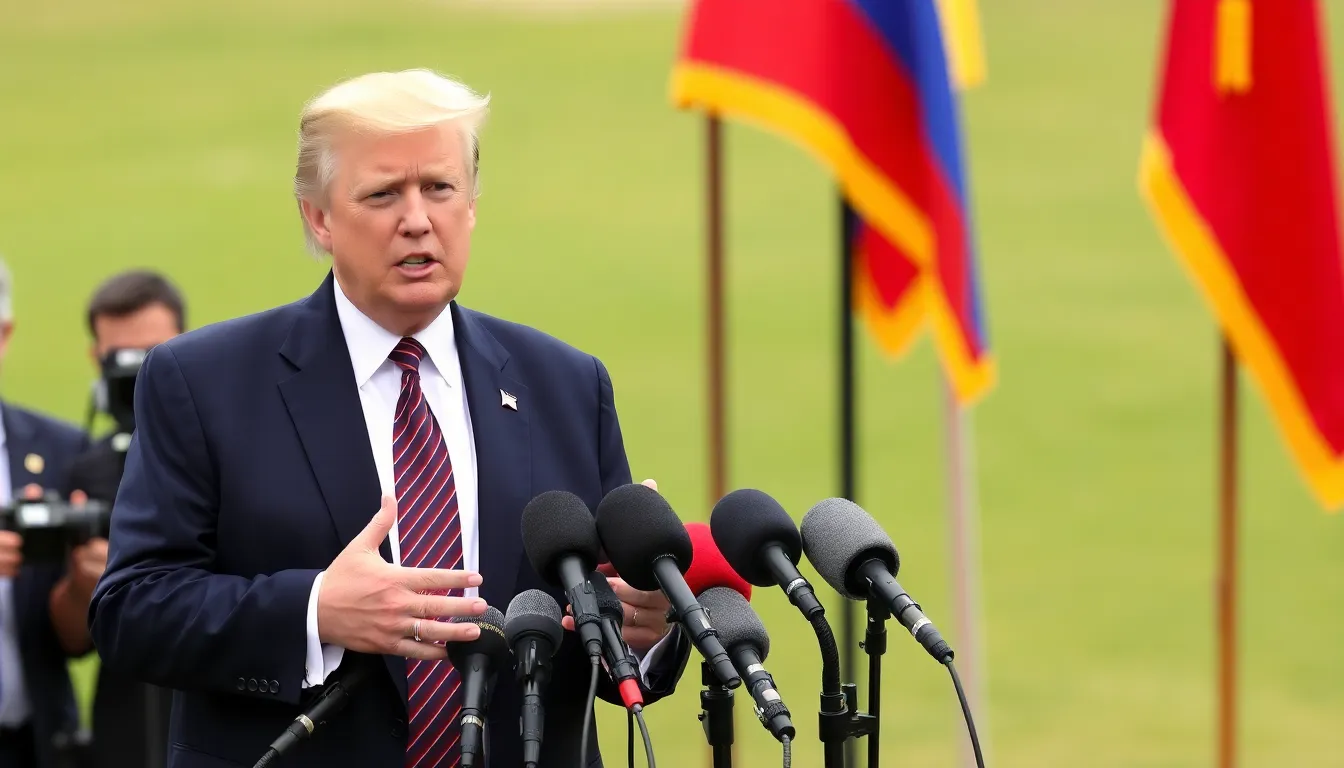
In the mid-term, the impact on daily life in Venezuela could be profound. Improved access to oil revenue may allow the Venezuelan government to invest in essential services, thereby improving living conditions for its citizens. On the flip side, if the U.S. plan leads to increased foreign intervention, it could exacerbate internal conflicts and lead to further economic instability.
- Short-term: Possible fluctuation in global oil prices.
- Mid-term: Potential for improved living conditions in Venezuela.
- Risks: Increased internal conflict and instability.
- Opportunities: Potential investment in infrastructure and services.
Furthermore, U.S. oil companies may see new opportunities for investment and exploration in Venezuela, which could create jobs and boost the economy in the regions involved. However, this also carries risks of backlash from local populations and environmental concerns that could arise from increased drilling activities.
A: Trump’s plans involve potential sanctions relief and support for opposition forces to regain control over oil production, aiming to boost U.S. energy security. A: If successful, Trump’s plan could lead to economic recovery in Venezuela, but it may also exacerbate existing humanitarian issues if not managed carefully. A: Risks include escalating tensions with other nations, potential military conflict, and backlash from Venezuelan citizens against foreign interference. A: Changes in Venezuela’s oil production could significantly influence global oil prices, especially if U.S. sanctions are lifted and production increases. A: Countries like Russia and China have expressed strong opposition to U.S. intervention, viewing it as a threat to their interests in Venezuela.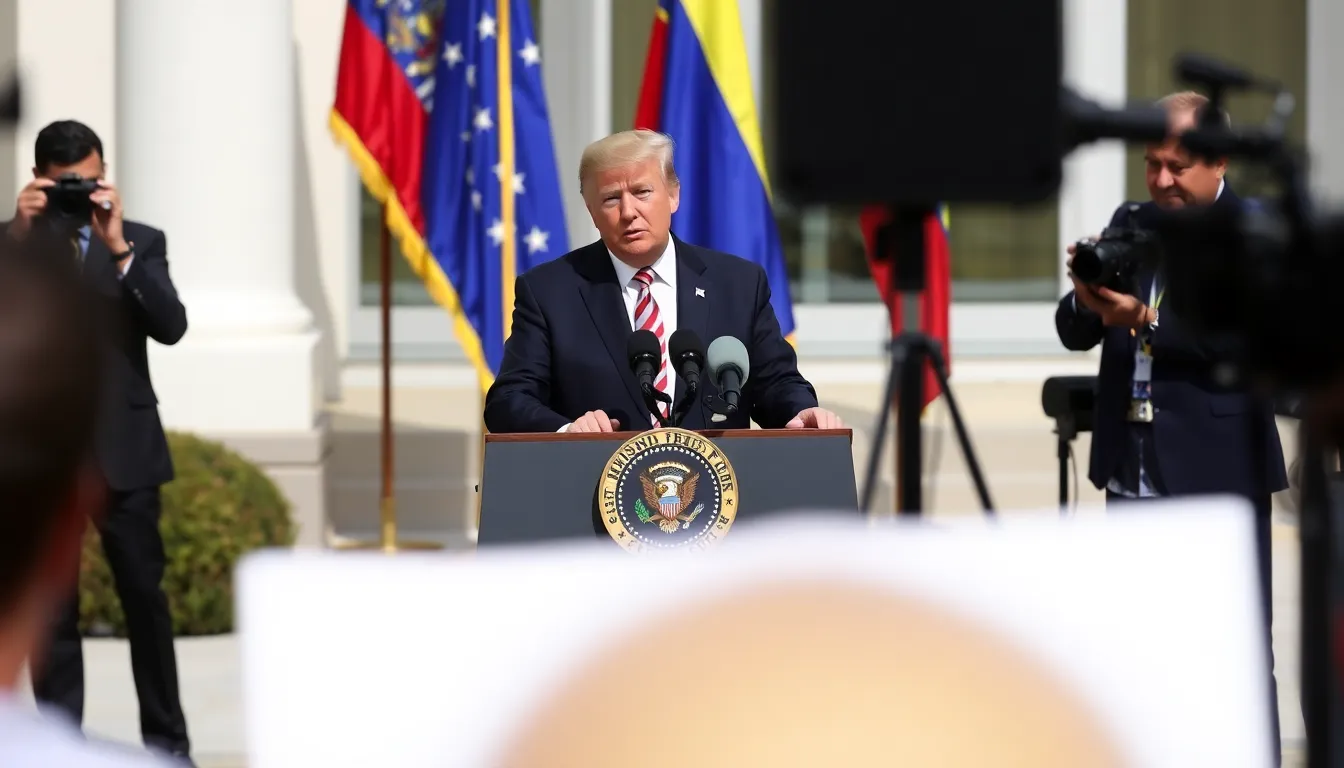
Frequently asked questions about Trump’s oil plans
Outlook on the future of U.S. involvement in Venezuela’s oil industry
The ongoing interest of the Trump administration in Venezuela’s oil resources highlights the geopolitical significance of the region. As the U.S. navigates its foreign policy objectives, the potential for increased involvement in Venezuela’s oil sector raises questions about the effectiveness and sustainability of such strategies. The complex interplay of economic sanctions, local political dynamics, and international relations will determine the success of any plans to leverage Venezuela’s vast oil reserves.
Monitoring the evolving situation will be crucial, as various factors could influence the outcome. The response of the Venezuelan government, the reaction of other global powers, and the resilience of the Venezuelan economy are all variables that could shape the future of U.S. engagement in this critical industry.
- Geopolitical Tensions: Increased U.S. involvement may escalate tensions with countries like Russia and China, who have vested interests in Venezuela.
- Domestic Implications: The success of any oil strategy will depend on how it resonates with U.S. domestic politics and public opinion regarding foreign intervention.
- Economic Viability: The state of Venezuela’s oil infrastructure and the ability to attract foreign investment will play a pivotal role in the feasibility of U.S. plans.
- Humanitarian Considerations: The impact of sanctions and intervention on the Venezuelan populace will remain a critical factor in evaluating U.S. actions.
- Market Reactions: Global oil markets will respond to shifts in U.S. policy, affecting oil prices and energy security worldwide.