


This gathering not only highlights Block’s contributions to automotive sports but also serves as a tribute to his untimely passing in January 2023. His unique approach to driving and car culture has inspired countless fans and aspiring drivers, making this event a poignant reminder of his impact on the industry.
The event featured discussions and presentations that delved into the engineering and design of these iconic vehicles, emphasizing the creativity and technical prowess that defined Block’s career. For more insights on notable influencers in the motorsport community, check out Clare Balding honors her extraordinary father.
The exhibition of these cars in one location offers a rare glimpse into the evolution of motorsport vehicles over the past decade. It also underscores the growing interest in preserving automotive history, as fans and collectors alike recognize the importance of these machines in shaping the future of motorsport.
As the motorsport community reflects on Ken Block’s legacy, this gathering serves as a celebration of passion, innovation, and the spirit of competition that he embodied. The event not only honors his achievements but also inspires the next generation of motorsport enthusiasts to continue pushing the boundaries of what is possible in automotive performance.
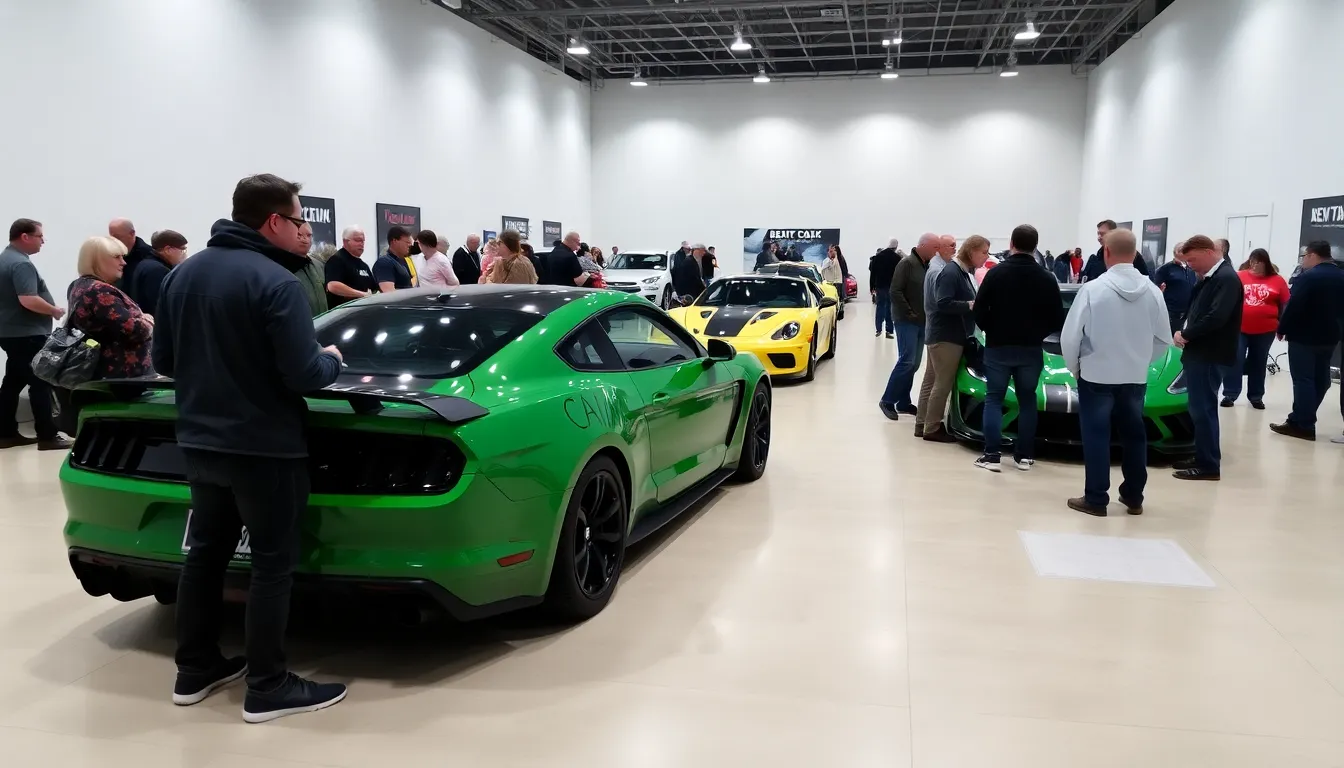
Understanding the legacy of Ken Block in the world of motorsport
Ken Block, an icon in the world of motorsport, has left an indelible mark through his innovative driving style and the creation of a unique automotive culture. His journey began in the early 2000s when he transitioned from skateboarding to rally racing, quickly gaining recognition for his skills behind the wheel. Block’s passion for motorsport was not just about speed; it was about creativity and pushing the boundaries of what was possible in automotive performance.
His Gymkhana series, featuring intricate driving maneuvers and stunning cinematography, captivated millions and brought motorsport to a broader audience. This shift not only elevated Block’s status but also influenced a new generation of drivers and fans, who began to see motorsport as a form of entertainment rather than just a competitive sport. For more on how the digital landscape influences entertainment, read about Live Nation and Ticketmaster’s response to the FTC lawsuit.
The impact of economic factors on motorsport
The economic landscape of motorsport has also played a significant role in Block’s legacy. As sponsorships and partnerships became increasingly vital for drivers and teams, Block’s ability to market himself and his brand set a precedent. His collaboration with various companies, from automotive manufacturers to lifestyle brands, demonstrated how drivers could leverage their personal brands to secure financial backing, thus redefining how motorsport operates in the 21st century.
Moreover, Block’s influence extends beyond racing; it has sparked conversations about the future of motorsport in an era where environmental concerns are paramount. His commitment to performance and innovation has inspired discussions around sustainable practices within the industry, encouraging manufacturers and teams to explore greener technologies while maintaining the thrill of competition.
As we gather the cars that defined Ken Block’s era of motorsport, we not only celebrate his achievements but also reflect on the broader cultural and economic shifts that have shaped the sport. The convergence of his unique style, the rise of digital media, and the evolving economic landscape has created a legacy that will undoubtedly inspire future generations of motorsport enthusiasts.
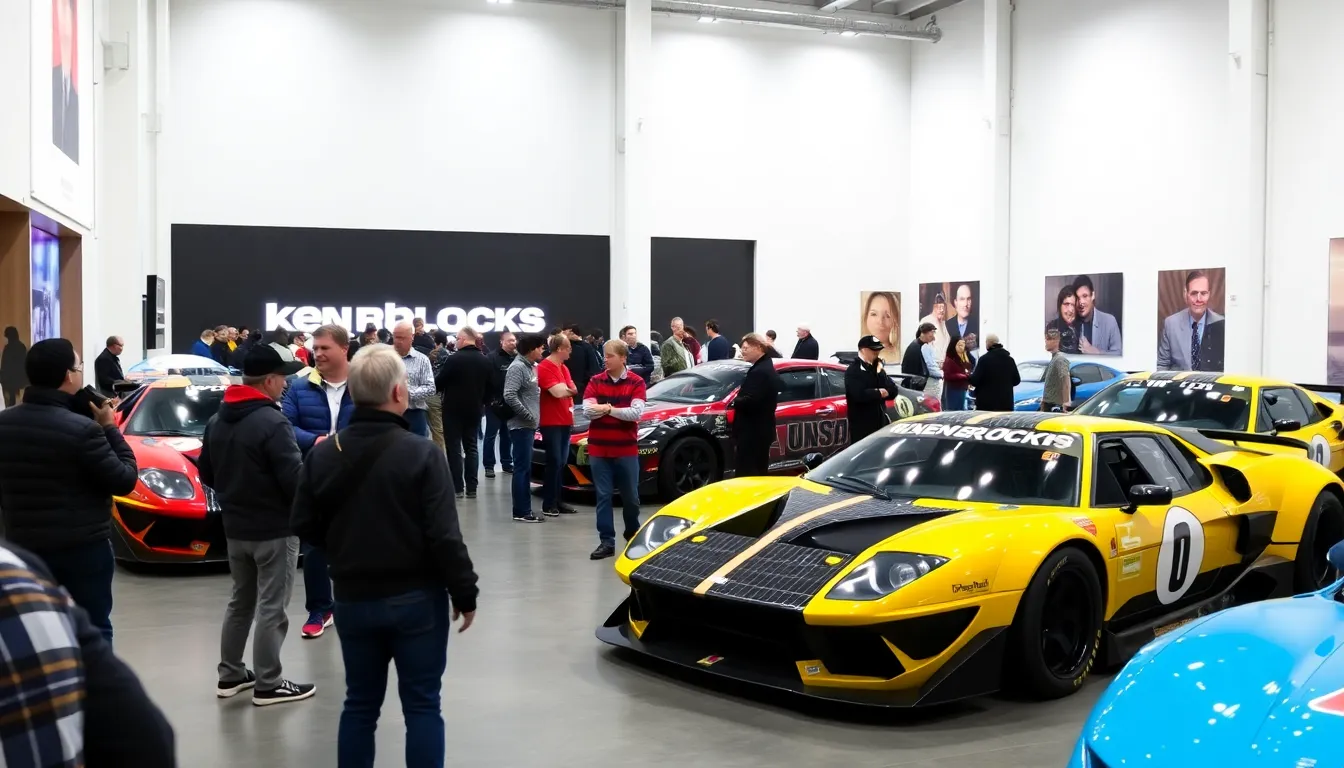
Exploring the impact of Ken Block’s vehicles on racing culture and enthusiasts
Ken Block, a prominent figure in motorsport, has significantly influenced automotive culture through his unique vehicles and driving style. His cars, characterized by their innovative designs and performance capabilities, have attracted a diverse group of stakeholders, including fans, manufacturers, and motorsport organizations. Each of these actors has distinct interests that shape the narrative surrounding Block’s legacy.
This relationship raises questions about authenticity in motorsport marketing and the commercialization of car culture, themes that resonate across various fields, including those discussed in ‘Who has made Troy’s Premier League team of the week’.
Moreover, motorsport organizations and governing bodies are also key players in this landscape. They must navigate the balance between promoting innovation and ensuring safety regulations are upheld. The rise of Block’s vehicles has prompted discussions about the evolution of racing standards and the potential need for new regulations to accommodate emerging technologies.
- Fan Engagement: Enthusiasts are drawn to Block’s vehicles for their unique designs and performance, creating a vibrant community.
- Commercial Interests: Manufacturers leverage Block’s influence to enhance brand visibility and appeal to younger audiences.
- Regulatory Challenges: Motorsport organizations face the task of updating regulations to keep pace with technological advancements in racing.
- Art vs. Sport: The blending of artistic expression with competitive racing raises questions about the nature of motorsport.
In this complex ecosystem, conflicts may arise between the desire for innovation and the need to maintain the integrity of the sport. As Block’s influence continues to resonate within the motorsport community, the ongoing dialogue among these stakeholders will play a crucial role in shaping the future of racing culture.
How the event influences fans, collectors, and the automotive industry
The gathering of Ken Block’s iconic cars serves as a significant moment for various groups, including motorsport fans, car collectors, and the broader automotive industry. These stakeholders are united by their admiration for Block’s contributions to motorsport and automotive culture, which have left an indelible mark on the industry.
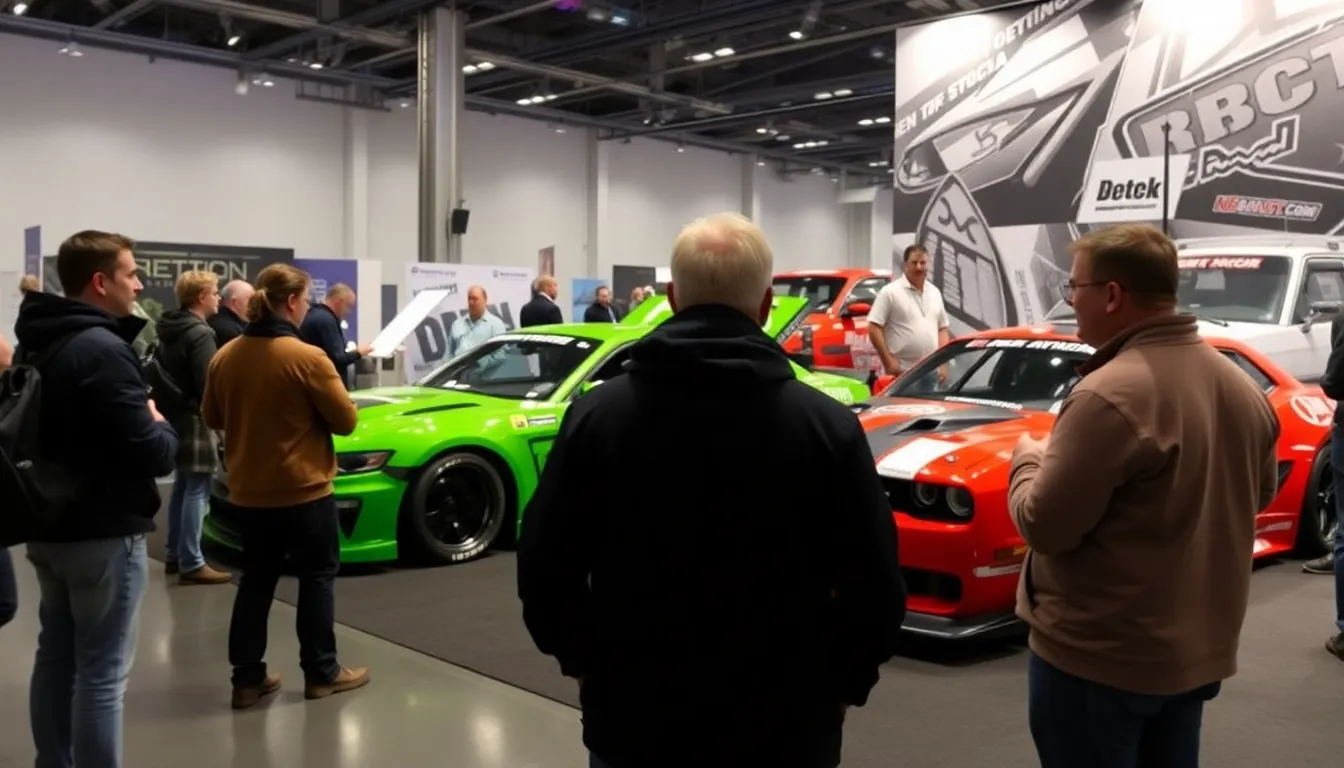
In the short term, fans and collectors attending the event may experience a surge of nostalgia and inspiration, potentially leading to increased engagement with motorsport events and related merchandise. This rekindling of interest can drive sales for memorabilia and collectibles, benefiting businesses in the automotive sector. Additionally, the event can stimulate local economies, particularly in regions known for automotive culture, as fans may travel to attend.
In the mid-term, the impact extends beyond immediate sales boosts. The automotive industry may see a renewed focus on innovation and design, inspired by Block’s unique style and approach to racing. Manufacturers could leverage this momentum to promote new models or technologies that resonate with the spirit of motorsport. Furthermore, the event may influence policy discussions around motorsport regulations, as the popularity of such gatherings highlights the need for supportive frameworks that encourage automotive culture.
- Increased engagement: Fans may become more involved in motorsport events.
- Economic stimulation: Local businesses could see a boost from tourism and merchandise sales.
- Innovation drive: Manufacturers may focus on new designs and technologies.
- Policy influence: Potential discussions around supportive regulations for motorsport.
However, there are risks involved as well. The event could inadvertently create a divide between mainstream automotive culture and niche motorsport enthusiasts, leading to potential alienation of certain groups. Additionally, the heightened interest in collectible cars might inflate prices, making it difficult for new collectors to enter the market. Balancing these dynamics will be crucial for sustaining the positive momentum generated by the event.
A: Ken Block’s cars are celebrated for their innovative designs and performance, which have influenced many aspects of motorsport and car culture. They represent a blend of creativity and engineering excellence. A: The event took place at a prominent automotive venue, bringing together fans and collectors to celebrate Ken Block’s legacy. It featured various iconic vehicles from his career. A: Fans can stay updated through official motorsport channels and social media platforms that announce upcoming events. Engaging with local car clubs is also a great way to participate. A: Yes, the event included special exhibits that highlighted the history and evolution of Ken Block’s vehicles, allowing attendees to appreciate their design and performance. A: Ken Block is known for his precision and creativity in driving, often combining elements of drifting and gymkhana. His style has inspired a new generation of motorsport enthusiasts.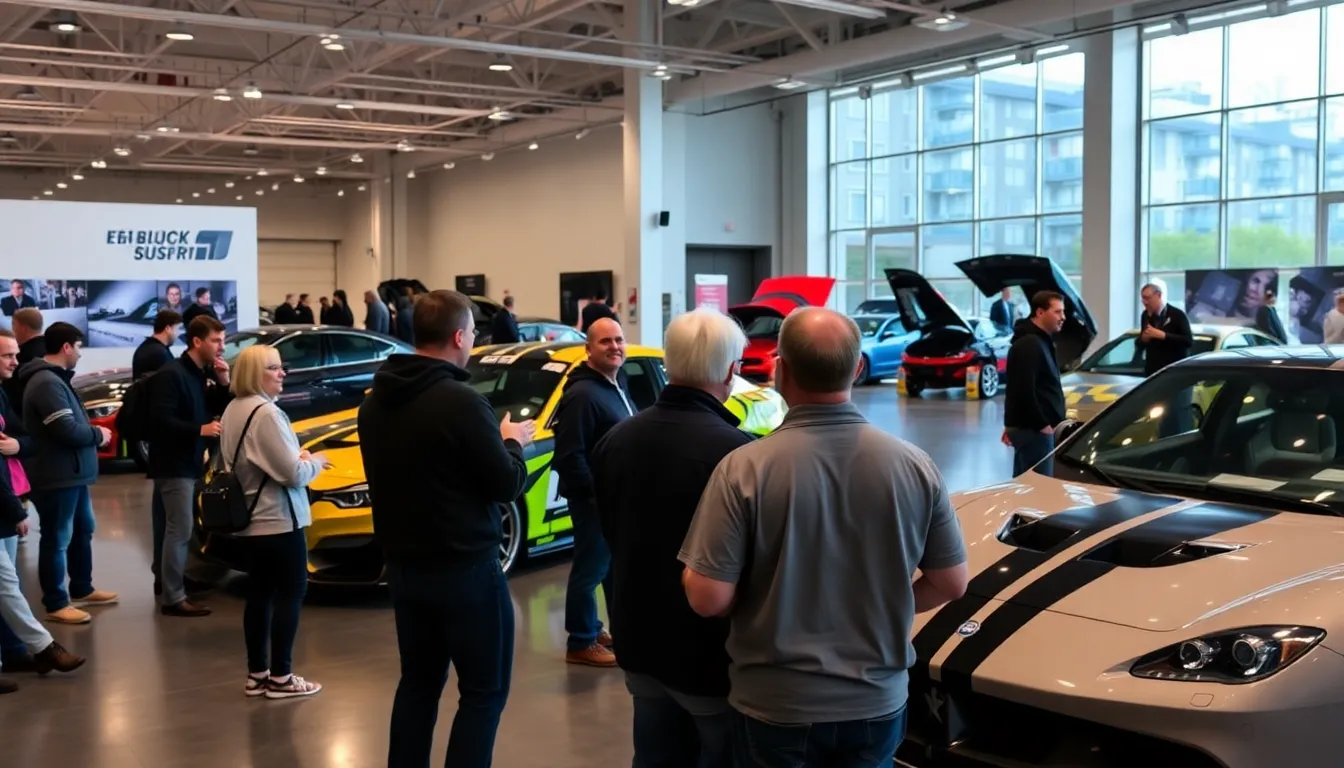
Frequently asked questions about Ken Block’s cars and the event
Key takeaways and future implications for motorsport enthusiasts
The gathering of Ken Block’s iconic vehicles serves as a poignant reminder of the profound impact that individual innovators can have on motorsport culture. Each car not only represents a significant technological advancement but also embodies the spirit of creativity and passion that drives the motorsport community forward. As these vehicles are celebrated, it becomes evident that the legacy of such figures is not just in their achievements, but in how they inspire future generations of drivers and enthusiasts alike.
Looking ahead, the evolution of motorsport will continue to be shaped by the interplay of tradition and innovation. The celebration of Ken Block’s contributions highlights the importance of preserving the history of motorsport while also embracing new technologies and approaches that will define the future of racing.
- Expect an increase in events that celebrate automotive history and innovation, fostering a deeper connection between past and present.
- Watch for emerging trends in motorsport that prioritize sustainability and technology, reflecting the changing values of enthusiasts and the industry.
- Consider the potential for new talent to emerge from the inspiration drawn from iconic figures like Ken Block, as they encourage diverse participation in motorsport.
- Keep an eye on collaborations between motorsport and other creative industries, as these partnerships can lead to fresh ideas and innovative experiences for fans.