


Many Iranians, particularly the youth, feel disillusioned with the ruling establishment and are demanding an end to decades of authoritarian rule, as discussed in more detail in our related article.
The international community is closely watching these developments, as the situation in Iran could have far-reaching implications for regional stability. Countries such as the United States and members of the European Union have expressed support for the Iranian people’s right to protest and have condemned the government’s crackdown on dissent. The ongoing unrest highlights a significant shift in public sentiment, as many Iranians are now openly questioning the legitimacy of the regime.
Activists are leveraging social media platforms to organize and amplify their messages, fostering a sense of solidarity among those who seek change; this trend mirrors the past movements, as highlighted in our coverage of the Green Movement.
Historical background of unrest in Iran and its implications
The roots of unrest in Iran can be traced back to the 1979 Islamic Revolution, which saw the overthrow of the Western-backed Shah Mohammad Reza Pahlavi. The revolution was fueled by widespread discontent over political repression, economic inequality, and social injustice. In its aftermath, the establishment of the Islamic Republic under Ayatollah Khomeini marked a significant shift in governance, leading to a theocratic regime that prioritized ideological purity over democratic principles.
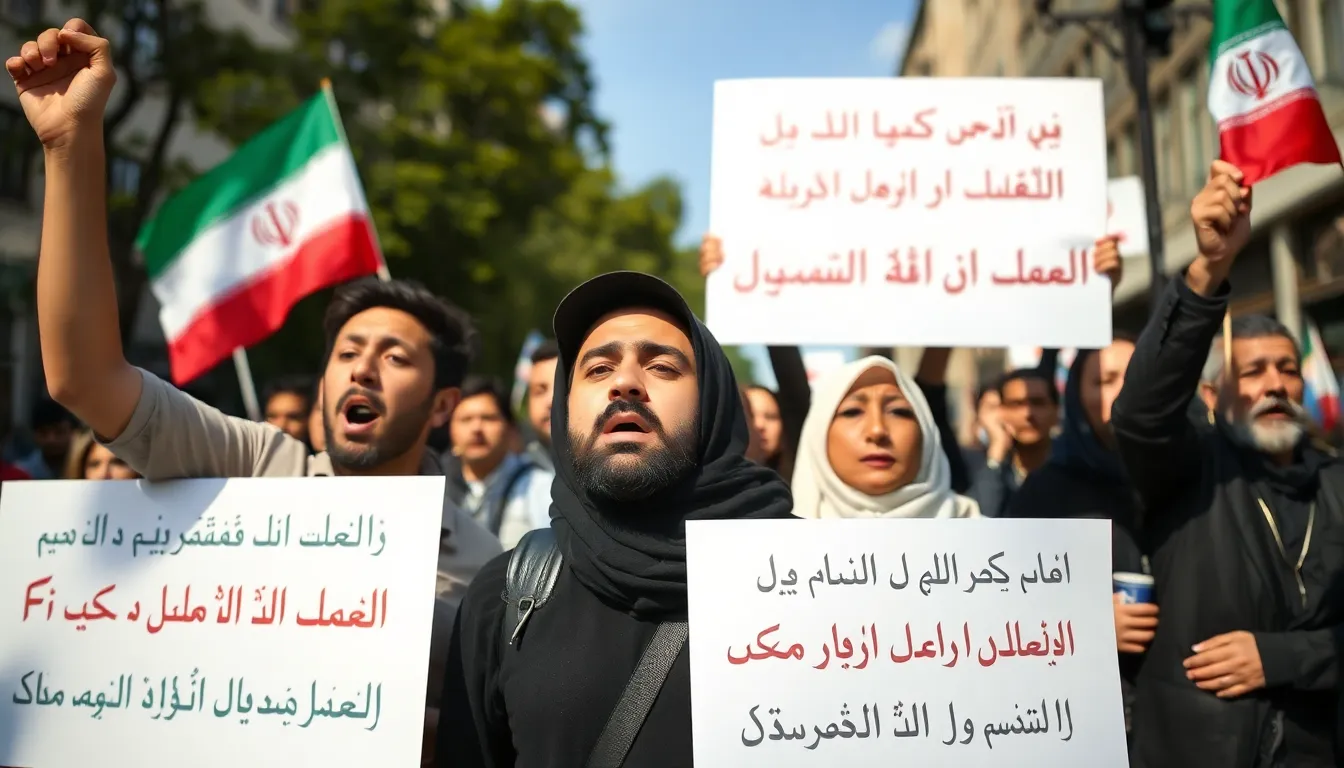
Over the decades, various factors have contributed to the ongoing dissatisfaction among Iranians. Economic mismanagement, compounded by international sanctions and corruption within the ruling elite, has led to high unemployment rates and inflation. The Iranian economy, heavily reliant on oil exports, has faced severe challenges, particularly following the re-imposition of sanctions after the U.S. withdrawal from the nuclear deal in 2018. Many Iranians feel that their economic hardships are a direct result of the regime’s policies and its prioritization of military spending over social welfare.
The Green Movement of 2009, which arose in response to alleged electoral fraud, marked a significant moment in Iran’s political history, as millions took to the streets demanding reform, similar to the widespread calls for change we see today, reflecting on the context of current protests.
Key milestones in Iranian dissent
In recent years, protests have erupted over various issues, from economic grievances to demands for political reform. The November 2019 protests, triggered by a sudden hike in fuel prices, escalated into a nationwide outcry against the regime, leading to a violent crackdown and widespread arrests. This event underscored the growing disillusionment among Iranians, who increasingly view the current regime as illegitimate and disconnected from their needs.
As the situation continues to evolve, many Iranians express a sense of urgency, believing that the time to challenge the regime is now. The combination of historical grievances, economic struggles, and a youthful population eager for change suggests that the potential for significant upheaval remains, prompting discussions about the future of governance in Iran.
Key stakeholders and issues surrounding the Iranian regime
The situation in Iran has drawn attention from various stakeholders, each with their own interests and agendas. The primary actors include the Iranian government, opposition groups, international organizations, and foreign governments. Understanding their roles is crucial to grasping the complexities of the current unrest.
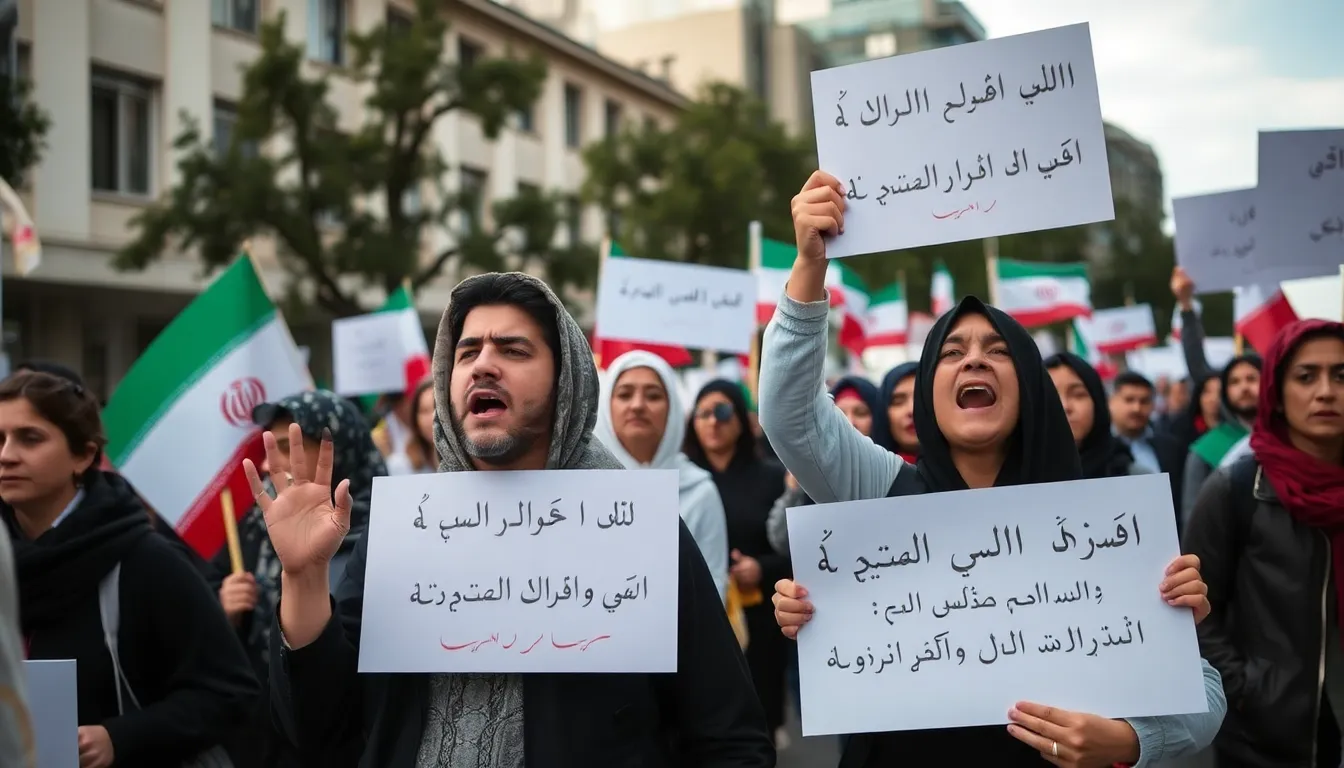
The Iranian government, led by the Supreme Leader Ali Khamenei, seeks to maintain its grip on power amid growing discontent. The regime’s interests lie in preserving its political structure and suppressing dissent, which it views as a threat to national security. In contrast, disaffected Iranians, including youth and activists, are calling for significant reforms or a complete regime change, driven by economic hardship and a desire for greater freedoms.
Internationally, foreign governments such as the United States and European nations have taken varying stances on Iran. The U.S. has imposed sanctions aimed at crippling the regime’s economy, while European nations often advocate for diplomatic solutions. This divergence in approach highlights the conflicting interests at play, as sanctions may exacerbate the suffering of ordinary Iranians, potentially fueling further unrest.
- Economic Issues: Iran’s economy is grappling with high inflation and unemployment, which has intensified public frustration.
- Human Rights Concerns: The regime’s crackdown on protests raises significant legal and ethical questions regarding human rights violations.
- Geopolitical Tensions: The ongoing tensions between Iran and Western nations complicate the potential for external support for opposition movements.
- Internal Divisions: Disunity among opposition groups can hinder their effectiveness in challenging the regime.
In summary, the interplay between these stakeholders reveals a landscape fraught with conflict and trade-offs. The interests of the Iranian regime clash with those of its citizens and the international community, creating a complex web of issues that will shape the future of Iran.
Impact of discontent on Iranian society and the economy
The ongoing discontent among Iranians has profound implications for various segments of society, particularly among the youth, women, and marginalized communities. These groups, feeling increasingly disenfranchised, are at the forefront of calls for change, seeking a future that aligns more closely with their aspirations for freedom and equality.
Industries such as technology and creative arts, which have seen a surge in participation from young Iranians, are particularly affected. The current climate of unrest can stifle innovation and investment, as both local and foreign entities become wary of the risks associated with operating in an unstable environment. Conversely, there may be opportunities for grassroots movements and startups that align with the values of the disaffected, potentially leading to a cultural renaissance.
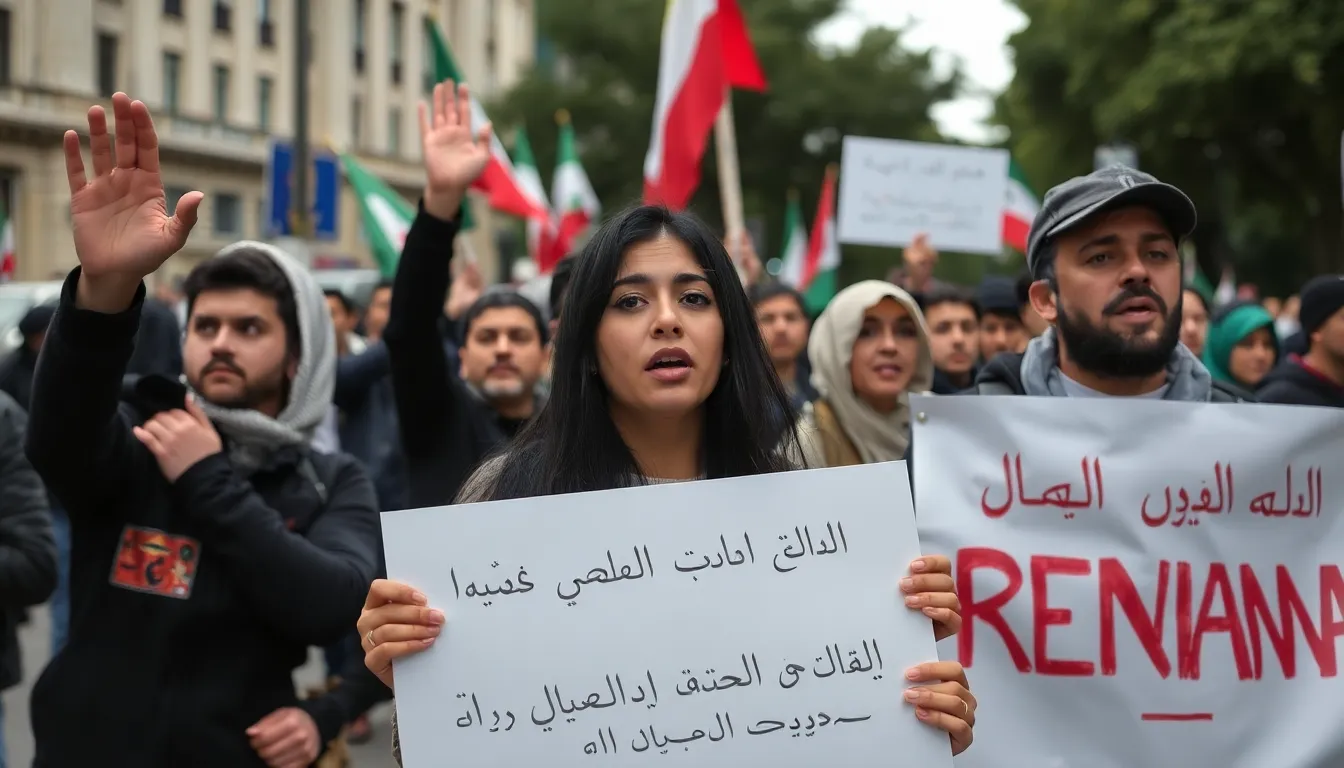
In the short term, daily life for many Iranians is characterized by heightened tensions and uncertainty. Businesses may face disruptions due to protests, leading to supply chain issues and a decline in consumer confidence. This could result in increased prices for goods and services, further straining households already grappling with economic hardship.
- Short-term disruptions in business operations.
- Increased prices and inflation impacting daily life.
- Potential for new business models emerging from grassroots movements.
In the mid-term, the political landscape may shift significantly, depending on the regime’s response to the ongoing unrest. A crackdown on dissent could lead to further alienation of the populace, exacerbating the situation. However, if the regime is forced to negotiate or implement reforms, it could create a more conducive environment for investment and economic growth, ultimately benefiting the broader population.
A: The unrest in Iran is primarily driven by economic hardships, political repression, and widespread dissatisfaction with the regime’s policies. Many citizens feel their basic rights are being ignored. A: The international community has expressed concern over the human rights violations and has called for reforms. However, concrete actions have been limited, with most responses being diplomatic. A: A regime change could lead to significant political and social upheaval, potentially impacting regional stability. It may also open pathways for democratic reforms or, conversely, lead to further conflict. A: Yes, various groups and movements are actively seeking to challenge the regime, though they face significant repression and lack unified leadership. A: Social media has been crucial in mobilizing protests and spreading information, allowing Iranians to share their experiences and organize more effectively despite government censorship.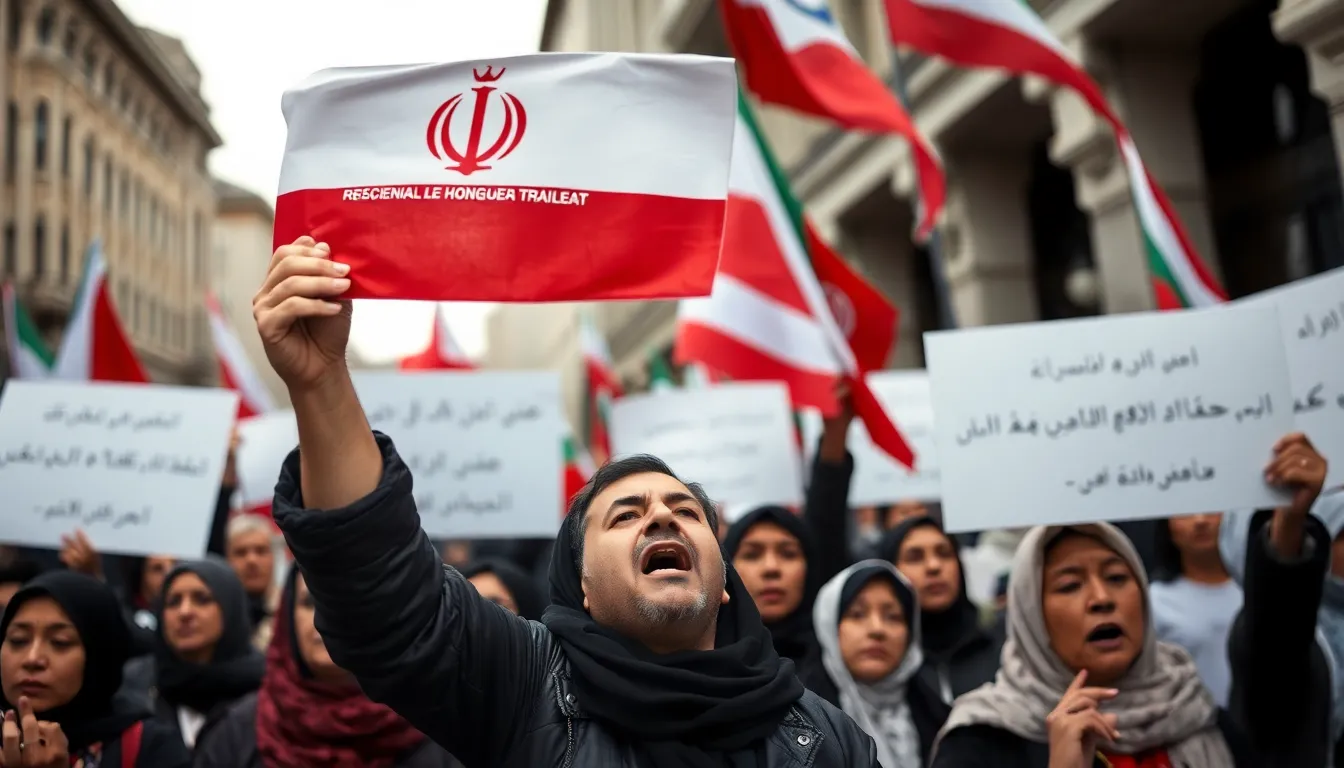
Frequently asked questions about the current situation in Iran
Outlook on the future of Iran and potential regime change
The current climate in Iran reveals a pivotal moment for the nation’s future, as disillusioned citizens express a growing urgency for change. The sentiments of a generation that feels marginalized and oppressed are increasingly vocalized, suggesting that the window for significant political transformation may be narrowing. As protests continue and calls for regime change gain momentum, the internal dynamics within Iran and the international community’s response will play crucial roles in shaping the country’s trajectory.
Monitoring the evolution of public sentiment, the potential for organized opposition, and the regime’s adaptability in the face of dissent will be essential. The interplay of these factors could either catalyze a movement towards democracy or lead to further repression, making it imperative to stay informed about developments in this complex landscape.
- Watch for the emergence of unified opposition groups that could galvanize public support against the regime.
- Pay attention to international responses, particularly from Western nations, which may influence the regime’s stability.
- Observe how the Iranian government adapts its strategies to address public grievances and quell dissent.
- Consider the role of social media and technology in mobilizing protests and disseminating information among the populace.
- Monitor economic conditions, as worsening hardships could intensify calls for change and increase public unrest.