


On October 12, 2023, during a tech conference, Mosseri emphasized the need for society to adapt to these changes, noting that the rapid evolution of AI-generated images could outpace our ability to discern authenticity. He pointed out that misinformation could spread more easily as AI-generated content becomes indistinguishable from genuine photographs. This raises significant ethical questions about trust in visual media, which is a concern echoed in various discussions about digital content.
Moreover, the implications extend beyond just misinformation; they also affect the creative industry. Artists and photographers are increasingly concerned about the potential devaluation of their work as AI-generated images flood the market. Mosseri acknowledged that this shift could disrupt traditional creative processes, prompting a broader conversation about the future of art and content creation in the digital age, similar to the conversations surrounding the rise of AI in various sectors.
The conversation around AI-generated images is not merely theoretical. Platforms like Instagram are already witnessing a rise in AI-generated content, prompting the need for new guidelines and policies. As these technologies continue to evolve, stakeholders will need to address the implications for user engagement, platform integrity, and the creative economy.
Understanding the background of AI image technology
The evolution of artificial intelligence (AI) image technology has been rapid and transformative, reshaping the way we create and consume visual content. From the early days of computer-generated imagery in the 1960s to the sophisticated neural networks of today, the journey has been marked by significant technological advancements and societal shifts. Initially, AI was limited to basic image processing tasks, but with the advent of deep learning and powerful computing resources, the capabilities of AI in generating realistic images have expanded dramatically.
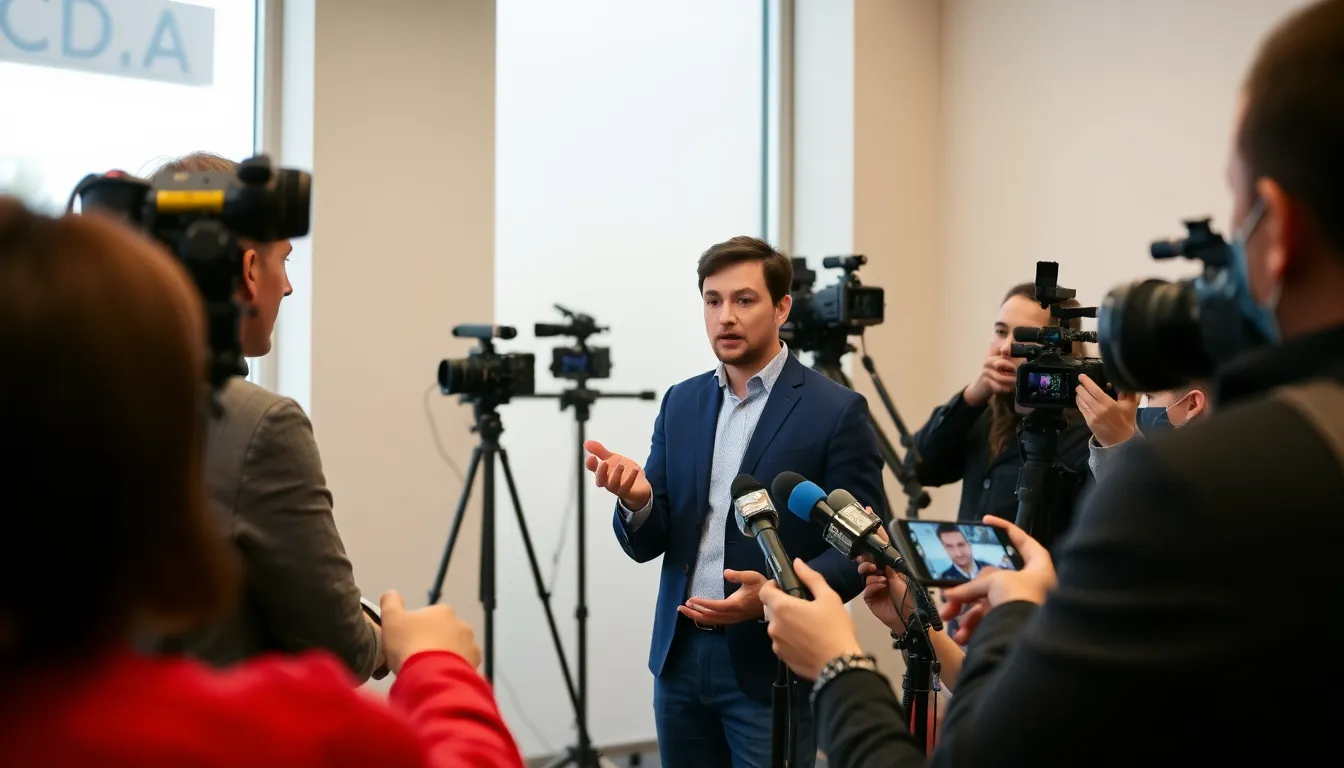
In the early 2010s, the introduction of Generative Adversarial Networks (GANs) marked a pivotal moment in AI image generation. GANs allowed machines to learn from vast datasets and produce images that could mimic real-world visuals. This breakthrough not only enhanced the quality of AI-generated images but also raised important ethical and societal questions about authenticity, ownership, and the potential for misuse, much like the uncertainties facing Spain’s renewable energy future.
The Impact of Social Media
Social media platforms have played a crucial role in the proliferation of AI image technology. With millions of users sharing images daily, the demand for visually appealing content has surged. This environment has fostered innovation, as companies race to develop tools that enable users to create stunning visuals effortlessly. However, this rapid adoption has also led to concerns about the implications of AI-generated content, including issues of misinformation and the blurring of lines between reality and artificiality.
As AI image technology continues to evolve, the challenges it presents are becoming increasingly complex. The Instagram Chief’s concerns reflect a broader anxiety about society’s ability to adapt to these advancements. The pace of change in AI technology is outstripping regulatory frameworks, leaving a gap that could have significant repercussions for users, creators, and the industry as a whole. Understanding this context is essential for grasping the implications of AI in our digital lives.
Key stakeholders and issues surrounding AI image evolution
As AI-generated images continue to advance rapidly, several key stakeholders emerge, each with distinct interests and concerns. The primary actors in this landscape include technology companies, content creators, regulatory bodies, and the general public. Understanding their motivations and the potential conflicts that arise is essential for grasping the broader implications of AI in the realm of visual content.
Technology companies, particularly those like Instagram, have a vested interest in harnessing AI to enhance user engagement and streamline content creation. However, as the capabilities of AI images grow, so does the concern over authenticity and the potential for misinformation. This raises significant ethical questions about the responsibility of platforms in moderating AI-generated content.
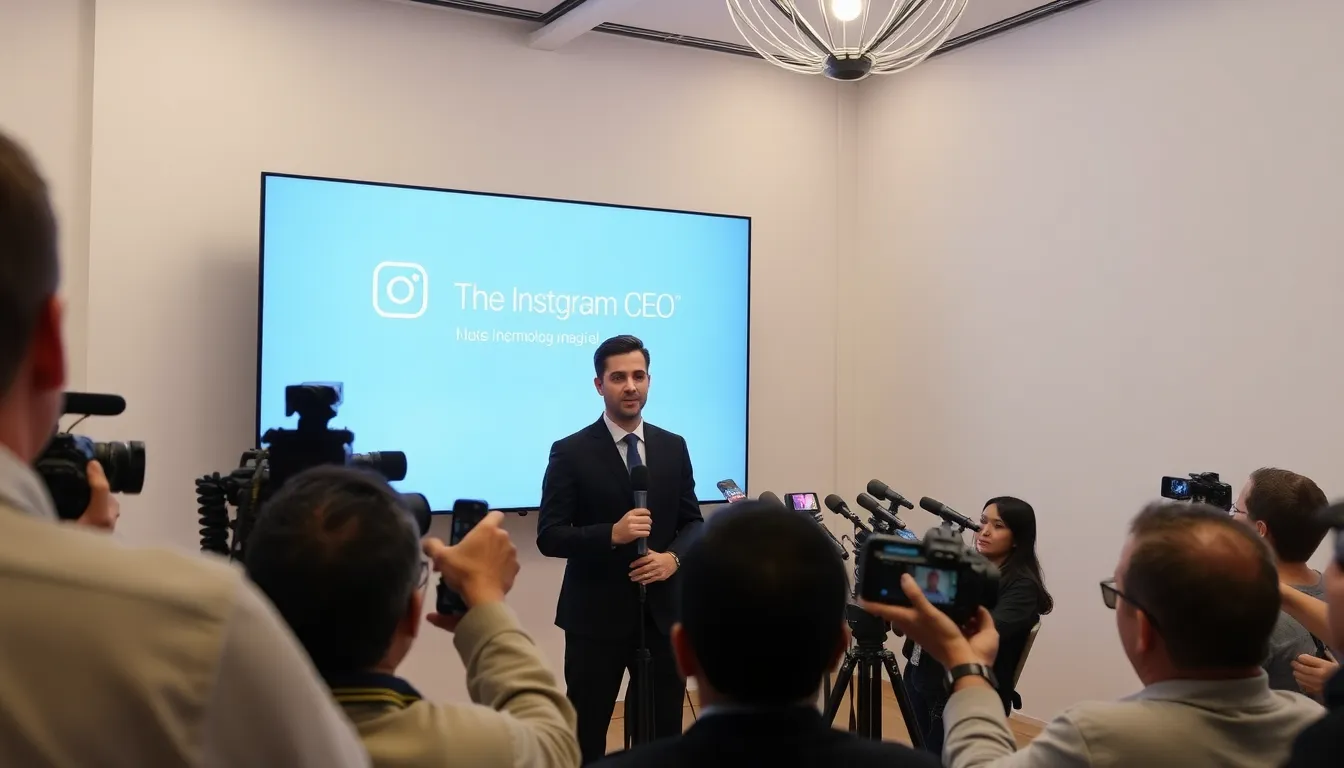
Content creators, including artists and photographers, face a dual-edged sword. On one hand, AI tools can empower them to produce innovative works more efficiently. On the other hand, there is a fear that the proliferation of AI images could devalue their original creations and lead to economic instability within creative industries. The balance between embracing technological advancements and protecting artistic integrity is a pressing issue.
Regulatory bodies are increasingly involved in the discourse surrounding AI images. As the technology evolves, there is a growing need for clear guidelines and regulations to address copyright issues, ethical use, and the potential for misuse. Governments must navigate the fine line between fostering innovation and ensuring public safety, which often leads to conflicting interests among stakeholders.
- Concerns about misinformation and the authenticity of AI-generated images.
- The impact of AI on the economic stability of content creators.
- The necessity for regulatory frameworks to address copyright and ethical use.
- The challenge of balancing innovation with public safety and trust.
- Potential conflicts between technology companies and regulatory bodies regarding oversight.
The potential impact on users and the market
The rapid evolution of AI-generated images is poised to affect a wide array of groups, including social media users, content creators, advertisers, and businesses across various industries. As Instagram’s Chief expresses concern about keeping pace with these advancements, it is crucial to understand how these changes could reshape interactions and expectations in the digital landscape.
In the short term, users may experience a shift in the quality and authenticity of content on platforms like Instagram. As AI images become more sophisticated, distinguishing between real and artificially created images may become increasingly challenging. This could lead to a decline in trust among users, potentially impacting engagement levels and the overall user experience.
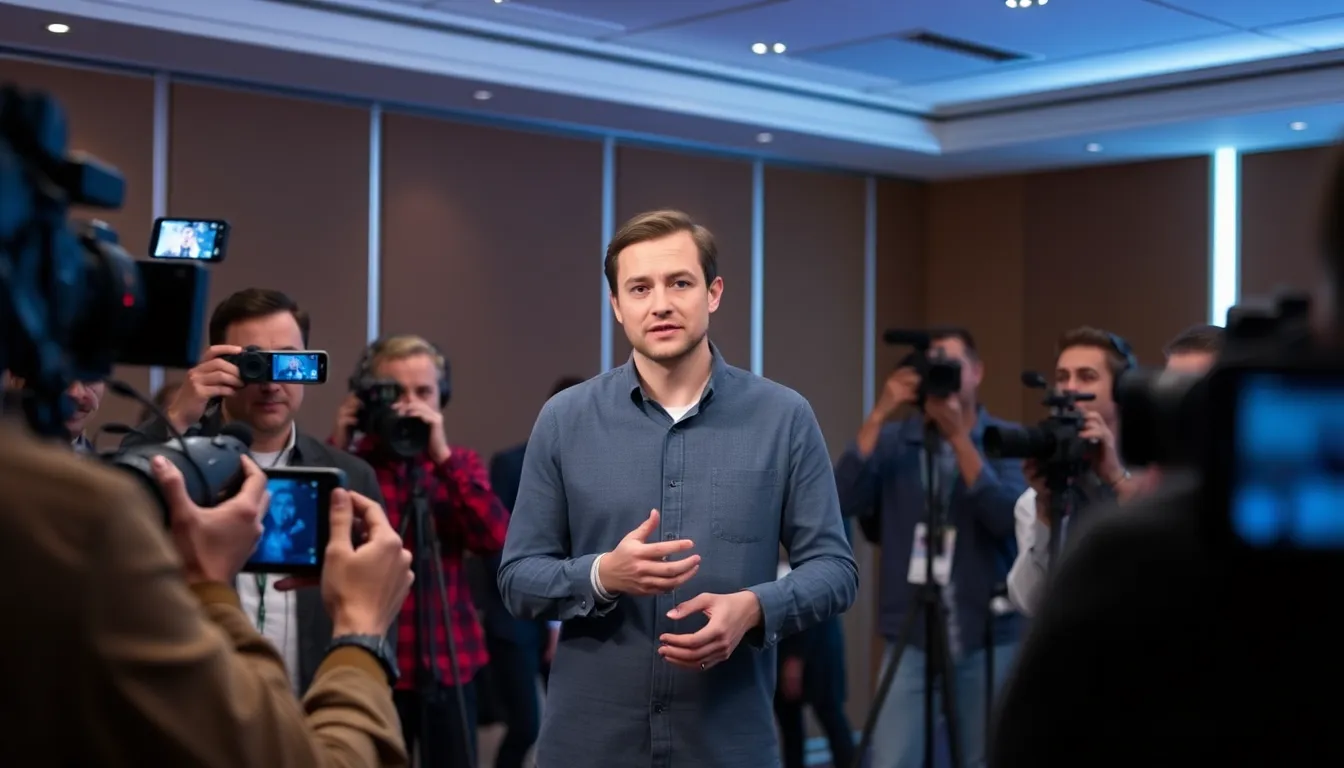
Mid-term impacts may extend to businesses and advertisers, who will need to adapt their strategies to account for the prevalence of AI-generated visuals. Companies that rely on authentic imagery for branding may face challenges, while those that embrace AI technology could find new opportunities for creativity and cost savings. For instance, brands might leverage AI to produce tailored content at scale, enhancing their marketing efforts.
- Risks: Erosion of trust in digital content, potential misinformation, and oversaturation of AI-generated images.
- Opportunities: Enhanced creative capabilities, cost-effective content production, and innovative marketing strategies.
Regions with a strong tech presence, such as Silicon Valley and major urban centers, may see a faster integration of AI technologies, leading to a competitive advantage for local businesses. Conversely, areas with limited access to technology might struggle to keep up, widening the digital divide and impacting local economies.
A: AI-generated images are visuals created using artificial intelligence algorithms. These images can range from realistic photos to abstract art, generated based on various inputs and training data. A: The Instagram Chief is concerned that the rapid development of AI images may outpace society’s ability to understand and adapt to these changes, potentially leading to misinformation and ethical dilemmas. A: AI images can impact content creators by altering the landscape of visual media, making it more competitive and challenging for traditional artists to maintain their unique value in a market flooded with AI-generated content. A: Possible measures include establishing guidelines for ethical AI use, promoting transparency in AI-generated content, and encouraging platforms to implement verification systems to distinguish between human and AI creations. A: Yes, AI-generated images can enhance creativity, streamline production processes, and provide access to high-quality visuals for individuals and businesses that may lack resources.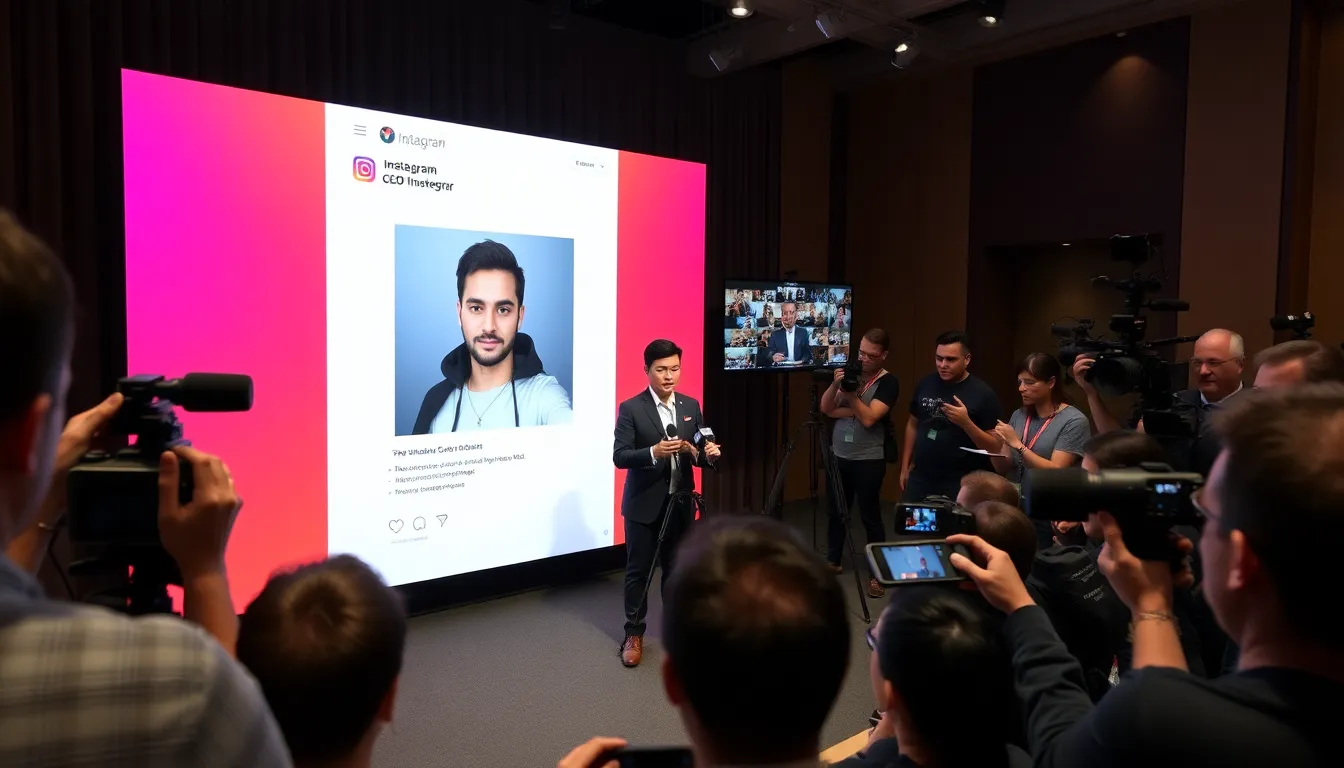
Frequently asked questions about AI images
Insights on the future of AI-generated images and their implications
The rapid evolution of AI-generated images presents both exciting opportunities and significant challenges for society. As Instagram’s Chief highlights, the pace at which these technologies are advancing raises questions about authenticity, creativity, and the very nature of visual content. The implications of this evolution extend beyond the tech industry, affecting art, media, and the way individuals perceive reality.
As AI continues to refine its ability to create hyper-realistic images, it becomes crucial for users, creators, and platforms to navigate this changing landscape thoughtfully. The balance between innovation and ethical considerations will be pivotal in shaping how we engage with AI-generated content in the future.
- Monitor the development of regulations around AI-generated content to ensure ethical standards are upheld.
- Stay informed about advancements in AI technology to better understand its impact on creative industries.
- Encourage transparency from platforms regarding the use of AI in content creation to foster trust among users.
- Explore the potential for collaboration between human artists and AI to enhance creative expression.
- Be aware of the challenges related to misinformation and deepfakes as AI-generated images become more prevalent.