


The Indian Election Commission has been under scrutiny as workers express dissatisfaction with their compensation, which many consider insufficient given the intensity of the job. Poll workers often work for extended periods without proper breaks, leading to physical and mental exhaustion. As elections approach, the pressure on these individuals intensifies, raising questions about the sustainability of such working conditions.
Recent statements from various labor organizations indicate that the issue of low pay and harsh working conditions is not new, but it has become more pronounced this election cycle. Workers have called for better remuneration and support, emphasizing that their roles are crucial for the democratic process. The situation has prompted discussions among policymakers and civil society about the need for reforms to protect these essential workers.
As the elections unfold, the plight of poll workers serves as a reminder of the human cost associated with the electoral process. With increasing public awareness and media coverage, there is growing pressure on the government to address these concerns and ensure that those who facilitate democracy are treated with the respect and dignity they deserve.
Understanding the role of poll workers in India’s elections
Poll workers, often referred to as election officials or electoral staff, play a crucial role in the democratic process in India. They are responsible for overseeing the conduct of elections, ensuring that procedures are followed, and facilitating a fair voting process. The significance of their role has grown over the years, especially as India has transitioned into a more complex electoral landscape with multiple parties and a diverse electorate.
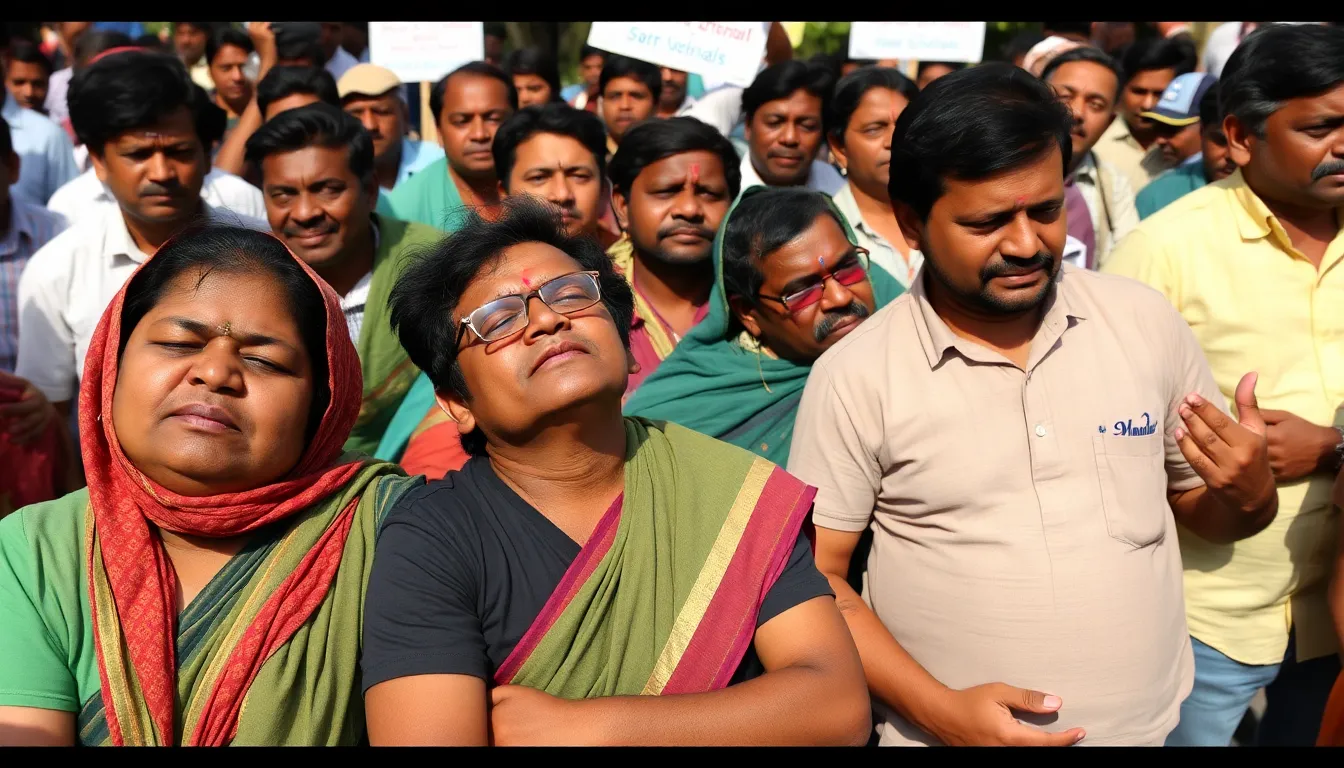
Historically, the position of poll workers has been largely voluntary, with many individuals stepping forward to serve their communities during elections. However, this voluntary nature often comes with significant personal sacrifices, including long hours, minimal training, and in some cases, little to no compensation. As the electoral process has evolved, the demands placed on poll workers have increased, leading to concerns about their working conditions and well-being.
In recent years, reports of harsh conditions faced by poll workers have surfaced, particularly during high-stakes elections. Instances of exhaustion, inadequate support, and even tragic fatalities have raised alarms about the treatment of these individuals. The situation has sparked public outcry and demands for reforms, as citizens and advocacy groups call for better working conditions, fair compensation, and recognition of the vital role poll workers play in maintaining the integrity of the electoral process.
The Economic Impact of Election Management
The economic implications of managing elections in India are substantial. With over a billion voters, the logistics of conducting free and fair elections require significant resources. Poll workers, who often come from economically disadvantaged backgrounds, find themselves in a precarious position where their contribution is essential yet undervalued. This economic disparity highlights the need for systemic changes to ensure that those who facilitate democracy are adequately supported and compensated for their efforts.
Examining the key issues faced by poll workers
In India, the role of poll workers is critical for the smooth functioning of the electoral process. However, recent reports have highlighted the harsh conditions they endure, raising concerns about their welfare and the integrity of the electoral system. The main actors in this scenario include the Election Commission of India, state governments, and the poll workers themselves, each with distinct interests and responsibilities.
The Election Commission of India is tasked with ensuring free and fair elections, which includes recruiting and training poll workers. Their interest lies in maintaining an efficient electoral process while managing costs. On the other hand, state governments are responsible for implementing these elections and may face pressure to minimize expenses, often at the expense of poll worker compensation and support.
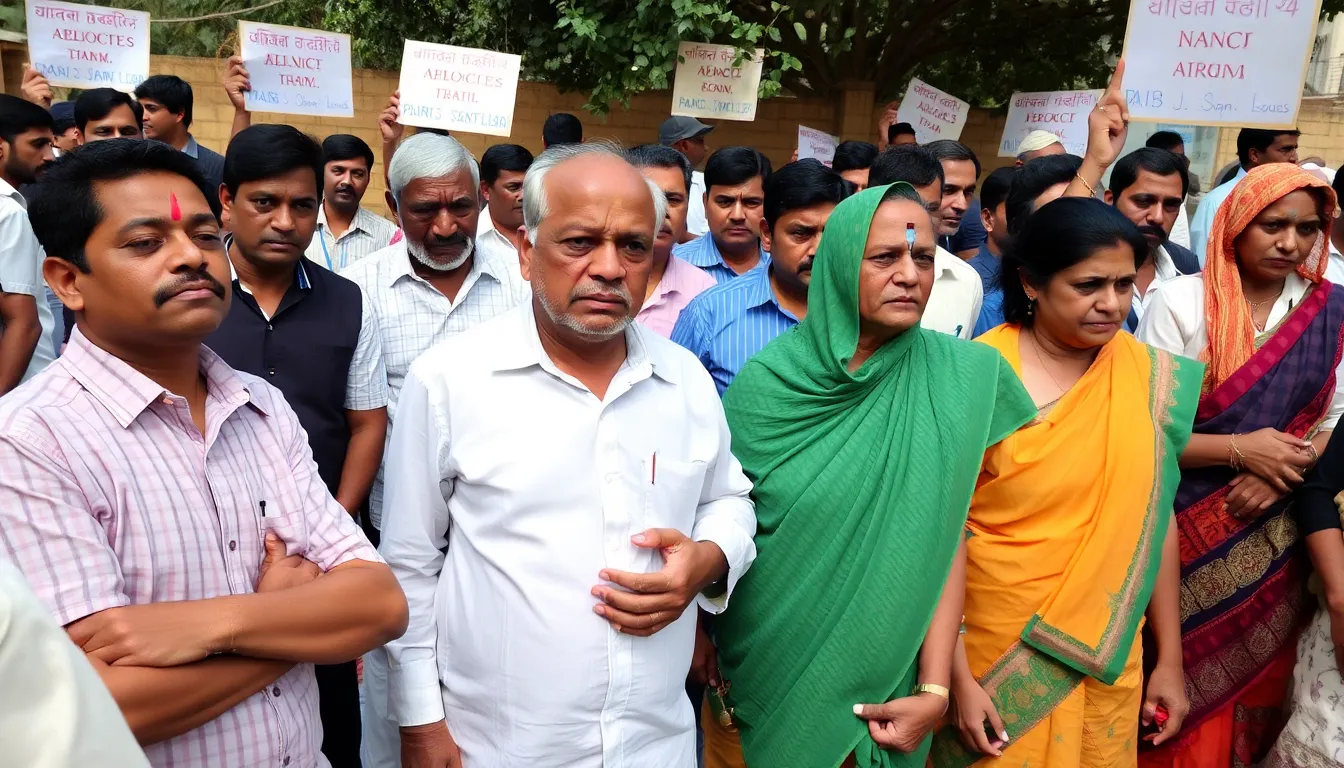
Poll workers, who are often underpaid and overworked, represent another critical stakeholder group. Their primary interest is fair compensation and adequate working conditions, which are essential for their well-being and performance during elections. The recent uproar over deaths among poll workers has brought these issues to the forefront, prompting calls for better treatment and support.
- Harsh Working Conditions: Many poll workers report sleepless nights and inadequate resources, impacting their ability to perform effectively.
- Compensation Issues: Poll workers are often paid minimal amounts, leading to financial strain and dissatisfaction.
- Health and Safety Concerns: The physical and mental toll of the job raises serious health concerns, especially during high-stakes elections.
- Legal Accountability: There is an ongoing debate about the legal responsibilities of the Election Commission and state governments regarding the treatment of poll workers.
- Public Perception: The treatment of poll workers affects public trust in the electoral process and the institutions overseeing it.
The intersection of these interests creates a complex landscape where trade-offs must be navigated. As stakeholders advocate for their needs, the challenge remains to balance the operational demands of elections with the rights and welfare of those who facilitate the democratic process.
The impact of these conditions on electoral integrity and worker safety
The harsh conditions faced by poll workers in India not only affect the individuals directly involved but also have broader implications for the electoral process and public trust in democracy. Poll workers, often volunteers, are integral to ensuring fair and efficient elections. When they are overworked and underpaid, it raises questions about the integrity of the electoral system.
Regions with high voter turnout and complex electoral processes, such as Uttar Pradesh and Maharashtra, are particularly affected. These states rely heavily on the commitment of poll workers to manage the logistics of elections. The current situation may lead to a shortage of willing participants in future elections, impacting the overall electoral landscape.
In the short term, the immediate risks include increased fatigue among poll workers, which can lead to errors in the voting process and potential disenfranchisement of voters. This could erode public confidence in the electoral system. In the mid-term, if conditions do not improve, there could be calls for policy reforms regarding worker compensation and safety standards during elections.
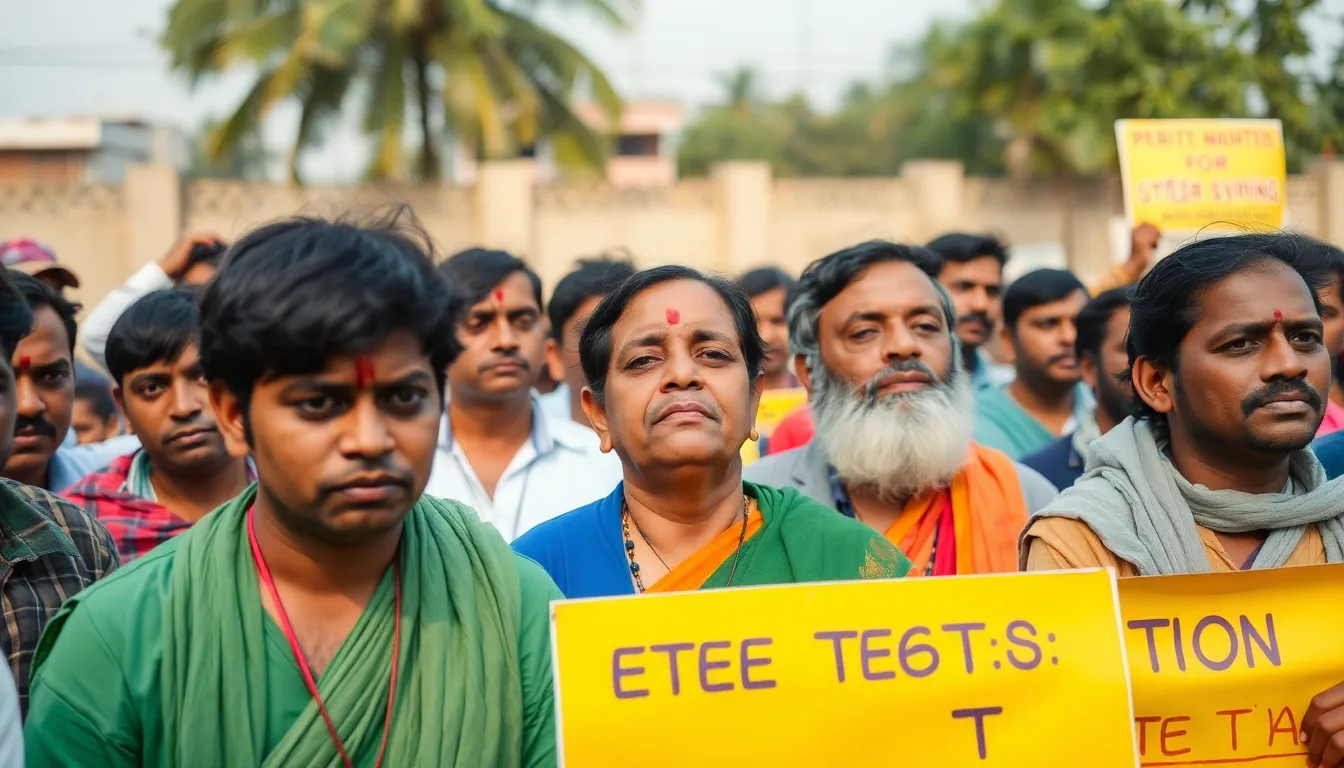
- Worker Safety: Increased health risks and potential fatalities among poll workers.
- Electoral Integrity: Higher chances of errors leading to disputes and challenges in election results.
- Public Trust: Erosion of confidence in the electoral process may lead to decreased voter turnout.
- Policy Changes: Potential for reforms in labor laws and electoral management practices.
- Volunteer Engagement: Decreased willingness of citizens to participate in future elections as poll workers.
However, this challenging situation also presents opportunities for advocacy and reform. Increased awareness of the plight of poll workers may lead to stronger unions and advocacy groups pushing for better working conditions. Additionally, it could spark a broader conversation about the importance of fair compensation for all electoral staff, potentially leading to improved policies that enhance both worker satisfaction and electoral integrity.
A: Poll workers are experiencing extreme fatigue due to long hours and lack of sleep, coupled with inadequate compensation for their efforts. A: The deaths have highlighted the severe conditions poll workers endure, prompting public outcry and calls for better support and safety measures. A: Poor working conditions can undermine the integrity of the electoral process, as fatigued workers may not perform their duties effectively. A: Advocates are calling for better pay, regulated working hours, and improved safety protocols to ensure the well-being of poll workers. A: Currently, legal protections for poll workers are limited, leading to calls for reforms to ensure their rights and safety during elections.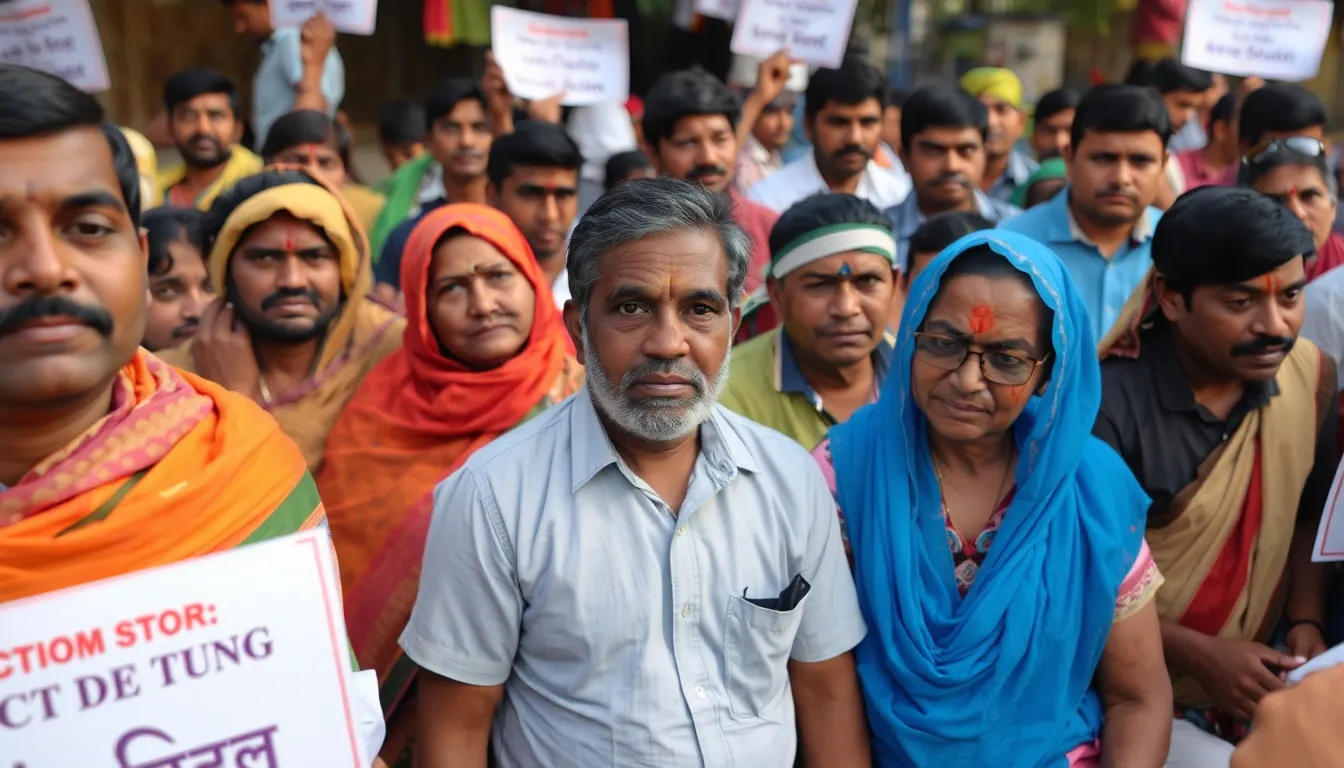
Frequently asked questions about poll workers’ conditions
Key takeaways and future implications for poll workers
The recent uproar over the harsh conditions faced by poll workers in India highlights a critical need for reform in the electoral process. As reports of exhaustion and even fatalities emerge, it is imperative that both government and electoral bodies reassess the support systems in place for those who facilitate the democratic process. The welfare of poll workers should be prioritized to ensure not only the integrity of elections but also the health and safety of individuals involved.
Looking ahead, addressing these concerns could lead to significant improvements in the electoral framework. Enhanced training, better compensation, and improved working conditions are essential steps that could mitigate the risks faced by poll workers and foster a more sustainable electoral environment.
- Increased scrutiny of working conditions for poll workers may lead to regulatory changes aimed at improving their safety and well-being.
- Advocacy for better pay and support systems could gain momentum, pushing for reforms that ensure fair compensation for poll workers.
- Potential implementation of technology to streamline the voting process might reduce the burden on poll workers, allowing for more manageable workloads.
- Public awareness campaigns could highlight the challenges faced by poll workers, fostering greater community support and engagement.
- Monitoring and evaluation of poll worker experiences could become a standard practice, leading to ongoing improvements in future elections.