


Despite her groundbreaking contributions, af Klint’s work was largely overlooked during her lifetime and for decades afterward, reflecting a broader trend of women’s exclusion from the narrative of abstract art. The exhibition seeks to address this historical oversight, showcasing over 150 of her works and emphasizing her role as a trailblazer in the genre. By bringing her art to the forefront, the Guggenheim aims to challenge the traditional canon that has often sidelined female artists, an issue also explored in this article.
The significance of this exhibition extends beyond af Klint herself; it raises critical questions about the systemic barriers that have historically marginalized women in the art world. According to recent studies, female artists continue to receive less representation in galleries and museums compared to their male counterparts. This ongoing disparity highlights the need for a reevaluation of art history and the recognition of diverse voices within it, similar to the discussions surrounding other historical figures in culture.
As discussions around gender equality in the arts gain momentum, the exhibition serves as a timely reminder of the importance of inclusivity and representation. By celebrating af Klint’s legacy, the Guggenheim not only honors her contributions but also inspires a new generation of artists and curators to advocate for a more equitable art world. The current focus on her work underscores the ongoing journey towards recognizing and valuing the contributions of women in all artistic disciplines.
Understanding Hilma Af Klint’s contributions to art history
Hilma Af Klint, a Swedish painter, is often regarded as a pioneer of abstract art, yet her contributions have been largely overlooked in the narrative of art history. Born in 1862, Af Klint began experimenting with abstraction in her work as early as 1906, predating many of her male contemporaries, including Wassily Kandinsky and Piet Mondrian. Her innovative approach to color, form, and spirituality was revolutionary, yet her exclusion from the mainstream art canon highlights a broader issue of gender bias that has persisted in the art world for over a century.
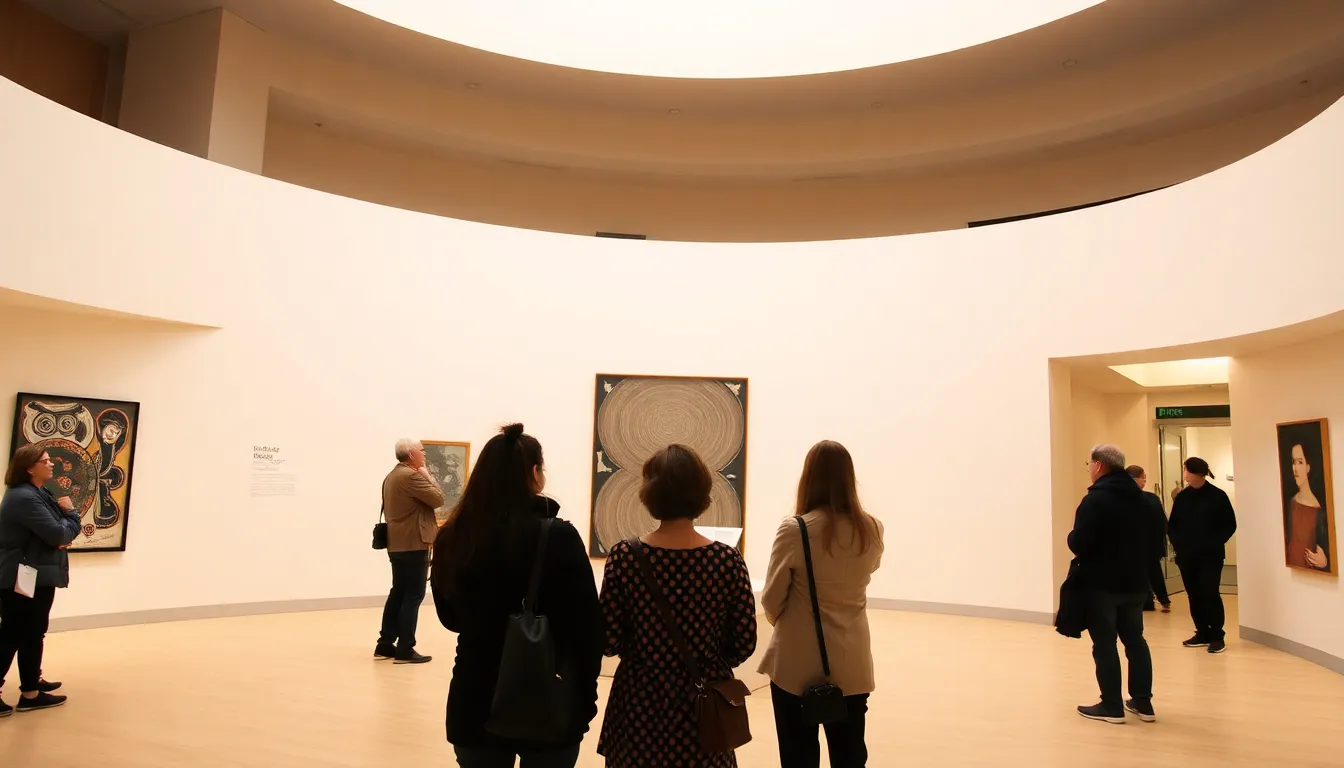
The historical context surrounding Af Klint’s work is crucial to understanding her marginalization. During the late 19th and early 20th centuries, the art scene was dominated by male artists, critics, and institutions that often dismissed women’s contributions. The prevailing societal norms relegated women to the roles of muses and supporters rather than creators, which limited their visibility and influence in the art community. As a result, many talented female artists, including Af Klint, were not recognized for their groundbreaking work.
Af Klint’s artistic journey was also intertwined with her spiritual beliefs. She was deeply influenced by Theosophy and other spiritual movements, which shaped her approach to art. Her series of paintings, known as the “Paintings for the Temple,” were created as a visual representation of her spiritual visions. However, these works were not exhibited during her lifetime, as she believed they would not be understood by her contemporaries. This decision further contributed to her exclusion from the historical narrative of abstract art.
The Impact of Gender Bias in Art
The exclusion of women from the history of abstract art is not an isolated incident but part of a larger pattern of gender bias in the arts. Numerous female artists have faced similar challenges, often overshadowed by their male peers. Important milestones, such as the feminist art movement of the 1970s, sought to address these disparities, yet the art world has struggled to fully acknowledge and rectify the historical oversight. Exhibitions like the one highlighting Af Klint’s work are essential in bringing attention to these issues and celebrating the contributions of women artists who have been unjustly forgotten.
Key issues surrounding the recognition of women artists
The exhibition of Hilma Af Klint, a pioneer of abstract art, serves as a focal point for discussions about the historical exclusion of women from the art world. This exclusion is not merely a matter of recognition but involves broader societal, economic, and institutional dynamics that have marginalized female artists throughout history.
Key stakeholders in this discourse include art institutions, galleries, feminist organizations, and the artists themselves. Art institutions, such as museums and galleries, have a vested interest in diversifying their collections and narratives to attract a broader audience while also addressing historical imbalances. Feminist organizations advocate for equal representation and recognition of women artists, emphasizing the importance of inclusivity in art history.
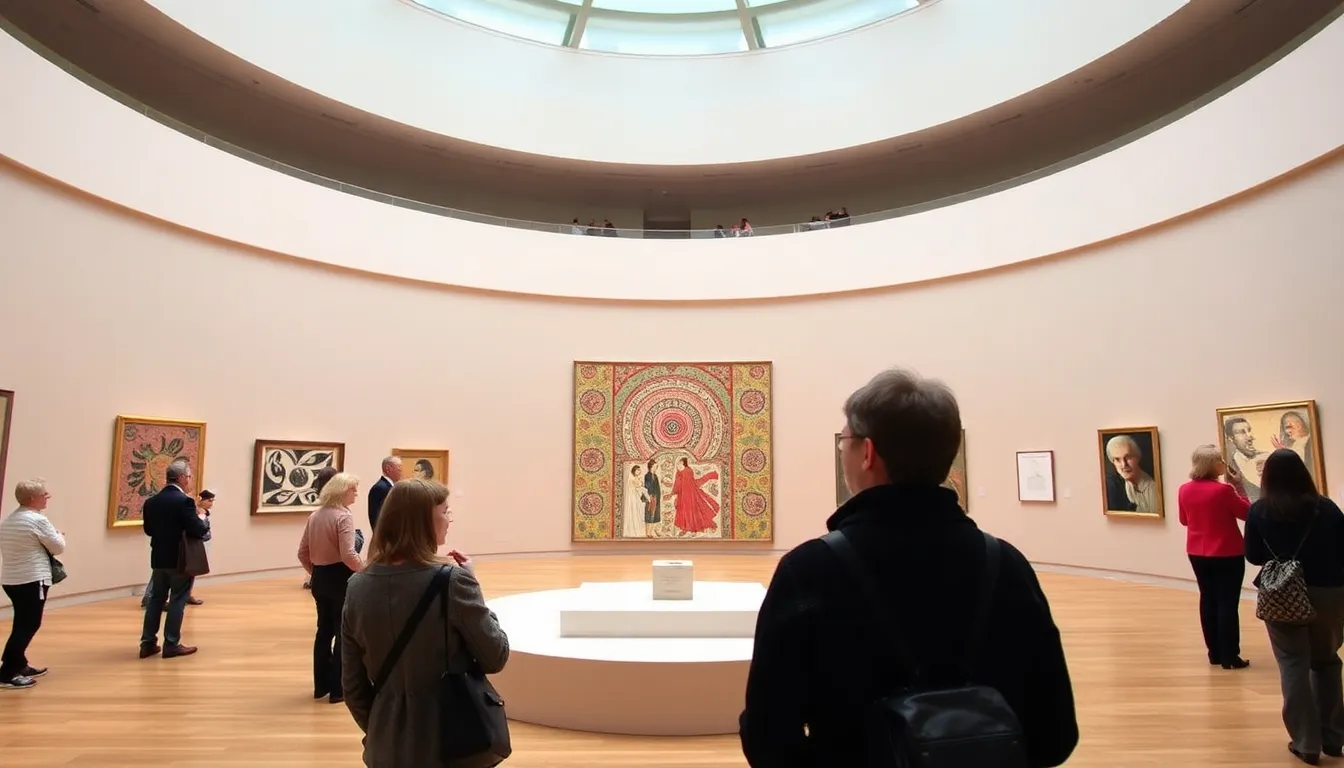
Moreover, the art market plays a crucial role in this scenario. The economic value assigned to artworks often reflects prevailing biases, with female artists frequently receiving less recognition and lower prices for their work compared to their male counterparts. This economic disparity raises questions about the sustainability of women artists’ careers and their visibility in the art world.
- Historical Bias: The long-standing preference for male artists in art history narratives contributes to the ongoing marginalization of women.
- Institutional Responsibility: Museums and galleries must confront their roles in perpetuating gender biases and actively seek to rectify these imbalances.
- Market Dynamics: The economic valuation of art continues to reflect gender disparities, impacting the careers of women artists.
- Feminist Advocacy: Organizations promoting women’s rights in the arts push for greater visibility and representation of female artists.
In this context, the exhibition of Hilma Af Klint not only highlights her contributions to abstract art but also serves as a reminder of the ongoing struggle for gender equality in the art world. By examining these key issues and stakeholders, it becomes evident that the fight for recognition and representation is far from over, much like the impact of Asha Bhosle’s legacy.
The impact of this exhibition on contemporary art discourse
The exhibition focusing on Hilma Af Klint serves as a pivotal moment for various groups within the art world, particularly women artists, art historians, and cultural institutions. By highlighting Af Klint’s contributions to abstract art, the exhibition challenges the historical narrative that has often marginalized female artists. This shift is likely to resonate across multiple sectors, including education, galleries, and museums, as they reassess their collections and programming to be more inclusive.
In the short term, the exhibition is expected to energize discussions around gender equity in the art community. Art institutions may feel pressure to diversify their exhibitions and artist rosters, leading to a more balanced representation of artists in galleries and museums. This could enhance public engagement and attendance, as audiences increasingly seek out diverse narratives in art.
In the mid-term, the exhibition could influence policy changes within art institutions. Organizations may implement new guidelines that prioritize the inclusion of women and underrepresented artists in their programming. Additionally, educational institutions might incorporate more comprehensive art history curricula that address the contributions of female artists, fostering a new generation of artists and curators who value inclusivity.
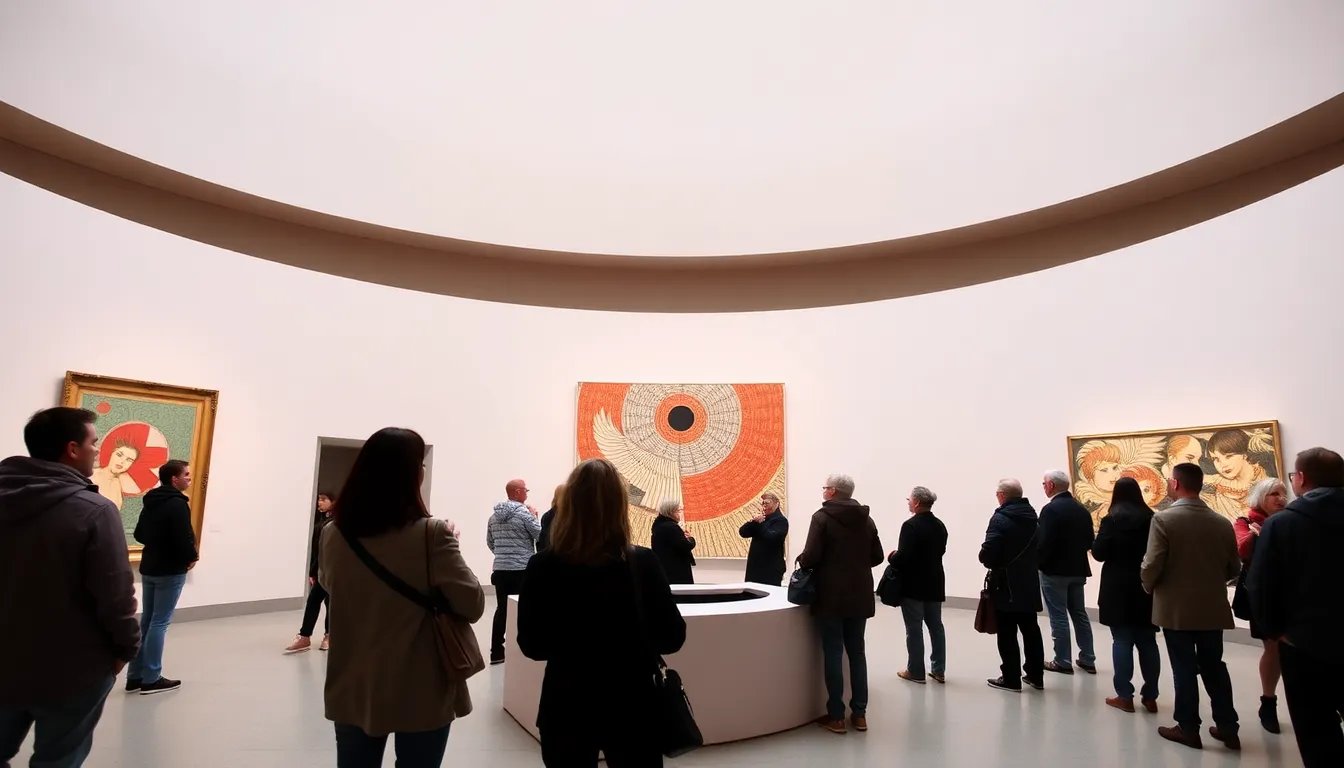
- Increased visibility for women artists: The exhibition may inspire more platforms dedicated to showcasing female talent.
- Shifts in art market dynamics: Collectors and investors might begin to recognize the value of works by women artists, leading to potential financial opportunities.
- Enhanced community engagement: Local art communities may benefit from increased participation and collaboration as they strive for inclusivity.
However, there are risks involved, such as potential backlash from traditionalists who may resist changes to the established art narrative. Additionally, if the exhibition is seen as a one-off event rather than part of a broader movement, the momentum for change may stall. Thus, while the exhibition presents significant opportunities, it also requires sustained commitment from all stakeholders to ensure lasting impact.
A: Hilma Af Klint was a Swedish painter and one of the pioneers of abstract art, creating works that predated many male counterparts. Her art was deeply influenced by spirituality and philosophy. A: The exhibition highlights the historical exclusion of women from the narrative of abstract art, aiming to give recognition to female artists who have been overlooked. A: Visitors can expect to see a wide range of Hilma Af Klint’s works, along with contextual information about her life and the challenges faced by women artists. A: The exhibition contributes to ongoing conversations about gender equality in the arts, encouraging a reevaluation of the contributions of women artists throughout history. A: The exhibition will be held at a prominent art museum, with specific dates announced closer to the event. It aims to attract a diverse audience interested in art and gender studies.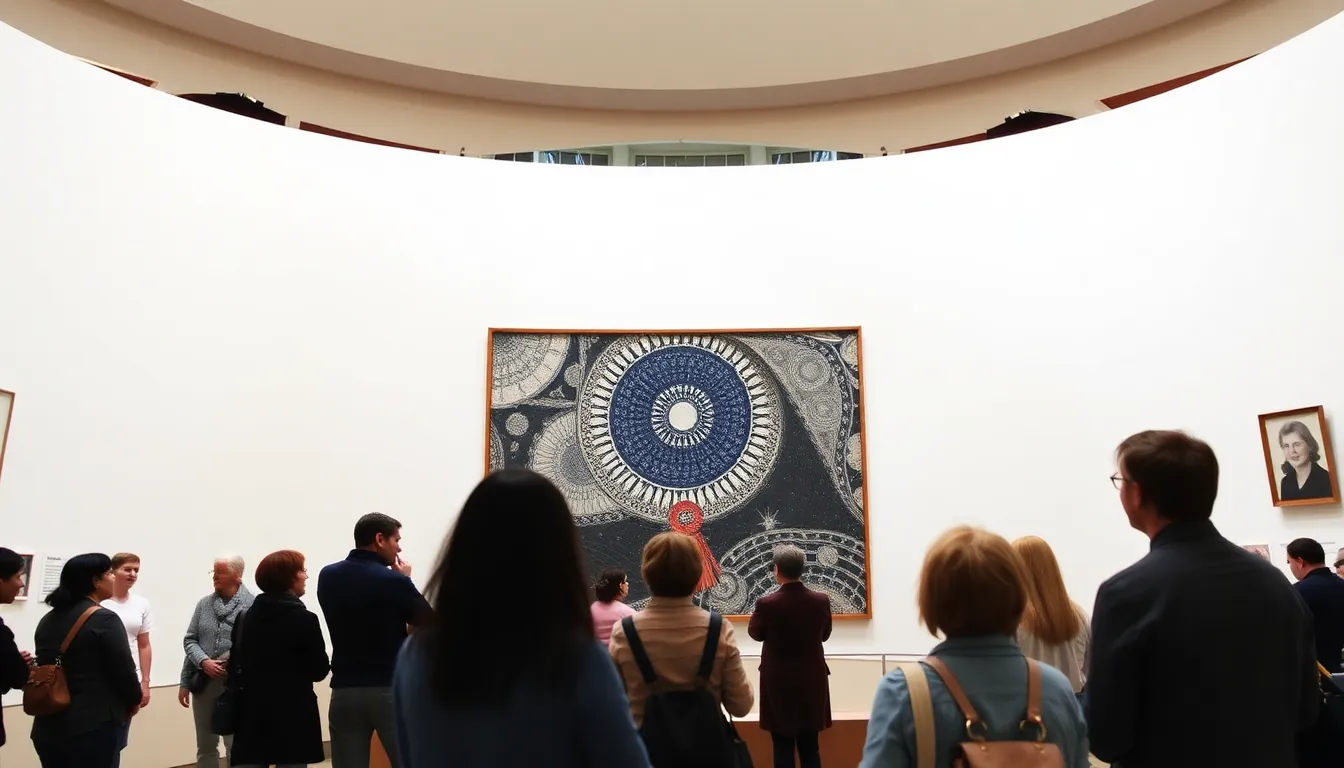
Frequently Asked Questions about the Hilma Af Klint Exhibition
Key takeaways and future implications for women in art
The upcoming exhibition on Hilma Af Klint serves as a pivotal moment in recognizing the historical exclusion of women from the narrative of abstract art. By shedding light on Af Klint’s groundbreaking contributions, the art world is prompted to reconsider the legacy of female artists, often overshadowed by their male counterparts. This reevaluation not only honors the past but also encourages a more inclusive future for contemporary art practices.
As discussions around representation and equity in the art community gain momentum, it is crucial to observe how institutions and collectors respond to this renewed interest in women artists. The legacy of Af Klint can inspire a broader movement towards inclusivity, ensuring that diverse voices are celebrated and integrated into the mainstream art discourse.
- Increased visibility for female artists may lead to more exhibitions dedicated to their work.
- Art institutions could implement policies aimed at equitable representation in their collections and programming.
- Collectors and patrons may start prioritizing works by women artists, influencing market trends.
- Educational initiatives could arise, focusing on the contributions of women in art history.
- Collaborations and partnerships may form to promote underrepresented artists in contemporary art spaces.