


Her career, which began in the early 1940s, spanned over seven decades and included collaborations with iconic music directors such as R.D. Burman and Laxmikant-Pyarelal. Bhosle’s unique ability to convey emotion through her singing resonated with audiences, earning her numerous awards, including the prestigious Dadasaheb Phalke Award in 2000. Her influence extended beyond film music, as she also ventured into pop and ghazal genres, further cementing her status as a musical icon.
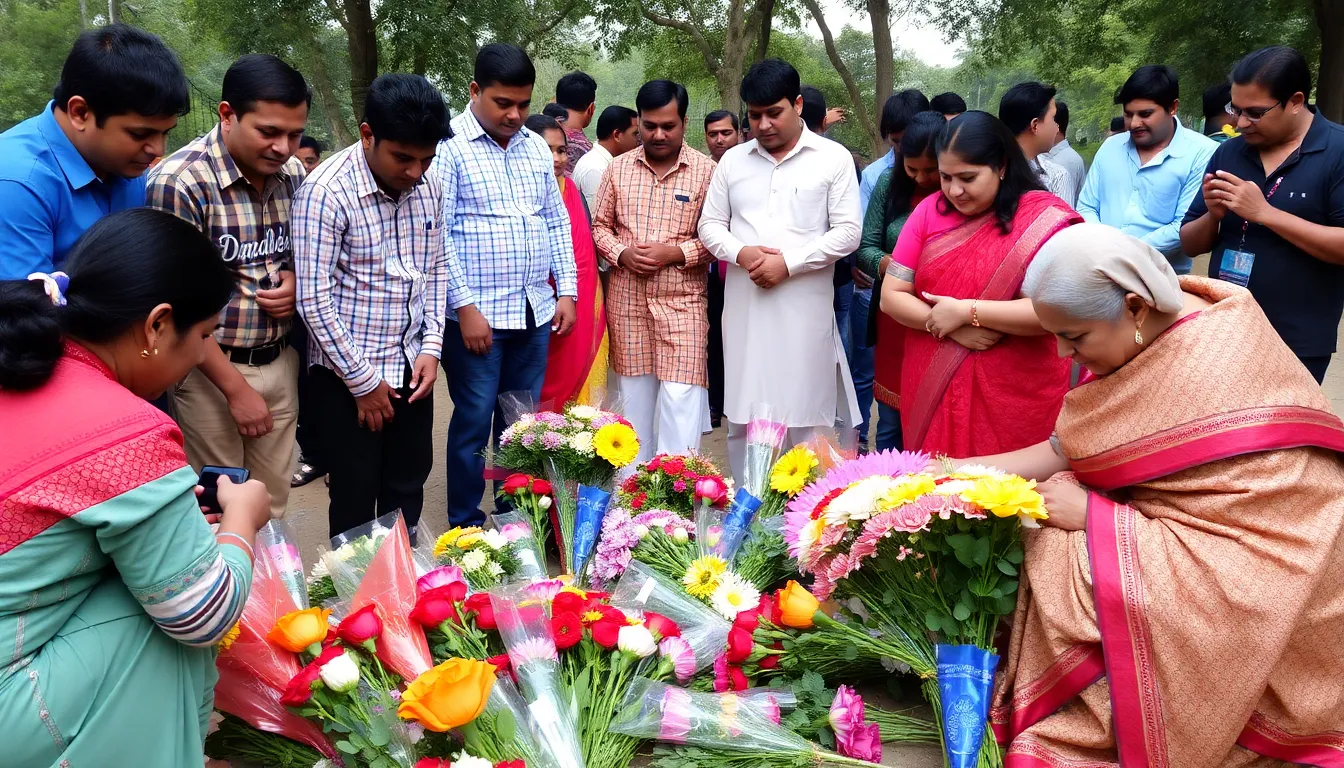
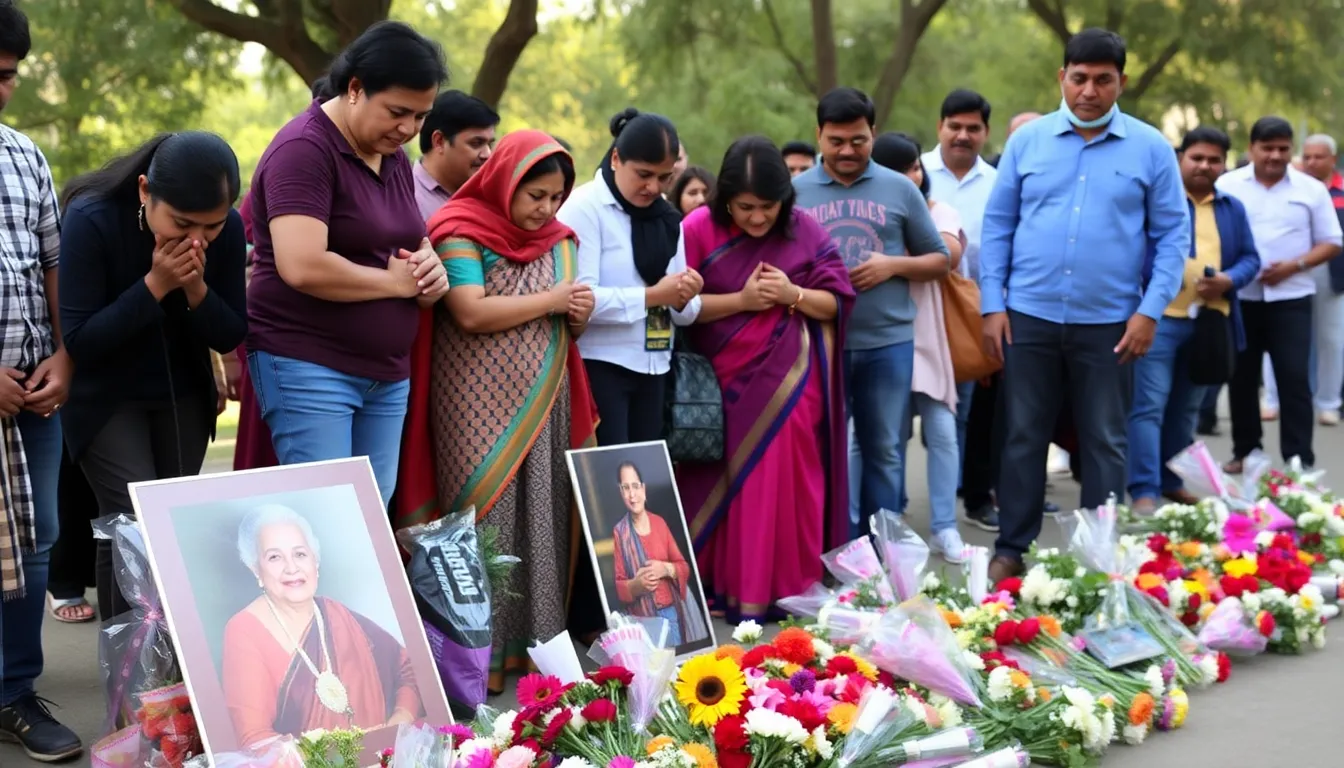
The news of her passing has prompted an outpouring of tributes from fans, fellow artists, and industry veterans, reflecting on her extraordinary impact on Indian music. Many have taken to social media to share memories and express their grief, highlighting the profound connection Bhosle had with her audience. As the industry mourns her loss, it is evident that her departure signifies not only the end of a remarkable career but also a significant shift in the musical landscape of Bollywood.
In a time when Bollywood music continues to evolve, Bhosle’s legacy serves as a reminder of the artistry and passion that defined an era. Her ability to blend traditional Indian music with contemporary sounds paved the way for future generations of artists. As the industry looks ahead, the absence of such a towering figure raises questions about the preservation of the rich musical heritage that she so beautifully represented.
A look back at Asha Bhosle’s remarkable career and contributions
Asha Bhosle, born in 1933, emerged as one of the most iconic playback singers in the Indian film industry, known for her versatility and emotive voice. Her career spanned over seven decades, during which she recorded thousands of songs across various languages and genres. Bhosle’s unique ability to adapt her singing style to suit the moods and themes of different films made her a beloved figure in Bollywood and a significant contributor to its musical landscape, continuing to inspire many, as seen in stories like Arne Olsen.
Her journey began in the 1940s, when she recorded her first song at the tender age of 10. Asha’s early exposure to music, influenced by her family, particularly her older sister Lata Mangeshkar, laid the foundation for her illustrious career. Throughout the 1950s and 1960s, she collaborated with legendary composers like R.D. Burman and Laxmikant-Pyarelal, creating timeless classics that resonated with audiences across generations.
As India underwent significant social and political changes, Bhosle’s music reflected the evolving sentiments of the nation. From the romantic ballads of the golden era to the peppy numbers of the disco age, her songs captured the essence of contemporary life. Bhosle’s ability to transcend genres, from classical to pop, allowed her to remain relevant even as the music industry transformed with the advent of new technologies and styles.
Milestones in Asha Bhosle’s Career
Throughout her career, Asha Bhosle received numerous accolades, including several National Film Awards and a Grammy nomination, underscoring her impact on Indian music. In 1997, she was honored with the Dadasaheb Phalke Award, India’s highest award in cinema, recognizing her lifetime achievements. Her contributions extended beyond playback singing, as she ventured into acting and music direction, further solidifying her legacy as a multifaceted artist.
The passing of Asha Bhosle at the age of 92 marks the end of an era in Bollywood music, leaving behind a rich legacy that will continue to inspire future generations of musicians and singers. Her indelible mark on the industry is a testament to her talent, hard work, and the cultural significance of her contributions to Indian cinema, much like the influence of artists in the evolving landscape, such as those featured in the recent obituaries.
The significance of Asha Bhosle’s influence on Indian music and film
Asha Bhosle, a legendary playback singer, has been a pivotal figure in Indian music and cinema for over seven decades. Her passing at the age of 92 marks the end of an era, not just for her fans but for the entire Bollywood industry. Bhosle’s unique voice and versatility allowed her to transcend genres, making her an icon in both traditional and contemporary music scenes.
The key stakeholders in this situation include the Indian music industry, film producers, and cultural organizations that celebrate and promote Indian music. Each of these actors has a vested interest in preserving Bhosle’s legacy and ensuring that her contributions continue to be recognized. The industry faces the challenge of honoring her memory while also navigating the evolving landscape of music consumption and production.
Conflicts may arise among various stakeholders regarding how to best commemorate Bhosle’s work. For instance, record labels might seek to capitalize on her legacy through posthumous releases, while cultural organizations may advocate for more artistic tributes that reflect her influence on future generations. Additionally, the economic implications of her passing could prompt discussions about royalties and rights management for her extensive catalog.
- Preservation of Legacy: How to honor her contributions through tributes, awards, and retrospectives.
- Economic Impact: The potential for increased sales of her music and related merchandise.
- Industry Dynamics: The balance between commercial interests and artistic integrity in honoring her memory.
- Future Generations: The responsibility of current artists to carry forward her influence and style.
As the music industry reflects on Bhosle’s impact, it must also confront the realities of modern consumption, where digital platforms dominate. This shift poses both challenges and opportunities for preserving her legacy while engaging new audiences. The conversation surrounding her influence will likely continue to evolve, highlighting the importance of recognizing the contributions of artists who shaped the cultural landscape.
How Asha Bhosle’s death affects the music industry and her fans
The passing of Asha Bhosle, a legendary figure in Bollywood music, resonates deeply across various sectors, particularly the music industry and her vast fanbase. Her influence spanned generations, and her contributions have shaped the landscape of Indian music, making her loss felt not just in India but globally.
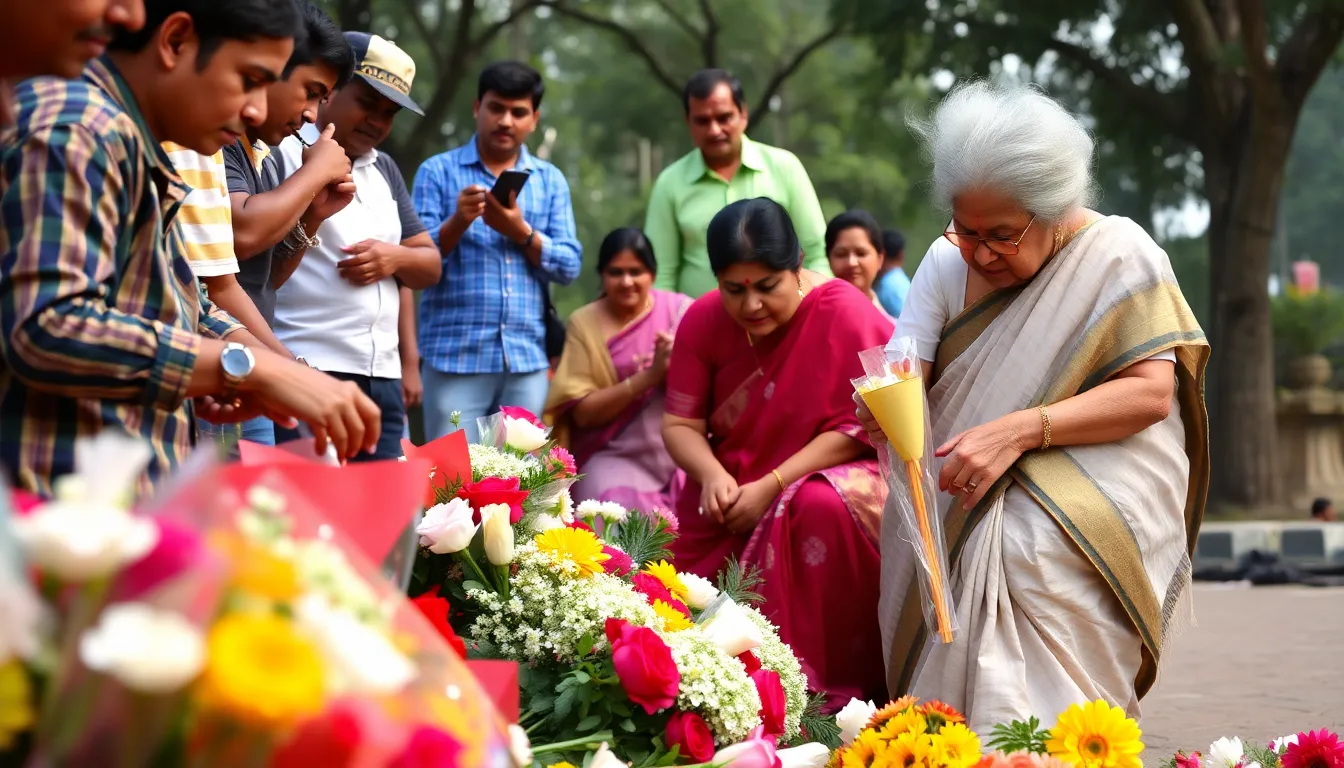
Fans of all ages, from the older generation who grew up with her songs to younger listeners discovering her work through modern media, will experience a profound sense of loss. The emotional impact on her fans may lead to increased memorial events and tributes, providing a platform for collective mourning and celebration of her legacy.
In the short term, music streaming platforms and radio stations may see a surge in plays of her songs, creating a temporary boost in engagement. This could lead to increased sales of her music and merchandise, benefiting record labels and distributors. However, there is also a risk of a decline in new music releases, as the industry grapples with the void left by her absence.
- Short-term impacts: Increased streaming and sales of her music.
- Mid-term impacts: Potential decline in Bollywood music innovation without her influence.
- Risks: Loss of a key cultural icon may lead to a gap in traditional music styles.
- Opportunities: Emerging artists may draw inspiration from her work, leading to new musical styles.
As the industry reflects on her contributions, there may be renewed interest in preserving traditional Indian music forms that she championed. This could inspire new collaborations and projects aimed at celebrating her legacy, offering opportunities for both established and emerging artists.
A: Asha Bhosle is known for numerous hits, including ‘Dum Maro Dum’, ‘Piya Tu Ab To Aaja’, and ‘Chura Liya Hai Tumne Jo Dil Ko’. Her versatility allowed her to sing across various genres. A: Asha Bhosle’s unique voice and style helped shape the sound of Bollywood music over several decades. She collaborated with many legendary composers and singers, leaving a lasting impact. A: Asha Bhosle received numerous awards, including several National Film Awards and the prestigious Dadasaheb Phalke Award, recognizing her contributions to Indian cinema. A: Asha Bhosle’s legacy is her extensive body of work that transcends generations, inspiring countless artists and continuing to resonate with audiences worldwide. A: Fans and fellow artists expressed their grief and shared tributes on social media, highlighting her immense influence and the void her absence leaves in the music industry.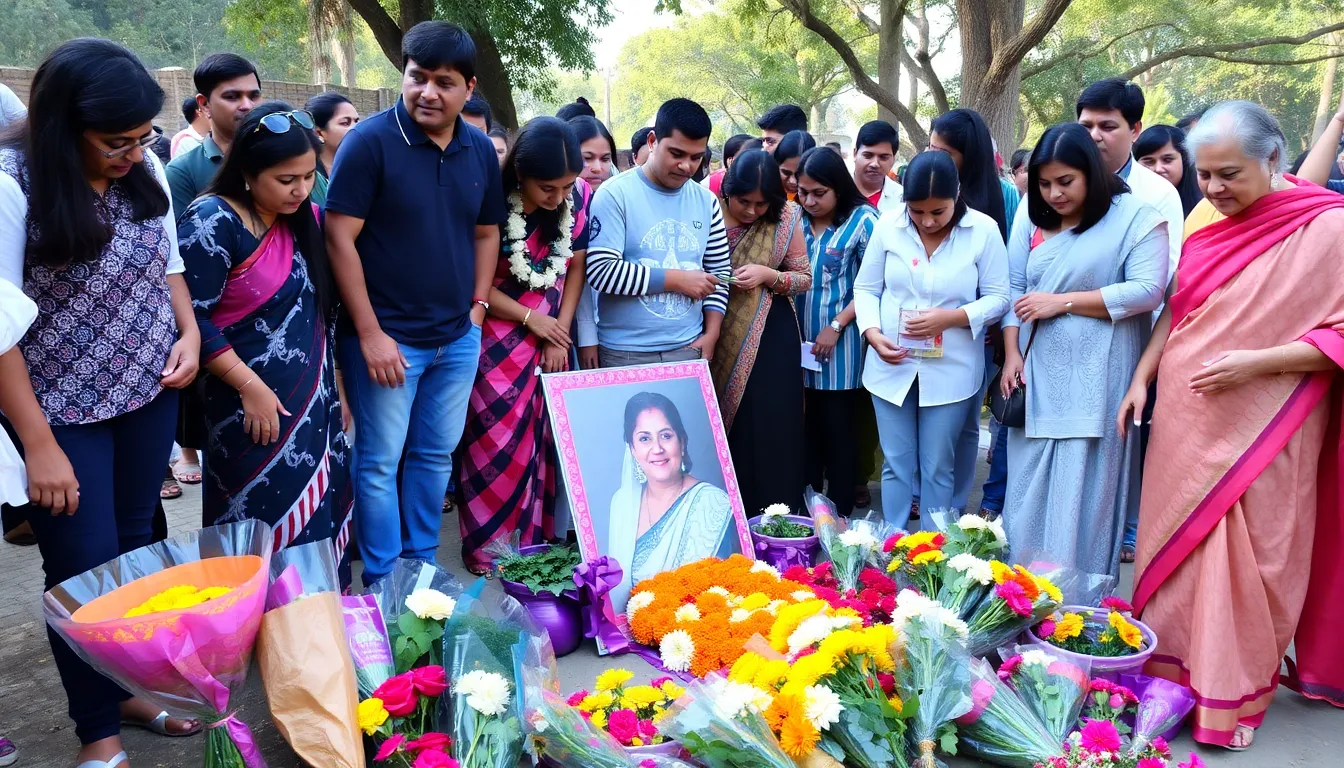
Frequently asked questions about Asha Bhosle
Reflecting on Asha Bhosle’s legacy and future of Bollywood music
Asha Bhosle’s passing marks the end of an era in Bollywood music, a genre that has been profoundly shaped by her unparalleled contributions. Her voice not only defined countless iconic songs but also bridged generations, connecting the past with the present. As the industry grapples with this significant loss, it faces the challenge of evolving while honoring its rich musical heritage.
The future of Bollywood music is likely to see a blend of traditional influences and contemporary styles, as artists seek to innovate while paying homage to legends like Bhosle. The impact of her artistry will continue to resonate, inspiring new musicians to explore the depths of their creativity and cultural roots.
- Expect a resurgence of interest in classic Bollywood music as younger artists seek inspiration from Asha Bhosle’s extensive repertoire.
- Watch for collaborations between established artists and newcomers, blending traditional and modern musical styles.
- Anticipate increased efforts to preserve and celebrate the legacies of iconic artists through tribute concerts and special projects.
- Monitor how streaming platforms may curate playlists that highlight Bhosle’s impact on Bollywood, introducing her work to new audiences.
- Consider the potential for a renewed focus on vocal training and artistry in the industry, inspired by Bhosle’s dedication to her craft.