


The organization affected, which had been receiving federal support for its vaccine education initiatives, expressed concern that this move could set a precedent for silencing dissenting voices in public health discourse. Critics argue that the withdrawal of funding could hinder efforts to promote vaccine confidence, especially in the wake of rising vaccine hesitancy across the country. To better understand how vaccine schedules are evolving, you might consider this article on R.F.K. Jr. likely swapping the U.S. childhood vaccine schedule.
Supporters of HHS’s decision contend that the agency is justified in reallocating funds to groups that align more closely with its public health objectives. They argue that organizations that undermine scientific consensus on vaccines should not receive taxpayer dollars, emphasizing the importance of maintaining trust in vaccination programs.
This situation highlights the ongoing tensions in the U.S. regarding vaccine policy, public health communication, and the role of government funding in shaping the narrative around vaccination. As the debate continues, stakeholders from various sectors are closely monitoring the potential impact on public health initiatives and community trust in vaccines.
Understanding the background of HHS funding decisions
The recent decision by the Department of Health and Human Services (HHS) to cancel grants to a group that publicly criticized Robert F. Kennedy Jr.’s vaccine policies has sparked significant debate. This situation is rooted in a complex interplay of historical, political, and social factors surrounding public health initiatives and vaccine advocacy in the United States.
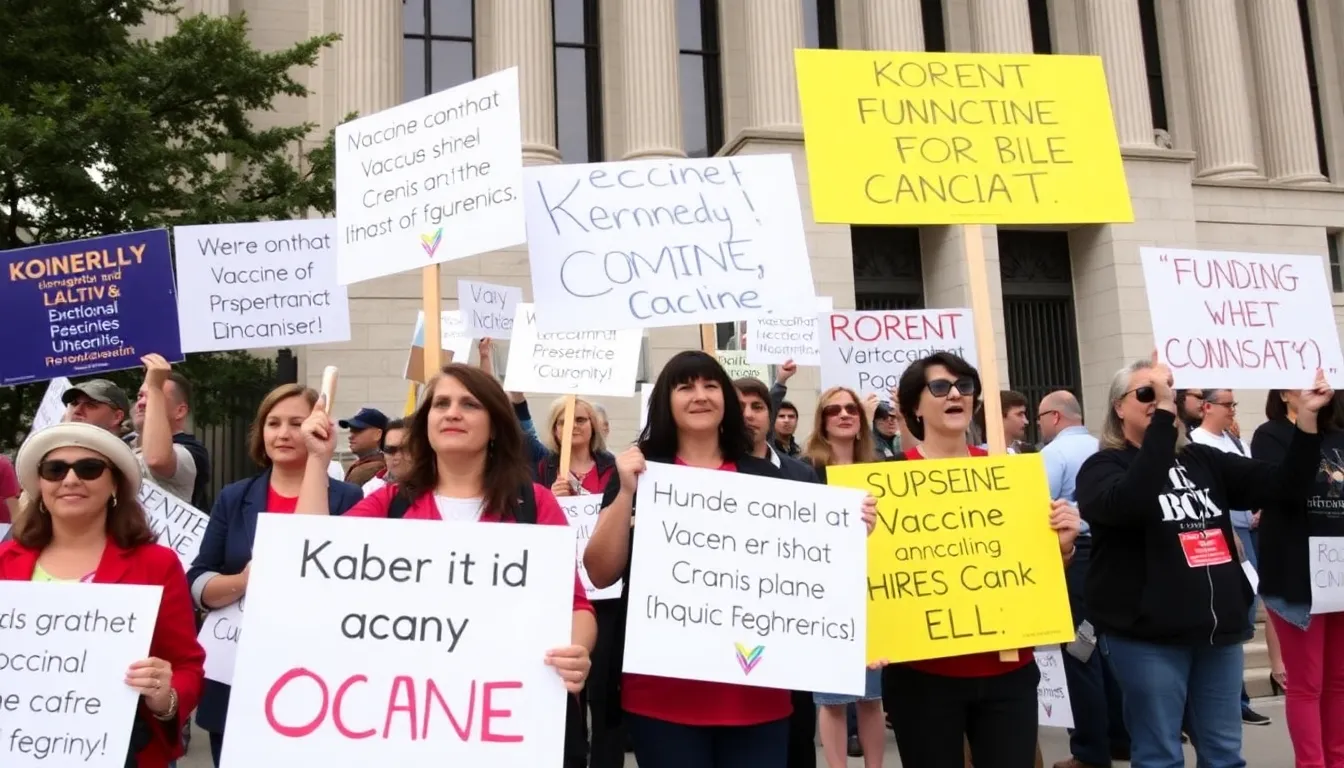
Historically, vaccine skepticism has been a recurring theme in American public health discourse. The anti-vaccine movement gained momentum in the late 1990s and early 2000s, fueled by controversial studies and high-profile figures questioning vaccine safety. As public health agencies and advocates worked to combat misinformation, funding for organizations that support vaccination efforts became increasingly critical. This issue highlights the broader challenges faced by public health in addressing concerns, as discussed in this related coverage of public discourse.
In recent years, the political landscape surrounding vaccines has become more polarized, with figures like RFK Jr. emerging as prominent critics of vaccine policies. His stance has resonated with certain segments of the population, leading to a growing divide between pro-vaccine advocates and those who question vaccine efficacy and safety. This polarization has influenced how government funding is allocated, with HHS under pressure to support groups that align with established public health consensus.
The Role of Funding in Public Health Advocacy
Funding decisions by HHS are often guided by the agency’s mission to promote public health and prevent disease. In this context, grants are typically awarded to organizations that align with scientific research and public health recommendations. The cancellation of grants to a group that criticized vaccine policies raises questions about the criteria used in funding decisions and the implications for public health advocacy. Critics argue that such actions could stifle dissenting voices and limit the diversity of opinions in the public health arena. For more on this topic, see our piece on the impact of governmental decisions on public health.
Examining the implications of this funding cancellation
The recent decision by the Department of Health and Human Services (HHS) to cancel grants to an organization that publicly criticized Robert F. Kennedy Jr.’s vaccine policies has sparked significant debate among various stakeholders. The primary actors in this scenario include the HHS, the organization that received the grants, RFK Jr. himself, and the broader public health community. Each of these stakeholders has distinct interests that shape their responses to this funding cancellation.
HHS, as a government agency, is tasked with promoting public health and ensuring that health policies are based on scientific evidence. By canceling the grants, HHS may aim to distance itself from organizations that challenge established vaccine policies, thereby reinforcing its commitment to vaccination as a crucial public health measure. This action may also be seen as an attempt to limit the spread of misinformation surrounding vaccines, which has become a contentious issue in recent years.
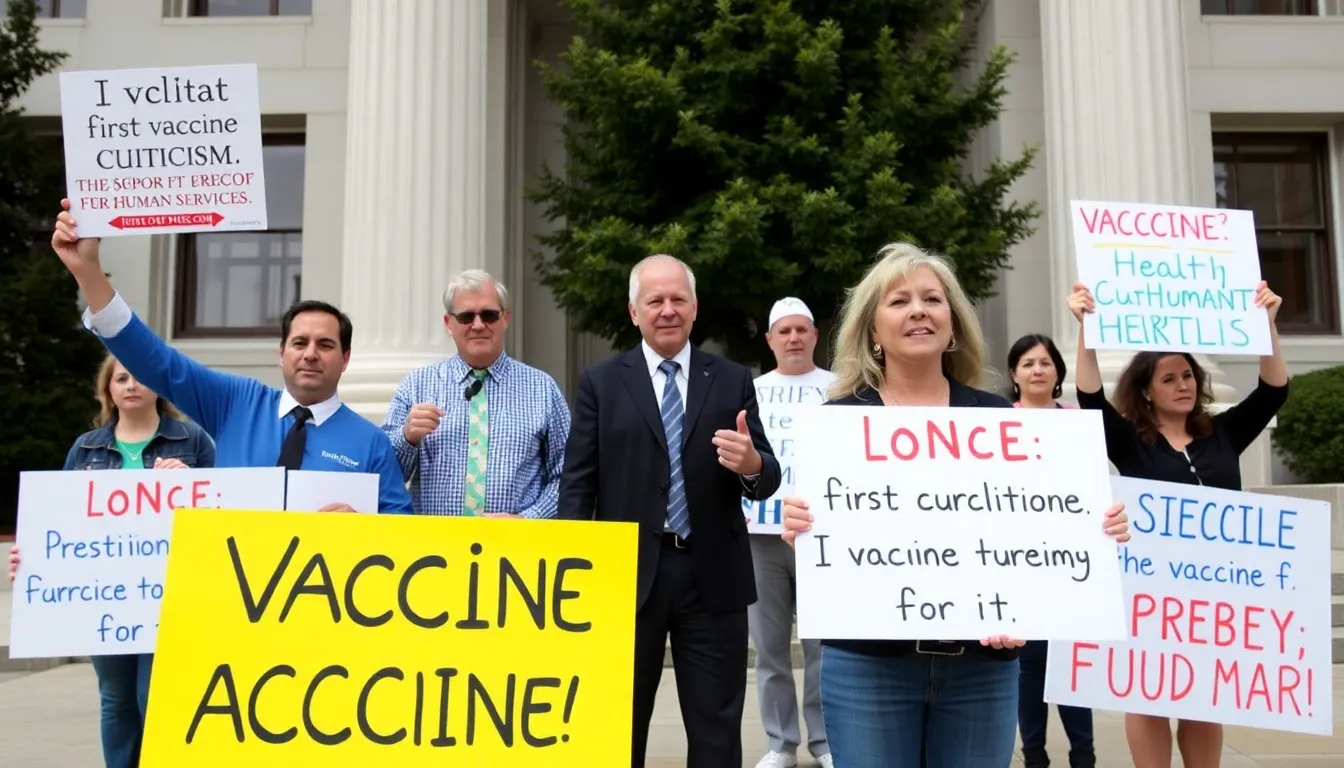
On the other hand, the organization that lost the funding may argue that its critical stance on vaccine policies is rooted in a commitment to transparency and informed consent. This group may view the funding cancellation as an infringement on their ability to advocate for alternative viewpoints, raising concerns about academic freedom and the suppression of dissenting opinions in the public health discourse.
- The conflict between public health imperatives and freedom of speech.
- Potential economic implications for the organization that lost funding, including job losses and reduced outreach capabilities.
- The role of government agencies in regulating public health narratives and their impact on scientific debate.
- Public perception of vaccine safety and the influence of high-profile figures like RFK Jr. on health policy.
These dynamics illustrate the complex interplay between government actions, public health advocacy, and individual rights. As the debate continues, it is essential for stakeholders to navigate these issues thoughtfully, considering the broader implications for public trust in health institutions and the future of vaccine policy in the United States.
Who is affected by the HHS grant cancellation
The recent decision by the Department of Health and Human Services (HHS) to cancel grants to a group that criticized Robert F. Kennedy Jr.’s vaccine policies has far-reaching implications. Various stakeholders, including public health organizations, vaccine advocacy groups, and the general public, are likely to feel the impact of this decision.
In the short term, public health organizations that relied on these grants for funding may face immediate operational challenges. This could lead to a reduction in outreach programs, education initiatives, and community health services. The cancellation may also discourage other organizations from speaking out against controversial vaccine policies, fearing similar repercussions.
In the mid-term, the cancellation of these grants could affect vaccine uptake and public trust in vaccination programs. If advocacy groups are unable to effectively communicate the benefits of vaccines, there may be an increase in vaccine hesitancy among certain populations. This could lead to a resurgence of vaccine-preventable diseases, impacting overall public health.
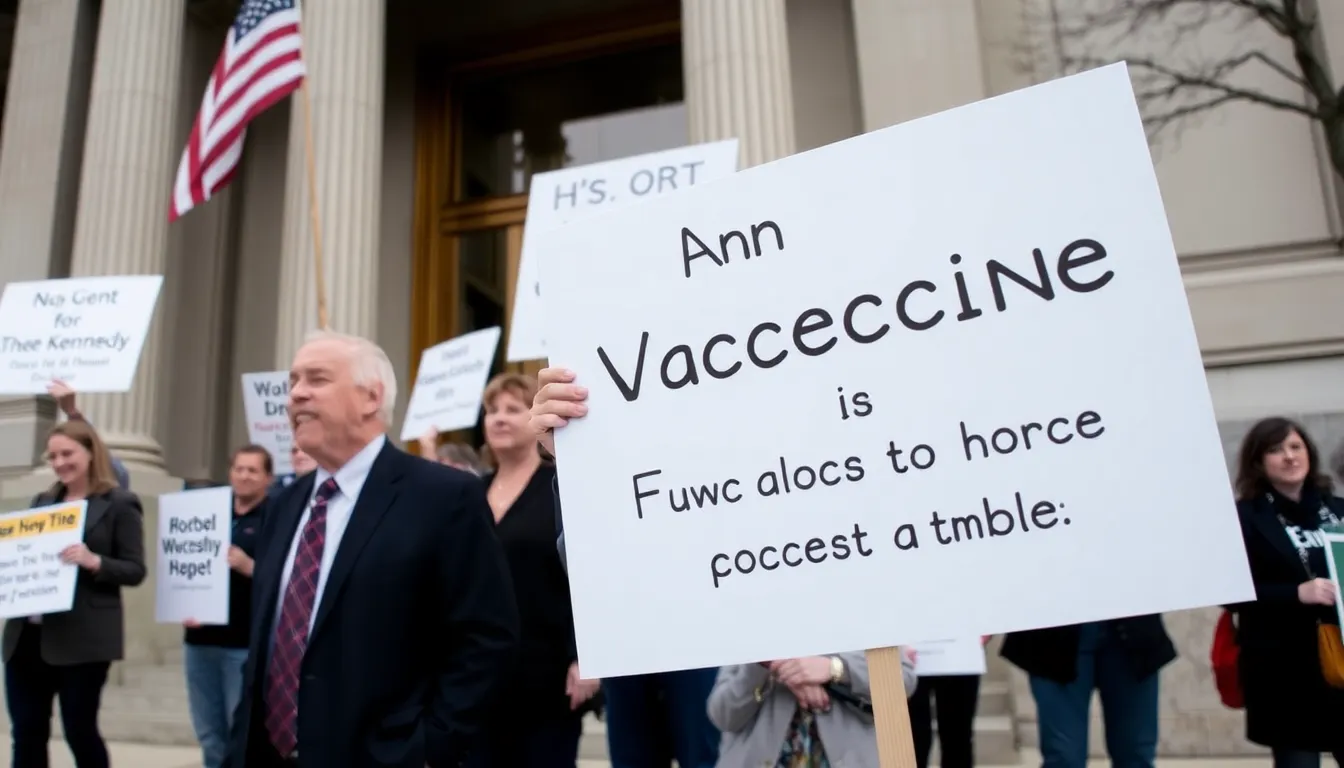
- Public Health Organizations: May experience funding shortages.
- Vaccine Advocacy Groups: Risk reduced influence in policy discussions.
- General Public: Could face increased health risks due to vaccine hesitancy.
- Policy Makers: May encounter challenges in promoting vaccination initiatives.
However, this situation also presents potential opportunities. Other organizations may step in to fill the gap left by the canceled grants, fostering new partnerships and innovative approaches to vaccine advocacy. Additionally, this controversy could galvanize support among pro-vaccine communities, leading to a stronger collective voice in favor of vaccination policies.
A: HHS canceled the grants due to the group’s criticism of Robert F. Kennedy Jr.’s vaccine policies, suggesting a potential influence of political views on funding. A: The grants were terminated for a public health organization that had openly criticized RFK Jr.’s stance on vaccines, impacting their ongoing projects. A: The cancellation may hinder public health initiatives that rely on the funding, potentially affecting vaccine advocacy and education efforts. A: While HHS has the authority to cancel grants, such decisions based on political criticism are relatively uncommon and raise ethical questions. A: This decision could set a precedent for how political affiliations may influence funding, impacting the independence of public health organizations.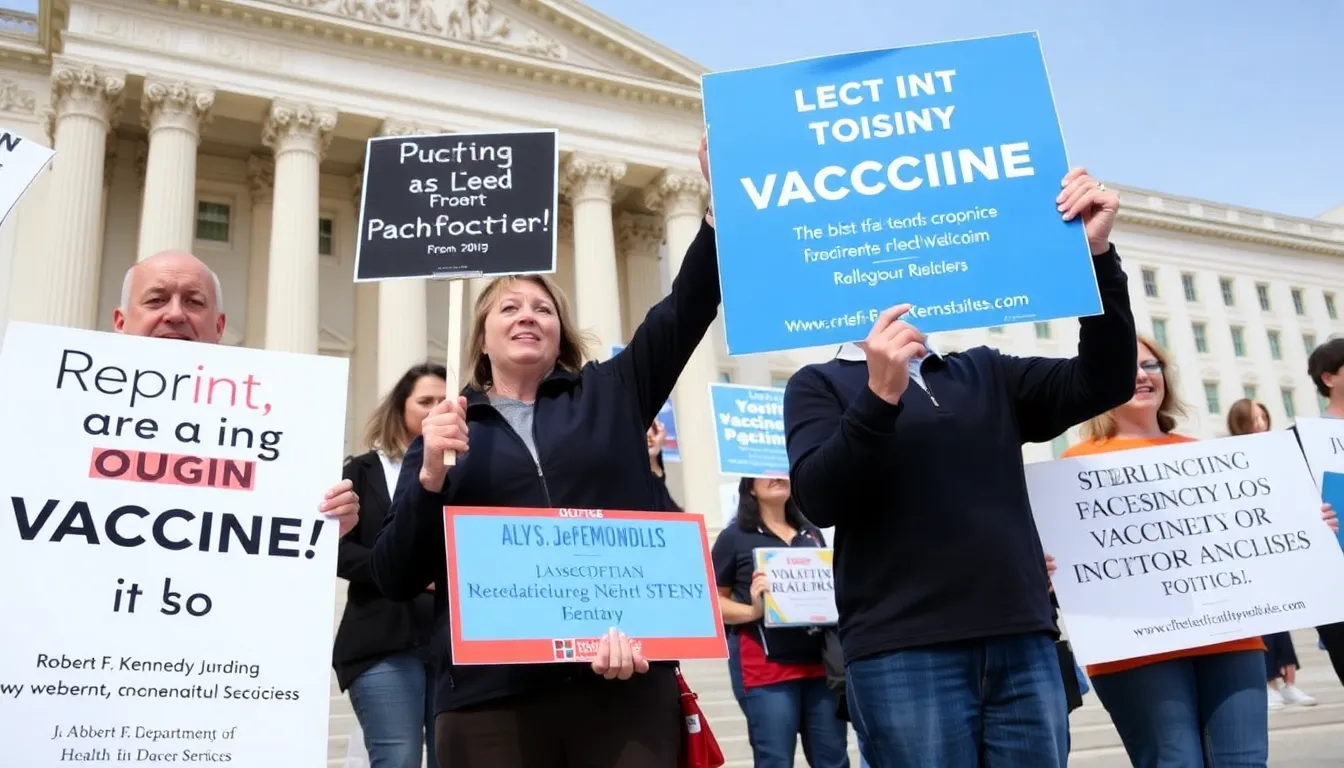
Frequently asked questions about the grant cancellation
Key takeaways and future outlook on vaccine policy discussions
The recent decision by the Department of Health and Human Services (HHS) to cancel grants to a group that publicly criticized Robert F. Kennedy Jr.’s vaccine policies highlights the ongoing tensions surrounding vaccine discourse in the United States. This action not only raises questions about the role of government funding in public health advocacy but also underscores the polarized nature of vaccine discussions, particularly as misinformation continues to spread.
As vaccine policy evolves, stakeholders must navigate the implications of such funding decisions on public trust and the broader dialogue surrounding vaccination. Observers should monitor how this situation influences future grant allocations, advocacy efforts, and public perception of vaccine safety and efficacy.
- Watch for potential shifts in funding strategies for public health organizations that advocate for vaccine policies.
- Consider the impact of this cancellation on the credibility and influence of both the HHS and the criticized group.
- Monitor public response and engagement with vaccine discussions, particularly in communities that may feel marginalized by government actions.
- Evaluate how this incident may affect future collaborations between governmental agencies and health advocacy groups.
- Stay informed about legislative measures that may arise in response to the ongoing vaccine debate and related funding issues.