


As the strike progresses into its third week, supporters have reported that the health of several participants is deteriorating, raising concerns among family members and advocates. The families argue that engaging with Lammy is crucial to address their demands and amplify the voices of those affected by the ongoing violence in the region. For insights on family dynamics during challenging times, you may also explore Navigating Family Estrangement During the Holidays.
David Lammy has faced increasing pressure from constituents and human rights organizations to take a definitive stance on the issue. The families believe that a dialogue with him could lead to greater political support for their cause and bring attention to the plight of Palestinians, which they feel has been overlooked in recent parliamentary discussions.
In a statement released on social media, the families emphasized the urgency of their request, citing the need for immediate action to prevent further escalation of the humanitarian crisis. They are hopeful that a meeting with Lammy could facilitate a broader conversation about the UK’s foreign policy and its implications for the people of Palestine, an issue that has been at the forefront of various advocacy efforts, including those highlighted by BBC Inside Science.
Understanding the backdrop of the hunger strike
The ongoing conflict between Israel and Palestine has deep historical roots, dating back to the early 20th century when tensions began to rise over land claims and national identities. The establishment of the State of Israel in 1948, which Palestinians refer to as the Nakba or “catastrophe,” led to the displacement of hundreds of thousands of Palestinians and has since fueled a cycle of violence and resistance. Over the decades, various Palestinian groups have engaged in protests, uprisings, and negotiations, but the quest for statehood and recognition remains unresolved.
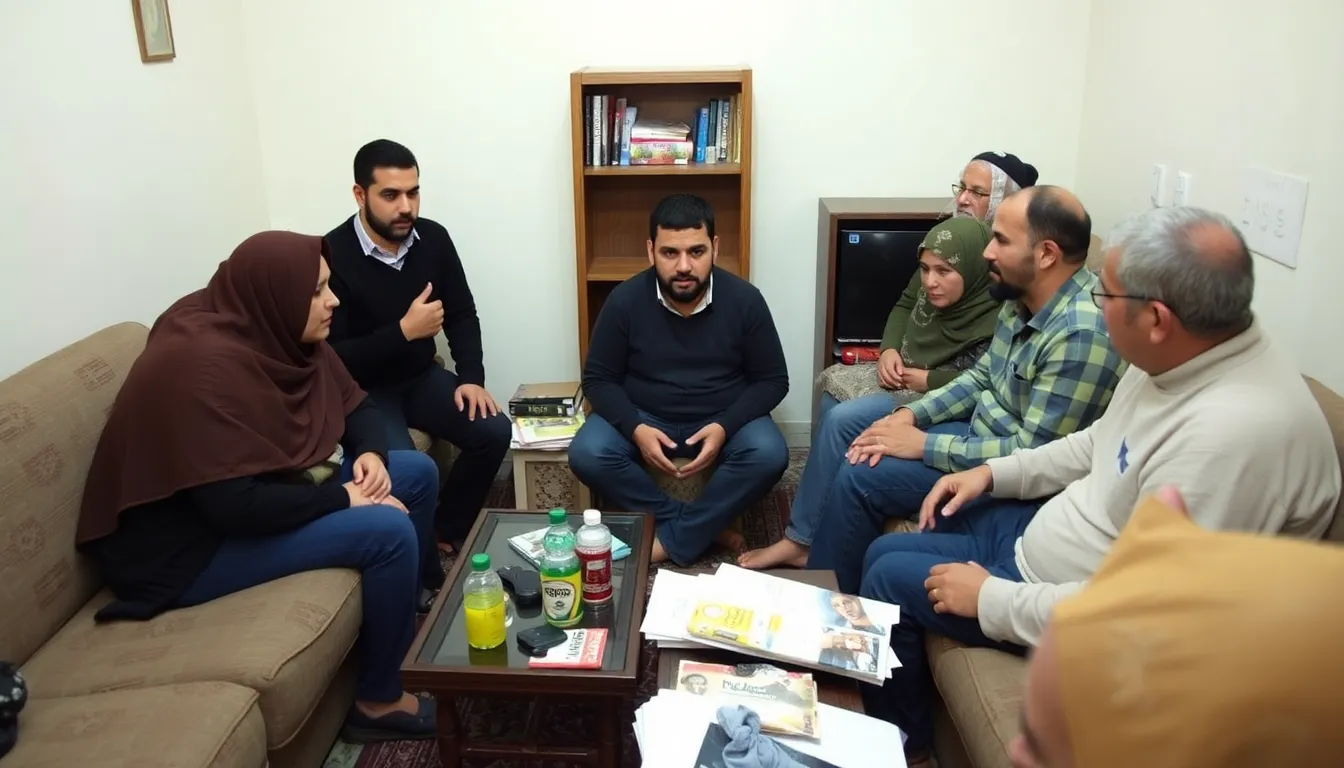
In recent years, the situation has been exacerbated by the expansion of Israeli settlements in the West Bank, ongoing military operations, and a blockade on Gaza. These actions have not only intensified the humanitarian crisis in the region but have also galvanized Palestinian activists and their supporters worldwide. The hunger strike, a form of protest that has historical precedence in the Palestinian resistance, symbolizes the desperation and determination of those advocating for their rights and freedoms.
The current hunger strike involves several activists from Palestine Action, a group known for its direct action against companies that support the Israeli military. Their protests highlight the complicity of certain businesses in the ongoing occupation and human rights abuses. The families of these hunger strikers are now seeking an urgent meeting with David Lammy, the UK Shadow Foreign Secretary, to draw attention to their plight and the broader implications of UK foreign policy on the Israeli-Palestinian conflict.
The significance of hunger strikes in protest movements
Hunger strikes have historically served as a powerful tool for political prisoners and activists to draw attention to their causes. In the Palestinian context, hunger strikes have been employed by prisoners to protest against their detention conditions and the lack of due process. This method of protest is not only a personal sacrifice but also a way to mobilize public opinion and pressure authorities for change. The current hunger strikers are following in the footsteps of previous activists who have used this method to highlight their struggles and aspirations for justice.
Key stakeholders and their roles in the ongoing situation
The ongoing hunger strike by Palestine Action activists has drawn attention from various stakeholders, each with distinct interests and concerns. At the forefront are the families of the hunger strikers, who are advocating for their loved ones’ rights and well-being. They seek an urgent meeting with David Lammy, the Shadow Foreign Secretary, to address their grievances and gain support for their cause.
Another key actor in this situation is the UK government, which faces pressure to respond to the hunger strike and the broader issues surrounding Palestine. The government’s stance on human rights and international relations is under scrutiny, particularly in light of the ongoing conflict in the region. This creates a complex dynamic where political interests may conflict with humanitarian concerns.
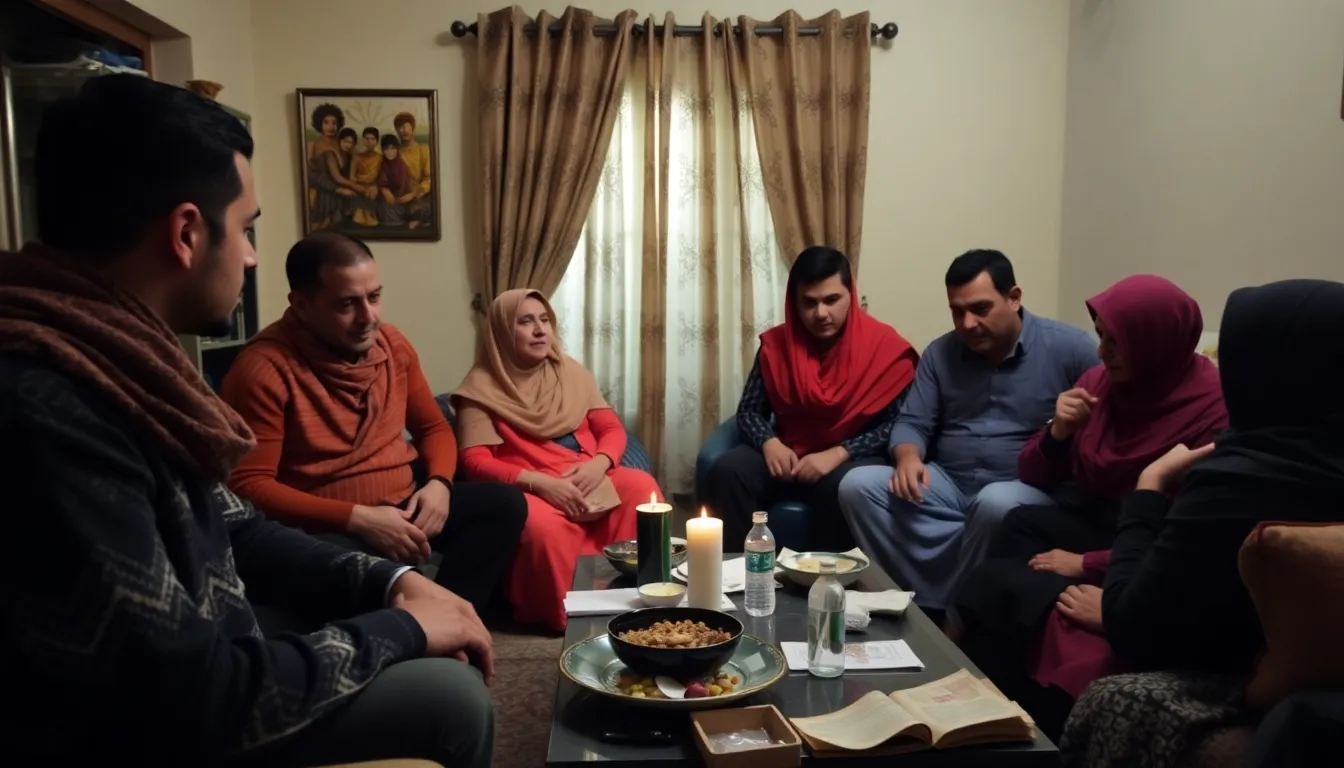
Additionally, advocacy groups focused on human rights and Palestinian issues are actively involved. Organizations such as Amnesty International and Human Rights Watch may view the hunger strike as an opportunity to highlight the plight of Palestinian activists. Their involvement can amplify the voices of the families and put additional pressure on political leaders to take action.
- Families of hunger strikers: Seeking justice and support for their loved ones.
- UK Government: Balancing international relations with human rights obligations.
- Advocacy groups: Aiming to raise awareness and influence policy changes.
- Public opinion: Shaping the narrative around the hunger strike and its implications.
- Media: Reporting on the events and providing a platform for stakeholders’ voices.
The intersection of these interests illustrates the complexity of the situation. The families’ urgent plea for a meeting with Lammy highlights their desperation and the need for dialogue. Meanwhile, the government must navigate its diplomatic relations while addressing the humanitarian aspects of the hunger strike. The involvement of advocacy groups can serve to unite these interests, yet it also raises questions about the effectiveness of such activism in achieving tangible outcomes.
The effects of the hunger strike on families and communities
The ongoing hunger strike by Palestine Action activists has far-reaching implications for families and communities involved, as well as for broader social and political landscapes. The families of the strikers are directly affected, experiencing emotional and psychological stress as they rally for support and seek urgent meetings with political figures like David Lammy, which reflects a much larger narrative similar to that witnessed in Bondi area faces aftermath of two deadly attacks in two years.
In the short term, the hunger strike can disrupt daily life for these families, who may find themselves navigating the complexities of public demonstrations, media attention, and emotional turmoil. This situation can also affect local businesses, especially those that rely on community engagement and support, as public gatherings may deter customers or alter shopping patterns.
In the mid-term, the hunger strike could influence policy discussions around social justice and human rights, potentially leading to increased advocacy for Palestinian rights. This shift may create opportunities for non-profit organizations and activists to gain traction in their campaigns, prompting a reevaluation of existing policies related to the Israeli-Palestinian conflict.
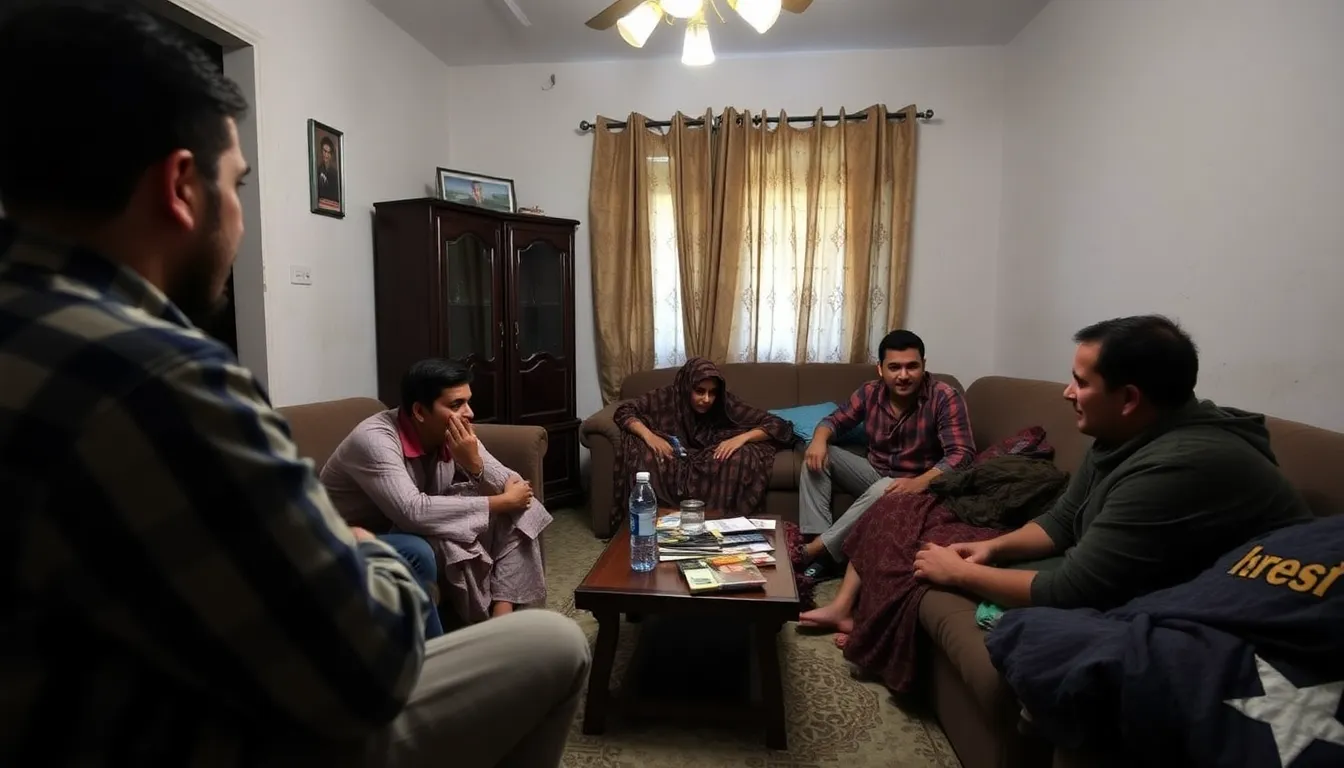
- Emotional strain on families of hunger strikers.
- Potential shifts in public policy and advocacy efforts.
- Impact on local businesses due to changing community dynamics.
- Increased media attention on the Palestinian cause.
While the hunger strike poses significant risks, including potential health consequences for the strikers and heightened tensions in the community, it also presents opportunities for solidarity and mobilization among those advocating for change. The engagement of political leaders like Lammy could catalyze a broader dialogue on human rights and social justice, influencing both public opinion and legislative action.
A: The hunger strike was initiated to protest against specific government actions and policies affecting their rights and freedoms. A: David Lammy is a prominent UK politician and the families believe he can influence change regarding their concerns. A: The hunger strikers are demanding urgent attention to their plight and a commitment to address their grievances by the government. A: Public response has been mixed, with some supporting the strikers while others remain unaware of the situation. A: The meeting could lead to increased awareness and possibly prompt policy discussions that address the strikers’ demands.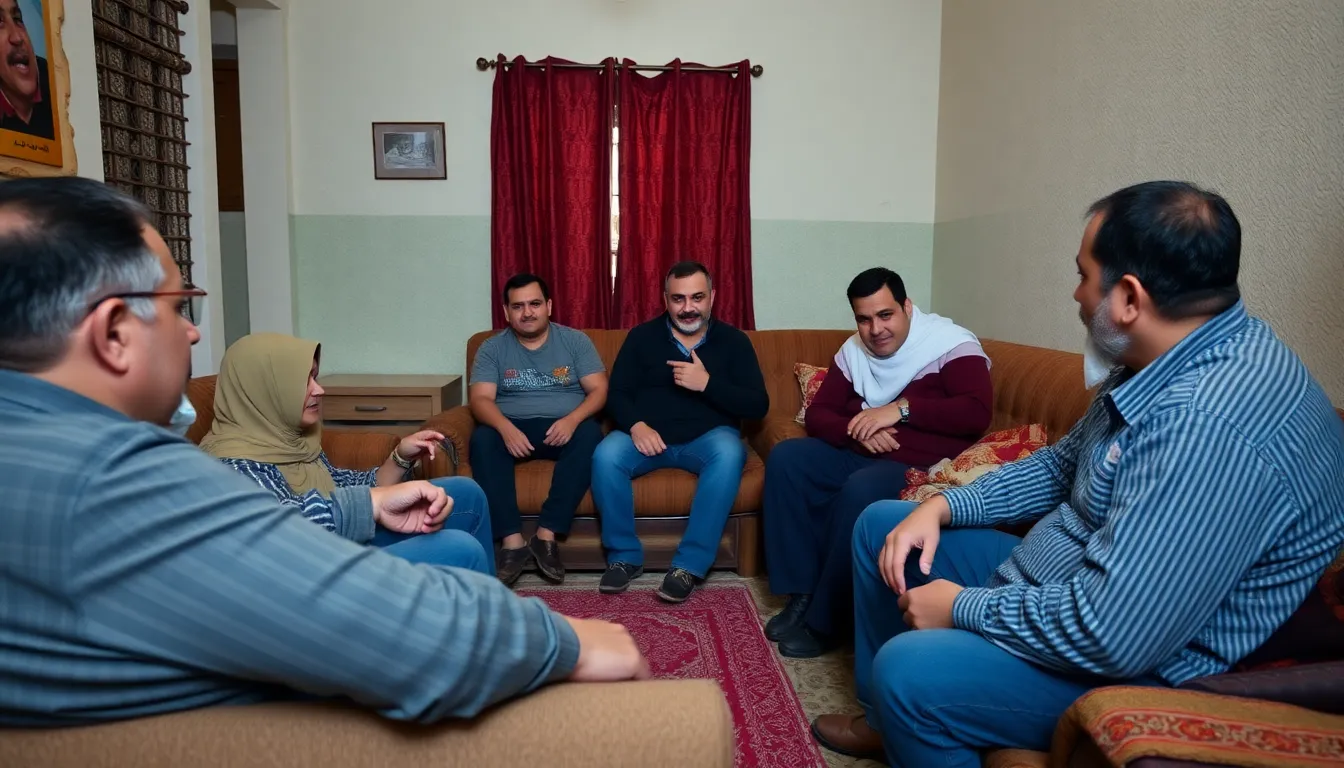
Frequently asked questions about the hunger strike and meeting
Looking ahead: key points and future implications
The ongoing hunger strike by Palestine Action activists has drawn significant attention to the issues surrounding their cause, highlighting the urgency of their demands. As families seek a meeting with David Lammy, the implications of this situation extend beyond immediate concerns, potentially influencing political discourse and public perception regarding Palestine activism in the UK.
It will be crucial to observe how Lammy and other political figures respond to these appeals, as their actions could either foster dialogue or exacerbate tensions. The increasing visibility of the hunger strikers may also inspire similar movements, prompting broader discussions about human rights and activism.
- The response from David Lammy could set a precedent for how political leaders engage with grassroots movements.
- Increased media coverage may lead to heightened public awareness and support for Palestine Action’s objectives.
- The situation may encourage other activist groups to adopt similar tactics to amplify their causes.
- Monitoring the health and well-being of the hunger strikers will be essential, as their condition may influence public sentiment and political action.
- Potential policy discussions around human rights and activism in the UK could emerge as a result of this heightened attention.