


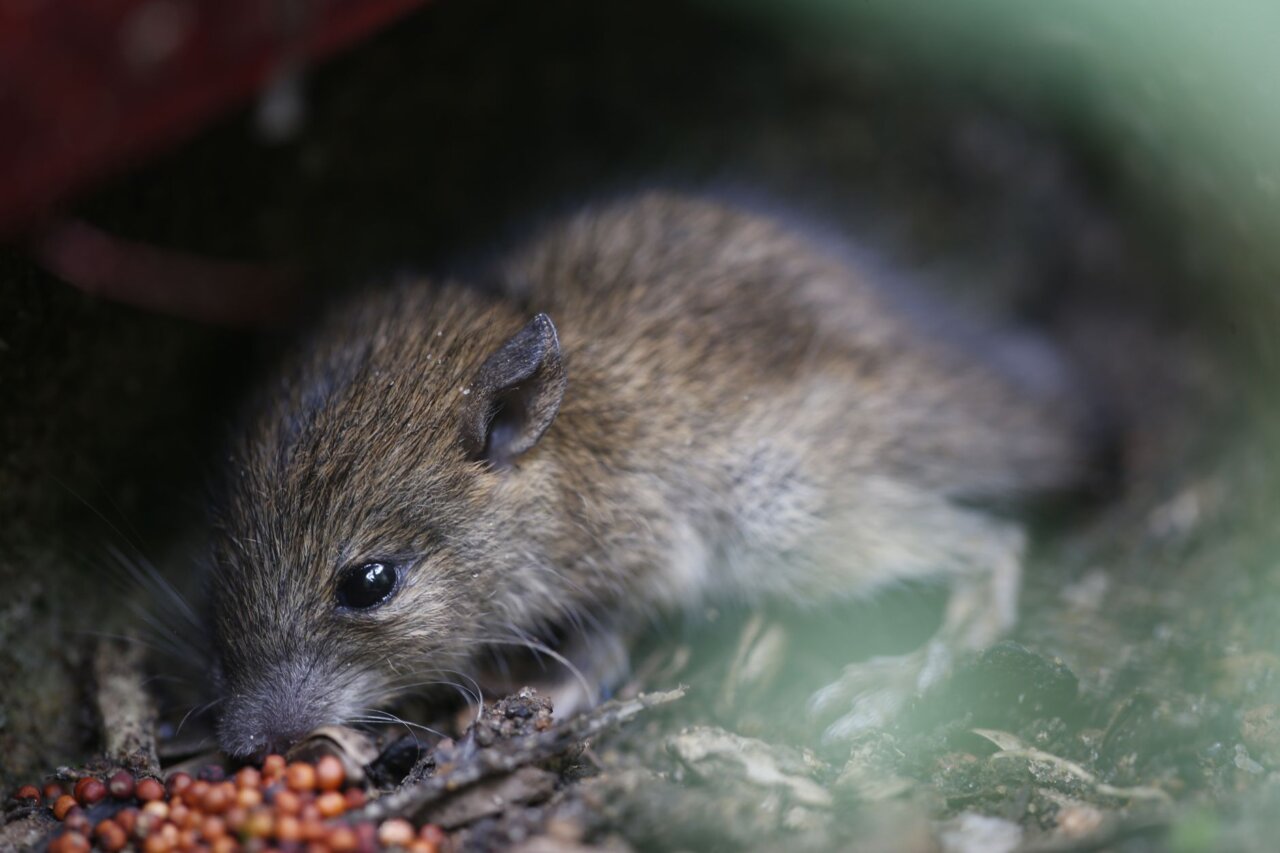
The Centers for Disease Control and Prevention (CDC) has noted that hantavirus is primarily spread through contact with infected rodent droppings, urine, or saliva. In the United States, the first recognized case of HPS was reported in 1993, and since then, the virus has been responsible for sporadic outbreaks, with a case fatality rate of around 38%. The recent surge in cases underscores the need for heightened surveillance and public health preparedness, similar to the ongoing challenges faced in public health systems.
In addition to the health risks, the potential for a hantavirus outbreak poses significant implications for public health systems already strained by the COVID-19 pandemic. Experts emphasize the importance of understanding zoonotic diseases and their pathways to human infection, as well as the need for effective communication strategies to educate communities about prevention measures. Such measures can be critical in areas where ecological factors influence disease transmission.
International health organizations are closely monitoring the situation, with a focus on research and collaboration to mitigate risks. The lessons learned from the COVID-19 pandemic regarding rapid response and information sharing could play a crucial role in addressing any future hantavirus incidents. As the world navigates these challenges, the importance of proactive measures and global cooperation in infectious disease management cannot be overstated.
Historical Context of Hantavirus Outbreaks
The hantavirus, a rodent-borne virus first identified in the early 1990s, has a complex history that underscores the delicate balance between human populations and wildlife. The initial outbreak in the United States, linked to the Sin Nombre virus, resulted in a series of severe respiratory illnesses in the southwestern states, raising alarms about the potential for widespread disease. This outbreak highlighted the risks posed by zoonotic diseases, which can leap from animals to humans, often with devastating consequences, much like the interactions studied in ecosystems affected by climate change.
Historically, hantavirus infections have been documented in various parts of the world, particularly in regions where human encroachment into natural habitats has increased. The rise in urbanization and agricultural expansion has led to greater interactions between humans and rodent populations, creating conditions ripe for the transmission of the virus. In this context, understanding the ecological factors that contribute to hantavirus outbreaks is essential for public health preparedness.

Key Milestones in Hantavirus Research
Significant milestones in hantavirus research have shaped our understanding of the disease and its transmission. In 1993, the discovery of the Sin Nombre virus marked a turning point, leading to increased funding and attention to viral research. Subsequent studies have identified various hantaviruses across different continents, each with unique epidemiological characteristics. The development of diagnostic tests and vaccines has been a focus of research, although challenges remain in implementing effective preventive measures.
Moreover, the political and economic implications of hantavirus outbreaks cannot be overlooked. Governments and health organizations have had to navigate resource allocation, public awareness campaigns, and the coordination of response efforts. The lessons learned from past outbreaks have informed strategies to mitigate the risks associated with emerging infectious diseases, emphasizing the importance of surveillance and rapid response capabilities.
As the world faced the COVID-19 pandemic, the potential for a hantavirus disaster loomed in the background. The interconnectedness of global health systems and the impact of climate change on wildlife behavior have made it crucial to remain vigilant. Understanding the historical context of hantavirus outbreaks provides valuable insights into the ongoing challenges of managing zoonotic diseases in an increasingly interconnected world.

Key Stakeholders and Their Roles in Preventing a Crisis
The potential for a hantavirus outbreak highlights the critical roles played by various stakeholders in public health and crisis management. Understanding their interests and the conflicts that may arise is essential for analyzing the broader implications of preventing such a disaster.
First and foremost, the World Health Organization (WHO) serves as a key actor in global health governance. Their interest lies in coordinating international responses to emerging infectious diseases, providing guidance, and facilitating research. However, their reliance on member states for data and cooperation can lead to conflicts, particularly when national interests overshadow global health priorities.
National governments are also pivotal in managing public health threats. In the case of hantavirus, countries with endemic rodent populations face unique challenges. Their interests include maintaining public safety, economic stability, and political credibility. Trade-offs may occur when governments prioritize economic activities over stringent health measures, potentially increasing the risk of an outbreak.

- Local health departments play a crucial role in surveillance and response efforts, often facing resource constraints.
- Non-governmental organizations (NGOs) focus on education and prevention, advocating for vulnerable communities affected by zoonotic diseases.
- Researchers and scientists are essential for understanding hantavirus transmission and developing effective interventions, yet they often struggle for funding and support.
Legal frameworks surrounding public health also present challenges. The balance between individual rights and community safety can lead to contentious debates, especially regarding mandatory health measures. Economic considerations further complicate these discussions, as stakeholders must navigate the implications of potential lockdowns or restrictions on movement.
Who Would Be Affected by a Hantavirus Outbreak?
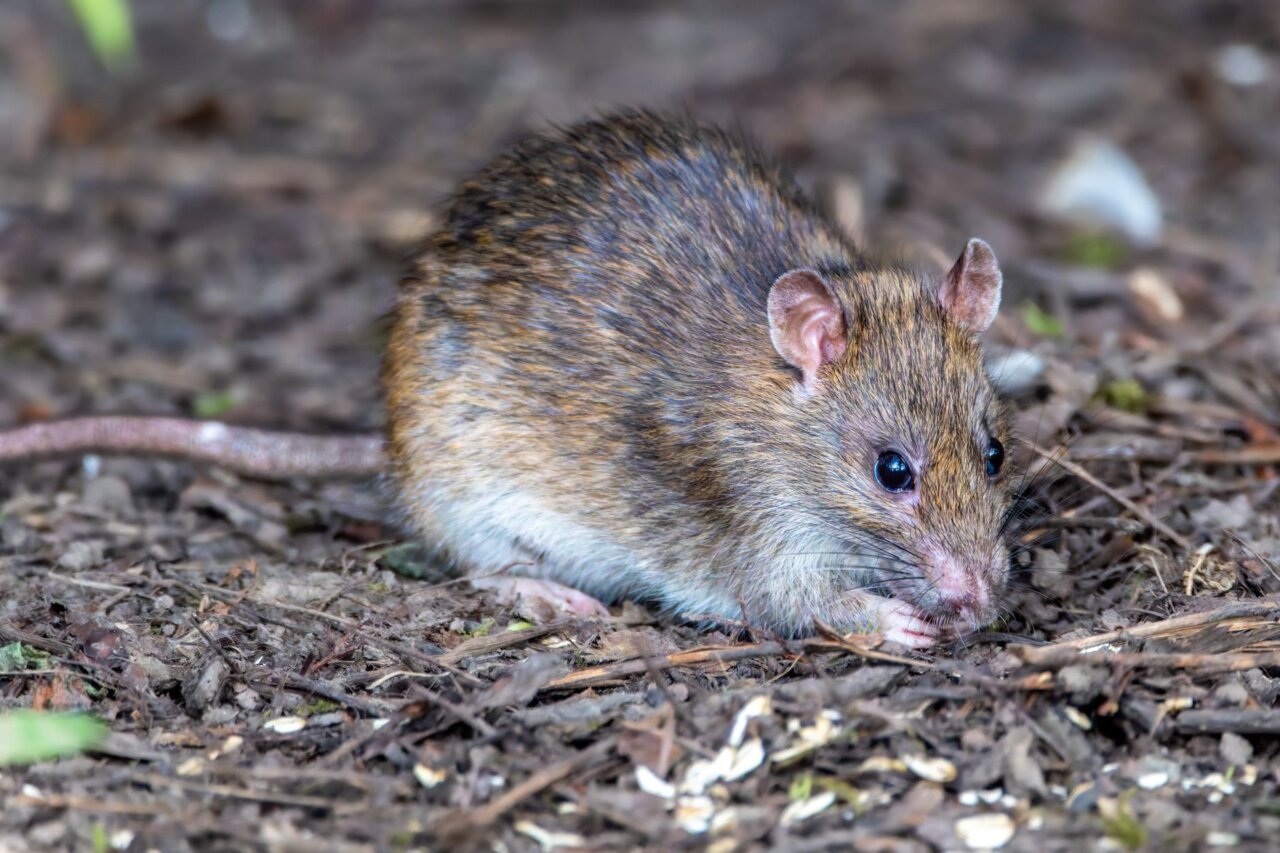
A hantavirus outbreak could have far-reaching implications, affecting various groups, industries, and regions. Primarily, rural communities, particularly those in regions with high rodent populations, would be at the forefront of the impact. This includes areas in the western United States, parts of South America, and certain regions in Asia where the virus is endemic. Health care systems in these areas could become overwhelmed, leading to a strain on resources and personnel.
In the short term, daily life could be significantly disrupted. Schools may close, public gatherings could be limited, and travel might be restricted to minimize the spread of the virus. Businesses, especially those in tourism and agriculture, could face immediate revenue losses due to reduced consumer confidence and operational challenges. Additionally, public health policies may shift rapidly, focusing on containment and prevention measures.
Mid-term impacts could include changes in local economies and employment. Industries such as agriculture, which may rely on outdoor labor, could see a decline in workforce availability due to health concerns. Conversely, sectors like health care and biotechnology could experience growth as demand for testing, treatment, and vaccine development increases. This situation may also prompt governments to invest more in public health infrastructure and emergency preparedness.
- Health Care Systems: Increased demand for medical services and resources.
- Tourism and Hospitality: Potential revenue losses due to travel restrictions.
- Agriculture: Disruption of labor and supply chains.
- Public Health Policies: Rapid changes to regulations and guidelines.
- Biotechnology Sector: Opportunities for growth in research and development.
Overall, while the risks of a hantavirus outbreak are significant, there are also potential opportunities for innovation and improvement in public health strategies. The lessons learned from such an outbreak could lead to better preparedness for future health crises, benefiting society as a whole.
A: Hantavirus is a viral infection primarily spread through contact with rodent droppings, urine, or saliva. It can also be transmitted through inhalation of aerosolized particles. A: Symptoms can include fever, muscle aches, dizziness, and gastrointestinal issues, which may progress to severe respiratory distress in some cases. A: Preventative measures include controlling rodent populations, maintaining cleanliness in living areas, and using protective gear when handling potentially contaminated materials. A: Effective public health responses, increased awareness, and timely interventions played crucial roles in preventing a widespread outbreak. A: If you believe you have been exposed, seek medical attention immediately, especially if you develop symptoms associated with the infection.
Frequently Asked Questions About Hantavirus
Key Takeaways and Future Outlook on Hantavirus Risks
The potential for a hantavirus outbreak serves as a stark reminder of the interconnectedness of global health and the necessity for vigilance in disease surveillance. While the world has successfully navigated the immediate threats posed by various viral outbreaks, the existence of hantavirus highlights the need for continued preparedness and proactive measures to prevent future pandemics.
As we look ahead, it is crucial to consider the environmental and social factors that contribute to the emergence of zoonotic diseases. Understanding these dynamics will be essential in mitigating risks and ensuring public health safety.
- Enhanced monitoring of rodent populations in urban and rural areas can help identify potential hantavirus outbreaks before they escalate.
- Public education campaigns focused on the prevention of hantavirus transmission can empower communities to take proactive measures.
- Investment in research on zoonotic diseases will be critical to developing effective vaccines and treatments.
- Collaboration between governments, health organizations, and environmental agencies is necessary to address the root causes of disease emergence.
- Continued global cooperation in sharing data and resources will strengthen our collective ability to respond to future health threats.