


In particular, data collected from ships between 1900 and 1950, during a time when systematic ocean observations were scarce, is being analyzed. These forgotten voyages, which included thousands of temperature and salinity readings, provide a crucial context for understanding long-term climate patterns, including the insights presented in Exploring the Legacy of Apollo 9 and the Future of Artemis III. Experts emphasize that this historical data can fill gaps in the current datasets and improve predictive accuracy.
Notably, a collaborative project involving scientists from various institutions has been established to digitize and analyze these historical records. The initiative aims to create a comprehensive database that will facilitate better forecasting of El Nino events, which have been linked to extreme weather patterns, such as droughts and floods. The urgency of this work is underscored by the increasing frequency and intensity of climate-related disasters observed in recent years, a theme also reflected in Three Indian sailors killed in US strike on oil tanker.
As climate change continues to alter oceanic conditions, the need for accurate predictions becomes even more critical. Understanding El Nino’s behavior not only aids in climate science but also informs agricultural planning, disaster preparedness, and water resource management. By leveraging forgotten maritime data, scientists hope to enhance resilience against the unpredictable impacts of climate variability.
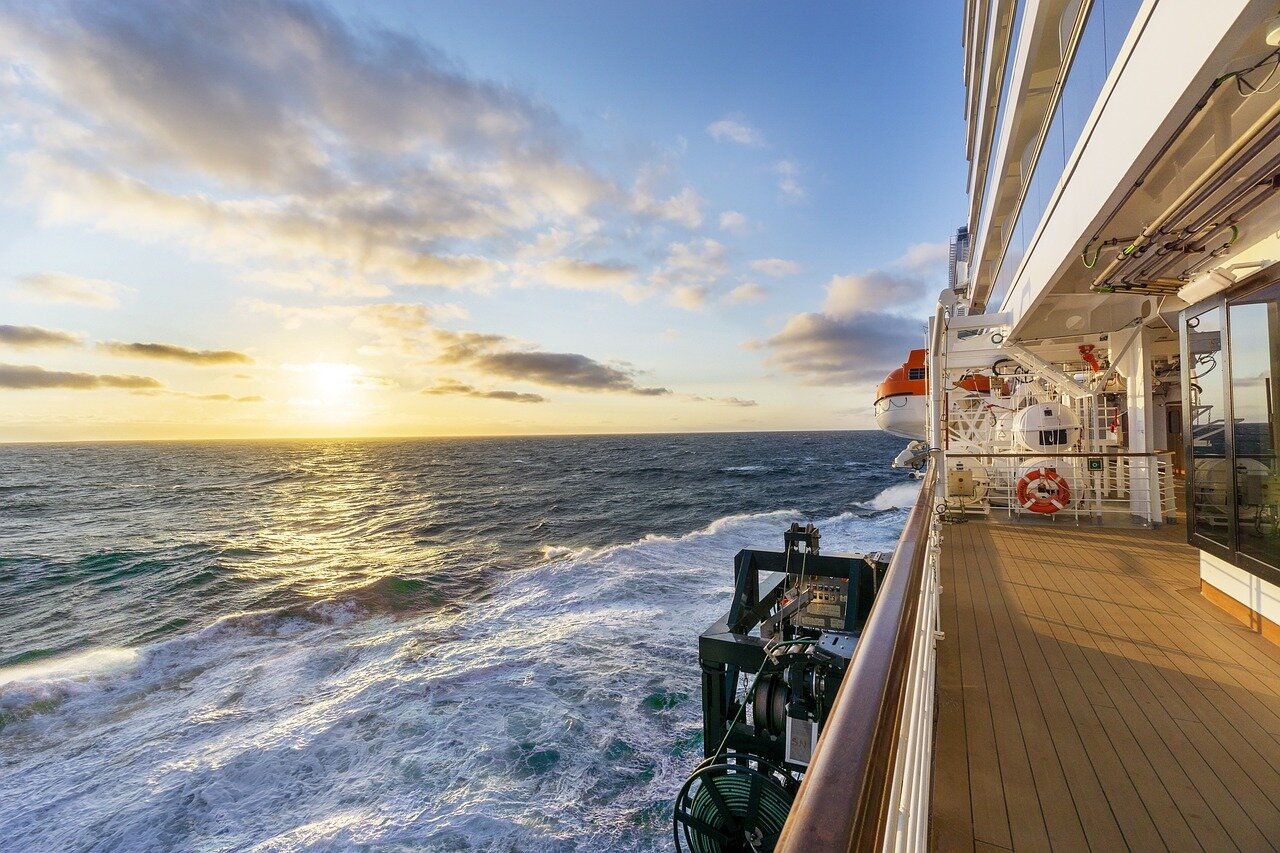
Historical significance of maritime voyages in climate research
Maritime voyages have played a crucial role in advancing our understanding of the Earth’s climate systems. From the Age of Exploration in the 15th century to modern scientific expeditions, these journeys have not only expanded geographical knowledge but have also contributed to the collection of vital meteorological and oceanographic data. Early explorers, such as Ferdinand Magellan and James Cook, meticulously documented weather patterns and ocean currents, laying the groundwork for future climate research.
In the 19th century, the establishment of systematic oceanographic studies marked a significant turning point. The Challenger Expedition (1872-1876), for example, was the first scientific voyage dedicated to studying the deep sea, collecting data on temperature, salinity, and marine life. This expedition highlighted the importance of ocean conditions in influencing global climate patterns, including phenomena like El Niño, which were not yet fully understood.
The role of forgotten voyages
While many significant voyages have been celebrated, numerous lesser-known expeditions have also contributed to climate science. These forgotten journeys, often carried out by whalers, traders, and fishermen, provided invaluable observations of sea surface temperatures and weather anomalies. For instance, logbooks from 19th-century whaling ships have recently been rediscovered, revealing detailed accounts of ocean conditions that correlate with El Niño events. Such data is now being integrated into modern climate models, enhancing our understanding of these complex systems, much like the ongoing impacts seen in sectors related to Pirelli’s F1 tyre contract.
The political and economic contexts of these voyages also played a role in shaping climate research. As nations vied for maritime dominance, the need for accurate navigation and weather forecasting became paramount. This competition spurred advancements in oceanography, as countries recognized the strategic importance of understanding oceanic conditions. Today, this historical legacy is reflected in ongoing international collaborations to monitor and predict climate phenomena like El Niño, demonstrating the lasting impact of past maritime endeavors on contemporary science.
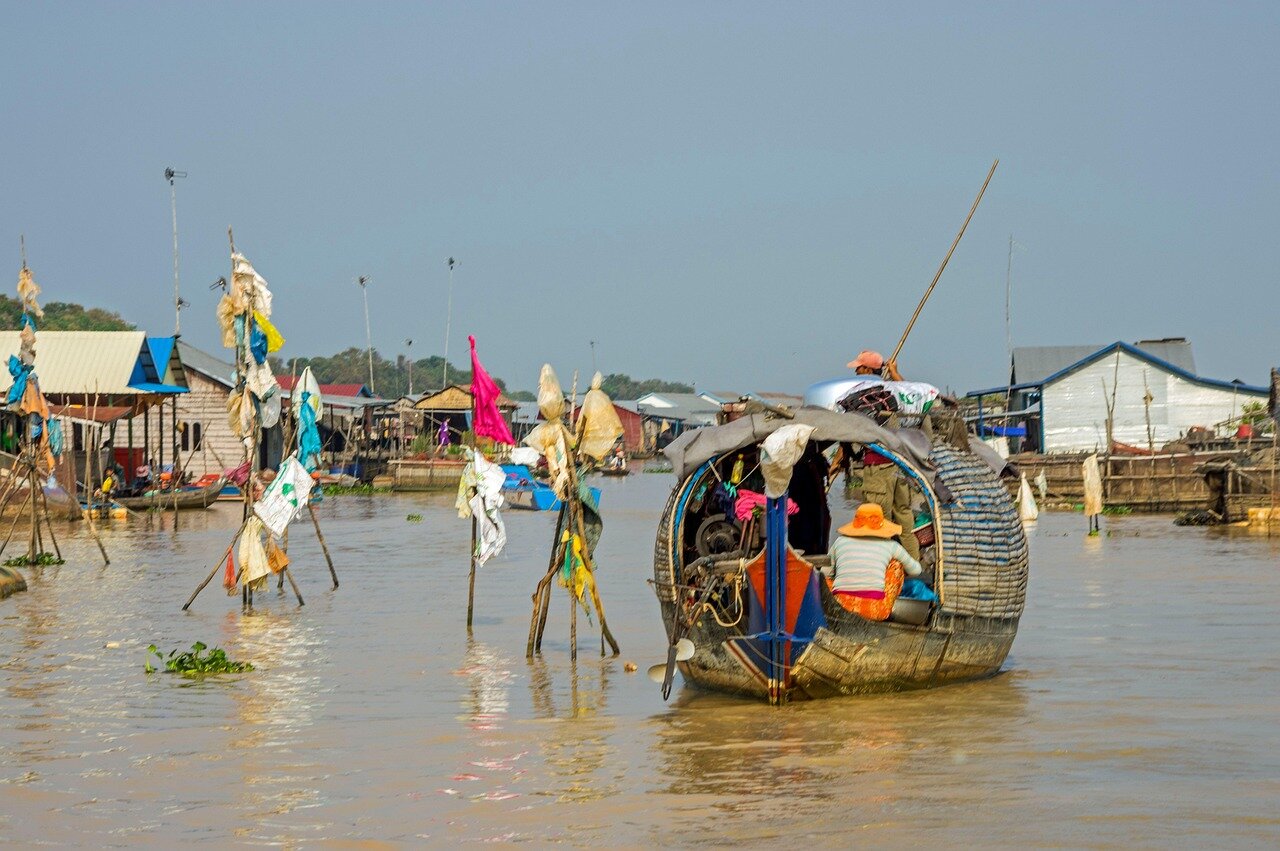
Key stakeholders and their roles in climate data collection
The study of El Niño phenomena has historically involved a diverse array of stakeholders, each contributing unique perspectives and resources. Among these stakeholders are government agencies, research institutions, non-governmental organizations (NGOs), and local communities. Their interests often align with the overarching goal of understanding climate patterns, but they can also diverge based on specific priorities and resource allocations.
Government agencies, such as the National Oceanic and Atmospheric Administration (NOAA) in the United States and similar entities in other countries, play a crucial role in climate data collection and dissemination. Their interests are primarily focused on public safety, economic stability, and environmental protection. They rely on accurate climate data to inform policy decisions and to develop early warning systems for extreme weather events linked to El Niño.
Research institutions and universities contribute significantly to the scientific understanding of El Niño through extensive studies and data analysis. These organizations often seek funding and collaboration opportunities to expand their research capabilities. Conflicts may arise when the focus of research diverges from practical applications, leading to debates over the allocation of resources and the prioritization of certain research agendas.
- Trade-offs in funding: Limited budgets often force stakeholders to make difficult choices about which research projects to support, potentially sidelining important studies.
- Legal issues: Data sharing agreements and intellectual property rights can complicate collaboration between organizations, hindering the flow of critical information.
- Community involvement: Local communities, particularly those in vulnerable regions, are essential in providing historical data and observations that can enhance climate models.
- Economic implications: The impacts of El Niño on agriculture and fisheries can create tensions between economic interests and environmental sustainability.
NGOs often advocate for the inclusion of marginalized voices in climate discussions, emphasizing the need for equitable access to climate information. Their interests lie in promoting sustainable practices and ensuring that the most affected communities are included in decision-making processes. This can lead to conflicts with governmental priorities that may prioritize economic growth over environmental protection.
How these findings affect global weather patterns and economies
The recent revelations regarding forgotten voyages that tracked El Niño have significant implications for various groups, industries, and regions worldwide. Fishermen, farmers, and coastal communities are among the primary stakeholders who will feel the effects of these findings. The agricultural sector, particularly in regions prone to droughts and floods, will be directly impacted by enhanced predictive capabilities related to El Niño events.
In the short term, improved forecasting can lead to better preparation for extreme weather conditions, allowing businesses and communities to implement proactive measures. For instance, farmers can adjust planting schedules and crop choices based on anticipated weather patterns, potentially increasing yields and reducing losses. Coastal regions may also benefit from timely warnings about storms, minimizing damage to infrastructure and livelihoods.
In the mid-term, these advancements could reshape policies related to disaster management and resource allocation. Governments may invest more in sustainable practices and technologies that mitigate the effects of climate variability. Additionally, industries reliant on climate-sensitive resources, such as tourism and fisheries, may find new opportunities to thrive by adapting to changing conditions and capitalizing on enhanced data.
- Fisheries: Potential for improved catch forecasts and sustainable fishing practices.
- Agriculture: Enhanced crop management and reduced risk of crop failure.
- Insurance: Development of new products tailored to climate-related risks.
- Disaster preparedness: Increased investment in infrastructure to withstand extreme weather.
However, there are also risks associated with these findings. Over-reliance on predictive models may lead to complacency, and communities that do not adapt quickly enough could face severe consequences. Additionally, disparities in access to technology and information may widen the gap between vulnerable populations and those with the means to protect themselves.
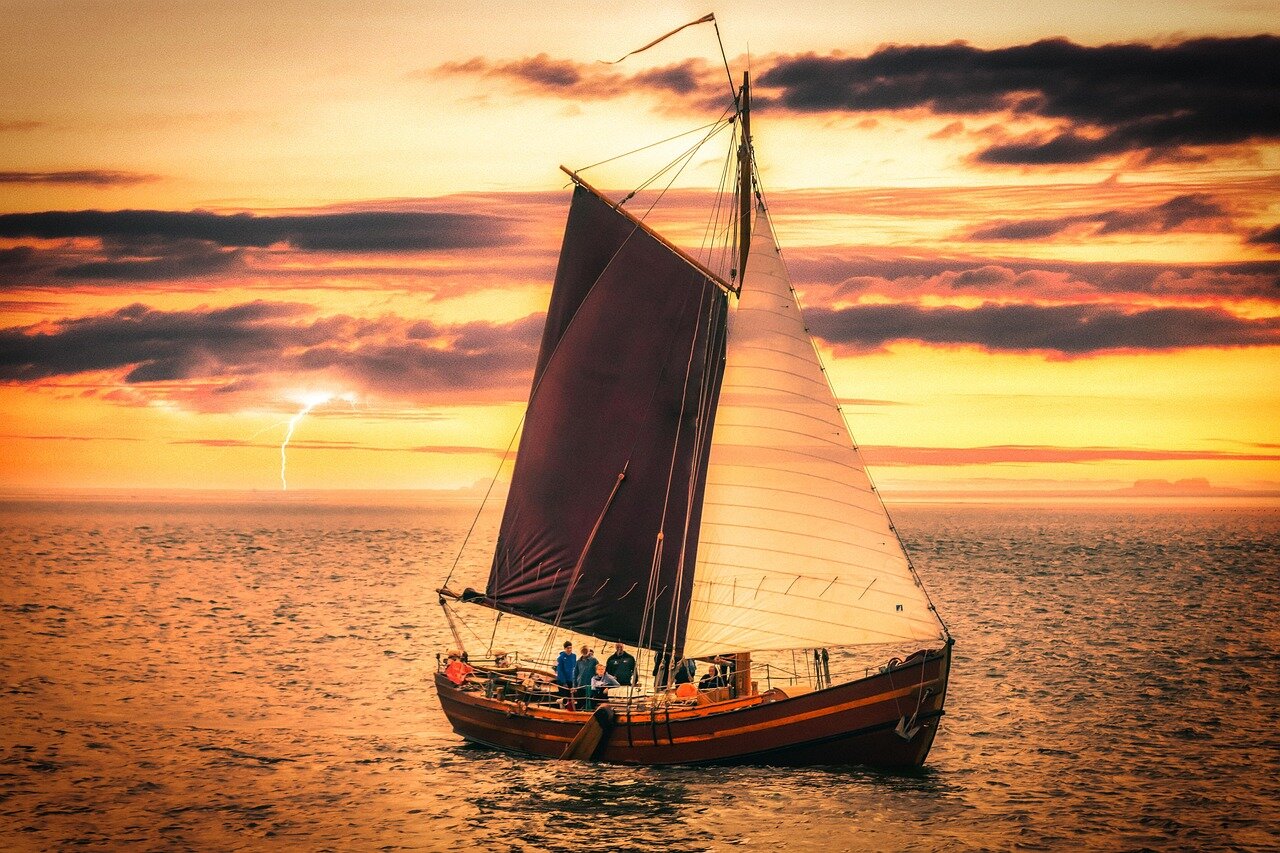
A: Historical voyages provide crucial data collected from the oceans, which helps scientists understand past climate patterns and improve predictive models for events like El Nino. A: El Nino is a climate pattern characterized by the warming of ocean surface temperatures in the Pacific, significantly impacting global weather and economies. A: Yes, several expeditions from the 19th and early 20th centuries have yielded valuable oceanographic data that are now being reanalyzed for climate insights. A: Scientists use advanced data analysis techniques to extract meaningful information from historical records, often integrating it with modern data for comprehensive climate models. A: Ocean currents are crucial as they influence temperature and weather patterns; understanding their historical behavior helps predict future El Nino occurrences.
Frequently asked questions about El Nino and historical voyages
Insights into future climate research and predictions
The exploration of historical voyages has unveiled significant patterns in oceanic behavior, particularly in relation to El Niño events. These insights not only enhance our understanding of past climate fluctuations but also provide a foundation for predicting future occurrences. As researchers continue to analyze these forgotten records, they are likely to uncover more intricate details about the interplay between ocean currents and climate systems.
Looking ahead, the integration of historical data with modern technology will be crucial for refining climate models. This approach can lead to more accurate forecasts, enabling better preparedness for the impacts of El Niño on weather patterns, agriculture, and economies worldwide.
- Continued research into historical data sources may reveal additional patterns that can improve climate models.
- Collaboration between climate scientists and historians can enrich the understanding of oceanic phenomena.
- Investing in advanced data collection technologies will enhance the monitoring of ocean conditions.
- Improved predictive models can aid policymakers in mitigating the socio-economic impacts of climate variability.
- Public awareness campaigns can help communities better prepare for the effects of El Niño events.