


The Centers for Disease Control and Prevention (CDC) announced on October 5 that they are working closely with the cruise line and local health authorities to assess the situation. Passengers who developed symptoms such as fever, muscle aches, and gastrointestinal issues have been advised to seek medical attention immediately.
This incident has raised alarms about the safety protocols in place on cruise ships, particularly regarding sanitation and pest management. Experts emphasize that while hantavirus is rare, it can lead to severe respiratory issues and is often transmitted through contact with infected rodent droppings or urine. For more information on how outbreaks can impact travel safety, see our article on the hantavirus outbreak on cruise ship.
The cruise line has since implemented enhanced cleaning measures and has begun a comprehensive inspection of the ship. Passengers scheduled for upcoming voyages have expressed concerns about their safety, prompting discussions about the need for stricter health regulations in the cruise industry.
As investigations continue, health officials are urging the public to remain informed about hantavirus and its potential risks, particularly for those planning to travel on cruise ships in the near future. The situation highlights the ongoing challenges in maintaining health standards in the tourism sector.
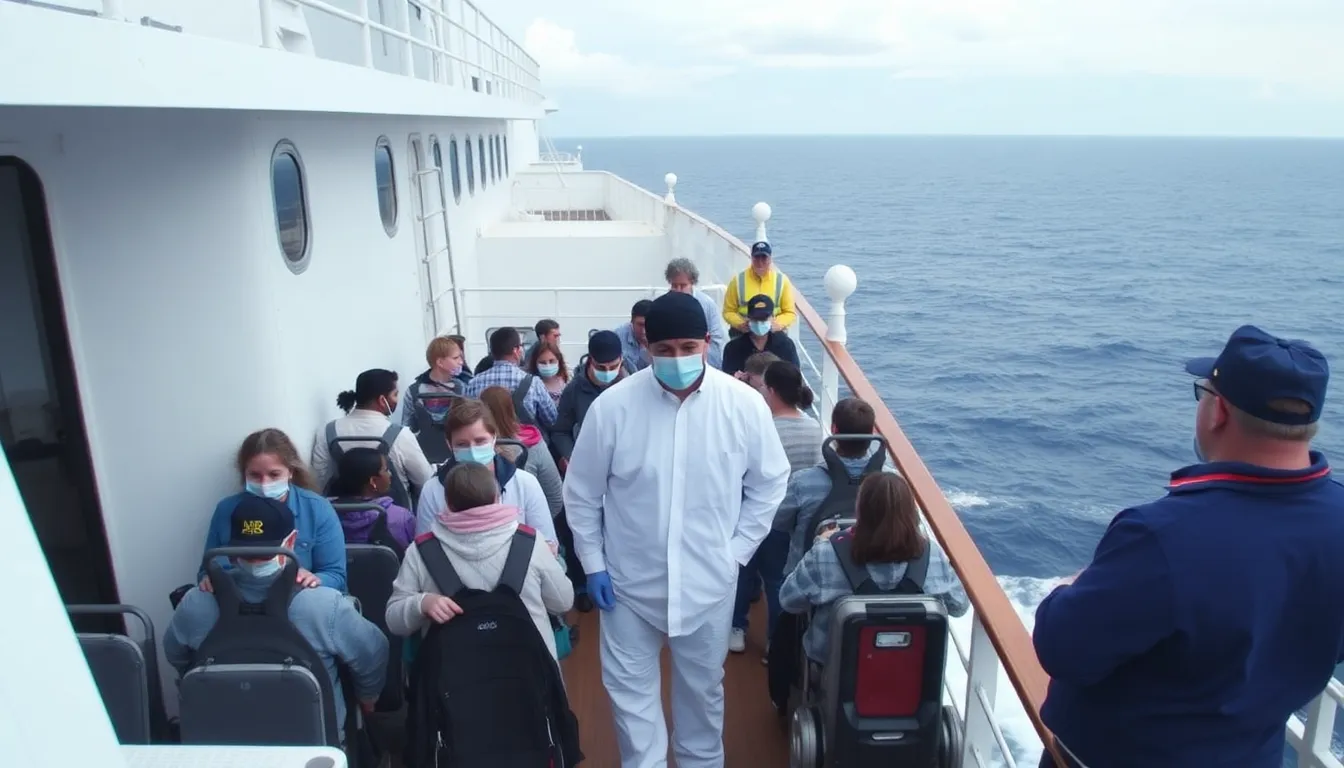
Background on Hantavirus and Its Transmission
The hantavirus is a group of viruses that are primarily carried by rodents, particularly deer mice in the United States. First identified in the early 1990s, hantavirus pulmonary syndrome (HPS) emerged as a significant public health concern following outbreaks in the southwestern United States. Understanding the transmission dynamics of this virus is crucial, especially in environments such as cruise ships where close quarters can facilitate outbreaks. For further insights on related health concerns, consider reading our guide on body dysmorphic disorder.
Historically, hantavirus infections have been sporadic, with cases often linked to rural or semi-rural areas where rodent populations are more abundant. However, recent years have shown an increase in cases, prompting health officials to monitor rodent populations and public spaces more closely. The emergence of hantavirus in urban settings and confined spaces like cruise ships highlights the need for vigilance in public health practices, especially in light of global travel and tourism trends.
Key Milestones in Hantavirus Research
Since its discovery, several key milestones have marked the understanding and management of hantavirus. In 1993, the first recognized outbreak of HPS in the Four Corners region of the United States led to increased awareness and research into the disease. The Centers for Disease Control and Prevention (CDC) began extensive studies to identify the virus’s transmission pathways and risk factors, which included educational campaigns to inform the public about rodent control and hygiene practices.
In subsequent years, advances in laboratory testing and surveillance have improved the ability to detect and respond to hantavirus cases quickly. The establishment of guidelines for managing rodent populations in both rural and urban settings has also played a critical role in preventing outbreaks. As cruise ships continue to be popular vacation destinations, understanding the implications of hantavirus transmission in such environments has become increasingly important for public health officials and the travel industry alike.
Key Stakeholders and Their Responses to the Outbreak
The recent hantavirus outbreak aboard an Atlantic cruise ship has raised significant concerns among various stakeholders, each with unique interests and responses. The primary actors include the cruise line company, health organizations, government authorities, and the passengers themselves. Understanding their perspectives is essential for comprehending the broader implications of this health crisis.
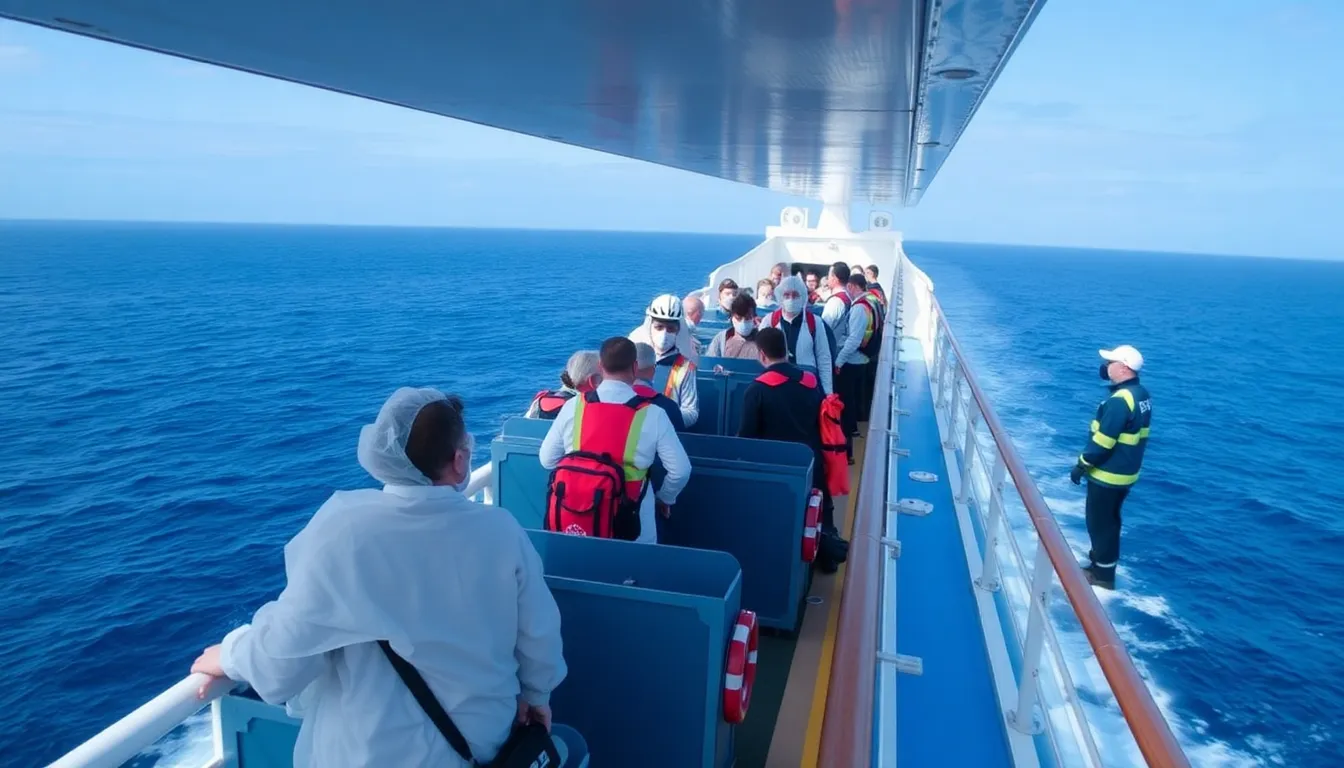
The cruise line company, responsible for the safety and well-being of its passengers, faces pressure to manage the outbreak effectively while maintaining its reputation. Their interests lie in ensuring passenger safety, minimizing financial losses, and adhering to health regulations. In response to the outbreak, the company has implemented enhanced sanitation protocols and is working closely with health authorities to monitor the situation.
Health organizations, including the Centers for Disease Control and Prevention (CDC), play a crucial role in addressing the outbreak. Their primary interest is public health and safety, focusing on controlling the spread of the virus and providing accurate information to the public. The CDC has issued guidelines for cruise ships and is collaborating with the cruise line to investigate the source of the outbreak and prevent further cases. This highlights the importance of understanding public health data in response to health crises, much like what is needed for managing fuel shortages, as examined in our article about the Nigerian refinery’s role in the UK’s jet fuel shortage.
Government authorities, particularly those in the regions where the cruise ship operates, have a vested interest in protecting public health and maintaining tourism. They are tasked with enforcing health regulations and ensuring that the cruise line complies with safety standards. This situation presents a trade-off between economic interests in tourism and the need for stringent health measures. The response from local governments has varied, with some calling for stricter regulations on cruise ships.
- The cruise line must balance financial stability with passenger safety.
- Health organizations are focused on preventing further infections and informing the public.
- Government authorities are navigating the complexities of public health versus economic interests.
- Passengers are concerned about their health and the overall safety of cruise travel.
- Legal implications may arise regarding liability and health compliance for the cruise line.
Impact on Passengers and the Cruise Industry
The recent hantavirus outbreak on an Atlantic cruise ship has raised significant concerns among various groups, particularly passengers and the cruise industry. Passengers, many of whom may have been exposed to the virus, face health risks that could lead to serious illness. Additionally, the emotional toll of uncertainty and fear can affect their overall travel experience.
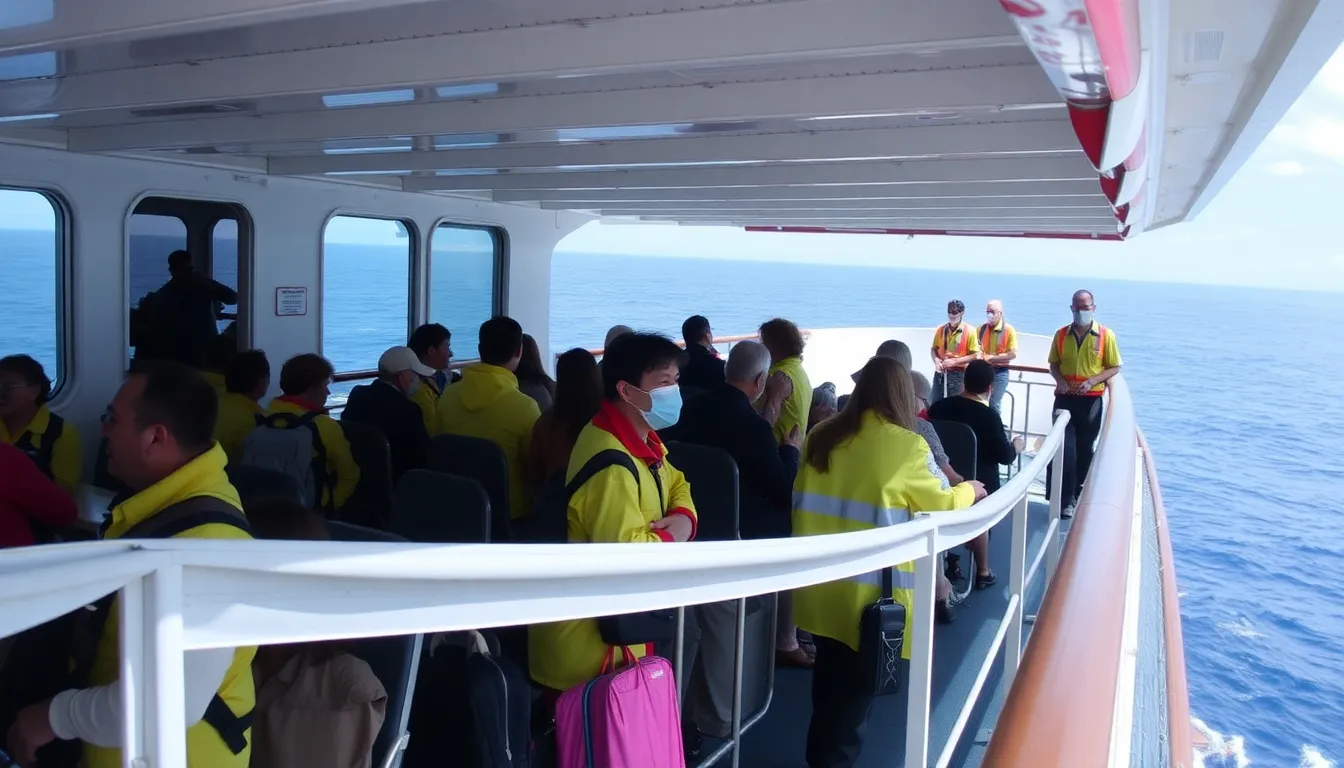
The cruise industry is also feeling the impact, as this outbreak could lead to a decline in bookings and a tarnished reputation. Potential travelers may hesitate to book cruises due to fears of contagion, especially in an environment where close quarters are common. This hesitation could result in substantial financial losses for cruise lines and associated businesses.
- Health Risks: Passengers may experience anxiety over potential exposure to the virus.
- Economic Impact: A decrease in bookings could lead to layoffs and reduced revenue for cruise companies.
- Policy Changes: Increased health regulations may be implemented, affecting operational procedures.
In the short term, the immediate effects on daily life for passengers include potential quarantine measures and health screenings. These measures can disrupt travel plans and lead to delays. In the mid-term, the industry may see a shift in policies regarding health and safety protocols, potentially leading to more stringent regulations that could change how cruises operate.
However, there are also opportunities for the cruise industry to enhance their health and safety measures, which could ultimately improve passenger confidence. By investing in better sanitation practices and transparent communication, cruise lines can rebuild trust and potentially attract a new demographic of health-conscious travelers. This proactive approach may not only mitigate risks but also position the industry favorably in a post-pandemic world.
A: Hantavirus is a viral infection primarily spread through contact with rodent droppings, urine, or saliva. It can also be contracted through inhalation of aerosolized particles. A: Symptoms of hantavirus infection include fever, muscle aches, and gastrointestinal issues, which can progress to severe respiratory distress. Early detection is crucial for treatment. A: Passengers should maintain good hygiene practices, avoid contact with rodents, and report any signs of rodent activity to the ship’s crew immediately. A: Cruise lines are enhancing sanitation protocols, conducting thorough inspections, and providing information to passengers about the risks associated with hantavirus. A: Currently, there is no vaccine available for hantavirus. Prevention through awareness and hygiene is the best approach to avoid infection.
Frequently Asked Questions About the Hantavirus Outbreak
Key Takeaways and Future Outlook on Hantavirus Risks
The recent hantavirus outbreak on an Atlantic cruise ship underscores the importance of vigilance in public health, particularly in environments where large groups congregate. As health officials investigate the situation, it is crucial for travelers and cruise operators to remain informed about potential risks and preventive measures. This incident serves as a reminder of the need for robust health protocols and ongoing education regarding zoonotic diseases.
Looking ahead, monitoring the situation will be essential. Travelers should stay updated on health advisories and cruise line policies, while operators must enhance sanitation practices and prepare for swift responses to any future health concerns. Understanding the dynamics of such outbreaks can help mitigate risks and ensure a safer travel experience for all.
- Stay Informed: Monitor health advisories from public health authorities regarding hantavirus and other infectious diseases.
- Enhanced Sanitation: Cruise lines should implement and maintain rigorous cleaning protocols to reduce the risk of infection.
- Travel Precautions: Passengers should consider vaccination and other preventive measures when traveling to areas where hantavirus is prevalent.
- Health Reporting: Encourage prompt reporting of any illness among passengers to facilitate quick responses and containment.
- Education and Awareness: Increase awareness about hantavirus and its transmission routes among both travelers and cruise staff.