


The evacuation occurred on October 20, 2023, when health officials identified the potential risk posed by the virus. Hantavirus, primarily transmitted by rodents, can lead to severe respiratory issues in humans. For more information about wildlife-related health risks, see our article on the effects of hot weather on the body.
Following the incident, the cruise ship underwent thorough sanitization procedures before its departure. Passengers onboard were informed of the situation and reassured about the measures being taken to ensure their safety. The ship’s itinerary is expected to continue as planned, but with heightened health protocols in place.
This situation highlights ongoing public health concerns related to cruise travel, especially in light of recent viral outbreaks. As the cruise industry continues to navigate the challenges posed by infectious diseases, the response to this incident may influence future health regulations and passenger safety measures.
Understanding Hantavirus and its implications for travelers
Hantavirus is a group of viruses spread mainly by rodents, which can cause serious respiratory diseases in humans. First identified in the early 1990s in the United States, Hantavirus Pulmonary Syndrome (HPS) emerged as a significant public health concern, leading to increased awareness of zoonotic diseasesthose transmitted from animals to humans. The virus is typically contracted through contact with rodent droppings, urine, or saliva, and it can be particularly dangerous for individuals with compromised immune systems.

The recent incident involving a cruise ship in Cape Verde highlights the ongoing risks associated with hantavirus, especially in environments where large groups of people gather, such as on cruise liners. This situation is exacerbated by the fact that cruise ships often visit remote areas, where healthcare resources may be limited. To learn about community initiatives that combat isolation, check out our piece on the wellbeing garden.
Historical Context of Hantavirus Outbreaks
Historically, hantavirus outbreaks have been linked to specific environmental and climatic conditions that favor rodent populations. For instance, the 1993 outbreak in the Four Corners region of the United States was preceded by a period of heavy rainfall, which increased food availability for deer mice, the primary carriers of the virus. Similar patterns have been observed in various regions, where changes in climate and land use have led to surges in rodent populations, thereby increasing the risk of hantavirus transmission to humans.
In addition to environmental factors, public health responses to hantavirus outbreaks have evolved over the years. Early cases prompted the establishment of monitoring systems and educational campaigns aimed at informing the public about prevention strategies. These efforts have been crucial in reducing the incidence of HPS, but challenges remain, particularly in ensuring that travelers are aware of the risks associated with hantavirus while exploring remote destinations.
The cruise ship incident serves as a reminder of the interconnectedness of global travel and public health. As tourism continues to grow, the potential for zoonotic diseases to spread increases, necessitating robust health protocols and traveler education to mitigate risks. Understanding the history and implications of hantavirus is essential for both travelers and health authorities in navigating these challenges effectively.
Key stakeholders in the Hantavirus situation on the cruise ship
The recent incident involving a Hantavirus outbreak on a cruise ship has drawn attention to various stakeholders, each with distinct interests and concerns. The primary actors include the cruise line company, health authorities, passengers, and the Cape Verdean government. Each of these groups plays a crucial role in the unfolding situation, similar to how companies collaborate during critical moments to address challenges.

The cruise line company is primarily focused on managing the crisis to minimize reputational damage and financial loss. Their interests include ensuring the safety of passengers and crew, maintaining operational continuity, and addressing any legal liabilities that may arise from the outbreak. Effective communication and transparency will be essential for the company to retain customer trust.
Health authorities, both local and international, are concerned with public health implications. Their interests revolve around controlling the spread of Hantavirus, conducting thorough investigations, and implementing necessary health protocols. They must balance the urgency of the situation with the need for accurate information dissemination to prevent public panic.
Passengers, who may be experiencing fear and uncertainty, are also key stakeholders. Their interests include personal safety, access to medical care, and clear communication from the cruise line regarding their health status and travel plans. The psychological impact of the situation on passengers cannot be overlooked, as they navigate the anxiety of potential exposure to a serious illness.
- The cruise line’s financial stability and brand reputation are at stake.
- Health authorities must ensure effective containment measures to protect public health.
- Passengers seek reassurance and clarity about their safety and travel arrangements.
- The Cape Verdean government is tasked with managing the health crisis while addressing tourism impacts.
- Legal ramifications may arise from the outbreak, leading to potential lawsuits against the cruise line.
Potential health risks for passengers and crew members
The recent evacuation of three individuals from a cruise ship in Cape Verde due to hantavirus raises significant health concerns for both passengers and crew members. Hantavirus can lead to severe respiratory issues, and its presence on the ship highlights the potential for widespread transmission among those on board. This situation necessitates immediate attention from health authorities to prevent further cases.
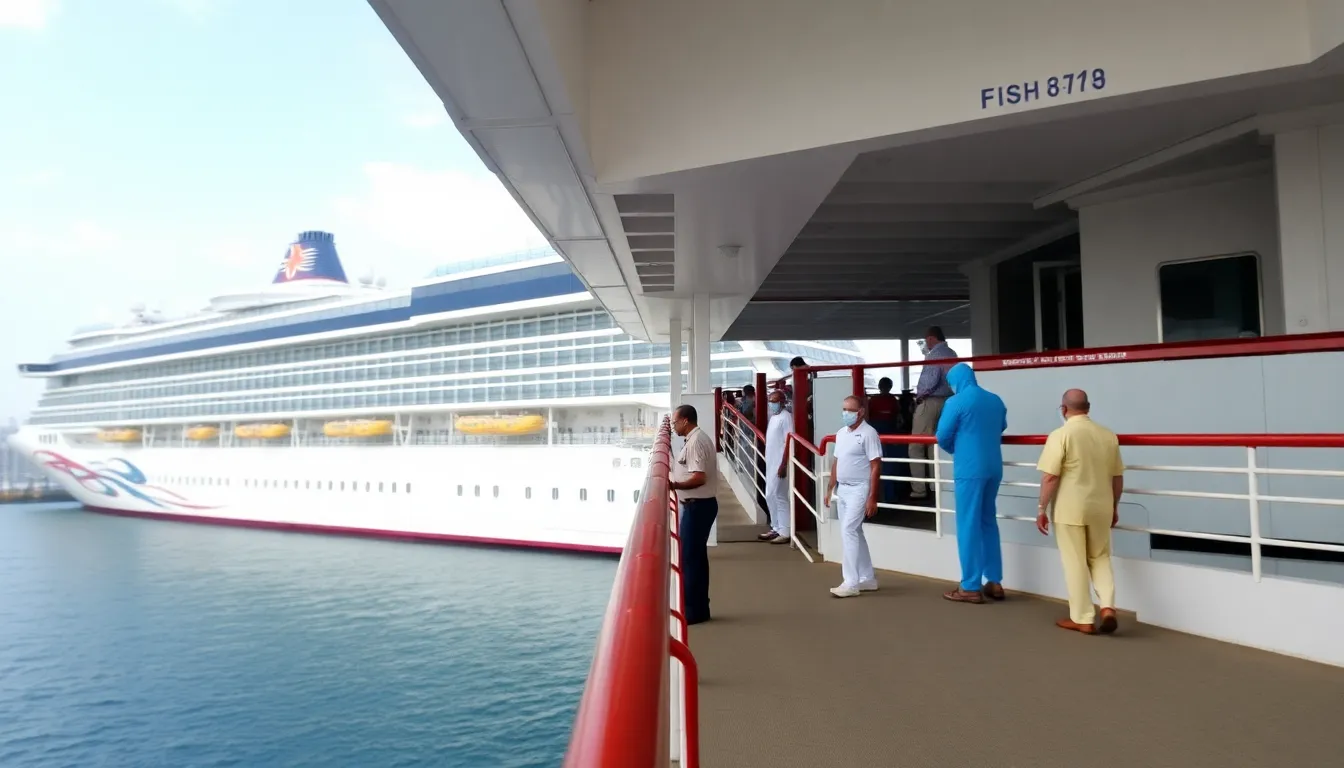
In the short term, the cruise industry may experience a decline in passenger confidence, affecting bookings and overall travel plans. Travelers may reconsider their options, opting for destinations perceived as safer. Additionally, cruise lines may face increased scrutiny regarding health protocols and sanitation measures, potentially leading to stricter regulations.
In the mid-term, the impact on local economies, especially in regions dependent on tourism like Cape Verde, could be significant. Businesses that rely on cruise ship arrivals, such as local shops, restaurants, and tour operators, may see a drop in revenue. This downturn could force some establishments to cut back on staff or even close temporarily.
However, there are also potential opportunities that may arise from this situation. The increased focus on health and safety could lead to innovations in sanitation practices and health monitoring technologies within the cruise industry. Furthermore, regions impacted by the situation may invest more in public health infrastructure, improving overall safety for both residents and visitors.
- Short-term decline in passenger confidence and bookings.
- Increased scrutiny and regulation of health protocols in the cruise industry.
- Potential revenue loss for local businesses reliant on tourism.
- Opportunities for innovation in health and sanitation practices.
- Investment in public health infrastructure in affected regions.
A: Hantavirus is a viral infection transmitted primarily through rodent droppings, urine, or saliva. It can cause severe respiratory issues and other complications. A: The outbreak is believed to have originated from contact with infected rodents or their droppings on the ship. Health authorities are investigating the circumstances. A: Health officials are conducting thorough inspections and implementing sanitation protocols on the ship. Passengers are being monitored for symptoms. A: Some individuals may experience lasting health issues, particularly if the infection is severe. Early detection and treatment are crucial for better outcomes. A: If you experience symptoms like fever, muscle aches, or respiratory issues after a cruise, seek medical attention immediately and inform your healthcare provider about your travel history.
Frequently asked questions about the Hantavirus incident
Looking ahead: implications for cruise travel and health safety
The recent incident involving a hantavirus outbreak on a cruise ship highlights the ongoing challenges faced by the cruise industry in ensuring passenger safety. As the ship departs Cape Verde after three individuals were evacuated for medical care, it raises important questions about health protocols and emergency preparedness in the face of infectious diseases. This situation serves as a reminder of the need for heightened vigilance and robust health measures in the travel sector.
Moving forward, stakeholders in the cruise industry must prioritize the development and implementation of comprehensive health and safety protocols to mitigate the risk of outbreaks. Enhanced communication with passengers regarding health risks and responses will be crucial in maintaining trust and ensuring a safe travel experience.
- Increased health screenings: Expect more rigorous health checks for passengers and crew prior to boarding, including temperature checks and health questionnaires.
- Emergency response protocols: Cruise lines may develop more detailed emergency response plans for handling potential outbreaks, including evacuation procedures and medical support.
- Passenger education: Enhanced communication strategies will be essential to inform passengers about health risks and safety measures onboard.
- Collaboration with health authorities: Ongoing partnerships with public health organizations will be vital for monitoring and managing health risks associated with cruise travel.