


The ongoing blockade and the destruction of supply chains during the conflict have left many kitchens unable to meet the rising demand for food assistance. Local charities and international aid groups are working tirelessly to distribute meals, but they are often forced to ration supplies due to the lack of availability of critical ingredients.
According to the United Nations, approximately 1.5 million people in Gaza are in need of urgent food aid. The situation is particularly dire for vulnerable populations, including children and the elderly, who rely heavily on these community kitchens for their daily nutrition.
As the humanitarian crisis deepens, the need for a sustainable solution to restore food supply lines has become increasingly urgent; more information can be found in our article on Gaza food kitchens struggle to find essential supplies despite ceasefire.
Understanding the situation in Gaza and its impact on food supply
The Gaza Strip has long been a focal point of conflict and humanitarian crises, shaped by decades of political strife and economic instability. Historically, the region has faced numerous challenges, including blockades, military operations, and restrictions that have severely impacted its infrastructure and access to essential goods. The ongoing Israeli-Palestinian conflict has exacerbated these issues, leading to a dire humanitarian situation where food security is a constant concern.
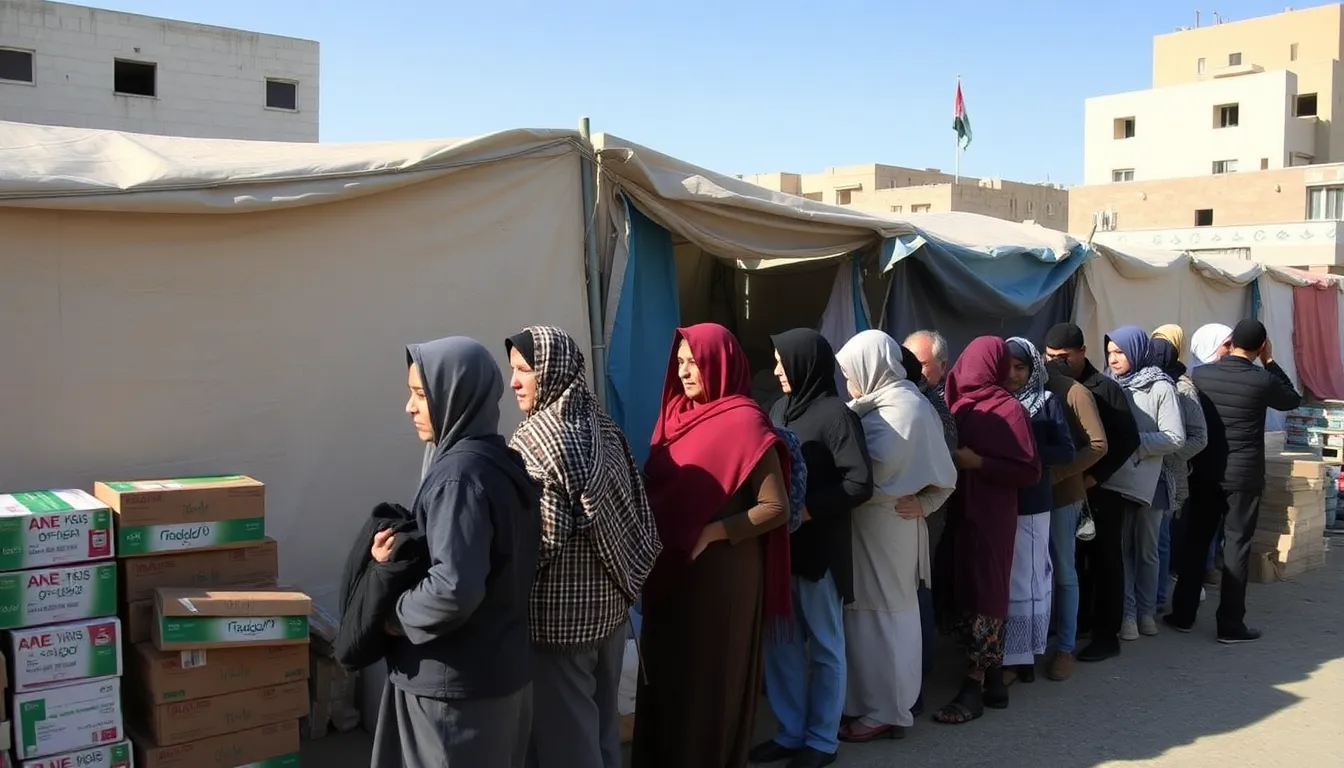
In recent years, the economic conditions in Gaza have deteriorated further due to restrictions on movement and trade, resulting in high unemployment rates and limited access to resources. The blockade imposed by Israel since 2007 has significantly reduced the flow of goods into the territory, affecting not only the availability of food but also the overall economy. As a result, many families rely on food assistance from international organizations, which has become a critical lifeline for the population.
This situation highlights the ongoing challenges faced by humanitarian efforts in the region, underscoring the importance of addressing the food shortages as detailed in Gaza food kitchens struggle to find essential supplies despite ceasefire.
Key Milestones in the Gaza Crisis
Several key events have shaped the current landscape of food insecurity in Gaza. The 2008-2009 Gaza War marked a significant escalation in the conflict, leading to widespread destruction of infrastructure and further restrictions on access to goods. The subsequent conflicts in 2012 and 2014 compounded these issues, with each round of violence resulting in more severe humanitarian consequences. International efforts to broker peace and provide aid have often been hampered by political disagreements, leaving the people of Gaza in a precarious situation where essential needs remain unmet.
Examining the key stakeholders and issues surrounding food distribution
The ongoing humanitarian crisis in Gaza has drawn attention from various stakeholders, each with distinct interests and concerns. Key actors include local non-governmental organizations (NGOs), international aid agencies, the Israeli government, the Palestinian Authority, and local communities affected by the conflict. Understanding their roles and the issues at play is crucial for grasping the complexities of food distribution in the region.
Local NGOs, such as the Palestinian Red Crescent Society, are primarily focused on providing immediate relief to those in need. Their interests lie in securing sufficient resources and access to essential supplies to support their operations. However, they often face significant challenges, including restrictions on movement and limited availability of food products. This has resulted in a trade-off between the urgent need for food assistance and the logistical difficulties of delivering aid.
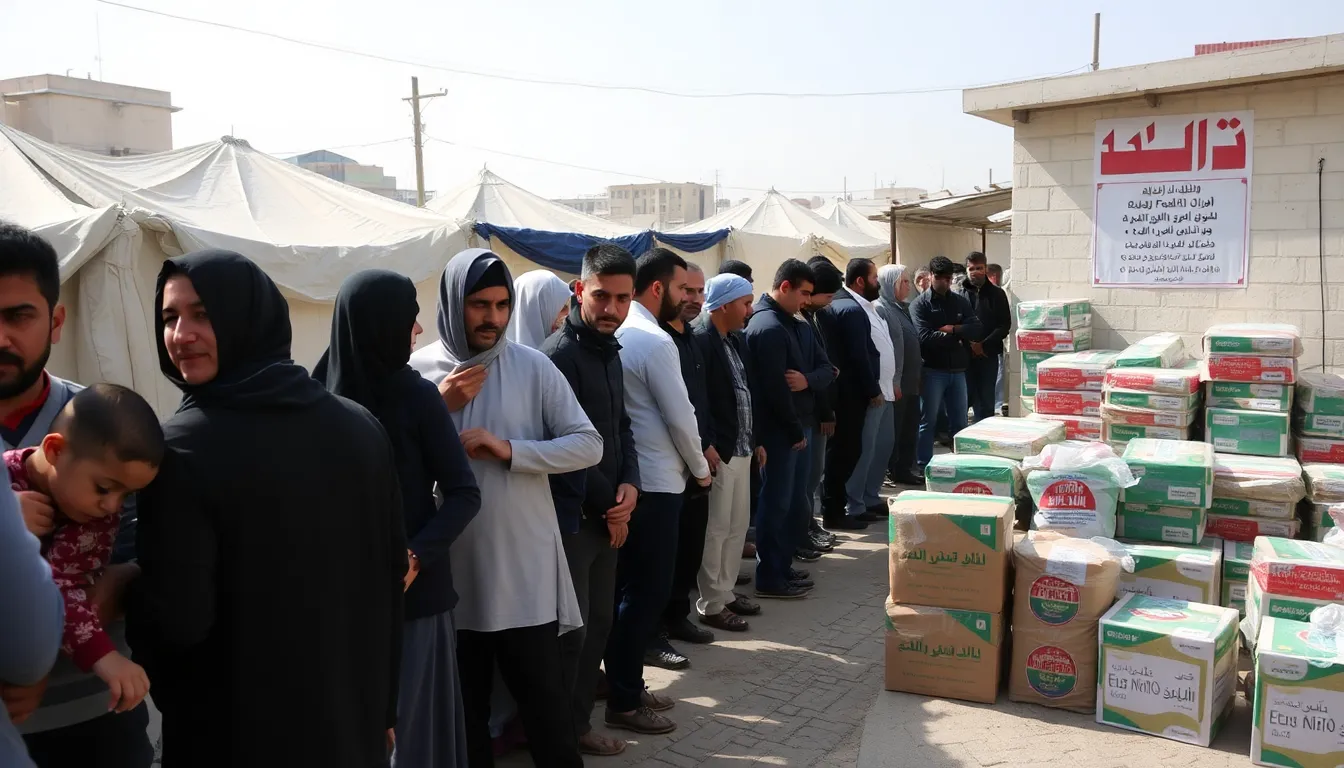
International organizations, such as the United Nations Relief and Works Agency (UNRWA), play a vital role in coordinating relief efforts. Their interests include ensuring that humanitarian aid reaches the most vulnerable populations while advocating for the lifting of blockades that hinder food distribution. However, political tensions often complicate their efforts, as they must navigate the interests of the Israeli government, which prioritizes security concerns, and the Palestinian Authority, which seeks to maintain its governance and support for its citizens.
- Access to Resources: Local NGOs struggle with limited access to essential food items, which hampers their ability to meet community needs.
- Political Tensions: The Israeli government’s security measures impact the flow of aid, leading to delays and shortages.
- Economic Constraints: The blockade has created economic hardships, making it challenging for local communities to procure food, even when available.
- International Support: The role of international aid agencies is critical, yet they often face bureaucratic hurdles that slow down the distribution process.
- Community Resilience: Despite challenges, local communities continue to rely on each other for support, creating informal networks to share resources.
Understanding these dynamics is essential for addressing the ongoing humanitarian crisis and facilitating effective aid delivery, much like the role of local NGOs detailed in our report on neighbourhood businesses facing challenges.
The effects of food shortages on the local population and economy
The ongoing food shortages in Gaza, despite the recent ceasefire, have had a profound impact on various groups, particularly the local population who rely heavily on food kitchens for sustenance. Families, especially those with children and elderly members, are facing increased hunger and malnutrition as essential products remain unavailable. This situation exacerbates the already dire humanitarian crisis in the region.
Local businesses, especially those involved in food supply and distribution, are also feeling the strain. With limited access to essential ingredients, food kitchens are struggling to provide nutritious meals, leading to a decline in demand for local agricultural products. This not only affects farmers but also disrupts the entire supply chain, leading to potential job losses and economic instability.
In the short term, the lack of food variety and essential products can lead to increased health risks among the population. Malnutrition can cause long-term health issues, particularly for vulnerable groups such as children and pregnant women. Additionally, the psychological impact of food scarcity can lead to increased stress and anxiety within communities.
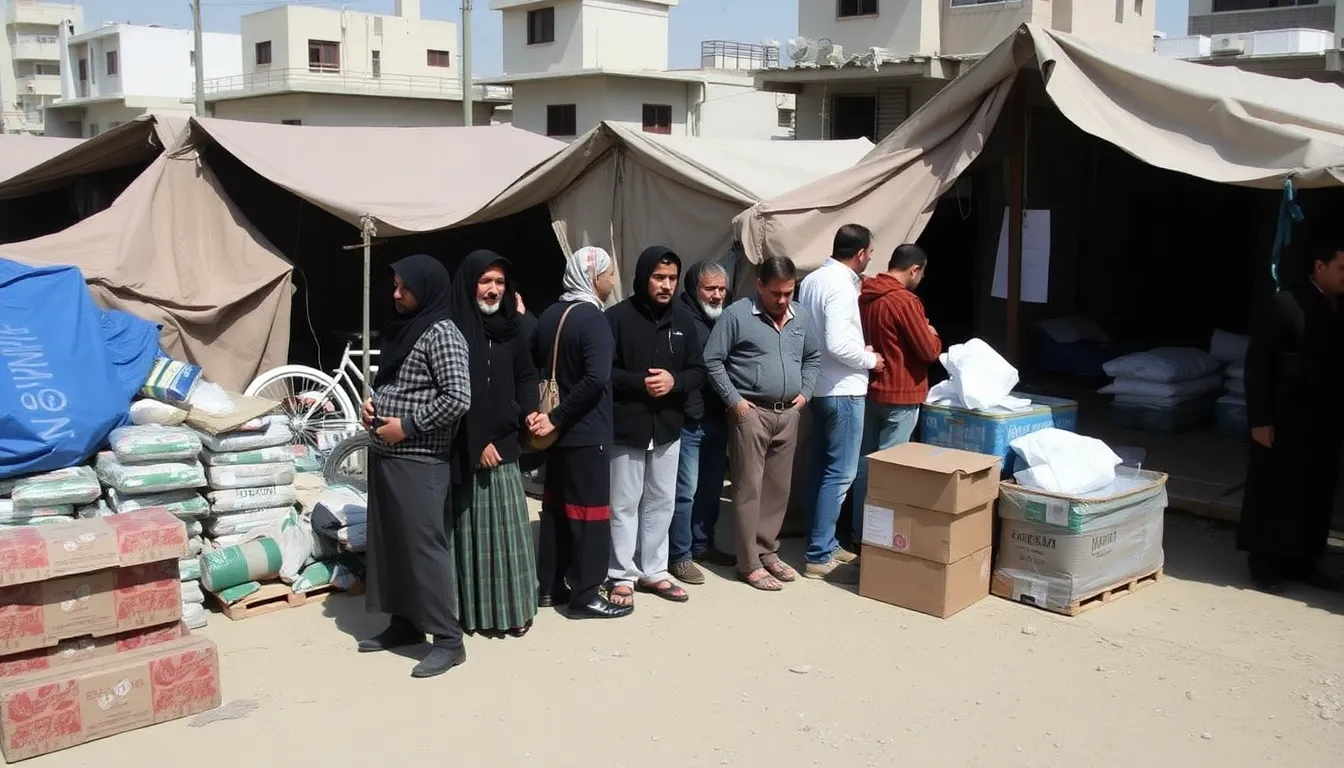
- Short-term impacts: Increased hunger and malnutrition rates.
- Mid-term impacts: Economic instability and potential job losses in the food supply sector.
- Risks: Long-term health issues and heightened community stress.
- Opportunities: Potential for international aid and investment in sustainable food systems.
On a broader scale, the food crisis may prompt policy changes as local authorities and international organizations reassess their strategies to address food insecurity. This could lead to new partnerships aimed at improving food distribution networks and enhancing local agricultural production. However, without immediate intervention, the risks to both the population’s health and the economy could escalate significantly.
A: Many food kitchens are lacking basic items such as flour, cooking oil, and canned goods, which are crucial for meal preparation. A: While the ceasefire has reduced hostilities, logistical challenges and supply chain disruptions continue to hinder food distribution efforts. A: Various NGOs and local organizations are responsible for supplying food, but they face significant obstacles in sourcing and delivering products. A: Increased international aid and support for local food production initiatives could help alleviate the shortages faced by food kitchens. A: Yes, several organizations are working to coordinate aid and improve food access, but challenges remain due to ongoing instability.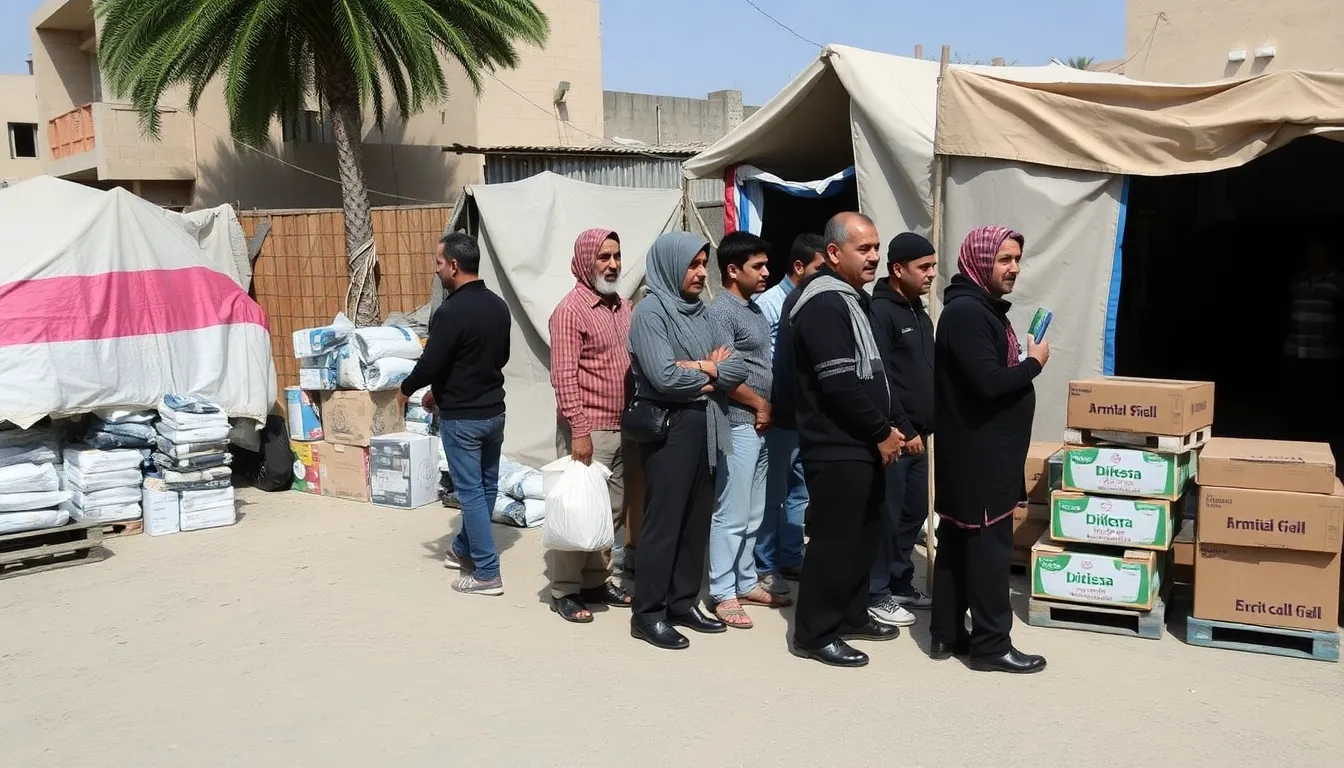
Frequently asked questions about food kitchens in Gaza
Looking ahead: the future of food supply in Gaza
The ongoing challenges faced by food kitchens in Gaza highlight the critical need for a comprehensive approach to humanitarian aid that goes beyond immediate relief efforts. Despite the ceasefire, essential products remain scarce, indicating that the underlying issues affecting food supply chains have not been fully addressed. As the situation evolves, it is crucial to monitor how both local and international entities respond to these persistent shortages.
Efforts to rebuild and stabilize the food supply in Gaza must prioritize not only the distribution of food but also the restoration of local agricultural production and infrastructure. Observing how stakeholders adapt to these challenges will provide insights into the long-term sustainability of food security in the region.
- Monitoring supply chain improvements: Watch for initiatives aimed at enhancing logistics and distribution networks to ensure essential food products reach those in need.
- Local agricultural support: Pay attention to programs designed to revitalize local farming, which could reduce reliance on external aid and improve food sovereignty.
- International aid dynamics: Observe how international organizations adjust their strategies in response to the ongoing needs and challenges faced by food kitchens.
- Community involvement: Consider the role of local communities in advocating for and participating in food distribution efforts, which may lead to more effective solutions.
- Long-term policy changes: Keep an eye on potential shifts in policy that could impact food security, including trade agreements and humanitarian aid regulations.