


The United Nations has called for urgent assistance, highlighting that approximately 2 million residents are in need of food aid, which underscores the importance of Gaza food kitchens in addressing this crisis.
In recent weeks, volunteers at various kitchens have been working tirelessly to prepare meals, but they often have to make do with limited resources. Some kitchens have resorted to creative solutions, such as substituting ingredients or reducing portion sizes, to stretch their supplies. However, these measures are not sustainable in the long term, and the situation remains critical as winter approaches.

The lack of essential products not only affects immediate food security but also poses serious health risks for the population. Malnutrition rates are expected to rise if the situation does not improve, particularly among vulnerable groups such as children and the elderly. The international community is urged to prioritize the restoration of supply chains and provide the necessary support to alleviate the humanitarian crisis in Gaza.
Understanding the situation in Gaza following the ceasefire
In recent years, the Gaza Strip has faced a severe humanitarian crisis exacerbated by ongoing conflicts, political strife, and economic blockades. The ceasefire, while a temporary relief, has not resolved the underlying issues that have plagued the region for decades. Historical grievances, territorial disputes, and external influences have all contributed to the current state of affairs, particularly regarding food security and access to essential products.
Even with the recent ceasefire, many food kitchens in Gaza report still lacking essential products, highlighting the persistent challenges faced by the population, which can be better understood by examining the broader humanitarian situation.
The Role of International Aid
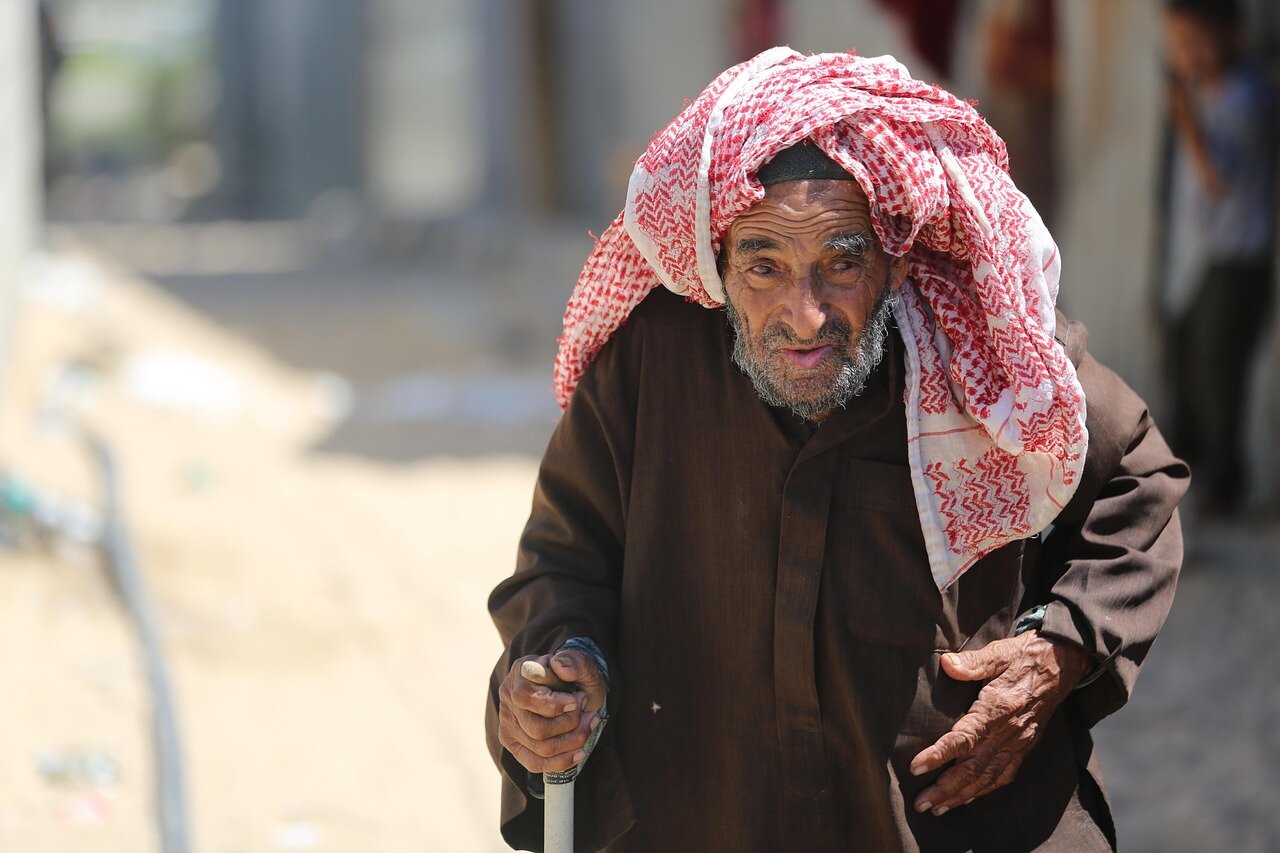
International aid has been a lifeline for many in Gaza, yet it often falls short of meeting the overwhelming needs of the population. Various organizations, including the United Nations and non-governmental entities, have attempted to address food insecurity through food distribution programs. However, these efforts are frequently hindered by logistical challenges and the political landscape, which affects the flow of aid into the region. The gap between the amount of aid needed and what is actually delivered remains a significant issue, leaving many families without access to adequate nutrition.
Furthermore, the social fabric of Gaza has been strained under the weight of continuous conflict and economic hardship. Families are often forced to make difficult choices, prioritizing basic survival over other needs, which has long-term implications for health and well-being. The lack of essential products in food kitchens is not merely a logistical failure but a reflection of the broader socio-economic challenges that continue to affect daily life in Gaza.
Key issues affecting food supply in Gaza’s kitchens
The recent ceasefire in Gaza has raised hopes for improved humanitarian conditions, yet food kitchens in the region continue to face critical shortages. Various stakeholders, including local organizations, international aid groups, and government entities, are involved in addressing these challenges, each with their own interests and motivations.

Local NGOs play a vital role in food distribution, often relying on donations and international support. Their primary interest lies in ensuring that food reaches the most vulnerable populations, but they face significant logistical challenges. The ongoing blockade and damaged infrastructure hinder their operations, making it difficult to procure and distribute essential food items.
International organizations such as the United Nations Relief and Works Agency (UNRWA) are also key players in this scenario. They aim to provide emergency food assistance but encounter obstacles related to funding and access. The political climate and restrictions imposed by various governing bodies complicate their efforts, leading to a trade-off between immediate relief and long-term solutions.
- Supply chain disruptions: Blockades and damaged infrastructure severely limit the flow of food products.
- Funding shortages: Many aid organizations struggle to secure adequate financial resources for sustained operations.
- Political tensions: Ongoing conflicts impact the ability of NGOs to operate freely and safely in the region.
- Dependency on external aid: The reliance on international support raises questions about the sustainability of food security in Gaza.
Moreover, the interests of the Israeli government and Palestinian authorities further complicate the situation. While the ceasefire aims to reduce hostilities, the underlying issues of control and resource allocation remain contentious. This environment creates a complex web of interactions where humanitarian needs often clash with political agendas.
The impact of food shortages on the local population
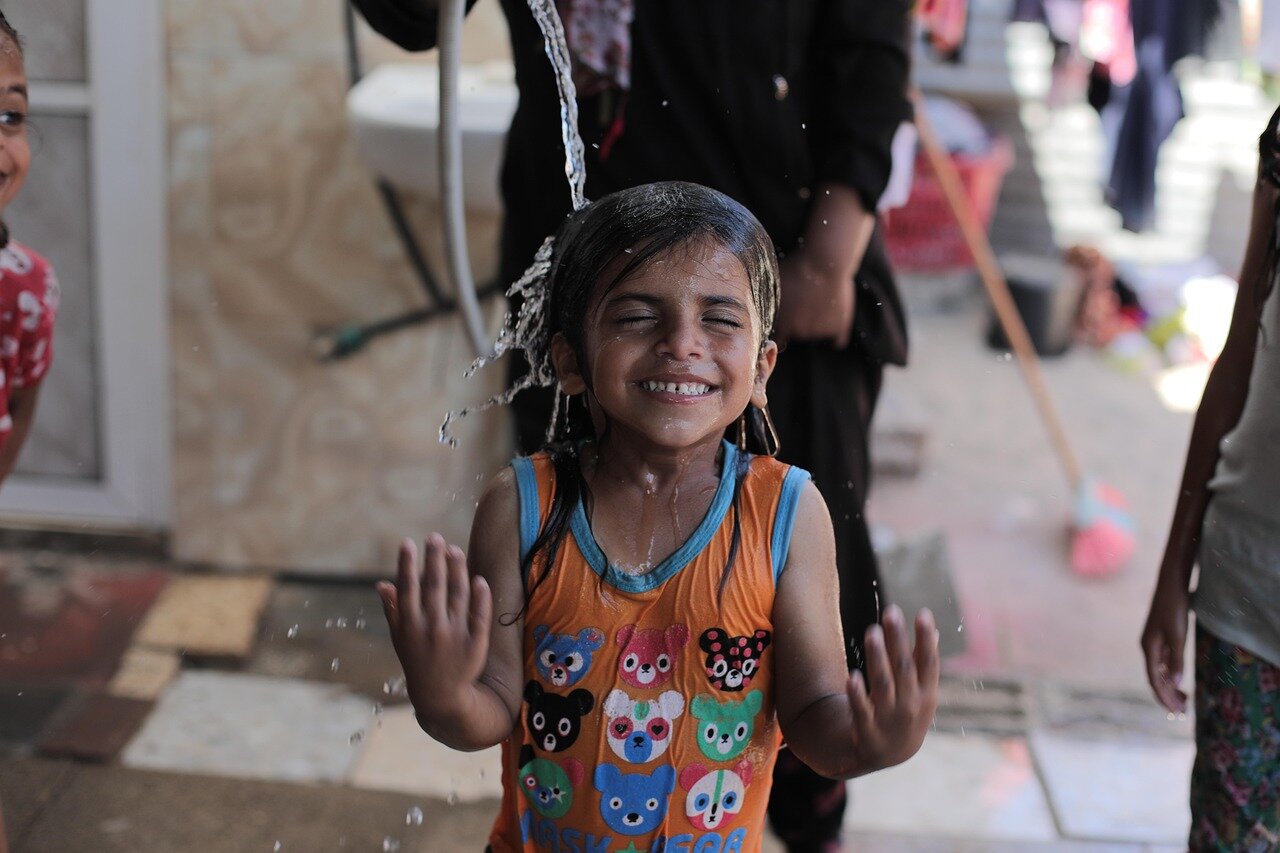
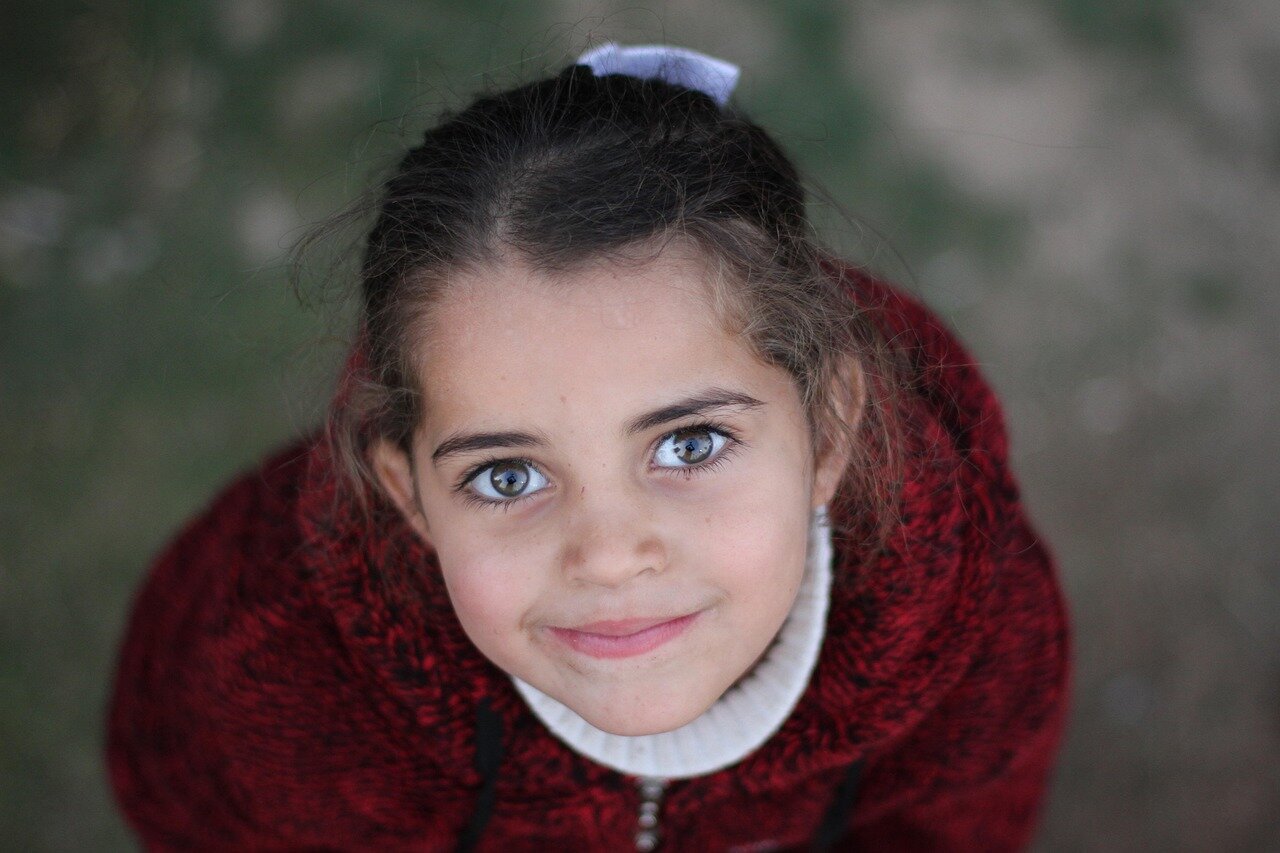
Families, particularly those with children and elderly members, are facing severe nutritional deficiencies, prompting calls for immediate action to improve food security and access in the region.
Moreover, local businesses, especially those involved in food distribution and retail, are struggling to meet the demands of the community. Many small-scale vendors have reported significant drops in sales due to the scarcity of products, leading to financial instability and potential layoffs. The agricultural sector is also feeling the strain, as farmers are unable to access necessary supplies to sustain their crops.
The short-term impacts of these shortages are evident in the daily lives of residents, who are forced to make difficult choices about their food consumption. Many families are resorting to purchasing less nutritious alternatives or skipping meals altogether. In the mid-term, this could lead to a rise in food insecurity and malnutrition rates, further straining public health resources.
- Health Risks: Increased malnutrition and related health issues.
- Economic Strain: Decline in local business revenues and potential job losses.
- Social Unrest: Growing frustration among the population could lead to protests or civil disturbances.
However, there are potential opportunities for humanitarian organizations and international aid agencies to step in and provide support. Increased collaboration with local businesses could foster innovative solutions to improve food distribution networks. Additionally, there is a chance for policy changes that prioritize food security and agricultural support in the region, which could lead to more sustainable practices in the long run.
A: Despite the ceasefire, supply chains remain disrupted, and many essential products are still not available due to ongoing restrictions. A: Staples such as flour, rice, and cooking oil are among the most critically missing items in Gaza’s food kitchens. A: Local organizations are working tirelessly to source food supplies from alternative routes, but their efforts are often hampered by logistical challenges. A: Increased international aid and a more stable supply chain are essential to ensure that food kitchens can meet the needs of the population. A: While some aid has started to arrive, the overall situation remains precarious, and significant improvements are still needed.
Frequently asked questions about food shortages in Gaza
Looking ahead: the future of food supply in Gaza
The recent ceasefire in Gaza has brought a temporary reprieve, but the ongoing challenges faced by food kitchens highlight the fragility of the region’s food supply chain. Despite the cessation of hostilities, essential products remain scarce, raising concerns about the long-term sustainability of food assistance efforts. The ability of these kitchens to operate effectively is crucial for the well-being of the population, particularly in light of the economic hardships exacerbated by the conflict.
As the situation evolves, it is essential to monitor the responses from local authorities and international organizations. Their strategies will play a pivotal role in addressing the immediate needs of the community while laying the groundwork for future resilience in food security.
- Continued advocacy for the unhindered delivery of essential food products is critical for supporting vulnerable populations.
- Monitoring the effectiveness of aid distribution will provide insights into potential gaps and areas for improvement.
- Engagement with local farmers and suppliers could enhance the sustainability of food sources in the region.
- Collaboration between humanitarian organizations and local governments may foster more effective responses to food shortages.
- Public awareness campaigns could help mobilize additional resources and support for food kitchens in Gaza.