


In the backdrop of Gates’ visit, Indian policymakers are grappling with the implications of AI technologies, including ethical considerations and regulatory frameworks. The Indian government has been under pressure to establish clearer guidelines for AI development, especially as concerns about privacy, security, and misinformation grow. The discussions have been further complicated by political tensions, with various parties leveraging the AI debate to advance their agendas.
On October 18, 2023, a panel of experts, including government officials and tech leaders, will convene to address these pressing issues. This event is expected to highlight the challenges of balancing innovation with safety and accountability. As political dynamics shift, the role of influential figures like Gates could either facilitate constructive dialogue or dominate the narrative, overshadowing the critical need for comprehensive AI regulations.
Moreover, the stakes are high as India positions itself as a global player in AI technology. The outcome of these discussions could set a precedent for how emerging technologies are governed not only in India but also in other countries facing similar dilemmas. As the debate unfolds, the interplay between Gates’ philanthropic initiatives and local political interests will be closely scrutinized, shaping the future of AI safety in the region.
Understanding the background of AI safety discussions
The discourse surrounding artificial intelligence (AI) safety has gained significant momentum in recent years, particularly as technological advancements accelerate. The intersection of AI with political, economic, and social factors has created a complex landscape where various stakeholders, including tech leaders like Bill Gates, play influential roles. Historically, the rapid development of AI technologies has outpaced regulatory frameworks, raising concerns about their implications for society and governance, as highlighted in recent analyses.
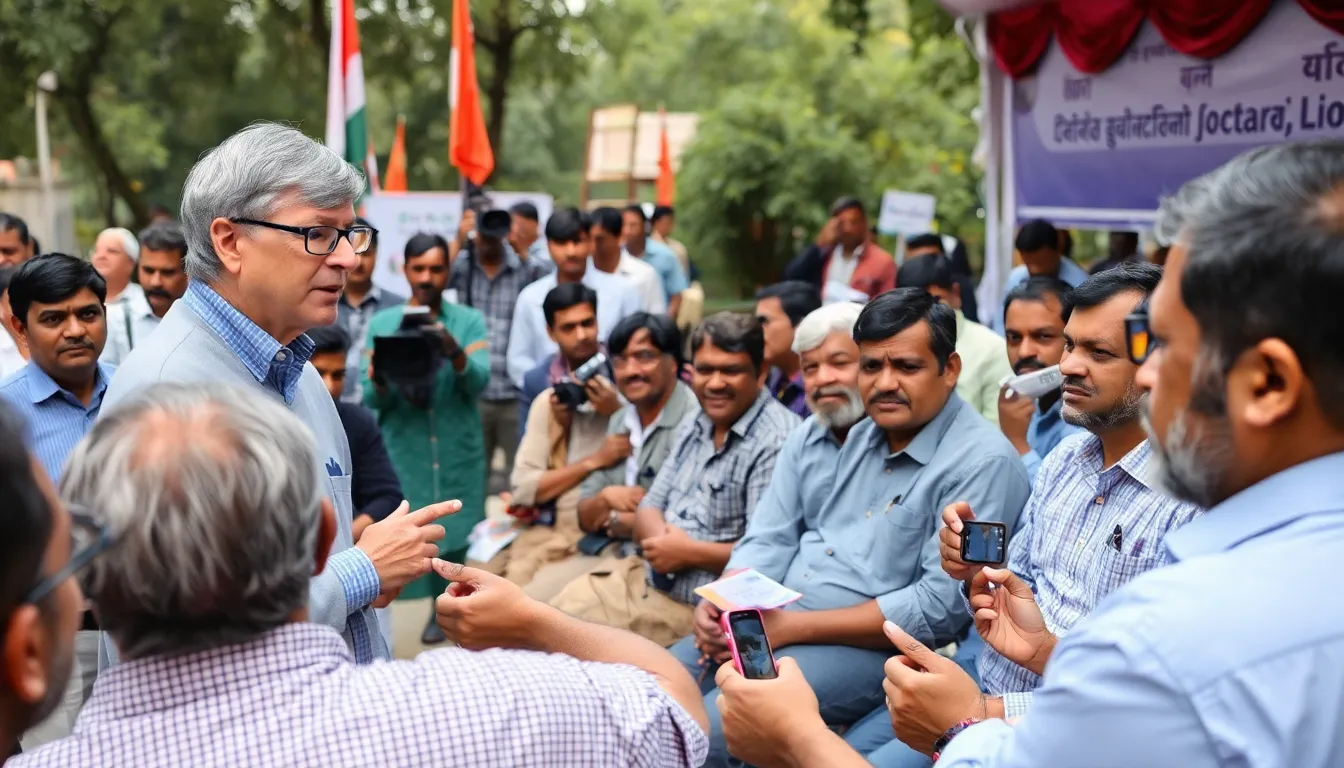
In the early 2010s, as machine learning and data analytics began to transform industries, governments worldwide started to recognize the potential risks associated with unregulated AI. This period saw the establishment of various think tanks and policy groups focused on AI ethics and safety. However, the conversation often remained confined to academic circles until high-profile incidents, such as biased algorithms in hiring processes and autonomous vehicles’ accidents, thrust the issue into the public eye.
As the debate evolved, key figures like Bill Gates emerged as advocates for responsible AI development. Gates has long emphasized the importance of integrating ethical considerations into technological innovation. His involvement in the AI safety debate underscores the growing recognition that technology leaders must engage with policymakers to ensure that AI benefits society while minimizing risks.
The Role of Global Politics
The political landscape significantly influences AI safety discussions, particularly in countries like India, where economic growth and technological adoption are rapid. The recent political tussles in Delhi reflect broader tensions between innovation and regulation, as various factions vie for influence over AI policy. This dynamic complicates the dialogue around safety, as competing interests may overshadow critical discussions about ethical standards and regulatory frameworks.
As these discussions unfold, the potential for prominent figures like Gates to overshadow the AI safety debate becomes apparent. Their global influence can attract attention to the issue, but it may also divert focus from local concerns that require urgent attention. Understanding this backdrop is essential for grasping the complexities of the ongoing AI safety discourse in Delhi and beyond.
Key stakeholders and their interests in the AI safety debate
The ongoing discourse around AI safety in Delhi is influenced by a diverse array of stakeholders, each with distinct interests and agendas. Among the most prominent figures is Bill Gates, whose philanthropic efforts in technology and global health intersect with the burgeoning field of artificial intelligence. Gates advocates for responsible AI development, emphasizing the need for ethical guidelines that ensure technology serves humanity’s best interests.
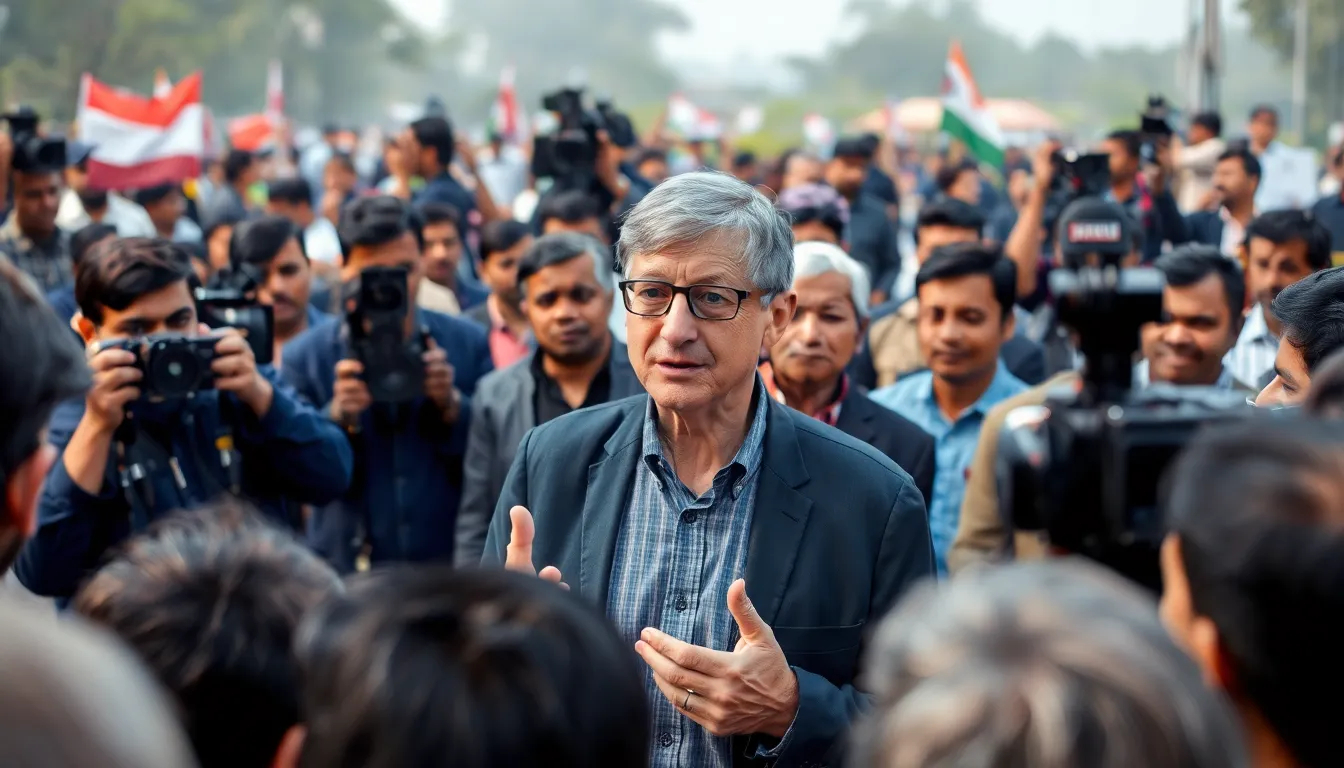
Another critical actor is the Indian government, which is navigating the complexities of regulating AI while fostering innovation. The government’s interest lies in balancing economic growth driven by AI advancements with the potential societal risks associated with unchecked technological development. This balancing act is further complicated by political tussles that may overshadow the core issues of AI safety.
Additionally, various tech companies and startups in India are stakeholders in this debate. Their interests often revolve around leveraging AI for competitive advantage, which may sometimes conflict with safety and ethical considerations. These companies may advocate for less stringent regulations to promote innovation, raising questions about the potential trade-offs between rapid technological advancement and public safety.
- Bill Gates: Promotes ethical AI development and responsible use of technology.
- Indian Government: Aims to regulate AI while encouraging economic growth and innovation.
- Tech Companies: Seek to minimize regulatory burdens to foster innovation.
- Public Interest Groups: Advocate for transparency and accountability in AI deployment.
- International Organizations: Push for global standards on AI safety and ethics.
Conflicts arise when the interests of these stakeholders diverge, particularly when political agendas overshadow the critical discussions about AI safety. For instance, while Gates and public interest groups may push for stringent safety measures, the government and tech companies might prioritize economic incentives, leading to a potential standoff. This scenario illustrates the complex interplay between innovation, regulation, and ethical considerations in the AI landscape.
Potential impacts on technology policy and public perception
The ongoing political tussles involving Bill Gates and the AI safety debate in Delhi are poised to affect various groups and industries. Stakeholders in the technology sector, including AI developers, policymakers, and advocacy groups, are particularly impacted by the shifting narratives surrounding AI regulation and safety. Additionally, the general public, especially those in urban areas where AI technologies are increasingly integrated into daily life, will feel the consequences of these discussions.
In the short term, the heightened visibility of these debates may lead to increased scrutiny of AI technologies. This could result in a more cautious approach from businesses, impacting innovation and the speed of AI adoption. Companies may delay investments or projects related to AI until clearer regulations are established, affecting their competitive edge.
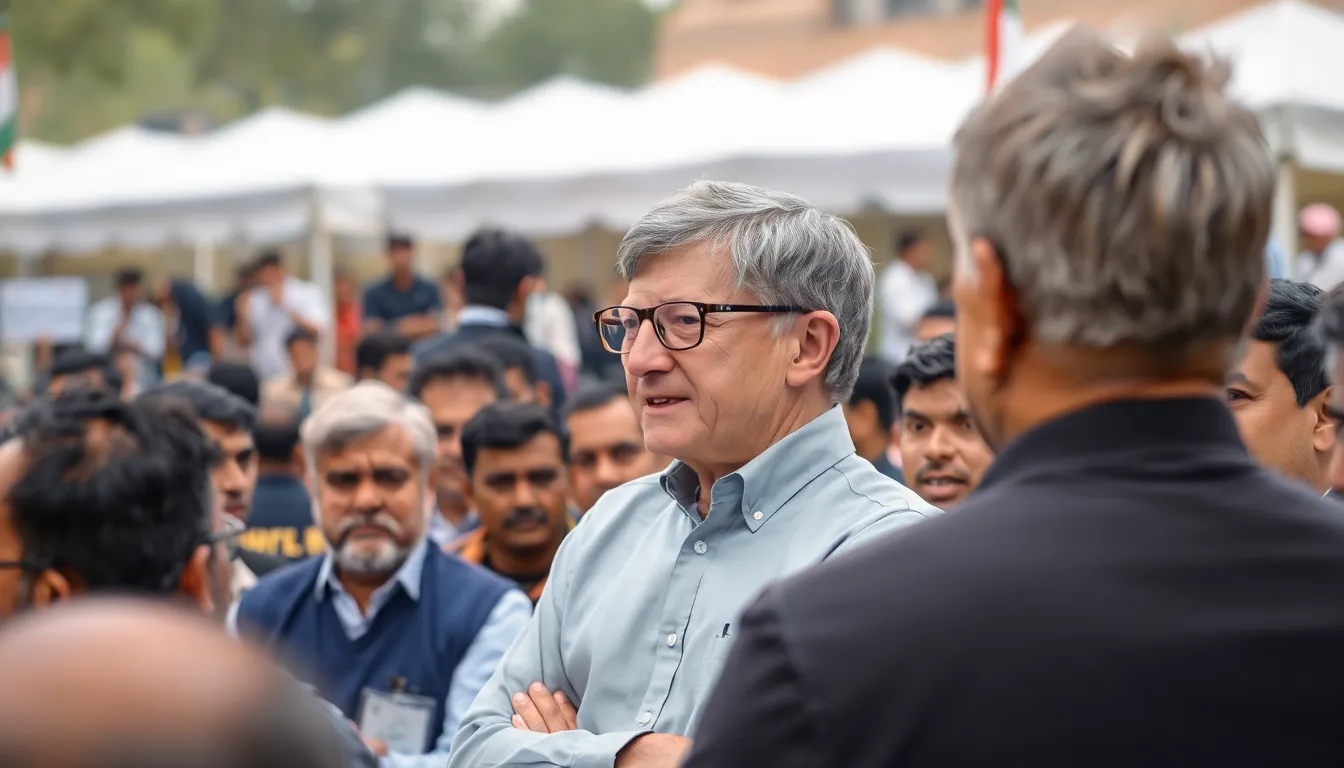
Mid-term impacts could include significant shifts in public perception towards AI. If the political discourse continues to frame AI as a potential threat, public trust in AI technologies may decline. This could hinder the deployment of beneficial AI applications in sectors such as healthcare and education, where they could provide substantial improvements in service delivery.
- Risks: Potential stifling of innovation due to regulatory delays.
- Risks: Erosion of public trust in AI applications.
- Opportunities: Increased demand for responsible AI practices and transparency.
- Opportunities: New collaborations between tech companies and regulators to shape effective policies.
Moreover, the political narrative surrounding Bill Gates may also create opportunities for grassroots organizations and advocacy groups to push for more ethical AI practices. This could lead to a more inclusive dialogue about AI safety, ensuring that diverse voices are heard in the policymaking process. Ultimately, the interplay between political figures and the AI safety debate will shape the future landscape of technology policy in India.
A: Bill Gates is a prominent figure in technology and philanthropy, and his views can significantly influence public opinion and policy regarding AI safety. A: Political conflicts can divert attention from critical issues like AI safety, leading to a lack of comprehensive policy development. A: Concerns include ethical implications, regulatory frameworks, and the potential for misuse of AI technologies. A: Yes, several government and private sector initiatives aim to address AI safety, but they often face challenges due to political dynamics. A: Public perceptions can shape policy decisions and influence how technology companies approach AI safety measures.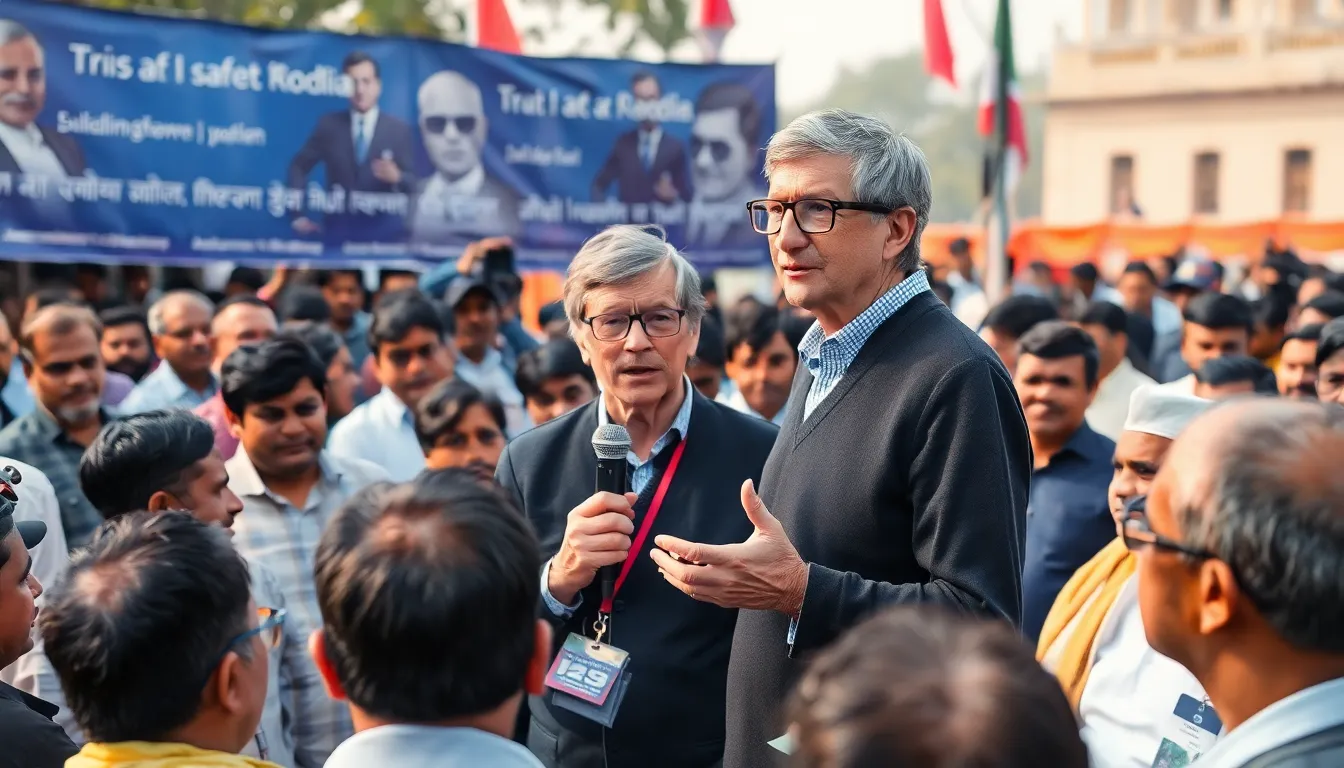
Frequently asked questions about AI safety and political influence
Insights on the future of AI safety discussions in Delhi
The intersection of high-profile figures like Bill Gates and the ongoing political dynamics in Delhi presents both opportunities and challenges for the AI safety discourse. As stakeholders from various sectors converge to address the implications of artificial intelligence, the potential overshadowing of critical safety discussions by political maneuvering raises concerns about the prioritization of public interest. It will be essential to maintain a focus on the ethical and safety implications of AI technology amid these distractions.
Looking ahead, the ability to navigate these complexities will depend on fostering an inclusive dialogue that prioritizes the voices of experts and affected communities. The outcome of these discussions will likely shape the regulatory frameworks and safety protocols that govern AI deployment in India and beyond.
- Monitor the balance of influence: Watch how the involvement of influential figures impacts the agenda of AI safety discussions.
- Engage with diverse stakeholders: Ensure that conversations include a range of voices, particularly from underrepresented communities.
- Evaluate regulatory responses: Pay attention to how policymakers respond to the emerging AI landscape and the effectiveness of new regulations.
- Assess public awareness: Observe the level of public engagement and understanding of AI safety issues as they evolve.
- Track international collaborations: Look for partnerships between India and other nations focused on AI safety, which could influence local policies.