


Recent reports indicate that Ukrainian forces have successfully integrated commercial drones into their military strategy, allowing for real-time intelligence gathering and precision strikes against enemy positions. In September 2023, a series of drone strikes conducted by Ukraine resulted in substantial damage to Russian supply lines, showcasing the effectiveness of these unmanned systems in contemporary warfare. This development is part of a broader trend in the modernization of military technologies, as detailed in our article on the impact of military advancements.
Conversely, Russia has also invested heavily in robotic technologies, deploying UGVs equipped with weaponry to conduct ground operations. These vehicles have been used to support infantry units and conduct reconnaissance missions, demonstrating their potential to alter traditional combat roles. The ongoing development and deployment of such technologies raise important questions about the future of warfare and the ethical implications of using autonomous systems in combat.
The increasing reliance on robotic systems in Ukraine serves as a case study for military strategists worldwide. As nations observe the outcomes of these technologies in real-time combat, there is a growing interest in how such advancements will shape future military doctrines and strategies. The implications of this robotic arms race could redefine the nature of conflict and international security in the coming years.
Historical context of robotics in military operations
The integration of robotics into military operations has evolved significantly over the last few decades, driven by advancements in technology and the changing nature of warfare. The concept of using machines for combat dates back to World War II, with early developments in automated artillery and bombers. However, it was not until the late 20th century that robotics began to play a more prominent role in military strategy, particularly with the advent of unmanned aerial vehicles (UAVs).
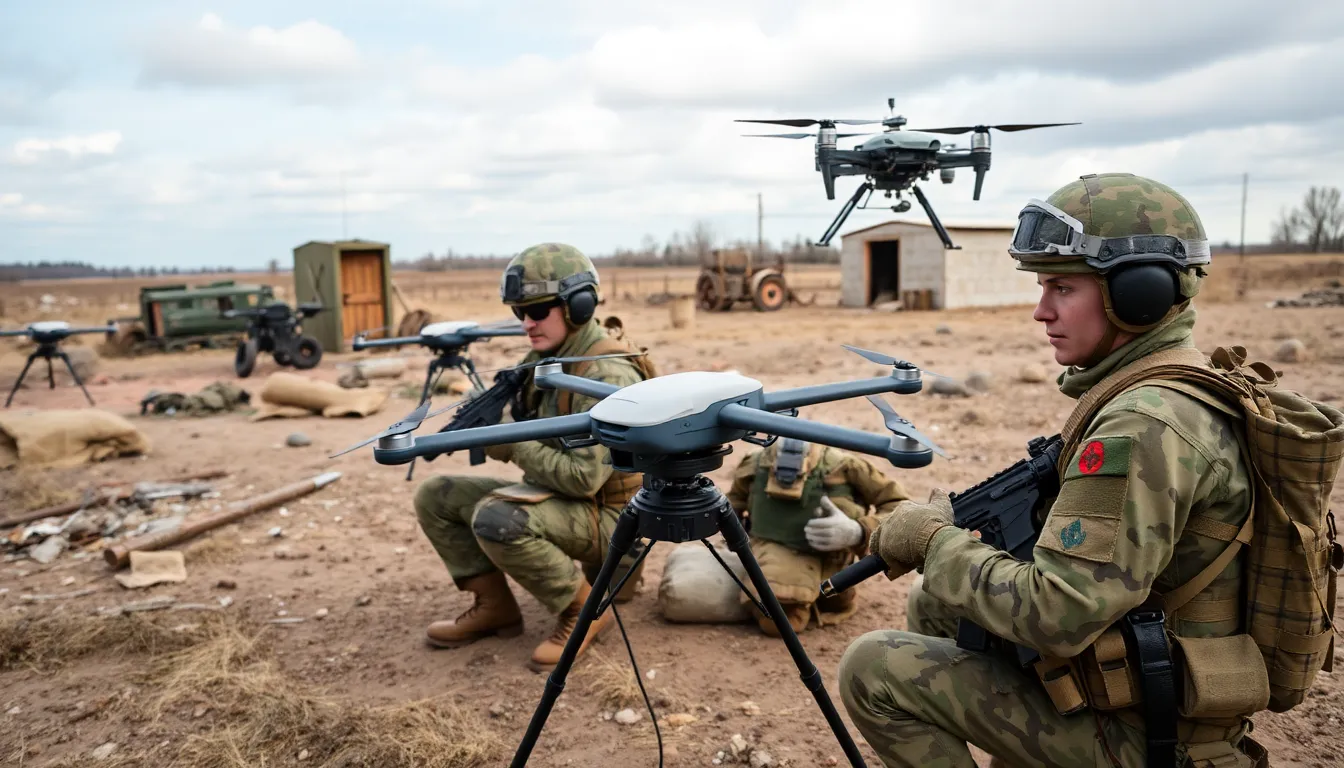
The Gulf War in the early 1990s marked a pivotal moment for the use of UAVs, showcasing their potential for surveillance and precision strikes. As nations recognized the advantages of reducing human casualties and increasing operational efficiency, military investment in robotics surged. This led to the development of a variety of robotic systems, including ground vehicles and drones, which have since become integral to modern military operations.
The rise of autonomous systems
In recent years, the shift towards autonomous systems has transformed the battlefield landscape. Countries like the United States, Russia, and China have been at the forefront of developing advanced robotic technologies capable of independent decision-making. These systems are designed to perform complex tasks, from reconnaissance to combat, without direct human intervention. This evolution raises important ethical and strategic questions about the future of warfare and the role of human oversight in military operations.
The ongoing conflict in Ukraine serves as a contemporary case study of how robotics are utilized in modern warfare. Both Ukrainian and Russian forces have deployed various unmanned systems to enhance their tactical capabilities. The use of drones for intelligence gathering and targeted strikes has become commonplace, illustrating the shift towards a more technologically driven battlefield. This conflict highlights not only the effectiveness of robotic systems but also the challenges they present in terms of regulation and the potential for escalation, similar to discussions in our piece on anti-war protests and defense strategies.
As nations continue to invest in military robotics, understanding the historical context and current developments becomes crucial. The lessons learned from conflicts such as those in Ukraine will shape future military strategies and the ethical frameworks governing the use of autonomous systems in warfare.
Key stakeholders and their interests in robotic warfare
In the evolving landscape of warfare, particularly in the context of the ongoing conflict in Ukraine, several key stakeholders are emerging with distinct interests. These include national governments, military organizations, technology companies, and international regulatory bodies. Each actor plays a crucial role in shaping the future of robotic warfare, as their decisions and strategies will influence both the battlefield and broader geopolitical dynamics.
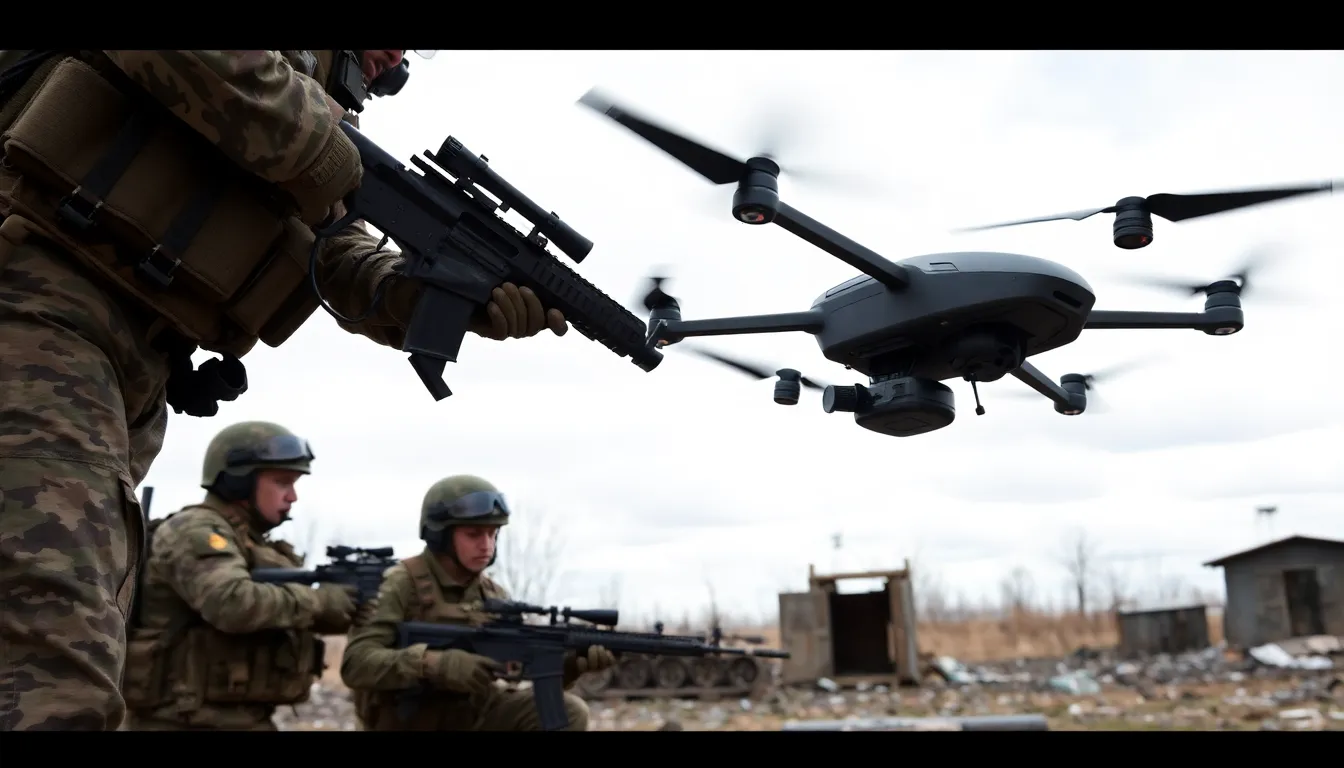
National governments, particularly those directly involved in the conflict, have a vested interest in developing and deploying robotic systems to enhance their military capabilities. For instance, Ukraine has leveraged drone technology for reconnaissance and combat, aiming to counteract superior forces. Conversely, Russia is also investing heavily in autonomous weapon systems to maintain its strategic advantage. This arms race underscores the urgent need for nations to innovate rapidly in military technology.
Military organizations are focused on integrating robotic systems into their operational frameworks. This integration raises several key issues, including the effectiveness of autonomous systems in real combat scenarios and the ethical implications of using machines in warfare. As these organizations adapt to new technologies, they must also address the potential for increased civilian casualties and the challenges of accountability when autonomous systems make life-and-death decisions.
- Technological innovation: Companies developing robotic systems are driven by the potential for profit and market leadership, which can lead to rapid advancements but also raises ethical concerns.
- International law: The use of robotic warfare poses significant legal challenges, as existing frameworks may not adequately address the complexities introduced by autonomous systems.
- Public perception: The acceptance of robotic warfare by the general public and advocacy groups can influence government policies and military strategies.
- Geopolitical implications: The proliferation of robotic warfare technology may exacerbate tensions between nations, leading to an arms race that destabilizes international relations.
As these stakeholders navigate the complexities of robotic warfare, they must balance military effectiveness with ethical considerations and legal frameworks. The interplay of interests among these actors will ultimately shape the battlefield of the near future, making it imperative for all involved to engage in dialogue and collaboration to address the emerging challenges.
Impact of robotic warfare on soldiers and civilians
The rise of robotic warfare in conflict zones like Ukraine has significant implications for various groups, including soldiers, civilians, defense industries, and policymakers. As nations invest in advanced military technologies, the landscape of warfare is shifting, affecting how conflicts are fought and experienced by those on the ground.
In the short term, soldiers are facing new challenges on the battlefield, as robotic systems can enhance surveillance, targeting, and combat capabilities. This leads to a heightened risk of casualties, as traditional combat roles evolve. For civilians, the presence of autonomous systems raises concerns about safety and the potential for unintended harm during military operations.
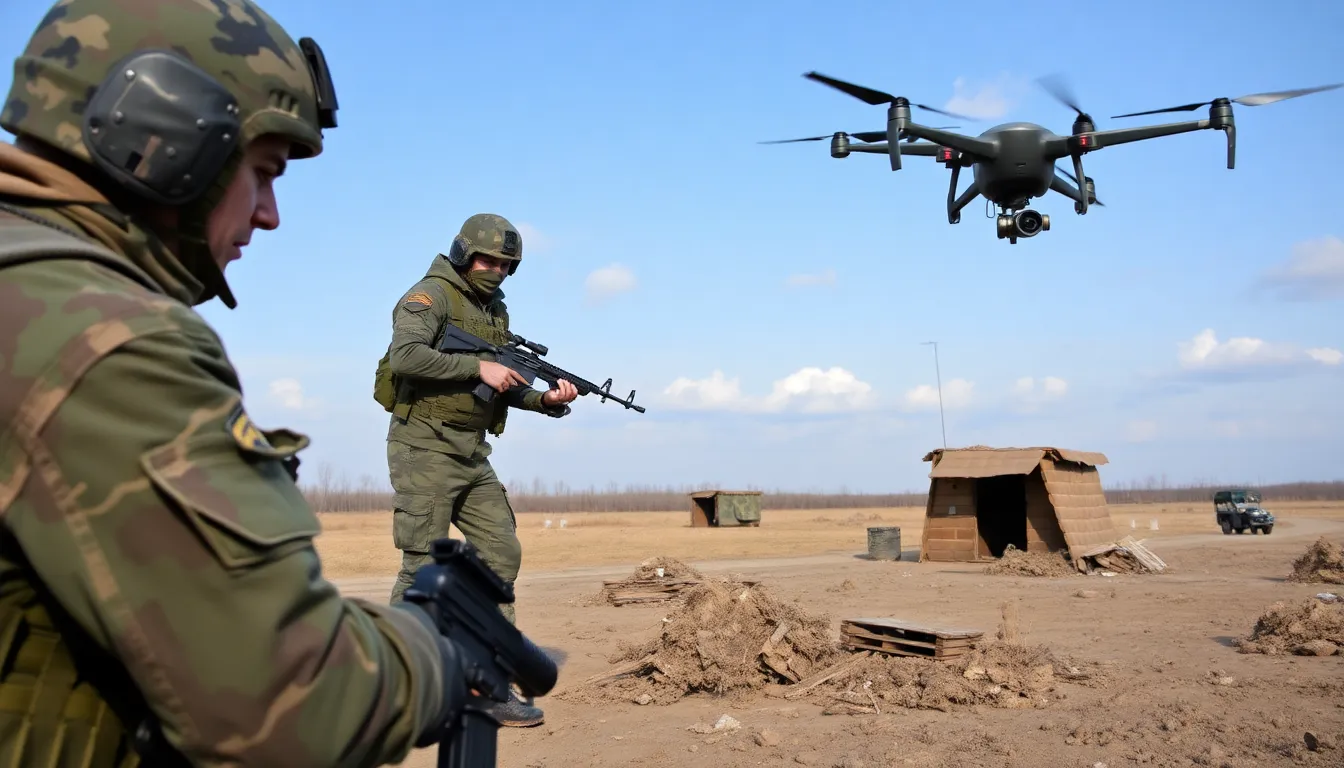
Industries involved in defense technology stand to gain from increased demand for robotics and artificial intelligence solutions. This could lead to job creation and innovation within the sector, as companies strive to develop more sophisticated systems. However, there is also a risk of job displacement in traditional military roles as automation takes over certain functions.
From a policy perspective, governments may need to reassess regulations surrounding the use of robotic systems in warfare. This includes addressing ethical concerns and establishing guidelines to prevent misuse. The international community will likely face pressure to create treaties that govern the deployment of autonomous weapons, which could reshape defense strategies globally.
- Soldiers: Increased risk and changing roles in combat.
- Civilians: Heightened safety concerns in conflict zones.
- Defense industry: Opportunities for innovation and job creation.
- Policymakers: Need for new regulations and ethical guidelines.
In the mid-term, as robotic warfare becomes more prevalent, we may see shifts in global military alliances and strategies. Nations that successfully integrate these technologies could gain a strategic advantage, potentially leading to an arms race in robotic capabilities. This evolving landscape will require ongoing adaptation from all stakeholders involved, including military personnel, civilians, and industry leaders.
A: The Ukraine conflict has seen the use of drones for surveillance and combat, ground robots for logistics and bomb disposal, and automated systems for intelligence gathering. A: Robotic systems can enhance operational efficiency, reduce human casualties, and allow for remote engagement in combat, fundamentally altering traditional warfare strategies. A: Yes, ethical concerns include the potential for loss of human oversight, accountability for actions taken by autonomous systems, and the implications of dehumanizing warfare. A: The conflict highlights the importance of integrating technology into military strategies, emphasizing the need for adaptability and innovation in response to evolving threats.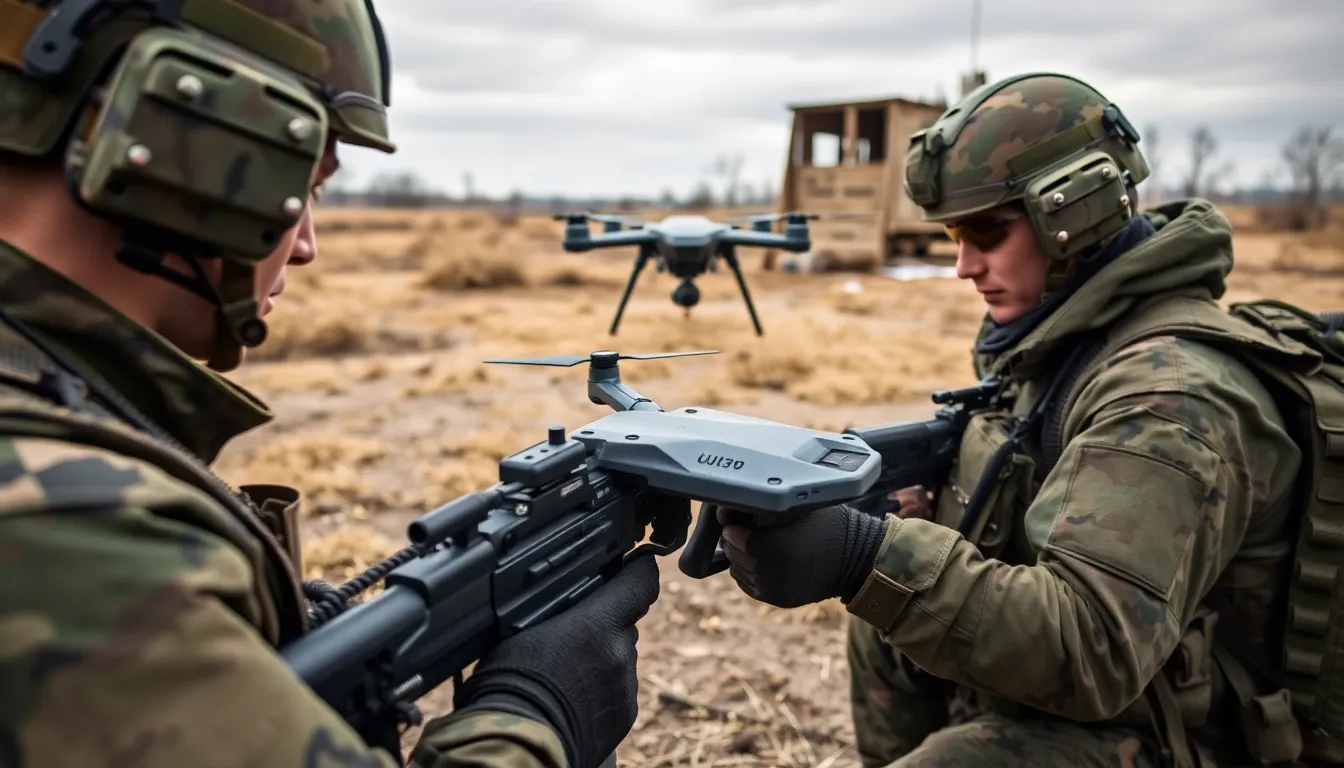
Frequently asked questions about robotic warfare
Insights into the future of warfare and robotics
The ongoing conflict in Ukraine has illuminated the transformative role of robotics in modern warfare. As nations increasingly integrate unmanned systems into their military strategies, the implications for future conflicts become more pronounced. This evolution not only reshapes tactical operations but also raises ethical and strategic questions that will define the battlefield of tomorrow.
Observing the deployment and effectiveness of robotic systems in Ukraine offers critical lessons for military planners and policymakers globally. The integration of AI and autonomous systems is not merely a trend but a fundamental shift that could alter the dynamics of power and engagement in international relations.
- Increased reliance on unmanned systems: Expect a surge in the use of drones and robotic units for reconnaissance and direct engagement, minimizing human casualties and enhancing operational efficiency.
- Evolution of tactics: Traditional military strategies will need to adapt to incorporate the capabilities and limitations of robotic systems, leading to new forms of warfare.
- Ethical considerations: The deployment of autonomous weapons raises significant ethical dilemmas regarding accountability and decision-making in combat scenarios.
- Cybersecurity implications: As robotics become integral to military operations, the potential for cyberattacks on these systems will increase, necessitating robust cybersecurity measures.
- Global arms race: Nations may accelerate their robotics programs in response to advancements seen in Ukraine, potentially leading to a new arms race focused on unmanned technologies.