


In response to the rising costs, sales of electric vehicles have seen a notable increase. Data from the Society of Indian Automobile Manufacturers indicates that EV sales surged by over 200% in the first half of 2023 compared to the same period in the previous year. Major manufacturers, including Tata Motors and Mahindra, have reported long waiting periods for their electric models, highlighting the growing demand in the market. This shift towards electric vehicles aligns with the government’s initiatives to promote sustainable transportation.
Despite this positive trend, challenges remain for the widespread adoption of electric vehicles in India. Infrastructure for charging stations is still underdeveloped, particularly in rural areas, and concerns about battery life and range anxiety persist among potential buyers. Additionally, the initial purchase price of EVs remains higher than that of traditional vehicles, which can deter some consumers from making the switch.
The Indian government has implemented various incentives to promote electric vehicle adoption, such as the Faster Adoption and Manufacturing of Hybrid and Electric Vehicles (FAME) scheme. However, experts argue that further investment in charging infrastructure and subsidies for consumers are essential to overcome the current barriers and ensure a smooth transition to electric mobility.

Understanding the background of India’s fuel and electric vehicle market
India’s automotive landscape has undergone significant transformation over the past few decades, driven by a combination of economic growth, rising fuel prices, and increasing environmental awareness. Historically, the country has relied heavily on fossil fuels, with petrol and diesel being the primary sources of energy for its vast transportation network. However, the volatility of global oil prices has led to a surge in fuel costs, prompting consumers to seek alternative solutions.
In recent years, the Indian government has recognized the urgent need to transition towards sustainable energy sources. This realization has been fueled by the dual pressures of climate change and air pollution, particularly in urban areas where vehicular emissions contribute significantly to deteriorating air quality. The government’s push for electric vehicles (EVs) gained momentum with the launch of the Faster Adoption and Manufacturing of Electric Vehicles (FAME) scheme in 2015, which aimed to incentivize the adoption of electric mobility.
Key Milestones in India’s Electric Vehicle Journey
Several key milestones have marked India’s journey toward electric mobility. In 2019, the government announced a comprehensive National Electric Mobility Mission Plan, setting ambitious targets for EV adoption by 2030. This was complemented by various state-level initiatives offering subsidies and tax exemptions for electric vehicle purchases. Additionally, the rise of domestic EV manufacturers and collaborations with global automotive companies have further accelerated the market’s growth.
Despite these advancements, challenges remain. The high upfront cost of electric vehicles, limited charging infrastructure, and concerns over battery technology continue to hinder widespread adoption. As fuel prices continue to rise, many consumers are increasingly considering electric options, but the transition is still fraught with obstacles that need to be addressed to ensure a sustainable shift in India’s transportation sector.

Key stakeholders and challenges in the electric vehicle transition
The push towards electric vehicles (EVs) in India has garnered the attention of various stakeholders, each with distinct interests and concerns. Key players include the Indian government, automotive manufacturers, consumers, and environmental organizations. The government’s goal is to reduce carbon emissions and dependency on fossil fuels, while manufacturers aim to capitalize on the growing demand for EVs. Consumers, on the other hand, are motivated by the rising costs of fuel and the potential long-term savings associated with electric vehicles.
However, the transition to electric vehicles is not without its challenges. One of the primary issues is the availability of charging infrastructure. As more consumers consider switching to EVs, the lack of widespread charging stations poses a significant barrier. This situation creates a conflict between consumer demand and the current capabilities of infrastructure providers, including both private companies and government entities.
Additionally, the economic implications of this shift are complex. While the initial cost of electric vehicles may be higher than traditional cars, the long-term savings on fuel and maintenance can be appealing. However, the financial burden on consumers during the transition period can lead to hesitance. This trade-off highlights the need for government incentives to offset costs and encourage adoption.
- Government Policies: Incentives and subsidies are crucial for promoting EV adoption.
- Manufacturing Capacity: Automotive manufacturers must invest in new technologies and production lines.
- Consumer Awareness: Educating potential buyers about the benefits and savings associated with EVs is essential.
- Environmental Impact: The shift must also consider the ecological footprint of battery production and disposal.
- Technological Advancements: Continuous improvements in battery technology are necessary to enhance vehicle range and efficiency.
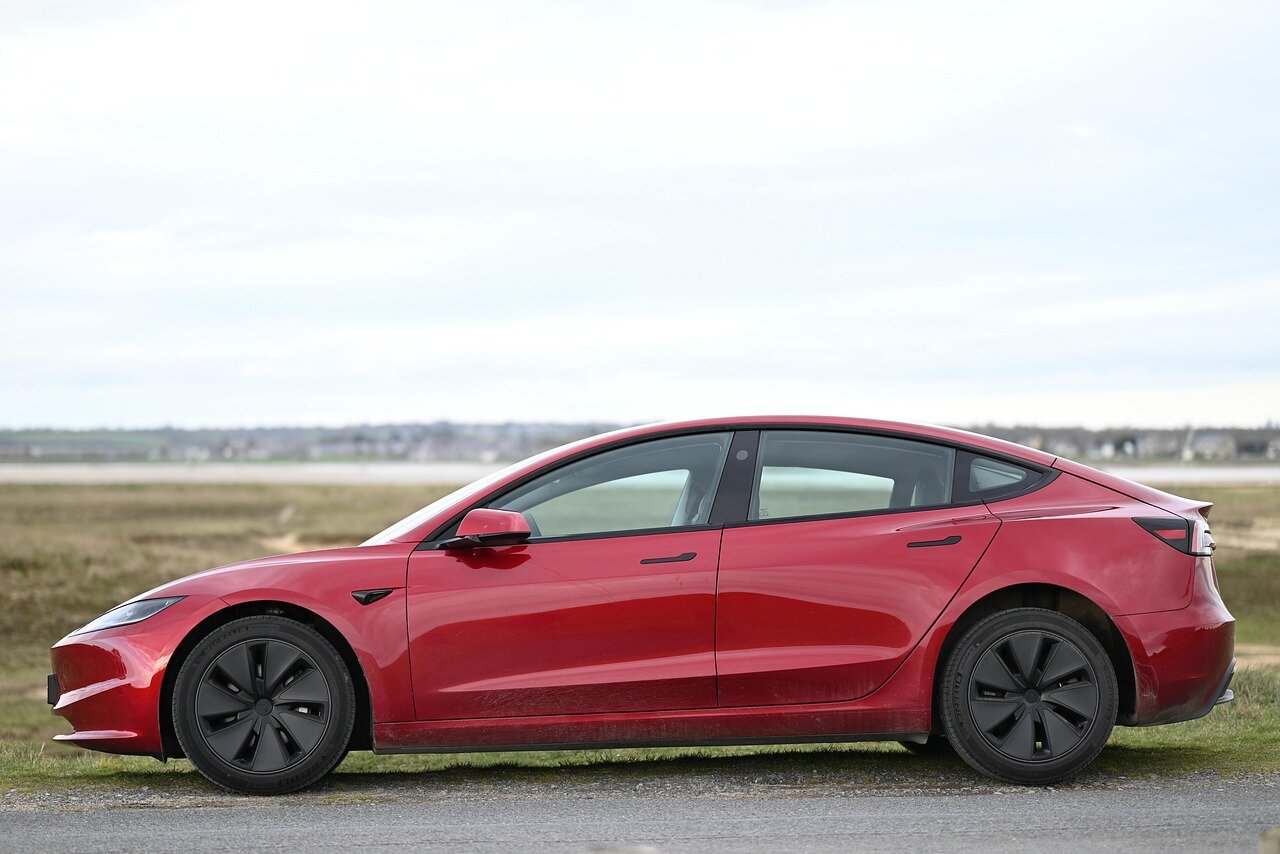
Who is affected by the rise in electric vehicle adoption?
The surge in electric vehicle (EV) adoption in India is primarily impacting urban commuters, families, and businesses reliant on transportation. With rising fuel costs, many individuals are turning to electric cars as a cost-effective alternative. This shift is particularly pronounced in metropolitan areas where traffic congestion and pollution are major concerns, prompting residents to seek cleaner and more economical modes of transport.
Industries such as automotive manufacturing, battery production, and renewable energy are also feeling the effects. Traditional car manufacturers are being compelled to pivot towards EV production, while battery manufacturers are experiencing increased demand for lithium-ion batteries. This transition is creating new job opportunities in green technology sectors, but it also poses challenges for workers in fossil fuel-related industries, further emphasizing the need for supportive policies to facilitate this shift.
In the short term, daily life for many consumers is changing as they adapt to the new technology and infrastructure associated with electric vehicles. Charging stations are becoming more prevalent, but the availability and accessibility of these facilities can vary significantly by region. In the mid-term, government policies may evolve to support EV adoption, potentially leading to incentives for consumers and businesses, as well as stricter regulations on emissions for traditional vehicles.
- Risks: The initial cost of electric vehicles remains high, which can deter potential buyers. Additionally, the infrastructure for charging stations is still underdeveloped in many areas.
- Opportunities: Increased investment in renewable energy sources and battery technology can drive economic growth and job creation in emerging sectors.
- Environmental Impact: A shift towards electric vehicles could significantly reduce urban air pollution and contribute to climate change mitigation efforts.
Regions with robust public transportation systems may experience a slower transition as consumers weigh the benefits of switching to electric vehicles against existing options. Conversely, regions with limited public transport may see a more rapid uptake as residents seek alternatives to rising fuel prices.

A: Electric cars offer lower running costs, reduced emissions, and government incentives. They can significantly decrease fuel expenses over time. A: Buyers often encounter issues such as limited charging infrastructure, higher upfront costs, and concerns about battery life and performance. A: Yes, the Indian government provides various subsidies and incentives to encourage electric vehicle purchases, including tax rebates and reduced registration fees. A: While electric vehicles typically have a higher initial price, their lower operating costs can make them more economical in the long run. A: The future looks promising as more manufacturers enter the market and infrastructure improves, but ongoing challenges need to be addressed for widespread adoption.
Frequently asked questions about electric vehicles in India
Future outlook on electric vehicle adoption in India
The rising cost of fuel in India has catalyzed a shift towards electric vehicles (EVs), indicating a growing awareness among consumers about the long-term benefits of EV ownership. While this trend presents a significant opportunity for the electric vehicle market, several challenges remain that could impact the pace of adoption. Factors such as charging infrastructure, battery technology, and initial purchase costs will play crucial roles in determining how quickly EVs become mainstream in the country.
As the government continues to promote sustainable transport solutions and as more manufacturers enter the market, it is essential to monitor how these dynamics evolve. The interplay between consumer demand, technological advancements, and policy support will shape the future landscape of electric mobility in India.
- Increased investment in charging infrastructure is critical to support the growing number of electric vehicles on the road.
- Advancements in battery technology could lead to lower costs and improved performance, making EVs more appealing to a broader audience.
- Government incentives and subsidies will remain vital in encouraging consumers to make the switch to electric vehicles.
- Public awareness campaigns about the benefits of EVs can further accelerate adoption rates among Indian consumers.
- Monitoring global trends in EV adoption may provide insights into potential challenges and opportunities for the Indian market.