


Among the deceased, several were foreign nationals, highlighting the international implications of this disaster. Eyewitness accounts describe chaotic scenes as people attempted to escape the flames, with many trapped inside due to inadequate safety measures. Authorities have launched an investigation into the cause of the fire and the building’s compliance with safety regulations.
This incident raises critical questions about fire safety standards in commercial buildings in densely populated areas like Delhi. Local officials have expressed their condolences and pledged to enhance inspections to prevent future tragedies. The loss of life, particularly among foreign nationals, underscores the urgent need for improved safety protocols in the city.
As the investigation unfolds, families of the victims are seeking answers and accountability. The Delhi government has announced compensation for the victims’ families, but many are calling for more comprehensive reforms to ensure such an incident does not happen again. The international community is closely watching the response to this tragedy, which could impact tourism and foreign relations in the region.
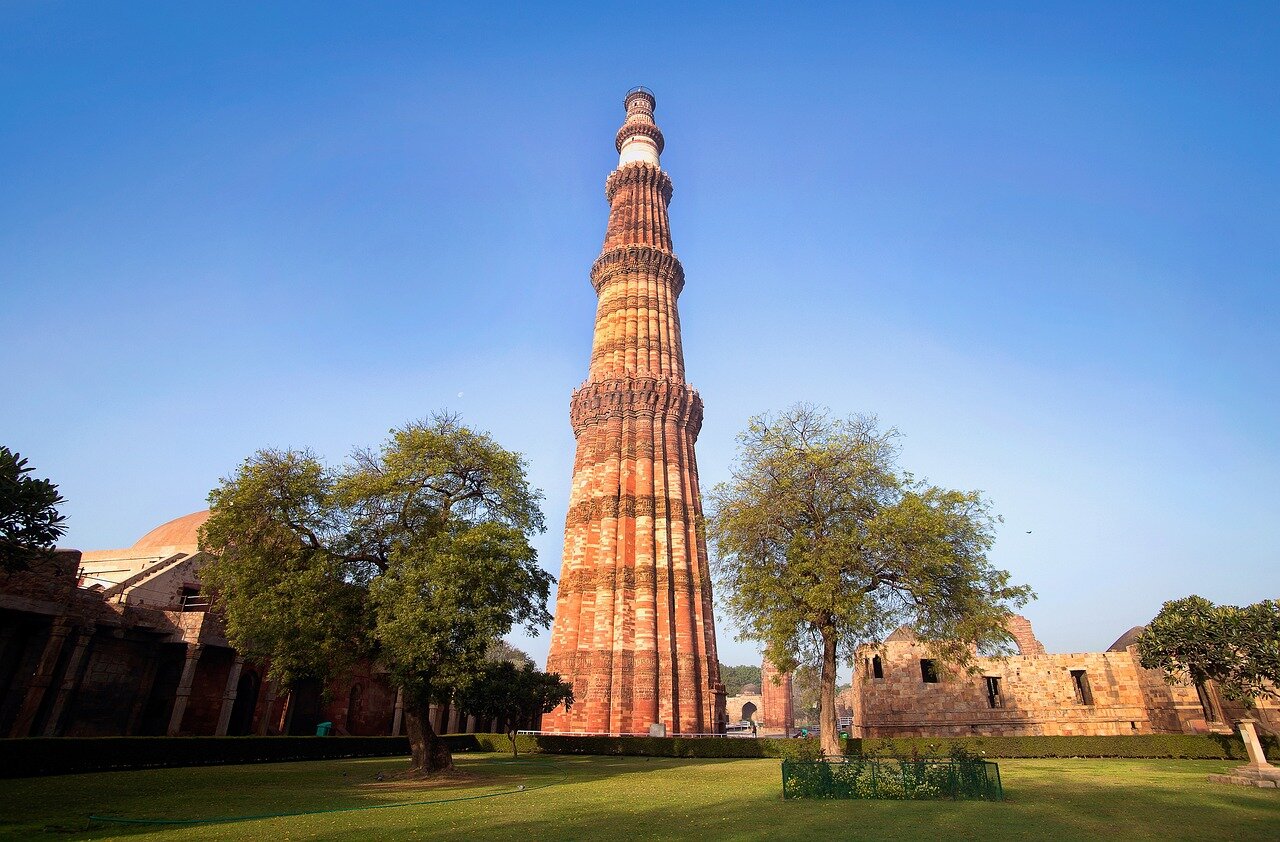
Understanding the circumstances surrounding the Delhi fire incident
The tragic fire incident in Delhi, which claimed the lives of at least 21 foreign nationals, highlights a complex interplay of factors that have historically plagued the city. Over the years, Delhi has faced numerous challenges regarding fire safety regulations, urban infrastructure, and the accommodation of migrant populations.
In recent decades, Delhi has seen a significant influx of migrants from various parts of India and abroad, drawn by the promise of better economic opportunities. This demographic shift has led to the proliferation of informal housing and overcrowded living conditions, particularly in areas where foreign nationals reside. Many of these establishments lack proper fire safety protocols, which exacerbates the risk during emergencies. The lack of enforcement of existing fire safety regulations has been a longstanding issue, often resulting in tragic outcomes.
Historical context of fire safety regulations in Delhi
Historically, fire safety regulations in Delhi have been insufficiently enforced, with numerous incidents serving as grim reminders of the consequences of neglect. Major fires in commercial and residential buildings over the years have prompted calls for reform, yet systemic changes have been slow to materialize. The government has made attempts to improve safety standards, but these efforts often fall short of addressing the root causes of the problem, such as inadequate infrastructure and resources for fire departments.
The recent incident is not an isolated event; it is part of a broader pattern of fire-related tragedies in urban India. Each incident has underscored the urgent need for comprehensive policy changes and better implementation of safety measures to protect vulnerable populations, including foreign nationals who may not be familiar with local safety protocols. The interplay of socioeconomic factors, regulatory shortcomings, and rapid urban growth continues to shape the landscape of fire safety in Delhi, making such disasters a recurring concern.

Examining the key stakeholders and issues related to the fire
The recent fire in Delhi, which tragically claimed the lives of at least 21 foreign nationals, has brought to light a complex web of stakeholders, each with their own interests and concerns. The primary actors involved include the victims’ families, local authorities, fire safety organizations, and the international community. Understanding the dynamics among these groups is crucial for grasping the broader implications of this incident.
Victims’ families are at the forefront of this tragedy, seeking justice and accountability for their loved ones. Their interests revolve around understanding the cause of the fire, ensuring proper compensation, and advocating for improved safety regulations. This incident has not only devastated their lives but has also raised questions about the adequacy of fire safety measures in densely populated areas of Delhi.
Local authorities, including the Delhi government and fire department, face scrutiny regarding their preparedness and response to such emergencies. They must balance the immediate need for investigation and accountability with the potential for public backlash and international criticism. The economic implications of this incident are significant; a failure to address safety concerns could deter foreign investment and tourism, impacting the local economy.
Fire safety organizations and advocacy groups are also key stakeholders, pushing for stricter regulations and better enforcement of existing laws. They argue that this tragedy highlights systemic issues in fire safety protocols, particularly in informal housing sectors where many foreign nationals reside. Their interests lie in promoting awareness and ensuring that similar incidents do not occur in the future, which could impact foreign investment.

- Victims’ families: Seeking justice and compensation.
- Local authorities: Managing public perception and accountability.
- Fire safety organizations: Advocating for improved regulations.
- International community: Monitoring the situation for potential diplomatic implications.
- Media: Reporting on the incident to raise awareness and inform the public.
Assessing the impact on victims and the broader community
The tragic fire incident in Delhi has not only claimed the lives of at least 21 individuals, including foreign nationals, but it has also sent shockwaves through various communities and industries. The immediate victims, their families, and friends are grappling with profound loss, while the broader implications extend to local businesses, foreign communities, and the hospitality sector.
In the short term, the fire has raised significant concerns regarding safety standards in buildings, particularly those housing foreign nationals and tourists. This could lead to increased scrutiny from regulatory bodies and a push for stricter enforcement of fire safety regulations. Local businesses, especially those reliant on tourism, may experience a decline in foot traffic as potential visitors reassess their travel plans to the region.
Moreover, the incident may have a ripple effect on the hospitality and service industries. Hotels, restaurants, and local attractions could see a temporary downturn in patronage as safety concerns dominate the narrative. In addition, the foreign community in Delhi may feel a heightened sense of vulnerability, prompting discussions around community safety and support systems.
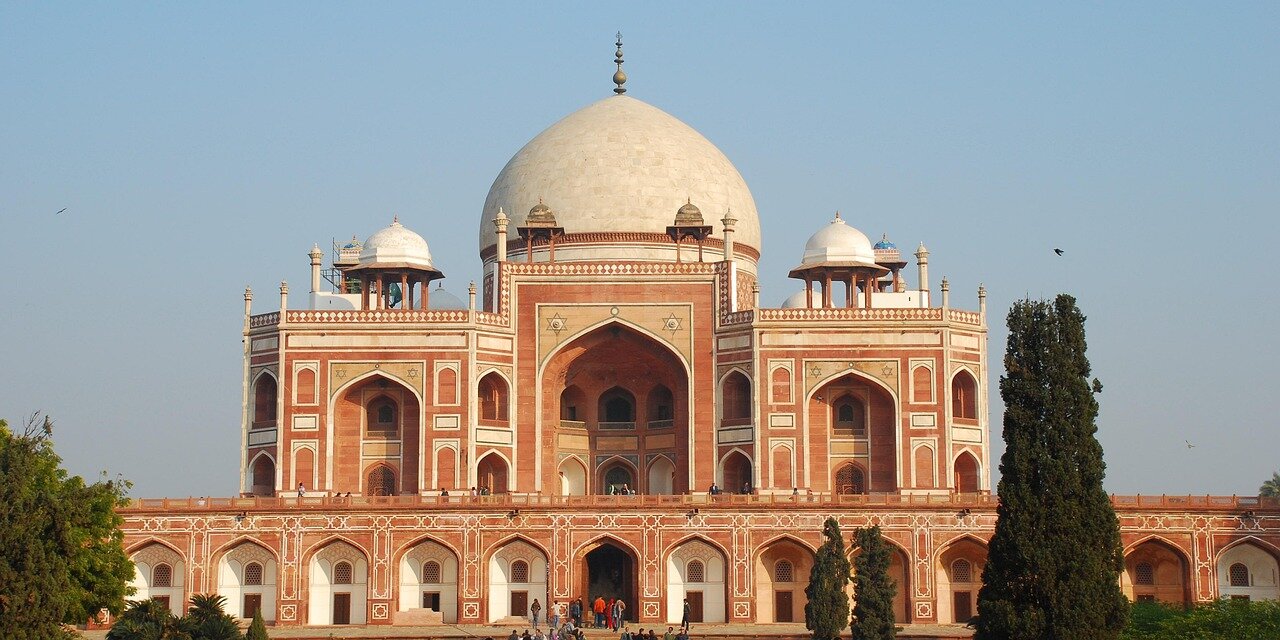
- Short-term impacts: Increased safety inspections, potential decline in tourism, heightened community anxiety.
- Mid-term impacts: Possible policy changes regarding building safety codes, shifts in business strategies to enhance safety measures.
- Opportunities: Growth in safety-related businesses, potential for community solidarity initiatives.
While the immediate aftermath of this tragedy is marked by grief and concern, there exists a potential opportunity for local authorities and businesses to collaborate on improving safety standards. This could not only prevent future incidents but also restore confidence among residents and visitors alike. As the community processes this event, the focus on safety and support may lead to stronger ties between local and foreign populations.
A: The exact cause of the fire is still under investigation, but preliminary reports suggest it may have been due to electrical faults. A: Among the 21 confirmed dead, several were identified as foreign nationals, highlighting the international implications of the tragedy. A: Authorities have announced plans to review and strengthen fire safety regulations across the city to prevent similar disasters. A: Currently, rescue operations have concluded, but support services are being provided to the affected families. A: Various organizations are accepting donations to assist the families of the victims, and community support initiatives are being organized.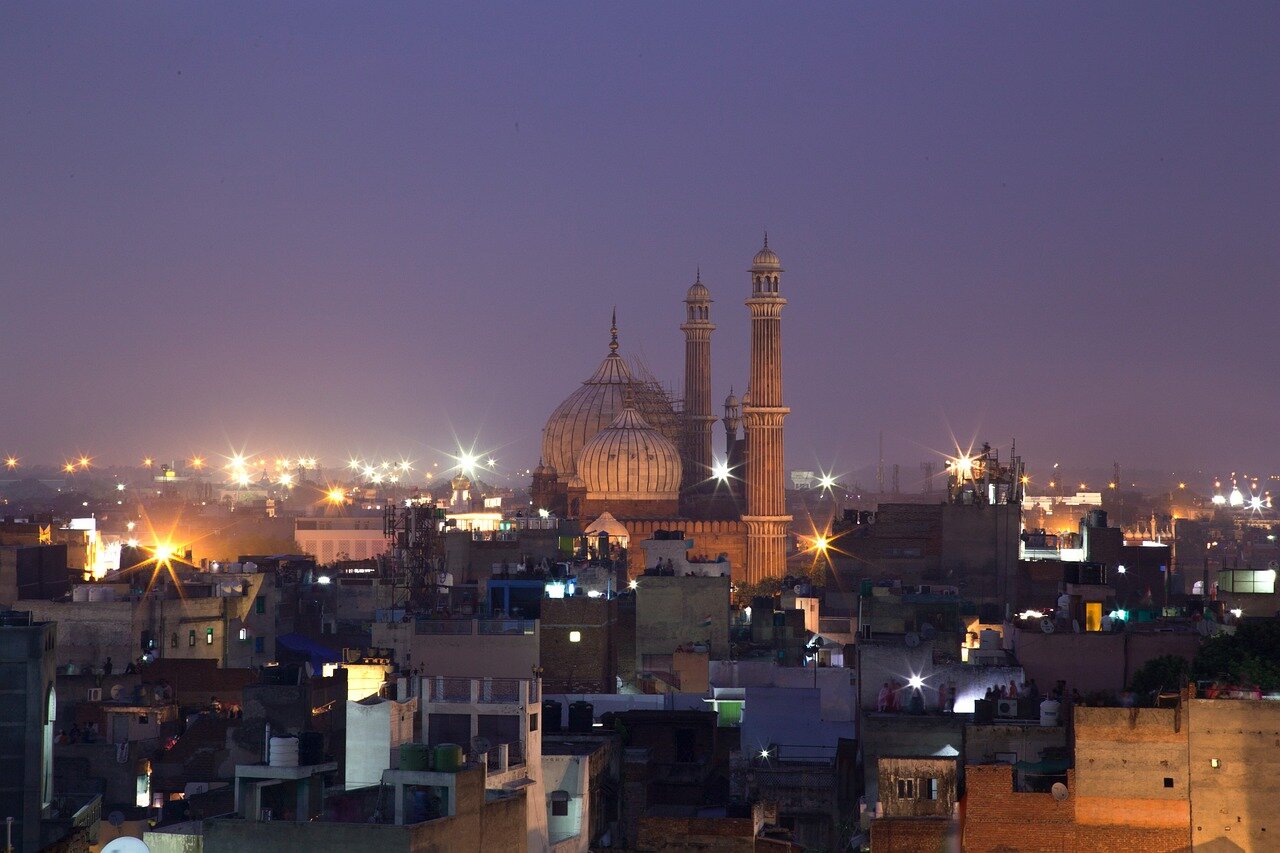
Frequently asked questions about the Delhi fire incident
Key takeaways and future implications of the Delhi fire tragedy
The tragic fire in Delhi, which claimed the lives of at least 21 individuals, including foreign nationals, highlights significant vulnerabilities in urban safety and emergency response systems. This incident underscores the urgent need for a comprehensive review of fire safety regulations, particularly in densely populated areas where such tragedies can have devastating consequences. The loss of lives in this incident raises critical questions about the adequacy of existing safety measures and the effectiveness of enforcement protocols.
As the investigation unfolds, it is imperative for authorities to not only address the immediate aftermath but also to implement long-term strategies that prioritize the safety of all residents, including foreign nationals. The international community will be watching closely, and how the Indian government responds may influence perceptions of safety and security in the region.
- Increased scrutiny of fire safety regulations: Expect a push for stricter enforcement of fire codes and regular inspections in commercial and residential buildings.
- Enhanced emergency response training: Authorities may invest in better training for first responders to improve their effectiveness in crisis situations.
- Community awareness programs: Initiatives aimed at educating residents about fire safety and emergency preparedness could become more prevalent.
- International relations impact: The incident may prompt diplomatic discussions regarding the safety of foreign nationals living in India, affecting tourism and expatriate communities.