


The New York City Department of Health and Mental Hygiene has noted that hospitalizations related to the flu have also increased, with many facilities experiencing higher patient volumes. This surge comes as the city is still managing the ongoing effects of the COVID-19 pandemic, which complicates the healthcare landscape.
Experts attribute the early spike in flu cases to several factors, including lower vaccination rates and increased social interactions as restrictions ease. The Centers for Disease Control and Prevention (CDC) has emphasized the importance of vaccination, urging residents to get their flu shots to mitigate the impact of the virus. For more on vaccination importance, you can read about the role of community health efforts.
In response to the rising cases, local health authorities are ramping up public awareness campaigns, encouraging individuals to practice good hygiene and seek medical attention if symptoms arise. The situation remains fluid, and officials are closely monitoring trends to adjust their strategies accordingly.
Understanding the early onset of flu season
The flu season typically peaks between December and February, but recent years have shown a trend of earlier outbreaks, particularly in urban areas like New York City. This shift can be attributed to various factors, including changes in climate patterns, increased population density, and evolving strains of the influenza virus. The current spike in flu cases has raised alarms among health officials, prompting a closer examination of the underlying causes.
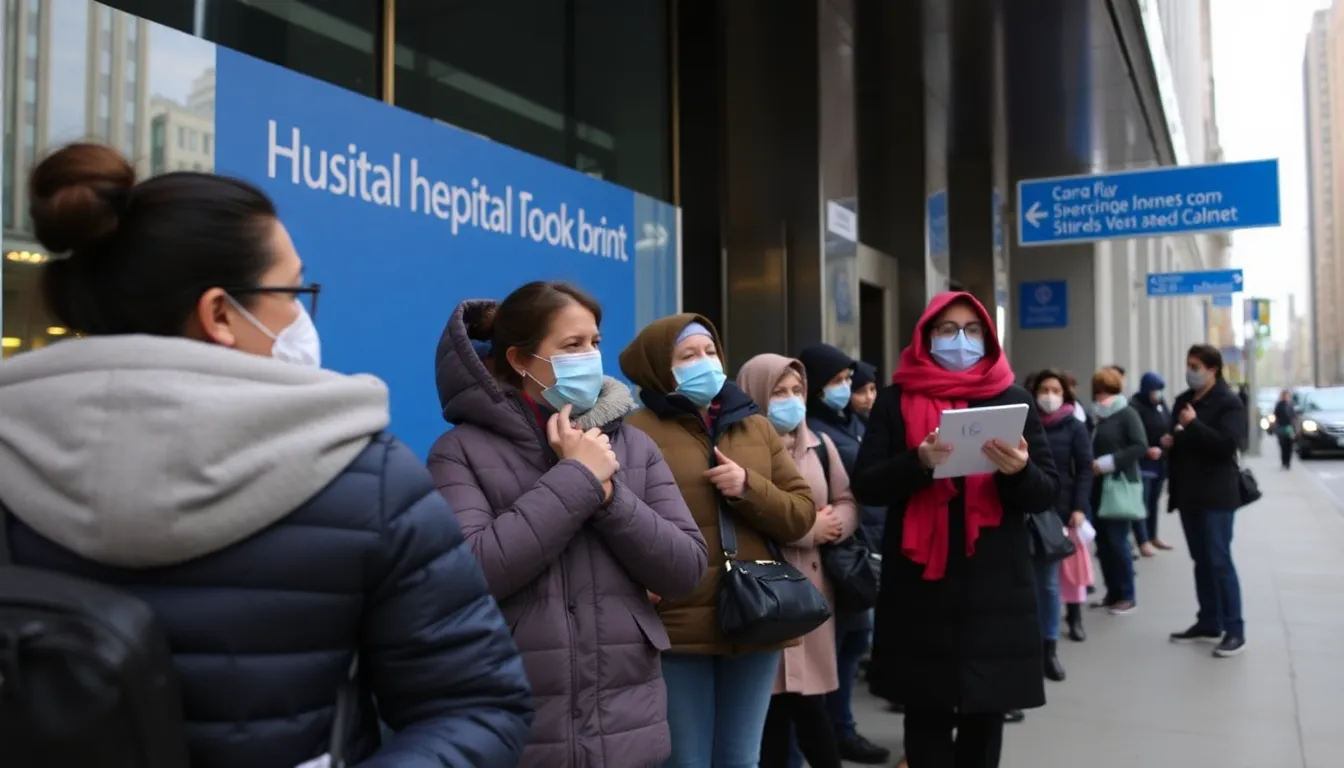
Historically, influenza epidemics have been a recurrent public health challenge, with significant outbreaks documented as far back as the 1918 Spanish Flu pandemic. Since then, the landscape of flu viruses has evolved, with new strains emerging that can evade immunity from previous infections or vaccinations. The early onset of this season’s flu cases may be linked to the circulation of a particularly virulent strain, which has been noted to spread more rapidly among densely populated communities, much like the dynamics seen in urban sports events.
The Role of Vaccination
Vaccination plays a critical role in controlling flu outbreaks, yet vaccination rates can vary significantly from year to year. In recent seasons, public hesitancy and misinformation surrounding vaccines have contributed to lower vaccination uptake, leaving populations more vulnerable to infection. Additionally, the COVID-19 pandemic has altered healthcare access and priorities, potentially impacting flu vaccination campaigns and leading to a perfect storm for an early and severe flu season.
Economic factors also contribute to the dynamics of flu outbreaks. In a bustling metropolis like New York City, the interconnectedness of work, travel, and social interactions can facilitate the rapid spread of the virus. The recent increase in flu cases has implications not only for public health but also for the city’s economy, as businesses may face disruptions due to employee absenteeism and increased healthcare costs.
As New York City navigates this unexpected surge in flu cases, understanding the historical context and current contributing factors is essential for effective public health responses and community preparedness. The lessons learned from past flu seasons will be crucial in addressing the challenges posed by this year’s early outbreak.
Key stakeholders and their responses to the flu outbreak
The recent surge in flu cases in New York City has drawn attention from various stakeholders, each with distinct interests and responses. The primary actors include public health officials, healthcare providers, local government, and the general public. Understanding their roles and concerns is crucial for grasping the broader implications of this health crisis.
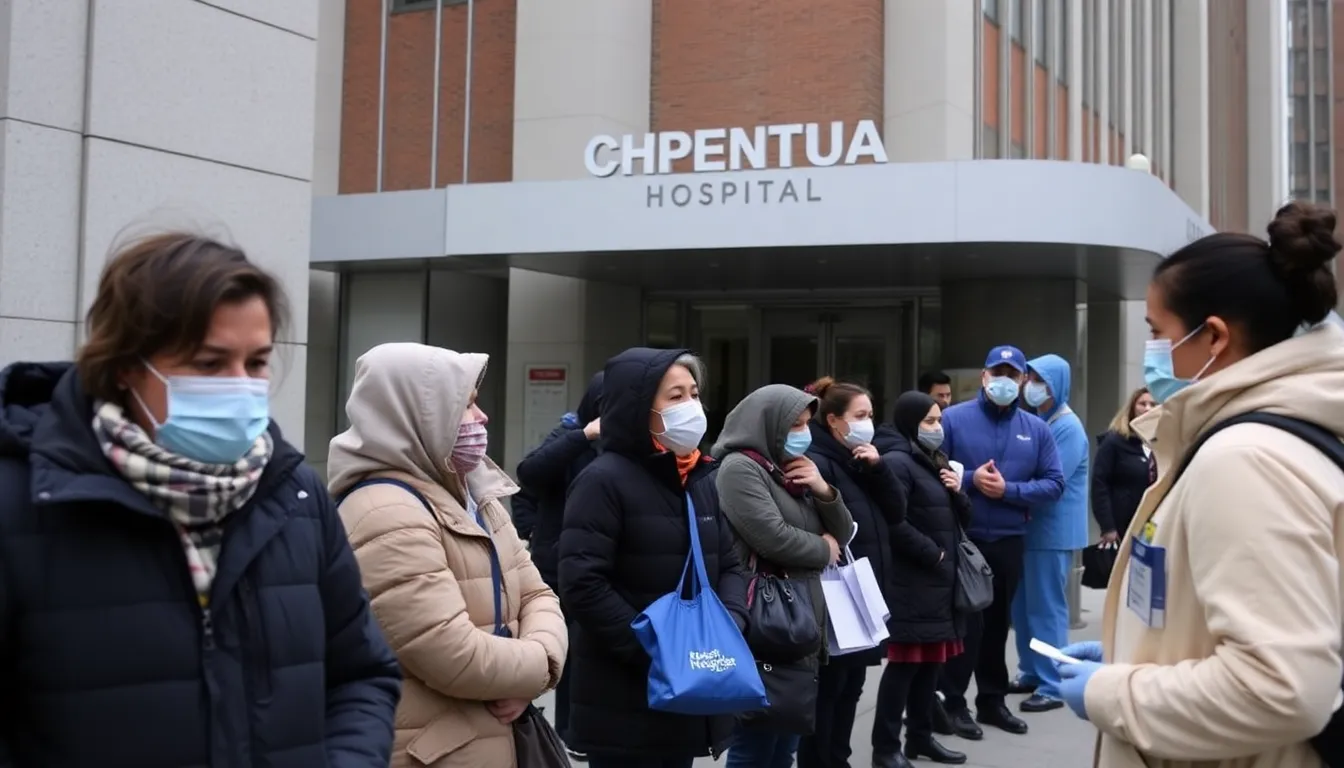
Public health officials, such as the New York City Department of Health, are at the forefront of managing the outbreak. Their primary interest lies in controlling the spread of the virus to protect public health. In response to the rising cases, they have ramped up vaccination campaigns and public awareness efforts to encourage residents to get vaccinated. However, they face challenges in reaching communities with lower vaccination rates, which complicates their efforts, similar to how sports organizations engage fans for better outreach.
Healthcare providers, including hospitals and clinics, are experiencing increased pressure as flu cases rise. Their interests revolve around ensuring adequate resources and staffing to handle the influx of patients. As emergency rooms fill up, providers must balance patient care with the risk of burnout among healthcare workers. Additionally, they are tasked with communicating effectively with patients about the importance of vaccination and preventive measures.
Local government officials are also key players, as they must allocate resources and funding to address the outbreak. Their interests include maintaining public safety and minimizing disruption to city services. As the flu season progresses, they may need to consider implementing public health measures, such as temporary restrictions on gatherings, which could lead to conflicts with businesses and residents concerned about economic impacts.
- Public Health Officials: Focus on vaccination and public awareness.
- Healthcare Providers: Manage patient care amid rising flu cases.
- Local Government: Balance public safety with economic considerations.
- General Public: Concerned about health risks and access to vaccines.
- Businesses: Potentially impacted by public health measures and economic downturns.
Finally, the general public plays a critical role in shaping the response to the outbreak. Their willingness to get vaccinated and adhere to public health guidelines directly affects the trajectory of the flu season. Misinformation and vaccine hesitancy pose significant challenges, as public trust in health recommendations is essential for an effective response. As stakeholders navigate this complex landscape, the interplay between health, economic, and social factors will be crucial in addressing the ongoing crisis.
The effects of rising flu cases on the community and healthcare
The recent surge in flu cases in New York City has significant implications for various groups, particularly vulnerable populations such as the elderly, young children, and those with pre-existing health conditions. These individuals are at a higher risk of severe illness and hospitalization, prompting increased demand for healthcare services and resources.
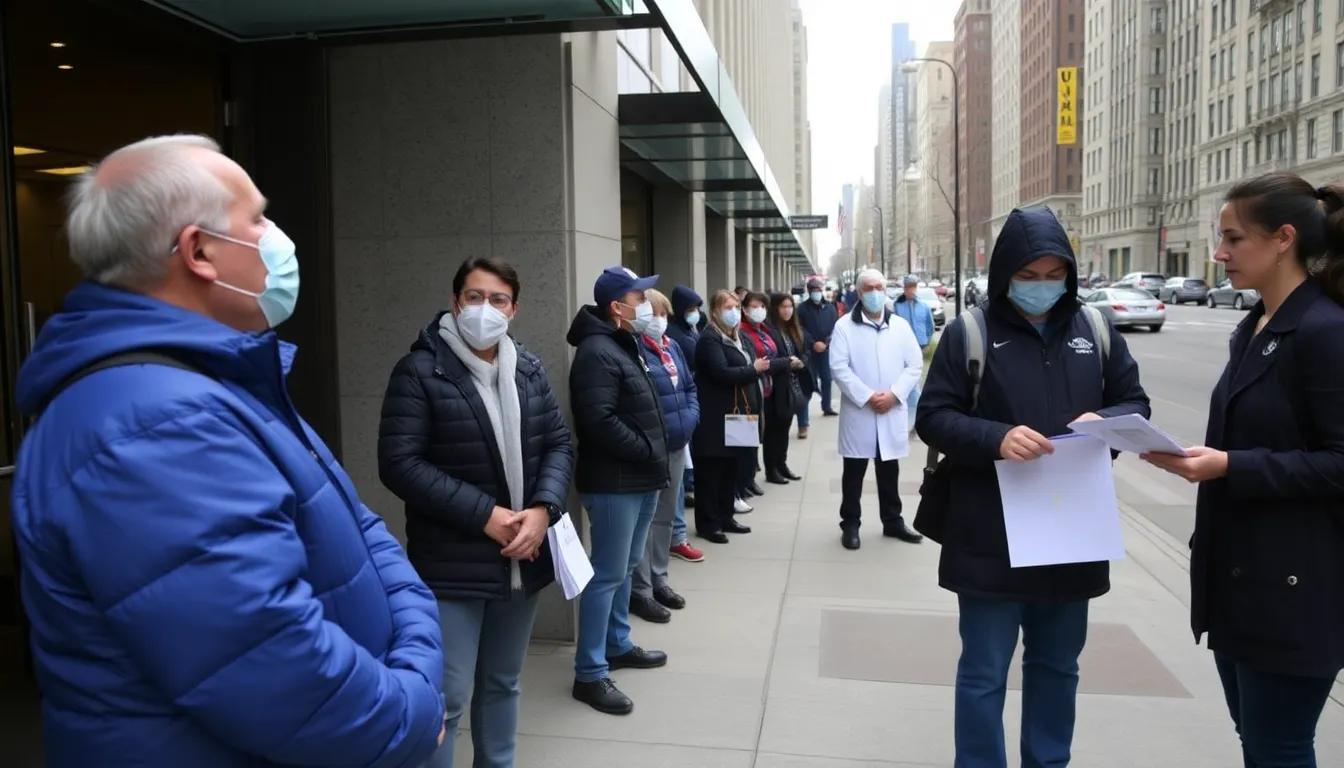
Healthcare providers, including hospitals and clinics, are feeling the pressure as they work to accommodate the influx of patients. This situation could lead to longer wait times for treatment and a strain on medical staff, who are already managing the challenges posed by other respiratory illnesses, including COVID-19.
Businesses, especially those in the healthcare, retail, and hospitality sectors, may experience short-term disruptions. Employees falling ill could lead to staffing shortages, impacting productivity and service delivery. Conversely, pharmacies and health-related businesses may see a surge in demand for flu vaccines and over-the-counter medications, presenting potential opportunities for growth.
- Short-term impacts: Increased healthcare costs, longer wait times, and potential staffing shortages.
- Mid-term impacts: Possible shifts in public health policy, increased vaccination campaigns, and heightened awareness of flu prevention.
- Opportunities: Growth for healthcare providers and businesses offering flu-related products and services.
As the city navigates this challenging period, the community’s response, including adherence to vaccination recommendations and public health guidelines, will be crucial in mitigating the impact of the flu outbreak. The situation may also prompt policymakers to reevaluate strategies for flu preparedness and response in future seasons.
A: Common symptoms of the flu include fever, cough, sore throat, body aches, and fatigue. It’s important to monitor these symptoms and seek medical advice if they worsen. A: To protect yourself from the flu, consider getting vaccinated, practicing good hygiene, and avoiding close contact with sick individuals. A: Health officials are still assessing the severity of this year’s flu strain, but early reports suggest it may be more contagious than in previous years. A: If you suspect you have the flu, rest, stay hydrated, and consult a healthcare provider for advice on treatment options. A: Yes, public health officials are encouraging vaccination campaigns and are monitoring the situation closely to implement additional measures if necessary.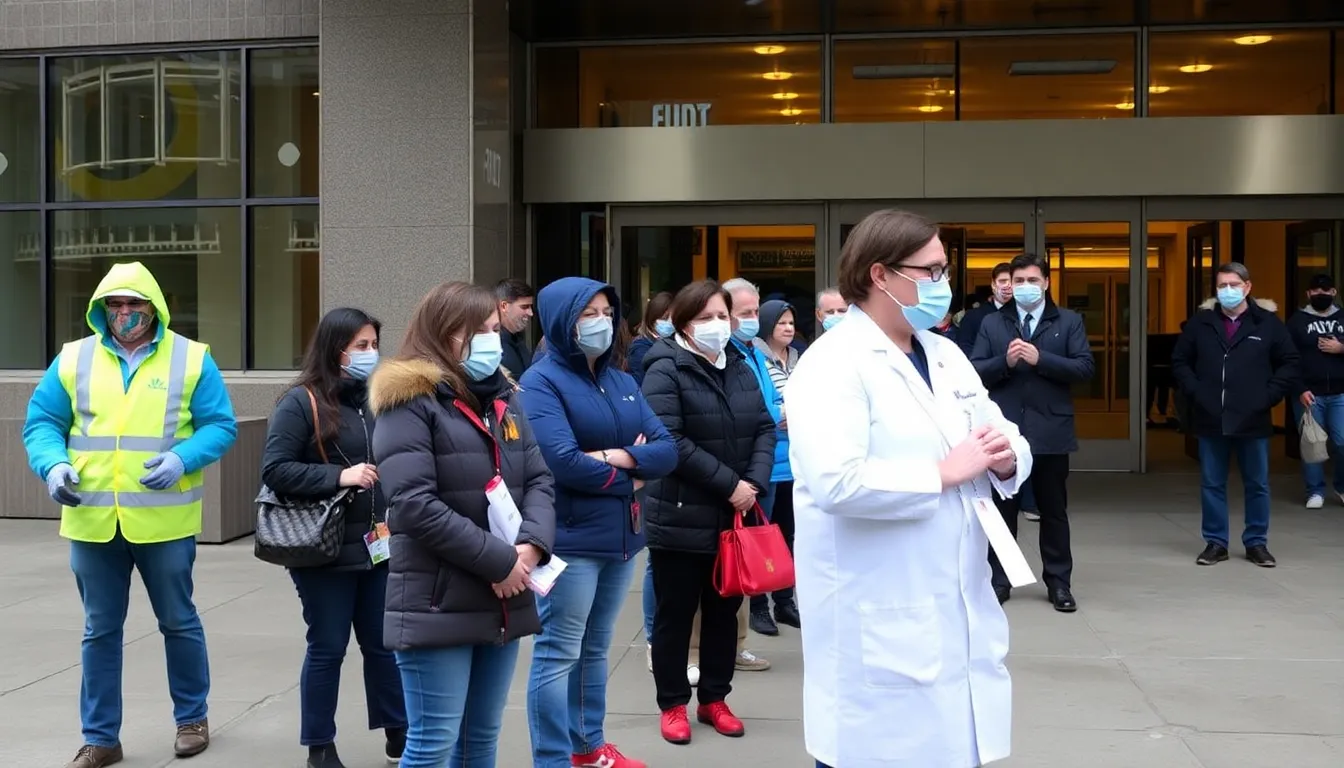
Frequently Asked Questions about the flu outbreak
Looking ahead: What this means for the upcoming months
The early surge in flu cases in New York City signals a need for heightened vigilance as we move into the winter months. Public health officials are urging residents to take preventive measures, as the timing of this outbreak suggests that the flu season may be more severe than initially anticipated. With schools and workplaces bustling, the potential for widespread transmission underscores the importance of vaccination and public awareness campaigns.
As healthcare systems prepare for increased patient loads, it will be crucial to monitor the effectiveness of current vaccines and the emergence of any new strains. Additionally, the interplay between flu and other respiratory illnesses, including COVID-19, may complicate the public health landscape, necessitating a coordinated response to ensure community safety.
- Vaccination efforts should be prioritized: Increased outreach and accessibility to flu vaccines can help mitigate the impact of the outbreak.
- Public health messaging is key: Clear communication regarding symptoms and when to seek care will be vital in managing the situation.
- Monitor healthcare capacity: Hospitals may need to prepare for a surge in patients, particularly those with severe symptoms.
- Stay informed about flu variants: Keeping track of any new strains will be essential for effective treatment and prevention strategies.
- Community engagement: Encouraging community members to adopt preventive measures can play a significant role in curbing transmission rates.