


Two prominent Chinese automotive brands, Geely and BYD, have expressed interest in joining the WEC. This development comes as the series has gained traction globally, with the return of iconic races such as the 24 Hours of Le Mans, which is set to take place on June 10-11, 2023. The involvement of Chinese manufacturers could enhance the championship’s appeal in Asia and broaden its fan base.
The Hypercar class, introduced in 2021, allows for a mix of manufacturers to compete with both traditional combustion engines and hybrid technologies. As global automotive trends shift towards electrification, the entry of Chinese brands could bring innovative technologies and fresh competition to the series, potentially influencing the future direction of endurance racing.
China’s interest in the WEC aligns with its broader strategy to enhance its presence in global motorsport. Recent investments in racing infrastructure and technology development signify a commitment to not only participate but also to excel on the world stage. The anticipated entries are expected to be officially announced in the coming months, marking a pivotal moment for both the manufacturers and the championship.
The historical significance of Le Mans and endurance racing in China
Endurance racing, particularly the 24 Hours of Le Mans, has long been regarded as the pinnacle of motorsport, showcasing not only speed but also durability, strategy, and engineering prowess. In recent years, this prestigious event has gained increasing attention in China, a country with a burgeoning automotive industry and a growing interest in motorsports. The significance of Le Mans extends beyond mere competition; it symbolizes innovation and excellence, traits that resonate with China’s ambitions in the global automotive market.
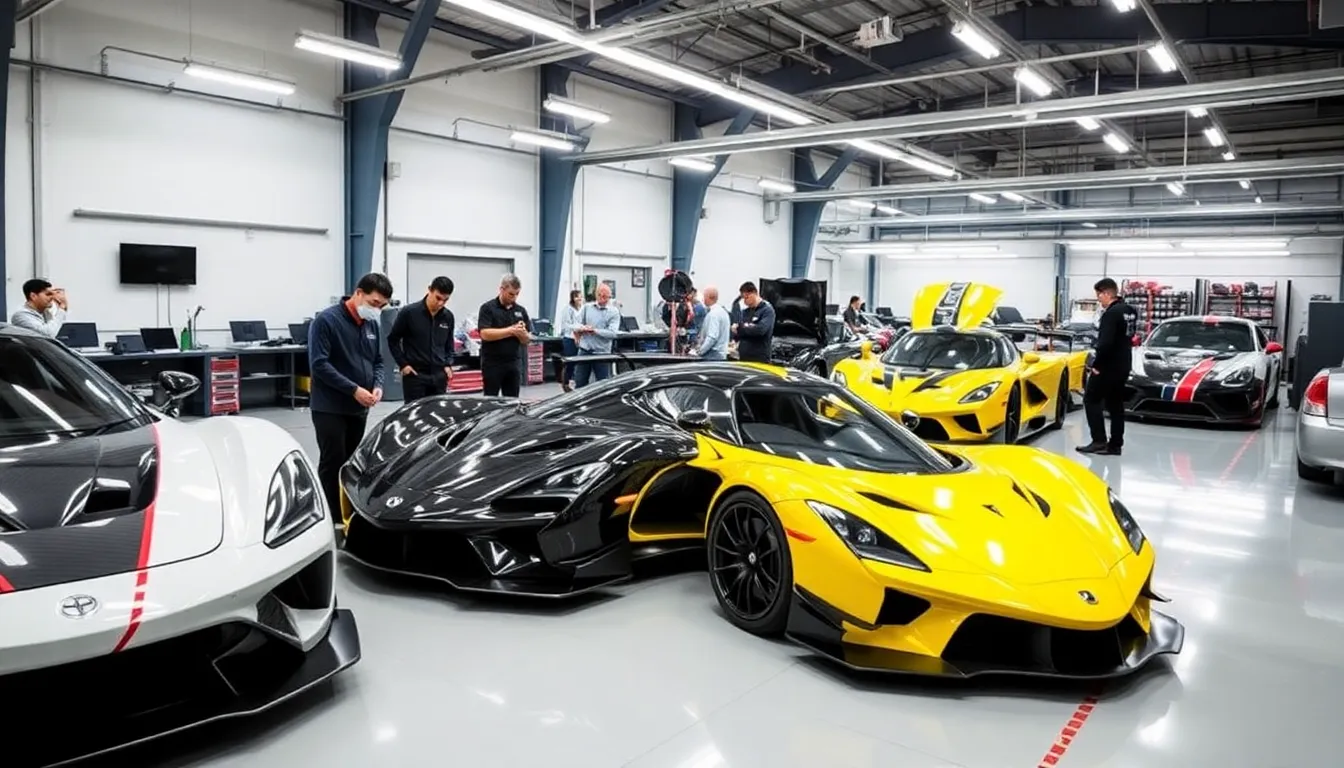
Historically, China’s automotive sector has evolved rapidly since the late 20th century, transitioning from a primarily domestic focus to a more international outlook. As Chinese manufacturers seek to elevate their global standing, participation in high-profile events like the World Endurance Championship (WEC) serves as a platform for showcasing technological advancements and enhancing brand recognition.
The rise of electric vehicles (EVs) has also played a crucial role in shaping China’s interest in endurance racing. With the Chinese government heavily investing in EV technology and encouraging manufacturers to innovate, the WEC’s Hypercar category, which includes hybrid and electric prototypes, aligns perfectly with national priorities. This convergence of interests marks a significant turning point for Chinese manufacturers, as they aim to demonstrate their capabilities on an international stage.
Key milestones in China’s motorsport journey
Several milestones have paved the way for China’s growing involvement in endurance racing. The establishment of the China Le Mans Series in 2017 marked a significant step, providing a domestic platform for teams and manufacturers to gain experience in endurance racing. Furthermore, Chinese drivers have begun to make their mark in international competitions, fostering a new generation of talent eager to compete at the highest levels.
Moreover, partnerships between Chinese manufacturers and established international brands have facilitated knowledge transfer and technological collaboration. These alliances not only enhance the competitive edge of Chinese teams but also contribute to the overall development of the motorsport ecosystem in China. As the landscape continues to evolve, the prospect of Chinese manufacturers entering the WEC Hypercar category signifies a bold step towards redefining the future of endurance racing.
Key stakeholders and their motivations for entering the Hypercar category
As China’s automotive industry continues to expand its global footprint, two major manufacturers are reportedly interested in entering the World Endurance Championship (WEC) Hypercar category. This move is indicative of a broader ambition to enhance brand visibility and technological prowess on an international stage. The primary stakeholders in this scenario include the manufacturers themselves, industry regulators, racing organizations, and consumers.
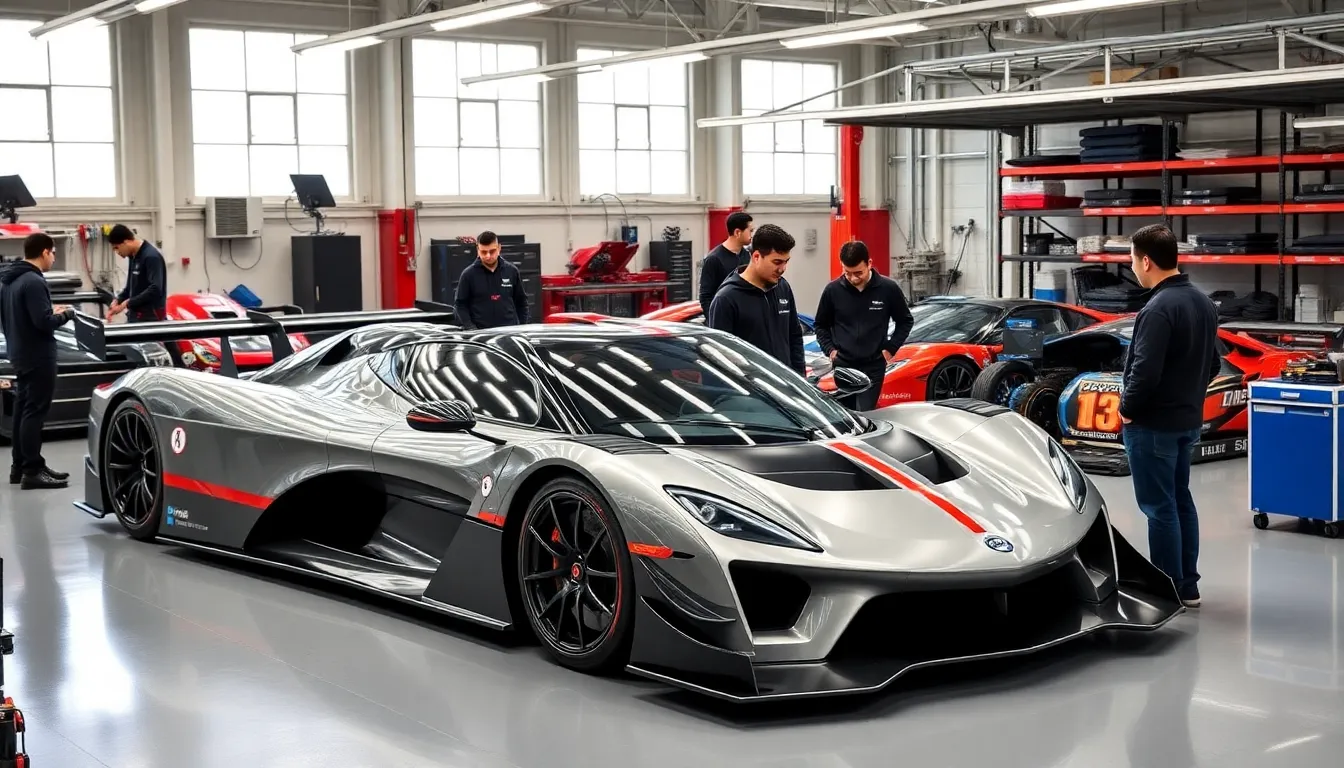
The manufacturers, driven by a desire to innovate and compete at the highest levels of motorsport, see participation in the Hypercar category as a means to showcase their advancements in hybrid technology and performance. By aligning with the WEC, they aim to not only elevate their brand image but also to gain valuable insights into sustainable automotive technologies that can be applied to their consumer vehicles.
Regulatory bodies, both within China and internationally, have a vested interest in the developments within the Hypercar category. They are focused on ensuring that the competition adheres to environmental standards and promotes advancements in fuel efficiency and emissions reduction. This regulatory oversight can sometimes create tensions, as manufacturers may seek to push the boundaries of performance while meeting stringent environmental guidelines.
- Technological Innovation: Manufacturers aim to leverage racing technology to enhance their consumer vehicle offerings.
- Brand Visibility: Competing in a prestigious series like WEC can significantly elevate a brand’s profile globally.
- Regulatory Compliance: Adhering to international standards for emissions and safety can pose challenges for manufacturers.
- Market Competition: Entry into the Hypercar category intensifies competition among global automotive players.
- Consumer Expectations: There is increasing demand for high-performance, environmentally friendly vehicles from consumers.
Furthermore, the economic implications of this entry are significant. The investment required to develop competitive Hypercars is substantial, and manufacturers must weigh the potential return on investment against the costs involved. Additionally, the success of these vehicles in the racing arena could translate into increased sales in the consumer market, creating a compelling case for their participation.
Potential impacts on the global racing landscape and market
The interest of two major Chinese manufacturers in entering the World Endurance Championship (WEC) Hypercar category could significantly reshape the global racing landscape. This move not only highlights China’s growing ambition in motorsports but also signals a shift in the competitive dynamics of the industry. Various stakeholders, including automotive manufacturers, racing teams, and fans, will likely feel the effects of this development.
In the short term, the entry of Chinese manufacturers could lead to heightened competition among existing teams, pushing them to innovate and enhance their performance. This could result in a more thrilling racing experience for fans, as well as increased visibility for the sport in Asia. Additionally, partnerships with local sponsors and increased media coverage may boost the financial viability of the WEC, benefiting teams and organizers alike.
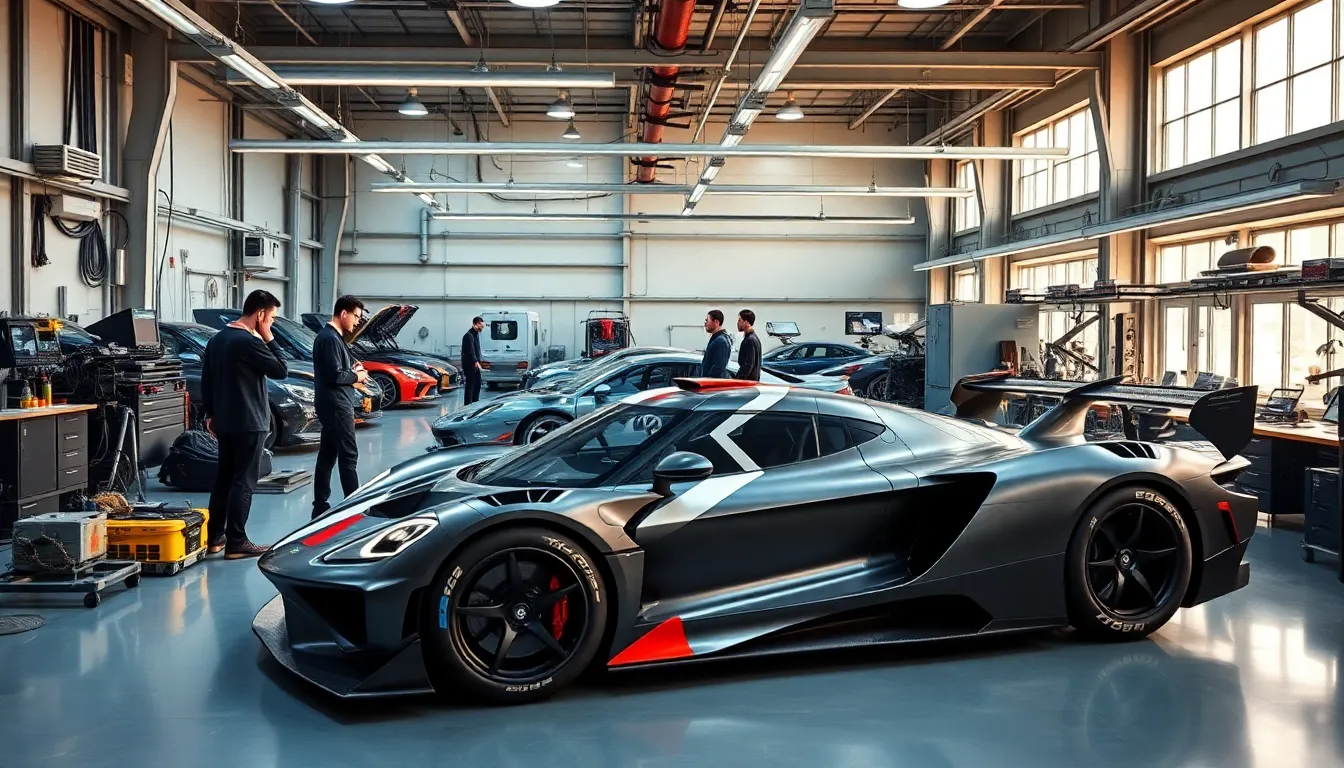
In the mid-term, the presence of Chinese brands could facilitate a broader market expansion for the WEC in Asia. This may encourage other manufacturers from the region to participate, further diversifying the field. As a result, local economies could see growth from increased tourism and related activities, such as hospitality and merchandise sales. However, this expansion could also lead to challenges in maintaining competitive balance and ensuring fair play among manufacturers.
- Opportunities: Increased investment in motorsports, enhanced innovation, and potential market growth in Asia.
- Risks: Possible dilution of competition, challenges in regulatory compliance, and the need for established teams to adapt quickly to new entrants.
- Impact on policy: Potential changes in sponsorship regulations and safety standards as new players enter the scene.
Overall, while the entry of Chinese manufacturers into the WEC Hypercar category presents numerous opportunities, it also brings inherent risks that stakeholders must navigate carefully. The evolving landscape will demand adaptability and strategic planning from all involved parties to leverage the benefits while mitigating potential downsides.
A: Two major manufacturers are reportedly considering entering the WEC Hypercar category, signaling a significant shift in China’s motorsport ambitions. A: The WEC Hypercar category offers manufacturers a prestigious platform to showcase their engineering prowess and compete at a global level. A: The entry of Chinese manufacturers could enhance competition, drive innovation, and increase interest in endurance racing worldwide. A: Chinese manufacturers may face challenges such as establishing a competitive presence, understanding international regulations, and building a fan base. A: While specific timelines are unclear, discussions are ongoing, and teams could potentially enter in the coming seasons.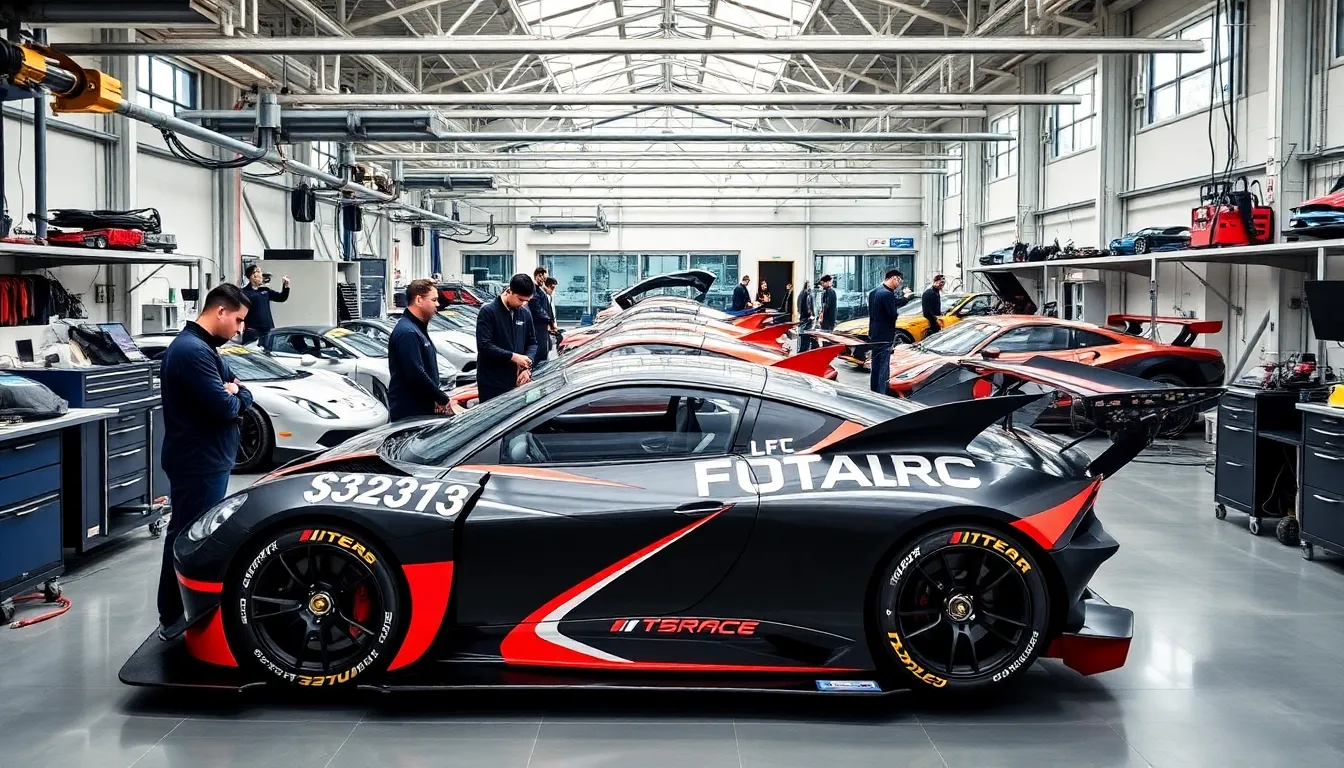
Frequently asked questions about China’s Le Mans ambitions
Future outlook on China’s role in endurance racing
China’s increasing interest in endurance racing, particularly through the World Endurance Championship (WEC) and the Hypercar category, signals a significant shift in the global motorsport landscape. With two major manufacturers exploring entry into this prestigious series, the potential for innovation and competition is set to rise. This move not only enhances China’s visibility in the international motorsport arena but also reflects its broader ambitions in technology and engineering excellence.
As these manufacturers prepare to make their mark, the implications extend beyond the racetrack. The integration of Chinese automotive technology and design philosophies into endurance racing could lead to new standards in performance and sustainability. Observers should keep an eye on how these developments may influence global partnerships and competitiveness within the sport.
- The entry of Chinese manufacturers could accelerate technological advancements in hybrid and electric racing vehicles.
- Increased competition may lead to a more diverse and dynamic race environment in the WEC.
- Potential collaborations between Chinese companies and established racing teams could reshape strategies and methodologies in endurance racing.
- China’s involvement may also attract new sponsors and investments, further boosting the profile of endurance racing globally.